In the world of Islamic worship, the act of performing wudu—the ritual purification before prayers—is fundamental. Wudu is not just a ritualistic practice; it’s an essential step that emphasizes cleanliness, mindfulness, and spiritual readiness. For mosques, Islamic centers, and even private homes, having a functional and aesthetically pleasing wudu area is key to facilitating this practice. One of the most critical components of a wudu area is the wudu basin. But what exactly is a wudu basin, and why is it so important? This article provides a detailed guide to understanding wudu basins, their design, materials, benefits, and how they cater to modern worshippers.
Understanding Wudu and Its Importance
Before diving into wudu basins, it’s crucial to understand the purpose of wudu itself. Wudu is the ritual washing performed before salat (prayer) and involves washing the hands, mouth, nose, face, arms, head, and feet. This purification process is both a physical and spiritual cleansing, preparing Muslims for prayer with cleanliness and focus.
Traditionally, wudu was performed using simple water containers or basins. Today, with the increase in mosque capacities and private prayer spaces, wudu facilities have evolved into well-designed, hygienic, and efficient systems, often incorporating multiple basins to accommodate several worshippers simultaneously.
This evolution led to the development of the wudu basin, specifically designed to meet the unique requirements of ritual purification.
What is a Wudu Basin?
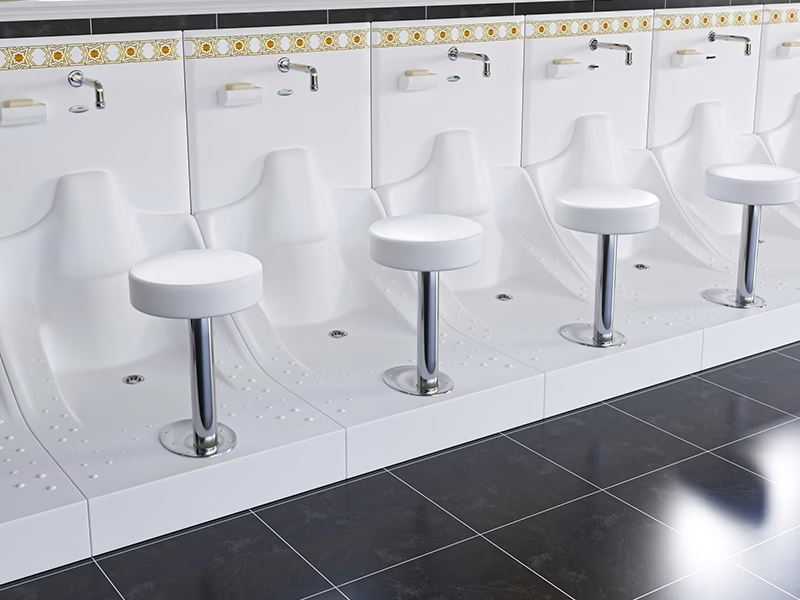
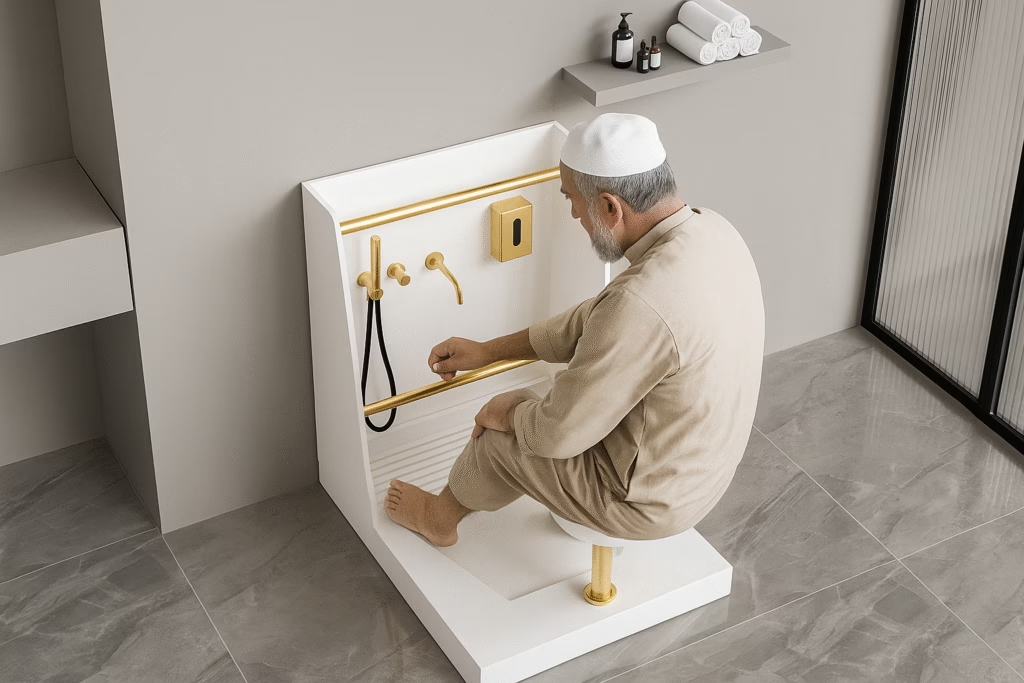
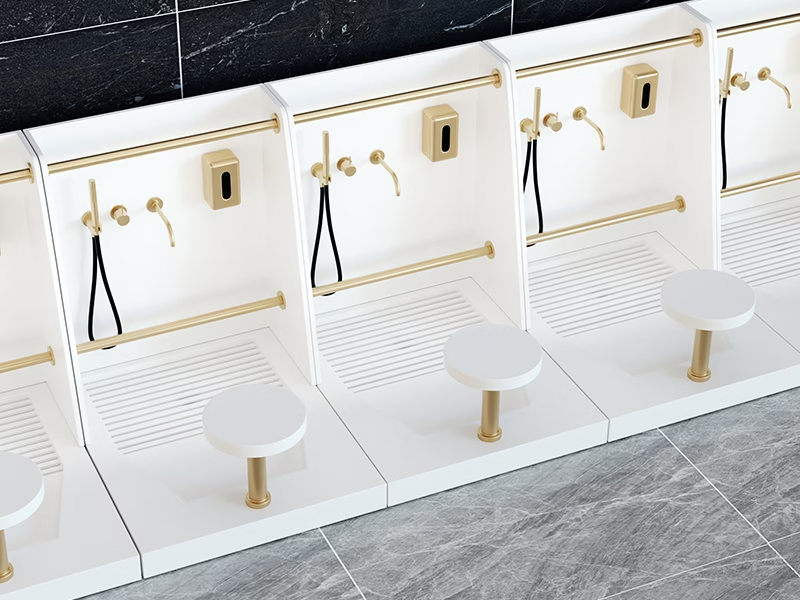
A wudu basin is a specially designed sink or wash station used for performing wudu. Unlike regular bathroom sinks, wudu basins are tailored to accommodate the specific washing rituals of Islam. They often feature multiple hand and foot washing stations, ergonomic heights, and drainage systems that ensure water flows efficiently without splashing or standing, maintaining hygiene in busy prayer areas.
Key features of a wudu basin include:
- Multi-Station Design – Many wudu basins are designed with multiple stations so that several people can perform wudu simultaneously, reducing wait times in busy mosques or prayer facilities.
- Ergonomic Height and Layout – Wudu basins are designed to allow users of different heights to wash hands, feet, and arms comfortably. Some even include low sections specifically for children or elderly worshippers.
- Material Considerations – Wudu basins are made from materials that are durable, easy to clean, and water-resistant, ensuring long-term usability even with frequent exposure to water. Common materials include solid surface, marble, stainless steel, and high-grade ceramics.
- Efficient Drainage – Proper drainage is crucial to avoid water stagnation. Wudu basins often incorporate subtle slope designs or hidden drainage channels to maintain a clean and dry surrounding area.
- Water Conservation – Modern wudu basins often integrate water-saving taps or sensor faucets, making the process eco-friendly while maintaining the sanctity of the ritual.
Types of Wudu Basins
Wudu basins vary in design depending on the location, scale, and usage requirements. Here are some common types:
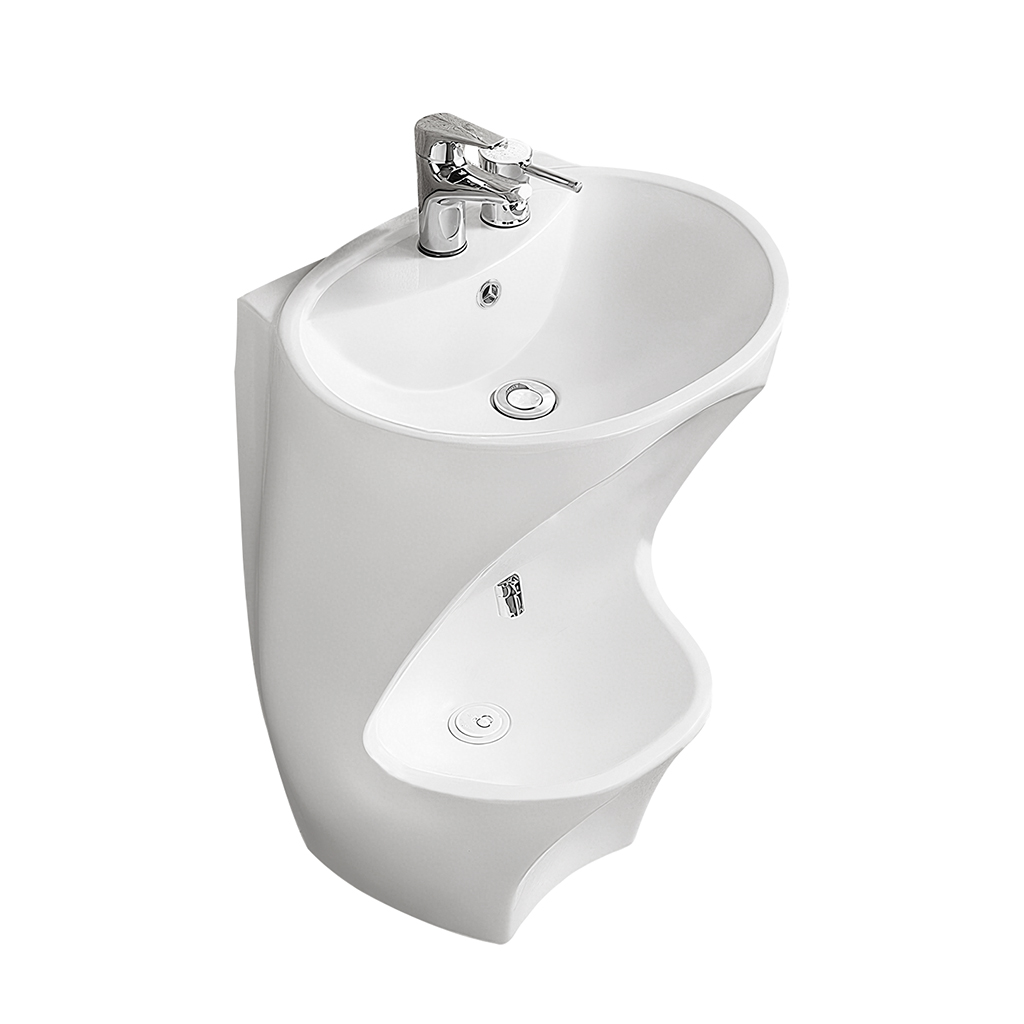
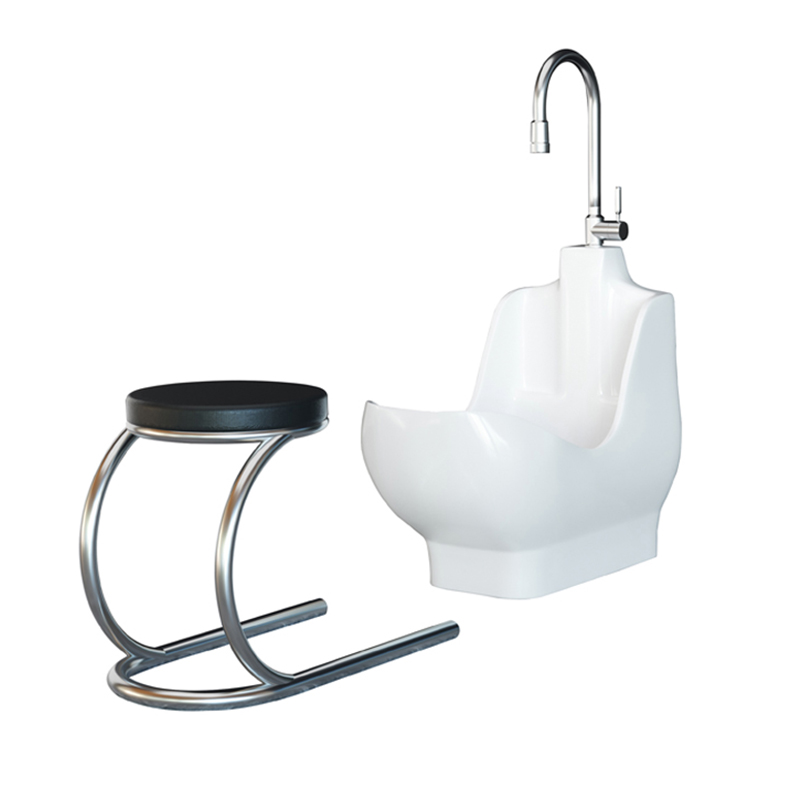
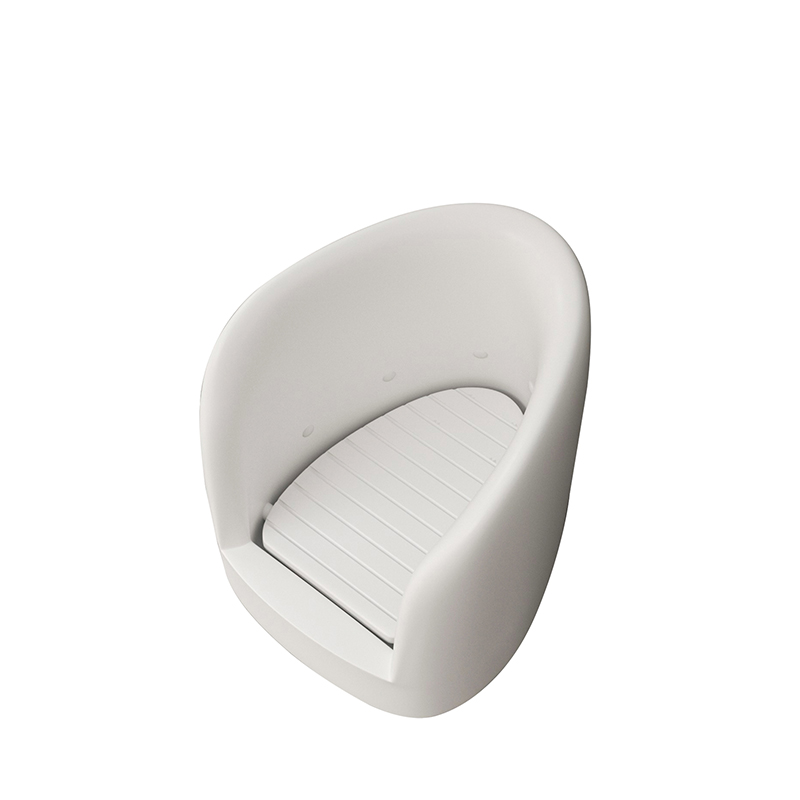
1. Single-Station Wudu Basins
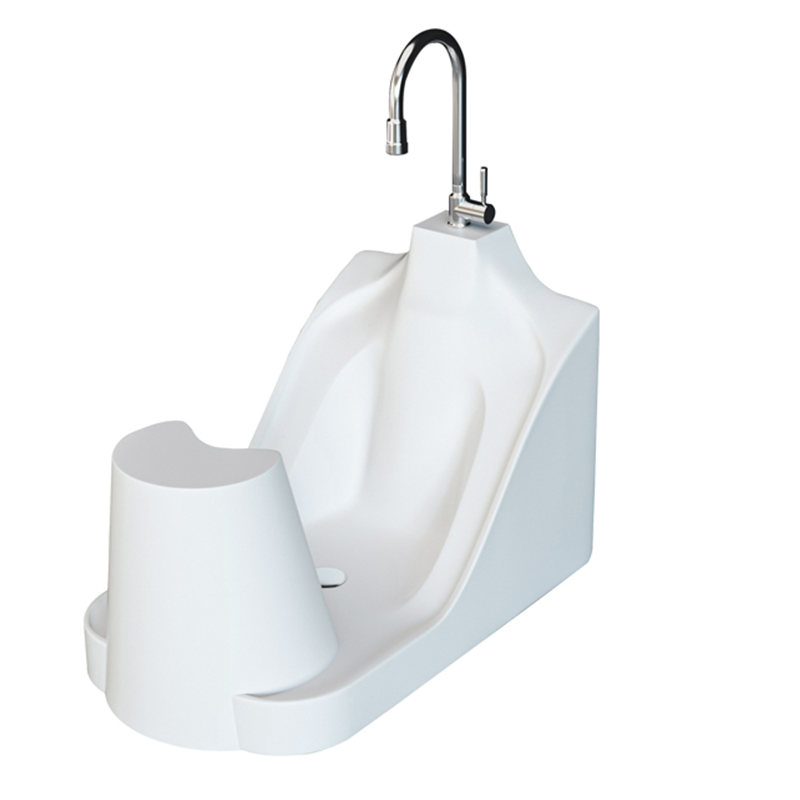
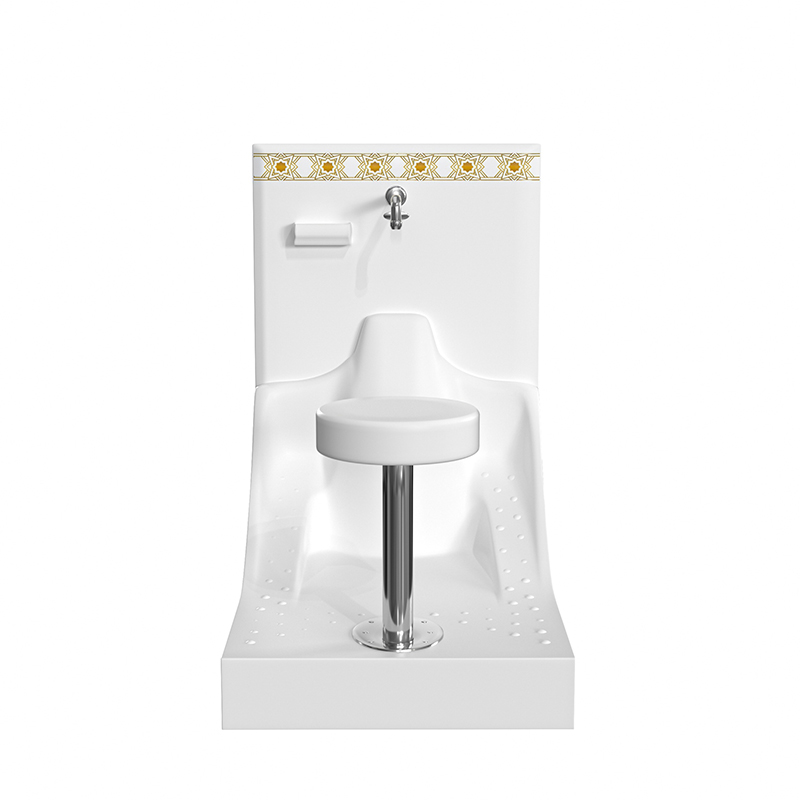
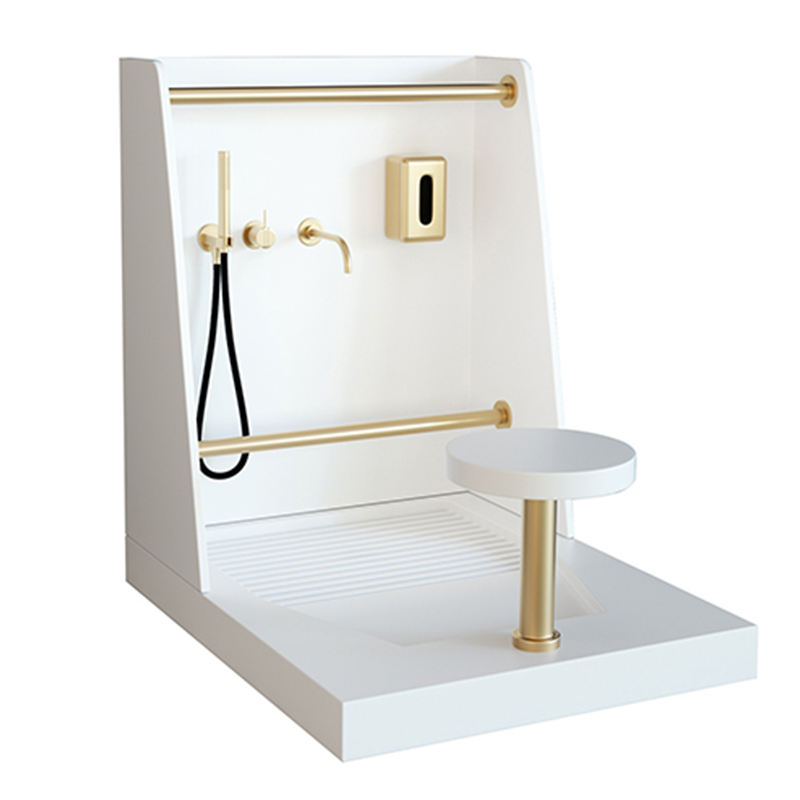
These are compact basins suitable for private homes, small prayer rooms, or offices. They allow one person to perform wudu at a time and are typically simpler in design but still adhere to ergonomic standards.
2. Multi-Station Wudu Basins
Designed for mosques and large prayer areas, these basins can accommodate several worshippers simultaneously. They are often long and continuous, with multiple faucets and foot washing areas integrated into a single unit.
3. Wall-Mounted Wudu Basins
These basins are mounted directly onto walls, saving floor space. They are ideal for compact wudu areas or narrow corridors while still offering full functionality.
4. Freestanding Wudu Units
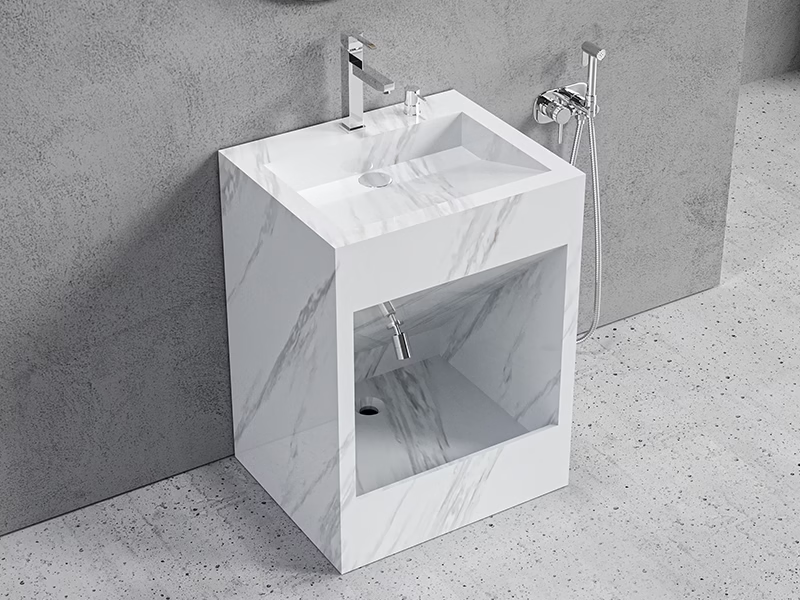
Freestanding units can be placed anywhere in a prayer space and often combine storage or decorative features with functionality. Some high-end designs use solid surface materials to create a seamless and elegant look.
Materials Used in Wudu Basins
Material selection is critical for wudu basins, as they are exposed to constant water usage. Modern wudu basins are typically made from:
- Solid Surface: Offers seamless design, easy cleaning, and long-term durability. Resistant to stains, scratches, and mold, solid surface is ideal for high-traffic areas.
- Marble: Luxurious and elegant, marble wudu basins provide a sophisticated appearance while remaining functional. Requires proper sealing to prevent water damage.
- Ceramic: Classic and cost-effective, ceramic basins are easy to maintain but may be prone to chipping under heavy use.
- Stainless Steel: Highly durable and hygienic, stainless steel is often used in multi-station wudu units. It is resistant to corrosion and can withstand frequent cleaning.
Choosing the right material depends on budget, aesthetics, maintenance, and the expected number of users.
Benefits of Installing a Wudu Basin
Investing in a quality wudu basin brings multiple benefits:
- Hygiene and Cleanliness – Specially designed drainage and easy-to-clean materials prevent water stagnation and bacterial growth.
- Efficiency – Multi-station designs minimize queues and allow more worshippers to perform wudu simultaneously.
- Durability – High-quality materials ensure longevity even in high-traffic mosques.
- Comfort and Accessibility – Ergonomic designs and adjustable heights make wudu accessible for children, elderly, and people with disabilities.
- Aesthetic Appeal – Modern designs can enhance the interior of mosques or prayer spaces, combining spiritual functionality with visual elegance.
Modern Innovations in Wudu Basin Design
In recent years, wudu basins have evolved with modern technologies:
- Touchless Faucets: Reducing contact points to improve hygiene.
- Water Recycling Systems: Reusing water for non-washing purposes to conserve resources.
- Integrated Foot Washing Stations: Allowing worshippers to perform complete wudu without moving to a separate area.
- Customizable Designs: Offering color, material, and size customization to match mosque interiors and local cultural preferences.
Wudu Basin for Homes and Private Spaces
While mosques are the most common place for wudu basins, many Muslim households are now installing private units. Home wudu basins are typically smaller but still maintain the essential features, such as ergonomic height and efficient drainage. They offer convenience, privacy, and encourage regular practice, particularly in families with frequent worshippers.
How to Choose the Right Wudu Basin
When selecting a wudu basin, consider the following factors:
- Number of Users: High-capacity mosques require multi-station units, while homes need single-station basins.
- Space Availability: Wall-mounted or freestanding units can save space.
- Material Preference: Choose durable, water-resistant, and easy-to-clean materials.
- Design and Aesthetics: Consider how the basin complements the overall design of the wudu area.
- Budget and Maintenance: Factor in installation costs, longevity, and cleaning requirements.
- Accessibility: Ensure the basin accommodates children, elderly, and people with disabilities if needed.
Conclusion
A wudu basin is more than just a sink—it is a thoughtfully designed ritual facility that enhances the spiritual and practical experience of wudu. Whether in a mosque, Islamic center, or private home, selecting the right wudu basin ensures hygiene, comfort, and efficiency for worshippers. Modern designs, materials, and innovations have transformed traditional wudu areas into functional, aesthetically pleasing spaces that cater to the needs of contemporary worshippers.
For those looking to upgrade their prayer facilities or install a private wudu basin at home, choosing a high-quality, durable, and ergonomic unit is essential. At WuduWashPro, we specialize in customizable solid surface wudu basins that combine elegance, functionality, and durability—perfect for modern mosques and homes alike.