Introduction
Public places have shared wudu areas where multiple people perform wudu. Muslims often need to perform wudu while traveling, studying, or working outside the home. In many public places, such as mosques, airports, universities, or Islamic centers, dedicated wudu areas are provided to support ritual ablution before prayer. You should find the wudu areas at the local mosque and follow the steps for performing wudu.
Ensure there is a proper, hygienic environment and that you follow all the steps. Muslims worldwide perform wudu in mosques using commercial wudu basins.
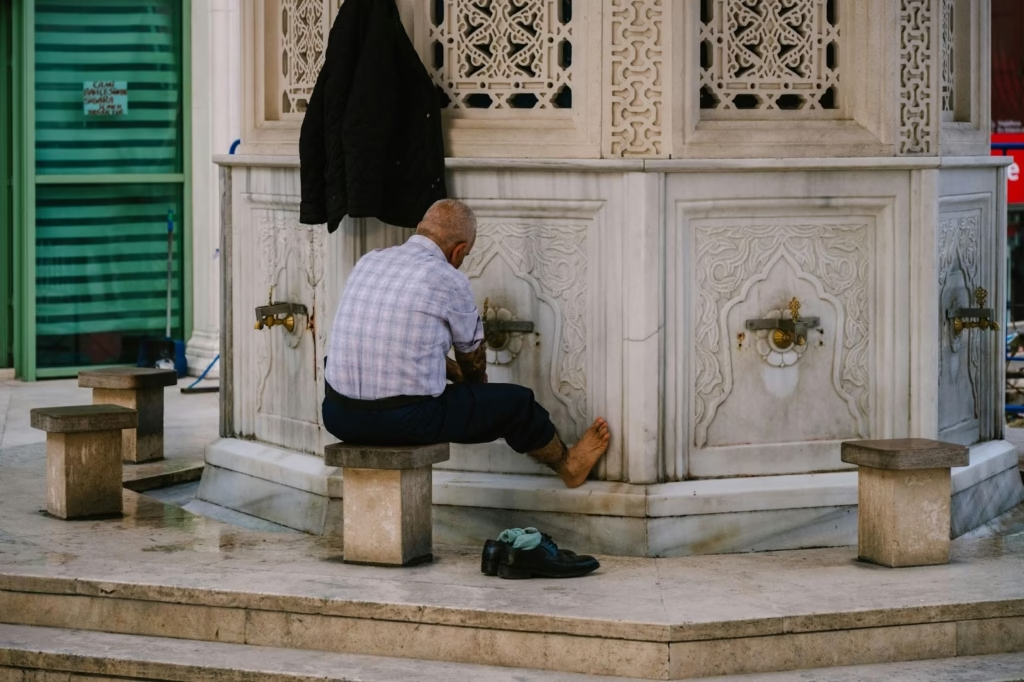
If you are looking for a detailed guide on wudu in public, we have outlined the steps, facilities, and tips for performing wudu.
Step-by-Step Process of Performing Wudu in Public
Wudu performance includes various steps in the shared wudu basins. Follow the steps below for strict preparation for prayers.
Step 1: Make the intention (Niyyah) for wudu
Niyyah is the very first step. Niyyah refers to the intention to perform wudu for purification before prayer. It shows you want to purify yourself and mentally and physically prepare for the prayer.
Step 2: Wash your hands
Begin your wudu by washing your hands. Fingers and palms should be washed thoroughly three times.
Step 3: Rinse the mouth
Take a small amount of water in your right hand and swish it around in your mouth. Spit out after and repeat this process three times, like the hands.
Step 4: Clean the nose
This step is similar to the above. Take a small amount of water and gently inhale it into the nose. Use your left hand to move water out. You must repeat this process three times.
Step 5: Wash the face
Washing your face is a careful technique. Water should wash:
- From the forehead to the chin
- From one ear to the other
You should repeat it three times.
Step 6: Wash the arms
Start washing arms with the right arm up to the elbow. Do this three times.
Step 7: Wipe the head (Masah)
Wet your hands in these steps.
- Place wet hands at the front of the head
- Move them toward the back
- Bring them forward again
Step 8: Clean the ears
With your wet hands, you should clean the ears. Proper technique is:
- Using the index fingers to wipe inside the ears
- Using the thumbs to wipe behind the ears
Step 9: Wash the feet
Finally, wash the feet. Pass the water through your fingers and thoroughly wash your feet three times.
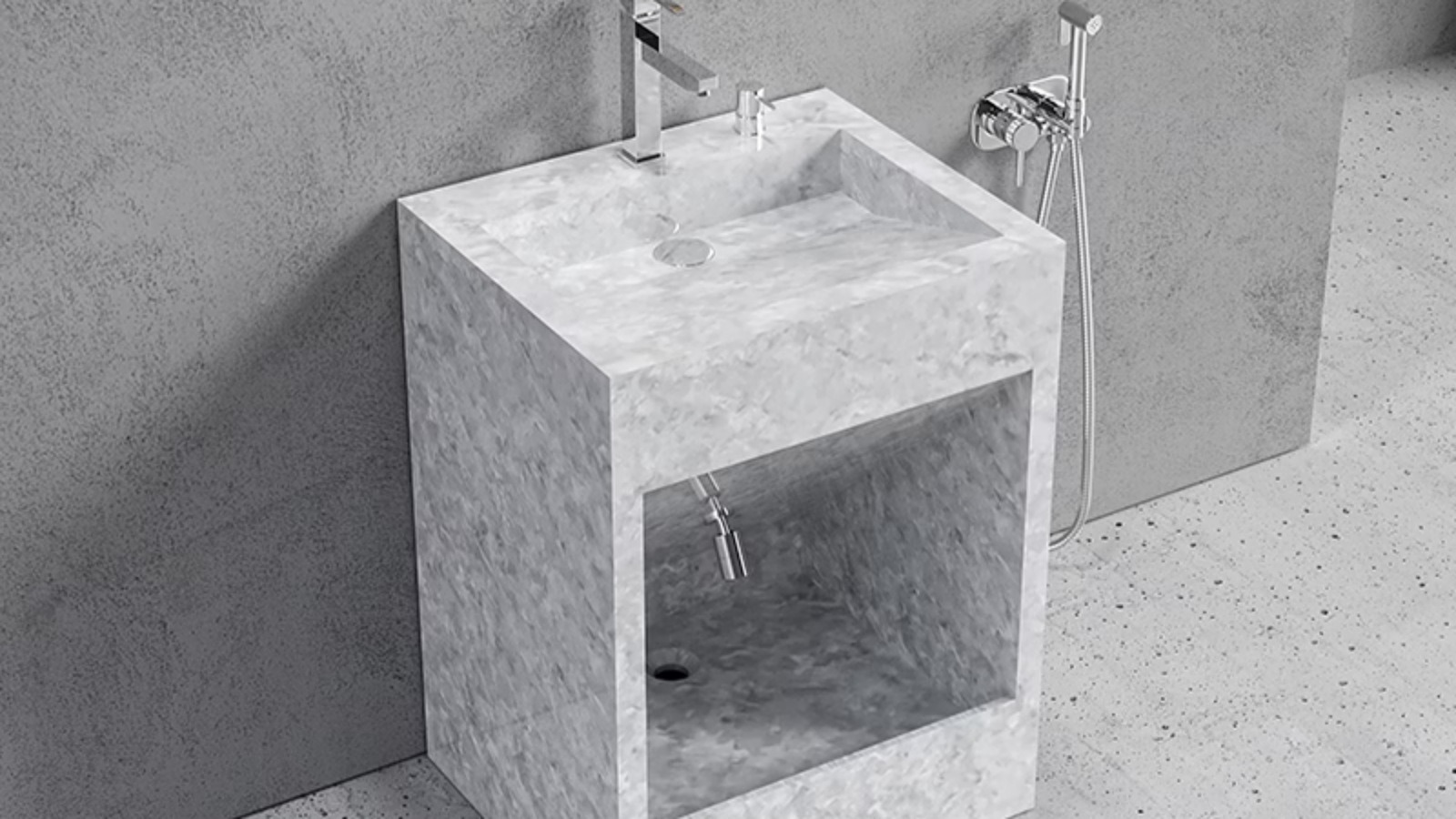
How Public Facilities Support Wudu
Public facilities have wudu areas and quality wudu basins in large mosques. Common options include:
Dedicated wudu or ablution stations
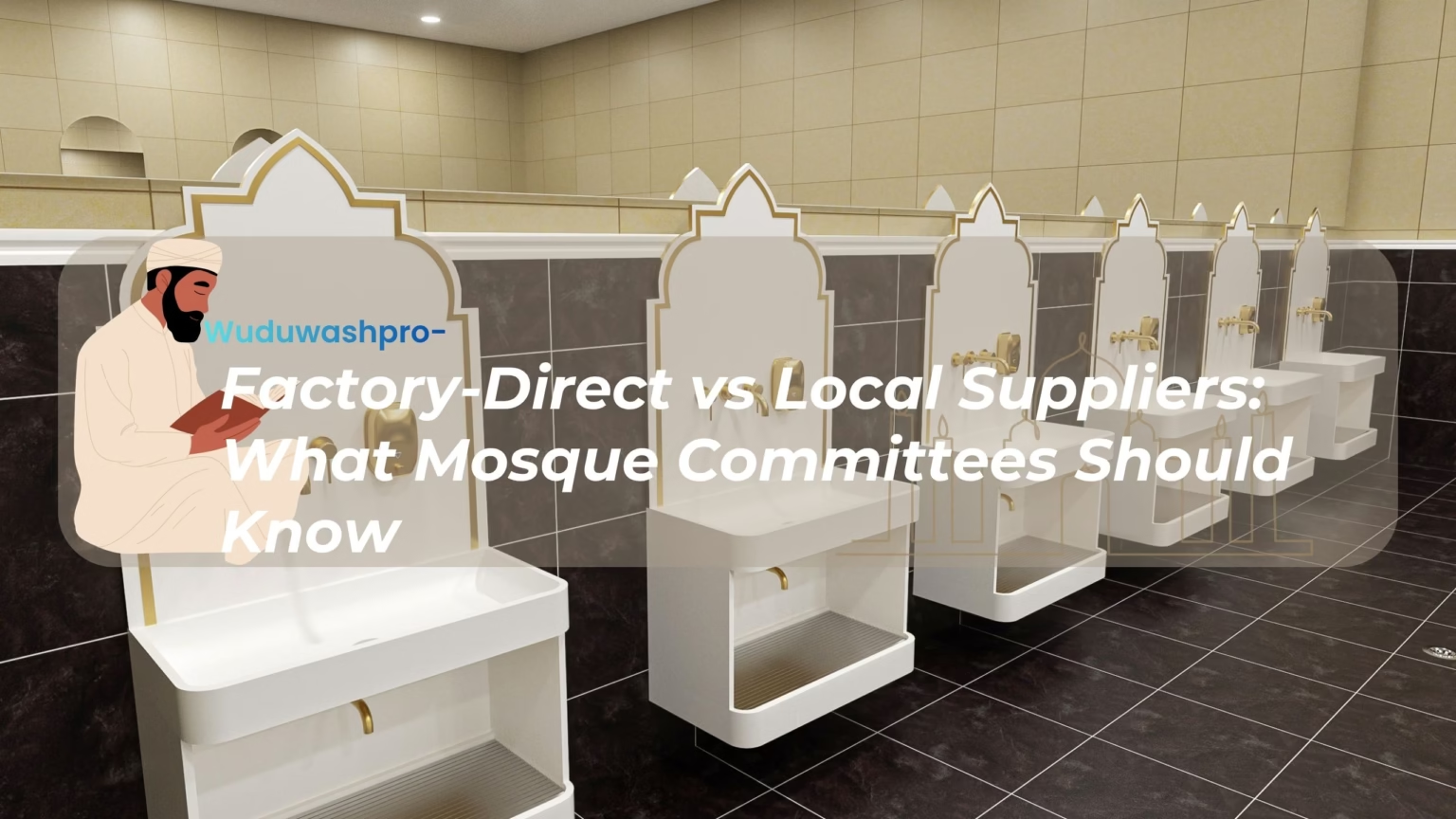
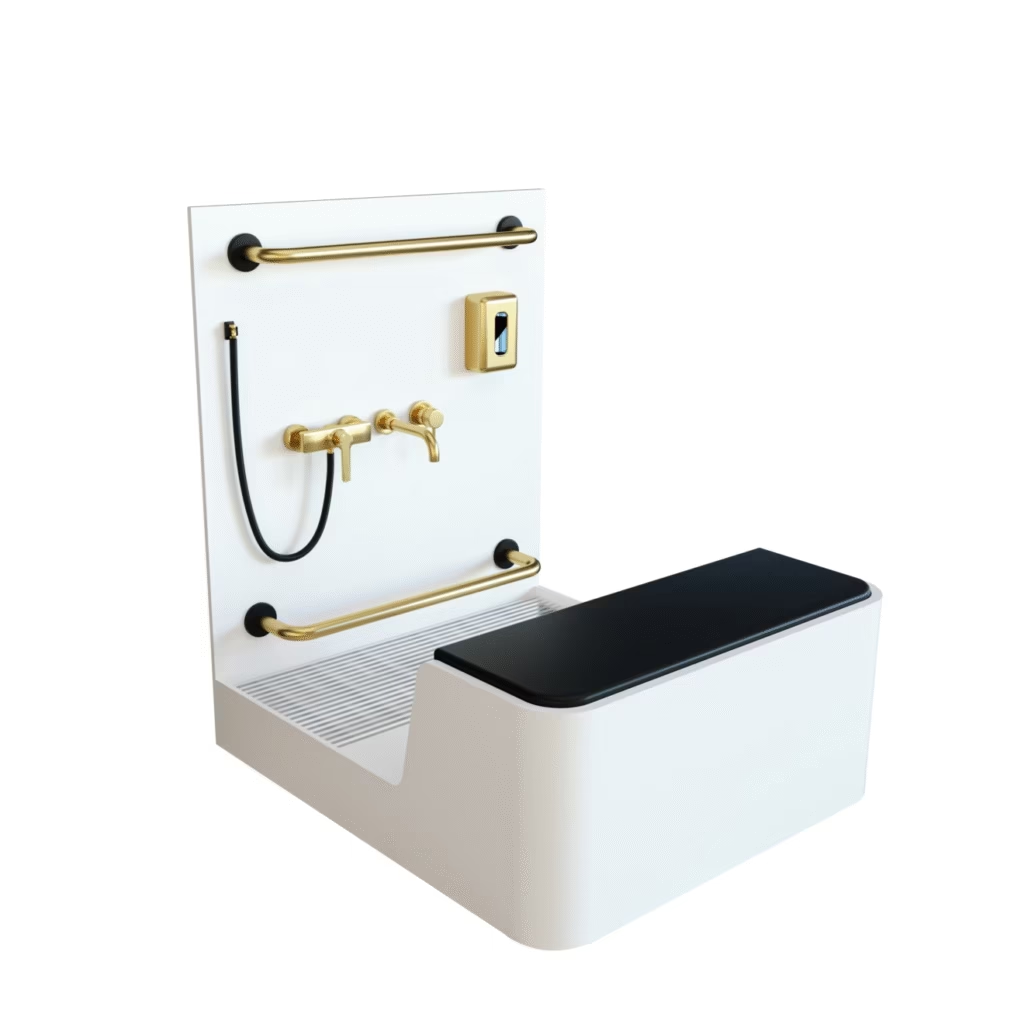
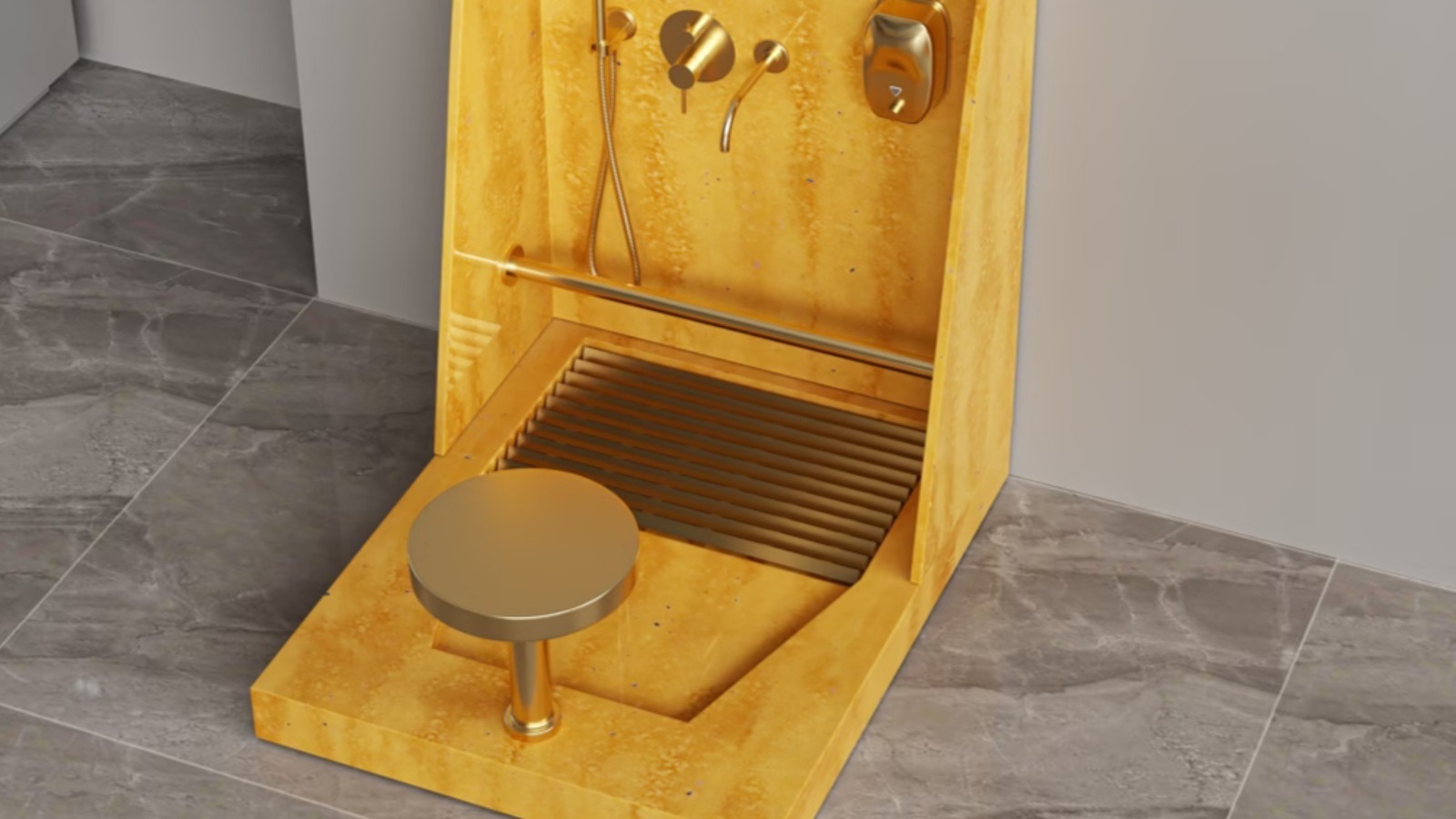
Dedicated wudu stations are designed to support multiple users simultaneously. In large mosques, these stations often include several basins arranged in rows with integrated seating, foot-washing access, and floor drainage systems. These wudu areas have:
- Multiple washing areas to handle multiple worshippers simultaneously.
- Comfortable seating increases ease.
- Foot washing access
- Proper drainage
Comfortable seating for washing
Washing feet often requires a balanced support. Comfortable seating is the best option for washing. They allow:
- Maintain balance
- Wash feet comfortably
- Avoid bending excessively
Availability of low-level taps
Compared to standard washrooms, dedicated high-quality wudu basins have low-level taps. These allow users to:
- Wash feet without lifting them high.
- Avoid water spilling outside the basin.
- Maintain better control during washing.
Drainage systems
Dedicated wudu basins are planned to handle large volumes of water. Their sloped floor design and high-capacity drains reduce water accumulation and maintain the quality of the drainage systems.
Accessibility features for elderly or disabled users
Elderly and disabled users have special accessibility features, such as:
- Handrails
- Adjustable seating
- Wider spaces for movement
- Non-slip flooring
Hygiene Considerations in Public Wudu Areas
Public areas are more prone to contamination. A careful wudu approach can get you a hygienic environment. A few tips include:
Prevent water splashing
Excessive splash can spread water beyond the wash area and create slippery floors. It can cause unnecessary falls and injure other people.
For cleanliness, perform wudu carefully using the following tips.
- Use gentle water flow to avoid splashes.
- Wash slowly and carefully so it drains into the basin or sink, rather than splashing onto the floor.
Maximize water flow to drainage areas
Drainage systems of wudu basins are excellent in public places. But irresponsible washing can divert water flow away from the dependent areas.
Good practices for the water flow include:
- Streamline the flow of water toward the drains. Avoid splashing it excessively.
- Blockage of the drainage systems is a big hassle. You should avoid dropping solid waste to avoid drain blocks.
- Soap or other materials are major culprits for acute block. You should stop soap dispensers after using them.
Be respectful to others
In public mosques, traffic is at its peak. You might have to wait in the queue or let others wait after your wudu.
As a respectable member, you should:
- Utilize the wudu time and do it properly. Don’t waste time and be quick in wudu performance.
- Prevent unnecessary delays and perform your wudu efficiently.
Responsible water use
Islamic teachings recommend maintaining cleanliness, but also place the responsibility on worshippers to reduce waste. It applies to water usage during wudu.
Responsible water practices include:
- You should utilize the water sources but don’t waste them.
- Maintain the facility’s cleanliness and avoid foot contaminations.
- Sustainable and proper water flow are excellent practices for the public wudu areas.
Public vs Home Wudu Areas: How are They Different?
Public wudu areas present a different scene compared to the residential wudu spaces. There are various differences between both wudu experiences.
Areas and Privacy
At home, wudu areas are small but you get the full privacy to perform your wudu. If you have high-end luxury basins, you get a more comfortable wash.
On the other hand, public spaces have large wudu spaces but with the least privacy facilities. You must perform wudu in shared spaces and be mindful of others.
Available Space and Design
Home areas have compact space. Therefore, you must limit installation to one or two compact wudu basins.
Public spaces have dedicated wudu areas. A series of wudu stations serves worshippers at such places and reduces the wudu time. Many worshippers get wudu simultaneously.
Water usage and accessibility
At home, absence of crowding reduces water consumption. Moreover, exclusive designs increase the accessibility of the wudu basins.
Public spaces get more traffic stress and are designed to handle higher water volumes. Shared spaces, taps, and foot-washing taps might be placed differently.
Waiting time or shared use
Home wudu sinks have a limited use. There is no queue unless traffic is high or multiple members try to perform wudu at the same time.
In contrast, public spaces are shared. Worshippers might have to wait for the wudu basins to get free.
Hygiene management
Home wudu basins serve a few family members and handle low water volumes. Sudden surges can disrupt hygiene; otherwise, it is a very hygienic system.
In comparison, public spaces maintain hygiene through proper water management. However, irresponsible user behavior can compromise hygiene.
Importance of Proper Wudu Facilities
Proper wudu facilities are very effective for the following purposes.
Supports Proper Ablution
Muslims have to perform wudu before their prayers. Wudu basins and areas help accomplish it.
Improves hygiene and cleanliness
Wudu areas feature efficient drainage and sloped flooring. All the water passes through high-capacity drains, reducing the risk of contamination. Therefore, hygiene goals are achieved.
Enhances accessibility and safety for users
Elderly and disabled users have accessibility features, such as seated systems and handrails. It ensures their safety during foot washing and provides a safe environment for wudu.
Handles high traffic
Public spaces receive more traffic compared to general wudu facilities. Friday and Eid prayers bring in even more users than the daily average. Wudu areas can handle high traffic and water volume with multiple wudu stations and seating systems. It helps maintain decorum and provides essential wudu facilities.
FAQs
- Do public places have specialized wudu areas and sink systems?
Yes. Many mosques and public facilities have dedicated wudu sinks. They feature lower taps, seating areas, and proper drainage to accommodate the public.
- How should Muslims maintain hygiene while using public wudu areas?
Responsible behavior ensures a safe wudu in public places. For example, using water carefully, avoiding splashing, keeping the area clean, and respecting shared facilities can help maintain hygiene.
- What to do in case no dedicated wudu facility is available?
If no dedicated wudu facility is available, regular washrooms with their sinks can be used. However, you should maintain the purity and follow all steps of wudu properly.
- Can I perform wudu in a regular bathroom sink?
Yes. But regular bathrooms cause more water splashes and compromise hygiene. Moreover, they have heightened basins and faucets. So, it is challenging to perform wudu.
- Do wudu areas have accessibility for disabled people?
Yes, 100%. Dedicated wudu areas have handrails and seating systems to accommodate people with disabilities.
Conclusion
Many Muslims perform wudu in commercial spaces, such as universities, mosques, or prayer centres. However, there should be proper wudu areas and stations to ensure proper wudu and a clean experience. Compared to standard washrooms, wudu areas are much more comfortable and durable when of high quality.
Modern public wudu facilities are designed to support hygiene, safety, and efficient water management. Companies such as WuduWashPro work with architects and mosque committees to design basin systems that support these operational needs.