Introduction
Public areas and mosques receive a variety of traffic. From business owners to the mechanics, all types of people visit the mosque. It causes a high foot traffic and compromises the security and health of the worshippers.
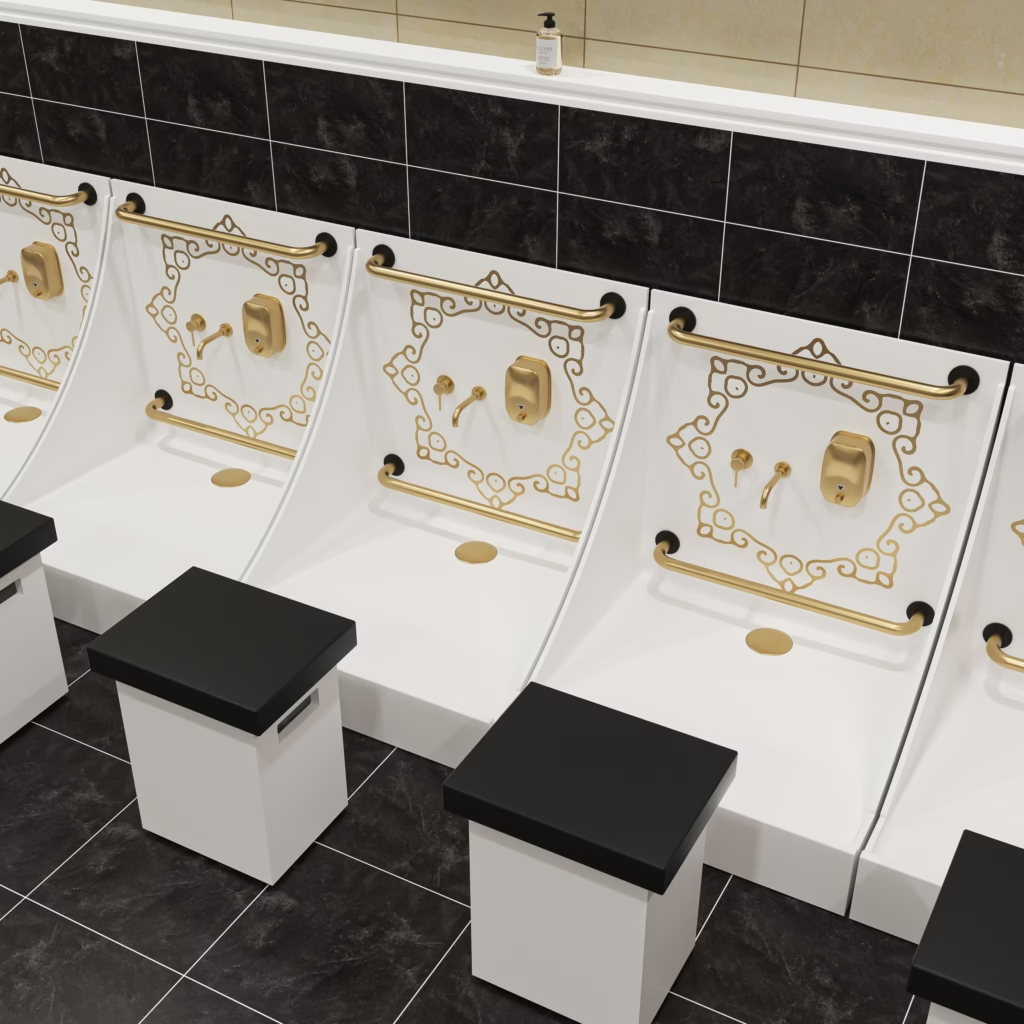
To tackle this, regular cleaning and maintenance is necessary. However, cleaning requires a non-porous material with easy clean wudu basin structure that doesn’t let the bacteria or algae buildup.
Such non-porous wudu basins facilitate easy cleaning, washing, and hygiene for worshippers. Today, we will elaborate on easy-clean wudu basins and explain how they help maintain your mosque’s hygiene and reduce maintenance costs.
What “Easy Clean Wudu Basin” Really Means
The term ‘easy-clean wudu basin’ is not a single-meaning term. Instead, it is a comprehensive range of features of non-porous wudu basins. The four key features include:
Low cleaning frequency
Mosques receive higher foot traffic and more cleaning challenges. However, easy-clean wudu basins resist dust and dirt penetration and help prevent bacterial contamination. Therefore, cleaning is less frequently required.
Minimal stain and residue buildup
A few low-quality materials retain moisture and allow residue to build up. In easy-clean wudu basins, the surface is polished and resists stains easily. It also resists the residue buildup.
Resistance to odors and bacteria
Bacterial contamination is harmful to human health. Moreover, they emit odors that increase contamination and affect user comfort. Easy clean wudu basins also remove bacteria and prevent odors. They maintain a hygienic environment.
Quick cleaning with basic tools
Easy-clean wudu basins require only basic cleaning tools. There is no need for aggressive cleaning or chemicals.
What Actually Reduces Maintenance?
If you want to reduce the maintenance hassles and need a better cleaning, you should focus on the following four factors.
Material
Material is one of the most critical factors for maintenance. If it is non-porous and doesn’t retain bacterial buildup, cleaning is faster, easier, and more efficient. With reduced maintenance, you get reduced cleaning frequency as well.
Design
Design is the second most crucial factor that must be executed efficiently. Based on the public wudu areas, deploy feasible designs with proper drainage systems and sloped floors for water maintenance and easy cleaning. It reduces maintenance efficiently.
Drainage
Without a proper drainage system, water accumulation occurs that has long-term damaging effects on your mosque infrastructure. To reduce maintenance, you should consider drainage challenges and maintain the water flow.
Why Does Cleaning Hygienic Ablution Basins Matter?
Poorly maintained wudu basins compromise hygiene and bring more harmful health effects. Regular cleaning of a hygienic ablution basin improves overall hygiene. A few conditions help understand why cleaning is necessary.
Maintains a clean and respectful environment
Regular cleaning removes the dust and contaminants from the sinks. The users feel more confident while performing their wudu. It increases user comfort and creates a respectful environment.
Prevents buildup of bacteria, mold, and unpleasant odors
All types of on-porous wudu basins develop unpleasant odors and bacterial buildup on the surface unless you clean them. Regular cleaning can maintain hygiene.
Reduces risk of slips and water-related hazards
Water accumulation makes the floors slippery in public hygiene wudu areas. Efficient cleaning can remove the accessory water and improve the grip of feet on floors. It also reduces the water-related hazards.
Extends the lifespan of wudu basins
Wudu basins require a clean environment to last longer—accumulated water seeps into the material, damaging it and reducing its lifespan. Regular cleaning reduces this risk and improves the overall lifespan of the wudu basin.
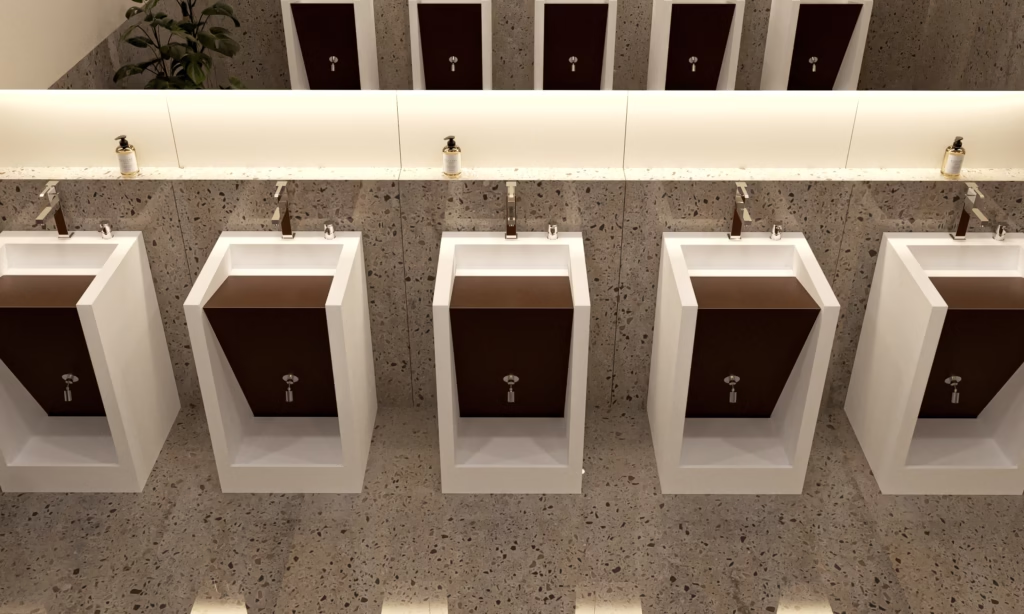
Real-World Scenarios
Selection of the right material and design can reduce the maintenance hassles. However, the opposite occurs when you choose the wrong material.
For example:
Scenario 1: Porous Materials
Porous materials are inefficient for cleaning purposes. It is because they have small pores where bacteria and algae build up. Moreover, dust particles get trapped into such pores, causing cleaning challenges. In the long run, you have to continuously maintain your wudu basins until they deteriorate due to internal water seeping and structural damage.
Scenario 2: Poor Design and Multiple Joints
Poor Design causes water accumulation and improper drainage. The more water resides on your floors, the more it impacts your floor tiles. Multiple Joints retain space and cause dirt accumulation. Such designs require effortful maintenance in the long run.
Top Quality Material Selection That Reduces Maintenance
Material selection matters a lot for hygiene and reduces maintenance.
Stainless steel
Stainless steel is a sturdy material with a non-porous surface. It removes the bacterial or mold buildup and improves the cleaning:
- Steel is non-porous and highly resistant to bacterial buildup, improving hygiene.
- It does not absorb water, odors, or stains.
- You can easily wipe out the surface water or dust with minimal effort.
High-quality ceramic
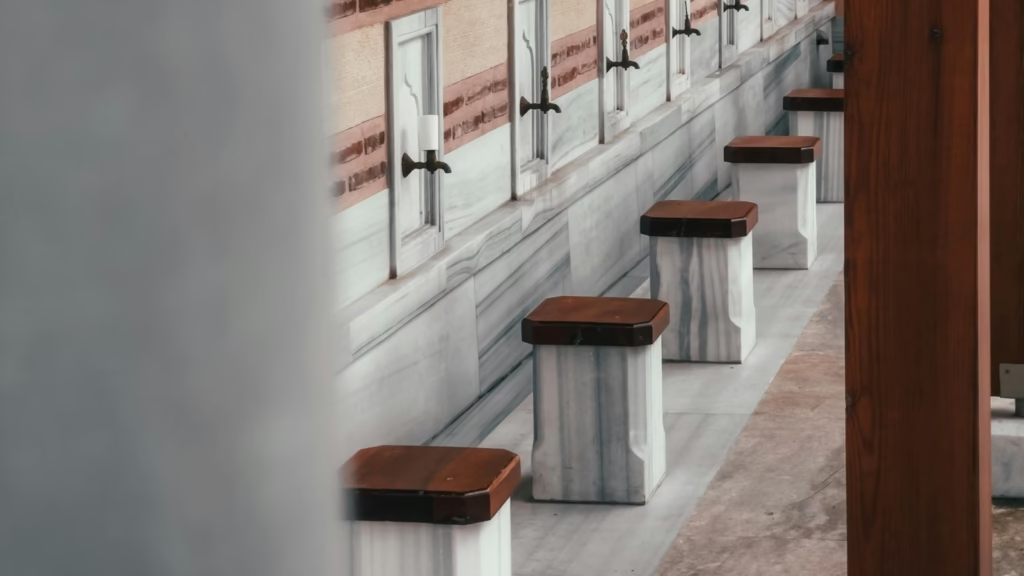
Ceramic is a traditional material that has been used for decades in the wudu. Its surface cleaning and bacterial buildup depend on the surface finish. However, it has the following high-quality features for wudu basins.
- The polished surface resists staining and improves the appearance.
- Commonly used and easy to clean wudu basin.
- It is affordable and widely available compared to other materials.
Solid surface non-porous wudu basin materials
Solid surface non-porous materials are among the most well-known for their superior hygiene and durability.
They have features like:
- Seamless construction reduces dirt-trapping joints
- Non-porous, preventing bacterial growth
- Modern aesthetic with strong durability
Which Material is the Best?
When choosing a single material, you have to consider your applications and make a suitable choice.
- High traffic mosque
For high traffic mosques, the usage is pretty high. Solid surface non-porous wudu basins are the ideal choices because of easier cleaning and better durability under these stress conditions.
- Small to medium traffic mosques
If your mosque receives small to medium traffic, stainless steel is the second best option choice after the solid surface non-porous wudu basins. It offers a good cleaning, better luster, and sturdy design for your mosque.
- Residential wudu basins
For occasional and residential wudu basins, you can check on ceramic wudu basins. They are affordable, provide a polished look, and suitable for home usage.
How Does Surface Finish and Coating Impact?
Affordable residential wudu basins made of ceramic materials can be efficient to clean, depending on the surface finish. The overview of different surface finishes is as follows:
Anti-stain coatings reduce dirt buildup.
Stains leave blemishes on the wudu basin surface and degrade its durability over time. Anti-stain coatings prevent grime and soap residues. Dirt buildup chances drop exponentially.
Smooth surfaces are easier to wipe than textured ones.
Textured, uneven surfaces trap small dust particles. On the other hand, an excellent surface finish offers a smooth surface. It is easier to remove dust particles.
Scratch-resistant finishes maintain cleanliness.
A scratch-resistant finish is ideal if you don’t want unnecessary scratches and dust buildup in these areas. These surface finishes improve cleaning and maintain hygiene.
Key Design Features That Minimize Cleaning Effort
Non-porous wudu basins have to deal with water continuously. Efficient cleaning depends largely on the design features given below.
Sloped surfaces
Uneven surfaces accumulate water and, over time, cause damage to the floor. A sloped surface is the solution and has the following benefits.
- Water flows directly through the drainage pipes.
- There is proper water flow and reduced pooling or residue formation.
- It also reduces mineral buildup and reduces cleaning efforts.
Rounded edges
Sharp corners of the non-porous wudu basin can collect dust. However, rounded edges reduce dust trapping and improve the overall cleaning efforts through:
- Remove the corners and dust spots.
- Wiping out the dust is easier.
- Improve the overall hygiene of the public hygiene wudu areas.
Splash-minimizing shapes
Water splashes out of the wudu basins when washing feet or face. It causes water to spread across floors, compromising safety and hygiene. To tackle this issue, you should consider wudu basin designs. Install splash minimizing shapes as they:
- Reduce splashing and water accumulation on floors.
- User hygiene and safety are improved.
- There are very few cleaning efforts for the adjacent area.
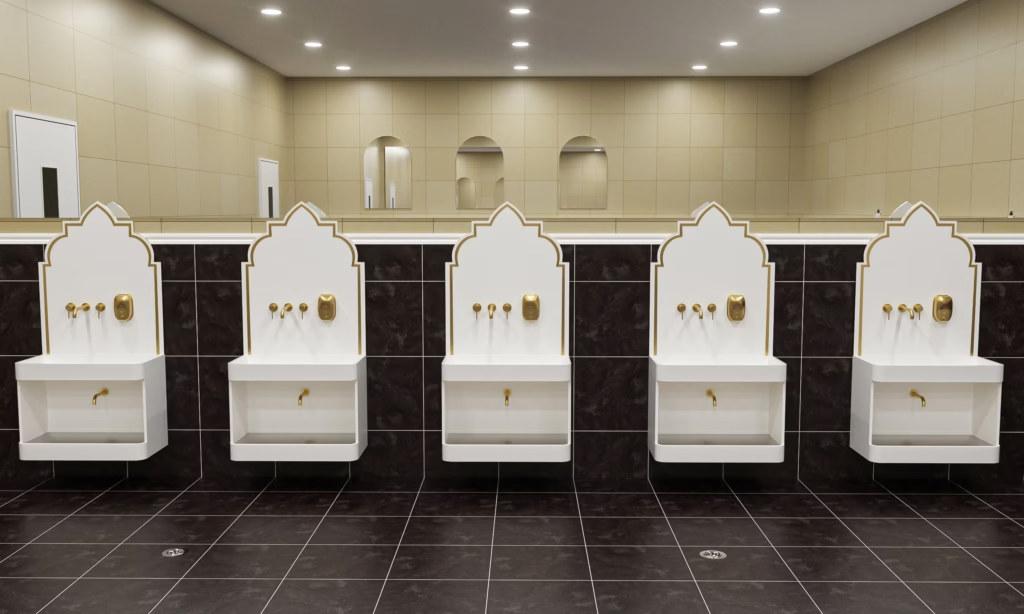
Wall-mounted designs
Wall-mounted wudu basins are installed directly on the walls. They maintain the water flow and reduce cleaning efforts with the following benefits:
- Frees up floor space for easier cleaning
- Prevents dirt accumulation underneath
- Improves accessibility for maintenance staff
How to Choose the Right Easy Clean Wudu Basin for Public Hygiene Wudu Area
Public wudu areas are under greater stress than residential wudu basins. It is due to continuous traffic and a variety of people visiting the mosques for prayer. Choosing the right easy-clean wudu basin helps reduce cleaning efforts and provides long-term durability.
Follow the tips below.
Consider non-porous, durable materials.
Non-porous wudu basins have less tendency to bacterial or dust buildup. They retain all particles on the surface, preventing damage to internal components. Water can’t seep through such surfaces, providing a durable wudu structure.
Evaluate design
When choosing an easy-clean wudu basin, consider different types, such as wall- or floor-mounted. Moreover, you must prepare proper sketches of the sloped floors and drainage lines to avoid water stagnation and maintain water flow. An effective design saves cost in the long run.
Consider hygiene-enhancing features
A variety of features contribute to a hygienic environment. For example:
- Your wudu basin has a splash-less design with sloped floors in your public hygiene wudu areas.
- Install high-end wudu basins made of solid surface material to wipe away dust particles easily.
- High-capacity drains reduce water accumulation and maintain flow, ensuring better hygiene.
Assess supplier and product reliability.
Before you make a deal with the supplier, contact them and evaluate the deal comprehensively. Understand the variety of wudu basins they offer and the services you get. Also consider experience and reputation regarding your wudu basin projects.
FAQs
- What is the best material for an easy-clean wudu basin?
Best materials include stainless steel or solid-surface materials that resist dust buildup and make cleaning easier.
- How often should wudu basins be cleaned in busy mosques?
High-traffic mosques experience peak traffic five times a day. You should clean the hygiene ablution basins daily after the peak times. However, these offer a less effortful cleaning cycle.
- Do sensor taps really reduce maintenance?
Yes. Sensor taps streamline the cleaning process by offering multiple hygienic features. They significantly reduce water spillage, minimize touchpoints, and create a cleaner environment.
- Are stainless steel basins better for hygiene than ceramic?
Stainless steel hygiene ablution basins have a sturdy surface that resists corrosion and dirt. They are good enough for the public hygiene wudu areas.
- What design features prevent water pooling in wudu areas?
There are different features, such as sloped surfaces, efficient drainage systems, and splash-minimizing basin shapes. These reduce water pooling and ensure water flow.
Conclusion
Whenever choosing an easy clean wudu basin, you should focus on the quality of materials and ensure a proper drainage system. Easy-clean hygiene ablution basins are an essential component of public wudu areas. They minimize contamination risk, reduce overall maintenance requirements, and offer a long-term solution for your wudu areas. Solid surface wudu materials offer easy cleaning and provide a hygienic environment in public hygiene wudu areas.
If planning hygienic wudu basins, get help from experts regarding suitable materials and feasible designs. Consult Wudu Wash Pro experts for a wide range of high-quality wudu solutions. Contact us right away!