Introduction
In today’s diverse and inclusive workplaces, providing facilities for Muslim employees to perform wudu (ablution) is more than an accommodation—it’s a sign of respect, inclusion, and well-being. Wudu is a daily practice performed before prayers, and enabling staff to complete it comfortably and hygienically can improve morale, productivity, and create a more harmonious environment. This guide explores the essentials of wudu in the workplace, from understanding its significance to practical steps in designing and maintaining proper facilities.
Understanding the Importance of Wudu at Work
Spiritual and cultural significance
Wudu is an act of purification performed before prayer. For practicing Muslims, the ability to perform it conveniently during the workday is vital for religious observance and peace of mind.
Workplace inclusivity and well-being
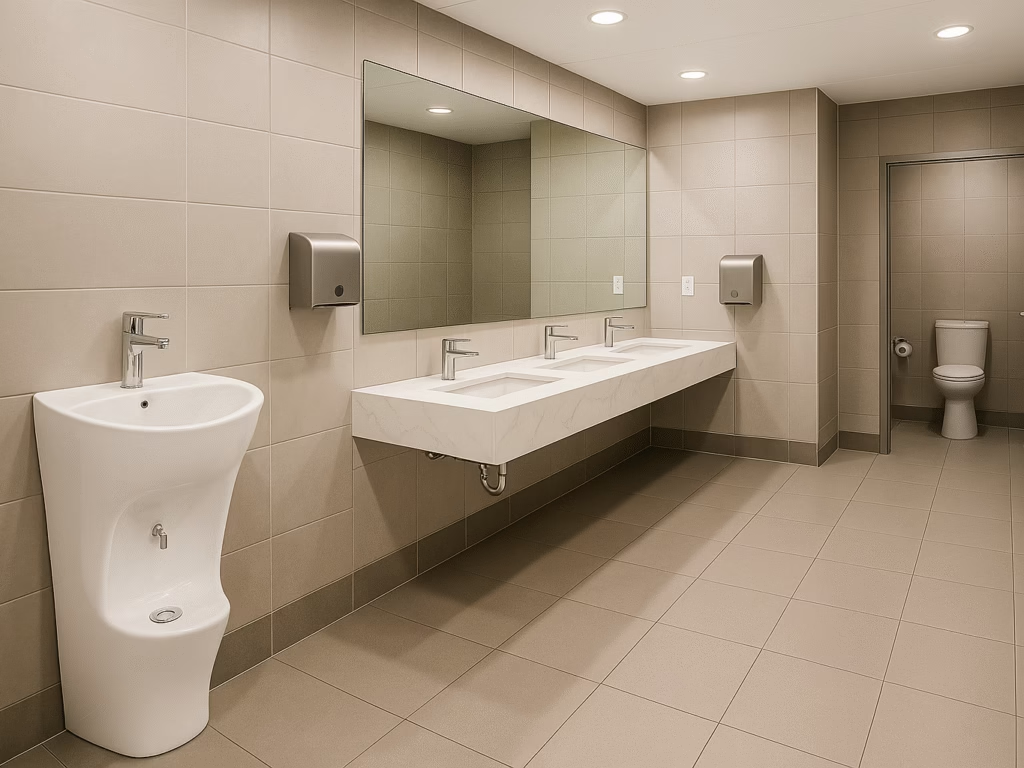
Providing a dedicated wudu area signals cultural sensitivity. It reduces stress for employees who might otherwise have to use unsuitable spaces such as bathroom sinks, which are uncomfortable and can lead to water spills.
Employer benefits
- Boosts employee satisfaction and retention
- Enhances the company’s diversity and inclusion profile
- Prevents disruption by making wudu quicker and safer
For more context on the role of wudu in daily life, see The Importance of Wudu in Daily Muslim Life .
Key Challenges in Workplace Wudu
Lack of dedicated facilities
Employees often have no option but to perform wudu in regular washrooms or kitchens, which can cause inconvenience and discomfort.
Water management
Standard sinks are not designed for wudu, leading to splashing, water waste, and potential slip hazards.
Hygiene concerns
Performing wudu in spaces not designed for it may create unhygienic conditions or cause tension among other employees.
Accessibility
Older or poorly designed spaces may not accommodate employees with limited mobility who also need to perform wudu.
Designing Workplace Wudu Facilities
Location and accessibility
Choose a location close to prayer rooms or quiet areas. Ensure easy access without disrupting other workspaces.
Choosing the right basin
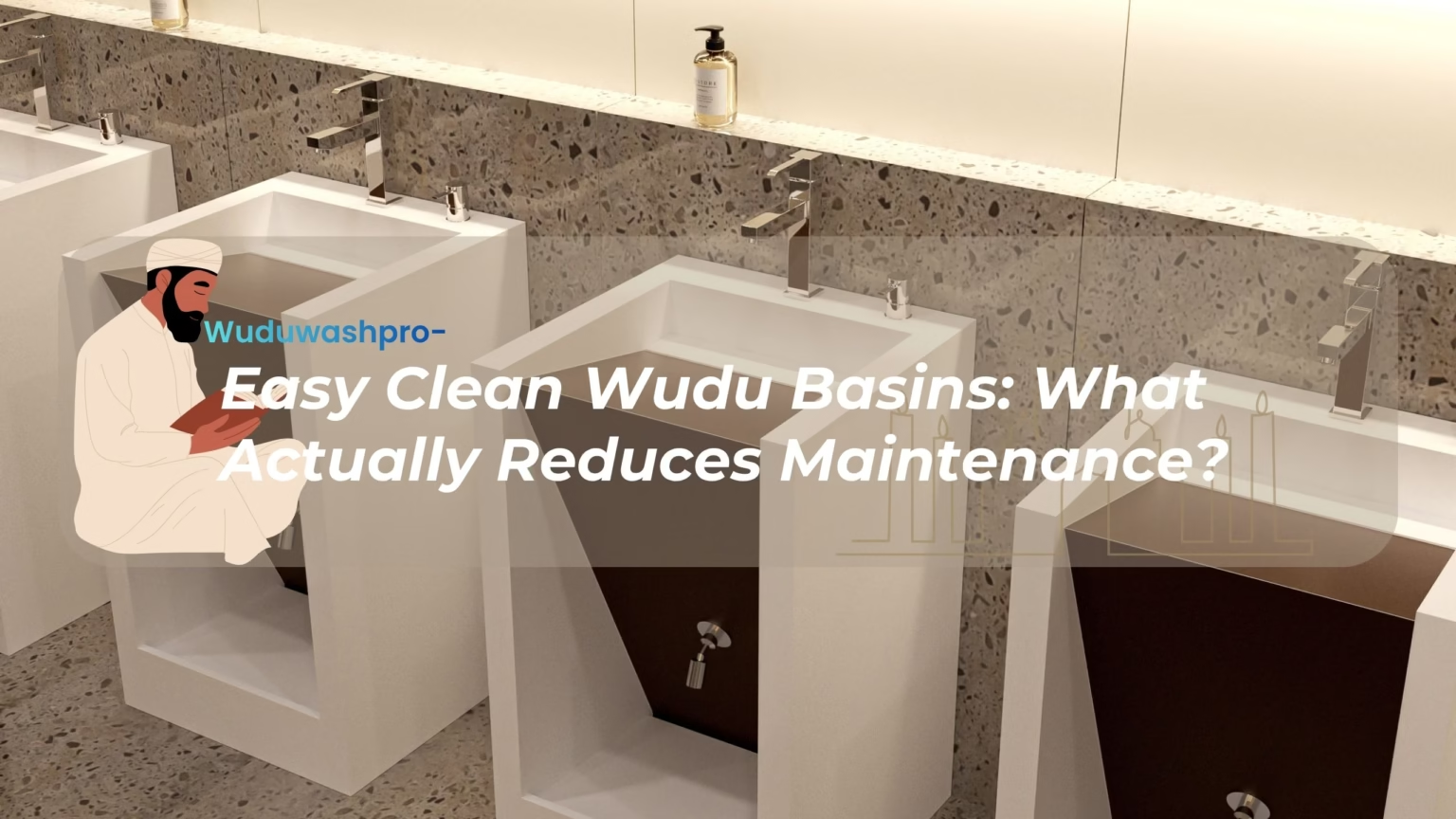
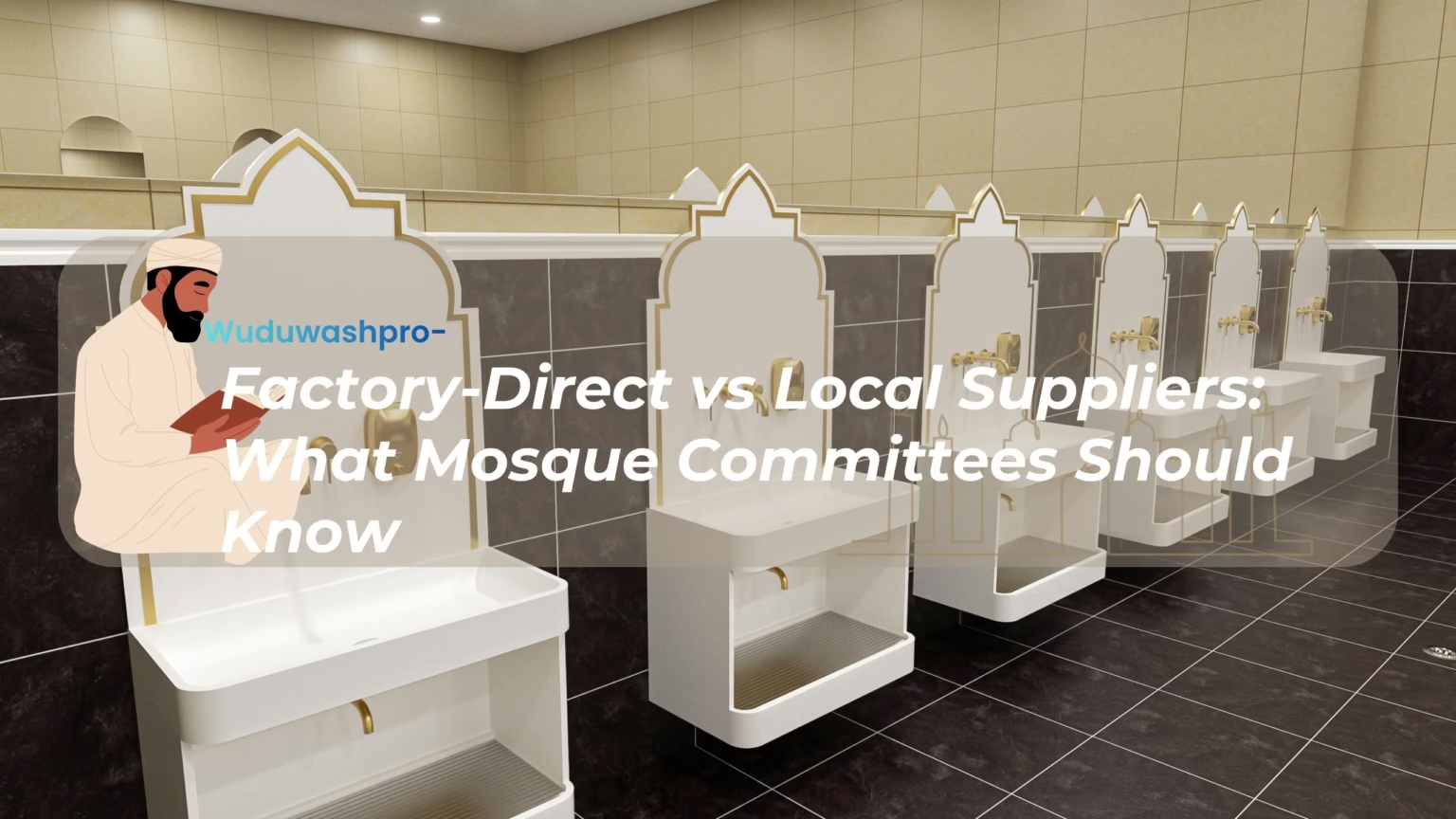
Modern wudu basins are designed to control water flow, reduce splashing, and provide ergonomic seating or standing positions. For a full breakdown of basin options, review How to Choose the Best Wudu Basin for Your Mosque —many of the same principles apply in offices and institutions.
Materials and durability
- Stainless steel: Durable, easy to clean, corrosion-resistant
- Solid surface: Aesthetic, seamless, easy to maintain
Learn more about material choices in Stainless Steel vs. Solid Surface Wudu Basins: Which Is Better?
Safety and water control
Install non-slip flooring, floor drains, and low-flow taps to conserve water. Sensor-activated faucets minimize waste and improve hygiene.
Accessibility features
Provide seating options and ensure at least one wudu station is wheelchair accessible, meeting ADA or local accessibility guidelines.
Best Practices for Employers
Policy and communication
- Clearly mark and communicate the availability of wudu areas
- Ensure policies align with prayer break schedules
- Encourage inclusivity by integrating wudu facilities into general wellness initiatives
Maintenance routines
- Assign regular cleaning staff to ensure hygiene standards are maintained
- Use mild, non-corrosive cleaners appropriate for basin materials
- Check drainage and sealants regularly to prevent leaks and mold
For detailed maintenance advice, see How to Maintain and Clean a Wudu Basin for Long-Term Use.
Employee feedback
Encourage employees to provide input on the usability of the facilities. This ensures continuous improvement and signals genuine care.
Cost Considerations
Installation
The cost depends on location, number of stations, and whether retrofitting is needed. Pre-plumbed modular units may reduce labor.
Long-term savings
Water-saving faucets and durable materials lower utility bills and maintenance costs. Investing in proper design prevents costly repairs later.
Return on investment
Improved employee satisfaction, inclusivity, and brand reputation far outweigh the upfront costs of installation.
Common Mistakes to Avoid
Using regular washroom sinks
This leads to water spills, hygiene concerns, and potential complaints from other employees.
Neglecting drainage
Improper drainage causes puddles, mold, and safety hazards.
Overlooking accessibility
Not providing facilities for all employees undermines inclusivity efforts.
Ignoring design aesthetics
A poorly designed space feels unwelcoming. Modern basins and clean finishes create a more professional environment.
Case Studies and Examples
- Corporate offices: Many large organizations have installed dedicated prayer and wudu rooms as part of their diversity initiatives.
- Universities and hospitals: Institutions with diverse populations benefit from installing multi-user wudu stations to accommodate higher demand.
- Small businesses: Even one compact wudu basin can greatly improve employee satisfaction in smaller workspaces.
Conclusion
Creating proper wudu facilities in the workplace is not only a religious accommodation but a strategic investment in inclusivity and employee well-being. With the right planning, basins, and policies, companies can support their Muslim staff, reduce workplace tension, and enhance their reputation as culturally aware employers.
For contractors and facility managers planning workplace installations, see Step-by-Step Wudu Basin Installation Guide for Contractors.
FAQ
Q1: Why is it important to provide wudu facilities in the workplace?
Providing wudu facilities supports Muslim employees in practicing their faith, improves inclusivity, and enhances overall employee satisfaction.
Q2: Can a regular washroom sink be used for wudu at work?
While possible, regular sinks are not ideal. They cause splashing, water waste, and hygiene concerns. Dedicated wudu basins are designed specifically for ablution and are safer and more efficient.
Q3: How much space is needed for a workplace wudu area?
It depends on the number of employees. Small businesses may need only one compact basin, while larger companies or institutions may require multi-station wudu areas with good drainage and ventilation.
Q4: What materials are best for workplace wudu basins?
Stainless steel is durable and cost-effective, while solid surface basins provide seamless, hygienic, and modern designs. The choice depends on budget, design goals, and maintenance needs.
Q5: How can employers ensure accessibility in workplace wudu areas?
Employers should provide multi-height basins, seating options, and wheelchair-accessible stations. Following local accessibility standards (such as ADA guidelines) ensures inclusivity.
Q6: Is it expensive to install wudu facilities at work?
Costs vary, but modular or compact wudu basins make installation affordable. Long-term savings in water efficiency and employee satisfaction often outweigh upfront investment.
Q7: How should wudu areas in offices be maintained?
Regular cleaning, proper drainage checks, and use of mild cleaning products maintain hygiene. Employers should schedule frequent inspections to avoid leaks, odors, or mold buildup.