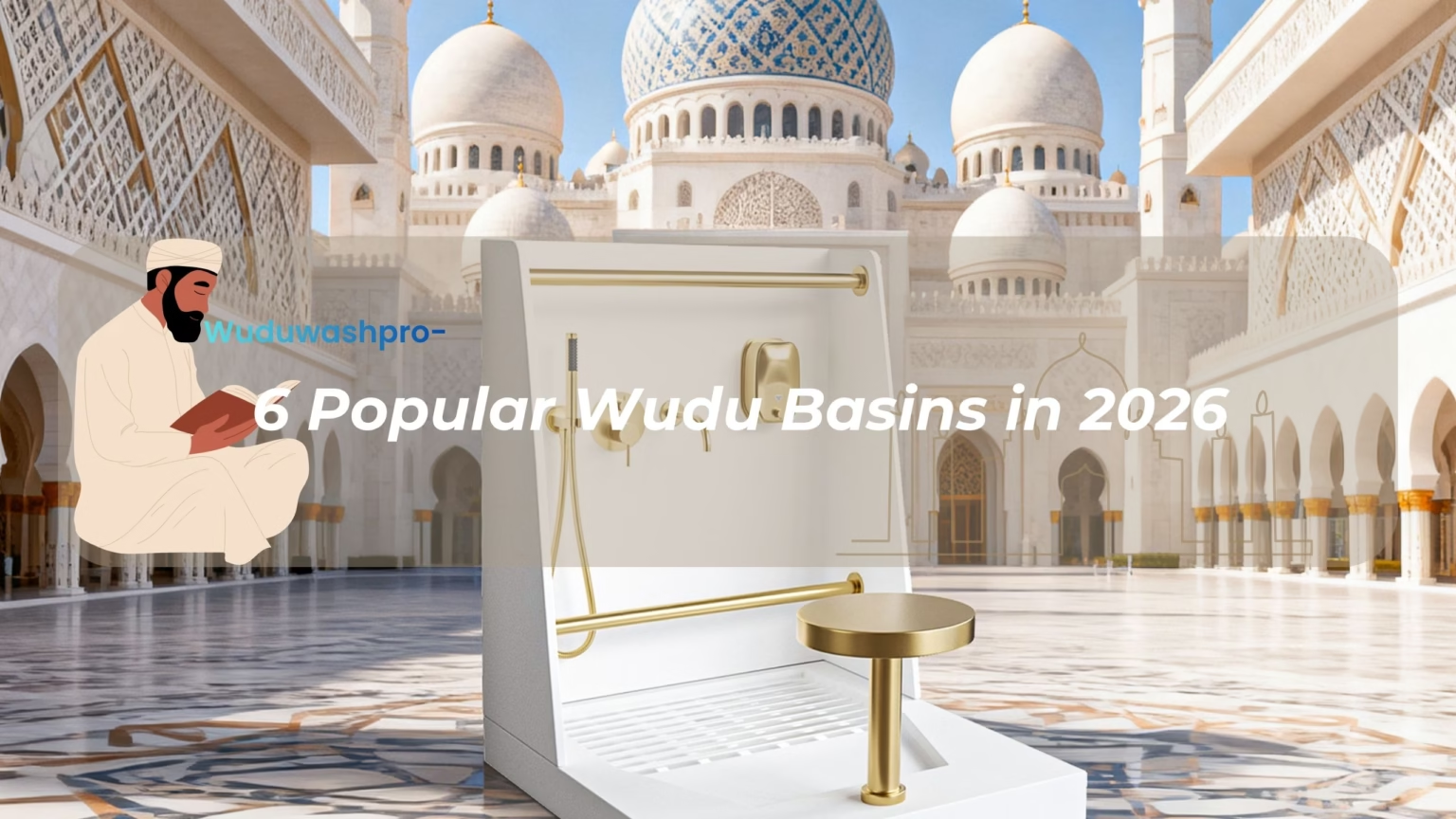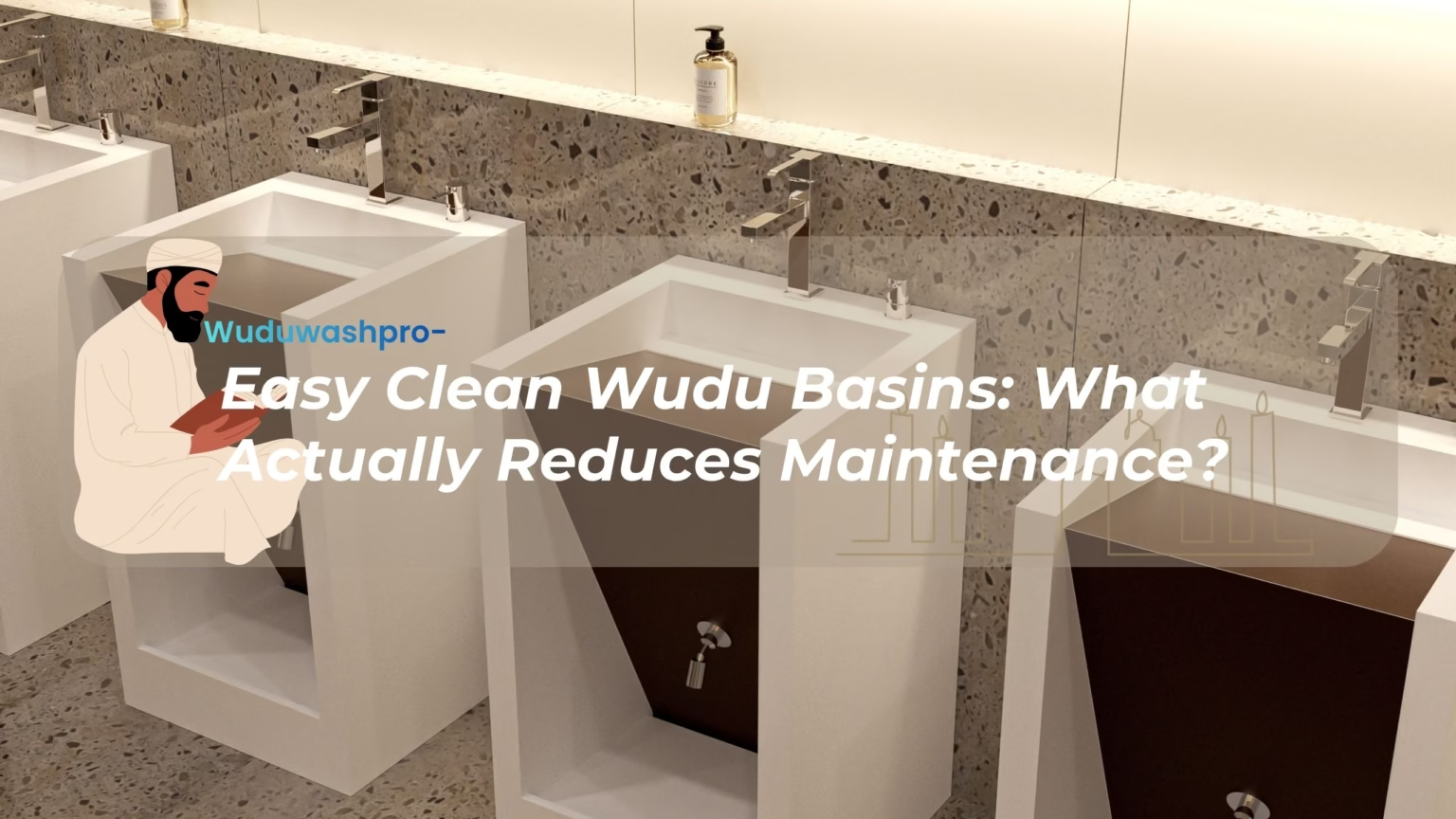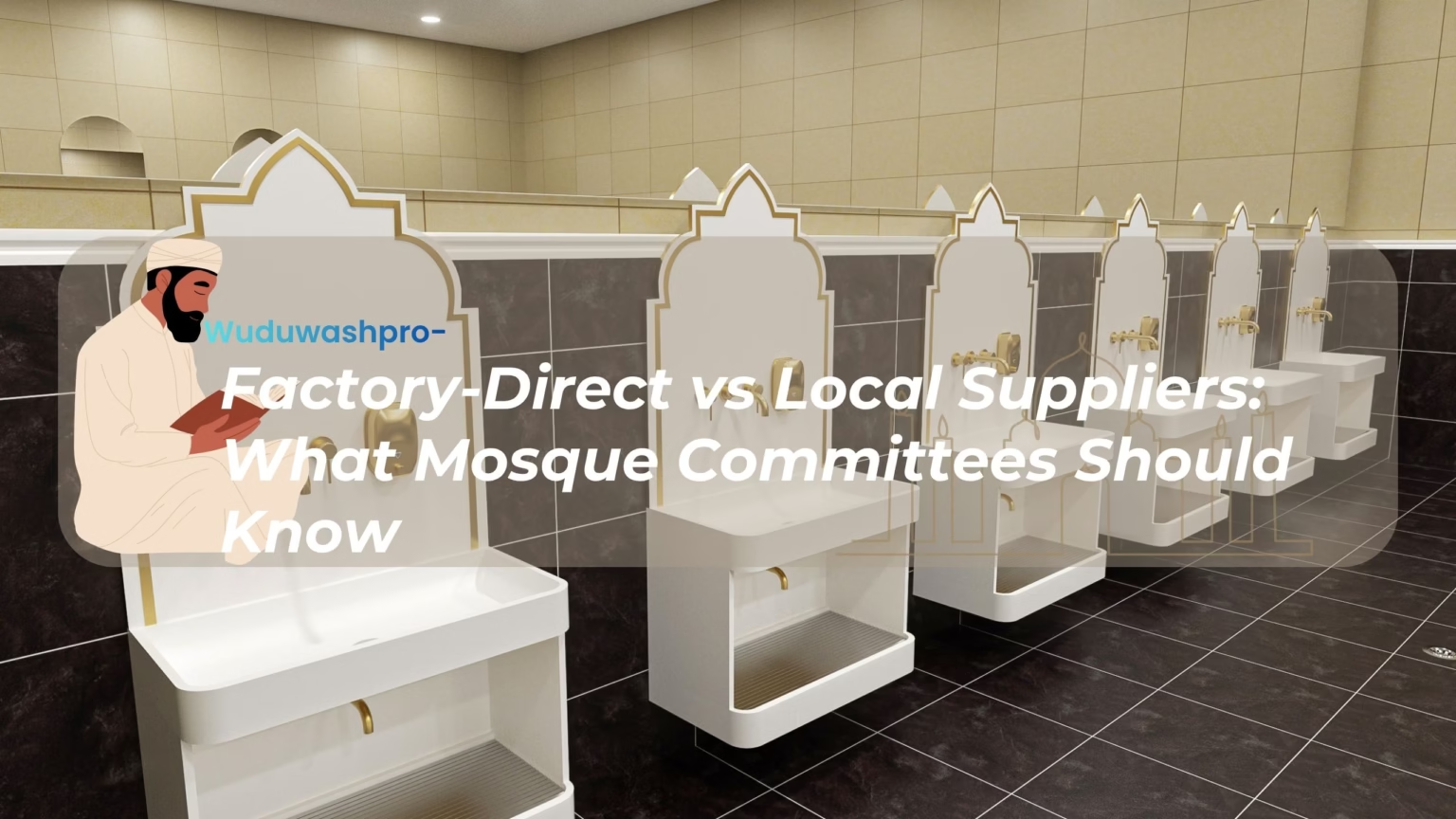
The design of ablution areas has always been centered on functionality—ensuring cleanliness, efficiency, and ease of use for worshippers. For centuries, the ablution sink (wudu basin) was a purely practical fixture, created to serve the essential ritual of washing before prayers. But as architecture, materials, and user expectations evolved, ablution sinks began to embody not only functionality but also aesthetics, cultural symbolism, and modern innovation.
Today, designers, architects, and religious communities are reimagining the ablution sink as a space-defining element that enhances both spiritual and architectural experiences.
The Traditional Functional Role of Ablution Sinks
Historically, ablution sinks were simple, durable, and designed to meet one goal: facilitate ritual washing. Classic sinks were often:
- Made of ceramic or stone, easy to clean and relatively affordable.
- Plain white or neutral tones, prioritizing hygiene over design variety.
- Fixed in communal spaces, often in rows, without much emphasis on comfort or aesthetics.
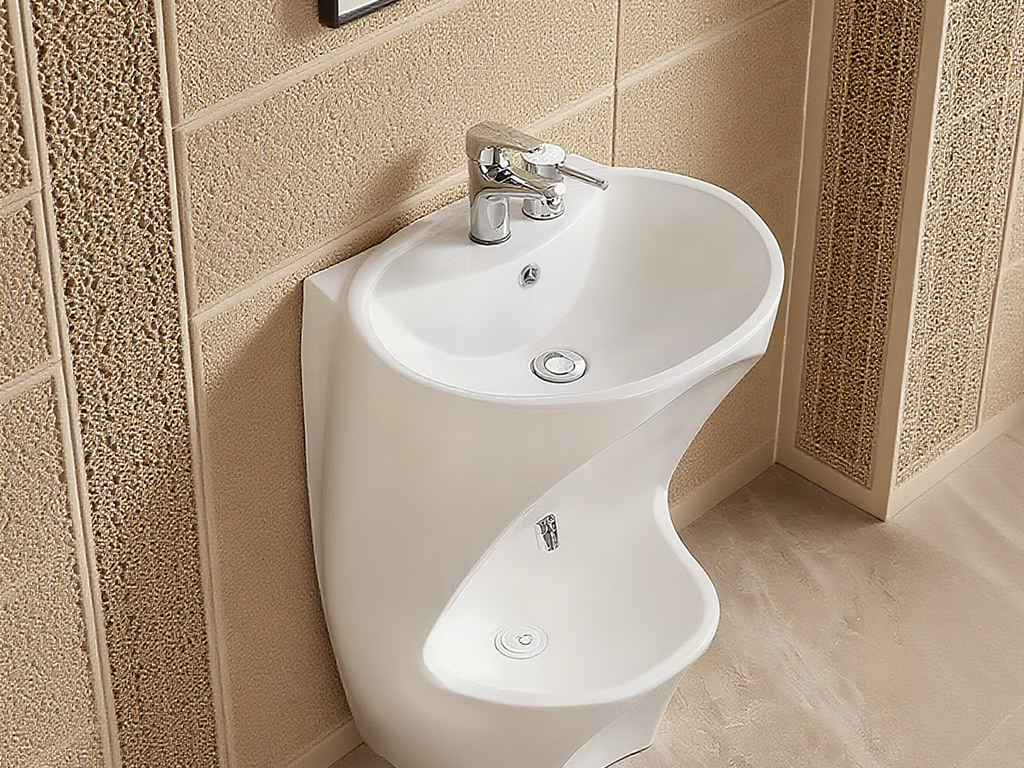
This utilitarian approach meant that the ablution sink was viewed as a practical necessity, not a design statement. Yet, as expectations of worship environments began to rise, limitations became more noticeable: lack of ergonomic features, limited durability under heavy use, and little harmony with the modern architectural styles of mosques or prayer facilities.
The Shift Toward Aesthetic Integration
By the early 2020s, the growing demand for better worship spaces pushed designers to rethink ablution areas. Communities sought facilities that could embody spiritual tranquility and cultural pride while also standing up to frequent use. This led to a transformation in the way ablution sinks were designed:
- Architectural Integration: Ablution areas began to be designed as extensions of mosque interiors, blending seamlessly with marble floors, wooden accents, and contemporary wall finishes.
- Use of Premium Materials: Instead of standard ceramic, materials like solid surface, quartz, and engineered stone became popular for their durability, hygiene, and design flexibility.
- Color and Texture Variety: Instead of only white, ablution sinks are now available in marble patterns, soft neutrals, and even bold modern tones to complement the space.
- Ergonomic Enhancements: Dual-level basins and carefully measured dimensions offer comfort for both hand and foot washing, catering to users of all ages.
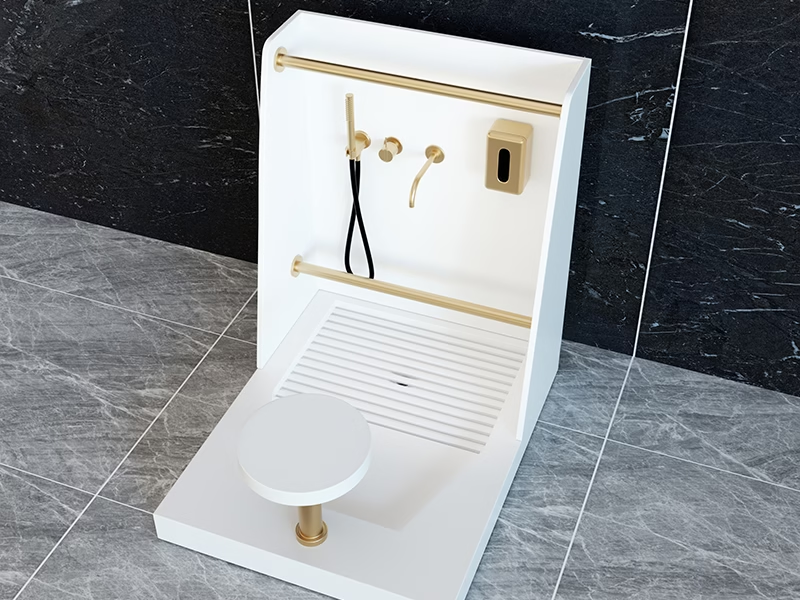
Solid Surface: A Game Changer in Ablution Sink Design
One of the biggest advancements in modern ablution sink design is the use of solid surface material. Unlike traditional ceramic, solid surface provides a unique blend of beauty, strength, and versatility:
- Non-Porous & Hygienic: Prevents mold, bacteria, and water stains.
- Customizable: Can be molded into unique shapes, engraved with Quranic verses, or integrated with modern features like sensor faucets.
- Durability: Resistant to cracks, chips, and long-term wear.
- Aesthetic Appeal: Offers marble-like veining, stone finishes, or custom colors that elevate the look of the entire ablution area.
This material innovation has allowed architects to move from “basic functionality” to artful, culturally expressive ablution spaces.
Modern Trends in Ablution Sink Design
By 2025, ablution sinks are no longer just utilities. They represent comfort, beauty, and inclusivity. Current design trends include:
- Marble Pattern Dual-Level Wudu Basins – Combining elegance with ergonomic functionality.
- Integrated Technology – Touchless faucets, soap dispensers, and water-saving systems.
- Inclusive Design – Accessibility features for children, the elderly, and people with disabilities.
- Custom Engravings & Patterns – Quranic calligraphy, geometric Islamic art, or culturally inspired motifs.
- Sustainable Materials – Eco-friendly solid surface production and water-efficient designs.
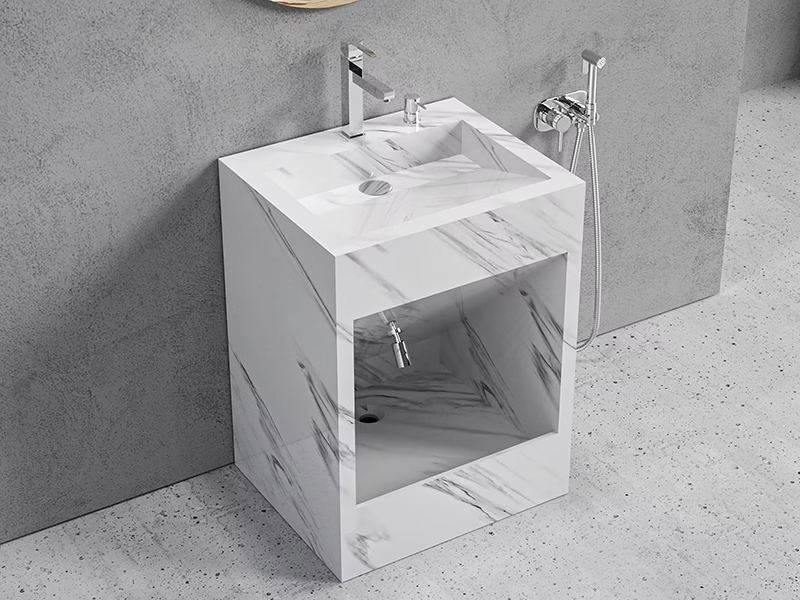
These trends reflect a growing awareness that worship spaces must balance tradition with modern needs, offering both comfort and dignity to users.
Beyond Function: The Aesthetic Value
The aesthetic shift in ablution sink design carries symbolic meaning. Beautifully designed sinks:
- Create a serene environment that prepares worshippers spiritually before prayer.
- Reflect the cultural and architectural identity of the mosque or prayer hall.
- Add long-term value and prestige to religious and community projects.
An ablution sink is no longer just a place to wash—it has become a designed experience, blending ritual purity with architectural elegance.
Applications in Different Spaces
Modern ablution sinks are now widely installed in:
- Mosques and Islamic Centers – The most common setting, where they enhance both functionality and beauty.
- Hotels and Resorts – Offering Muslim guests dedicated, stylish ablution facilities.
- Airports and Public Spaces – Providing efficient, hygienic wudu solutions for travelers.
- Private Homes – Customized ablution sinks for personal prayer rooms and home mosques.
Conclusion
From simple, functional basins of the past to today’s marble-pattern solid surface masterpieces, ablution sink design has undergone a remarkable evolution. No longer confined to plain utility, these fixtures now embody functionality, durability, comfort, and visual appeal.
As communities and architects embrace modern materials and aesthetic concepts, ablution sinks are set to become even more central in shaping worship experiences.
👉 Whether you’re a mosque committee, architect, or contractor, now is the time to explore modern ablution sink solutions that merge tradition with contemporary beauty. Contact us today to learn how you can customize ablution sinks to perfectly match your project’s vision.
FAQs About Modern Ablution Sink Design
Q1: Why are ablution sinks important in Islamic facilities?
They enable ritual washing (wudu), ensuring cleanliness and preparation before prayers.
Q2: What were traditional ablution sinks made of?
Mostly ceramic or natural stone, with simple white finishes.
Q3: Why are solid surface sinks preferred today?
Because they are non-porous, hygienic, customizable, and available in a wide range of colors and patterns.
Q4: Are modern ablution sinks more expensive than ceramic ones?
Yes, but their durability, hygiene, and aesthetic appeal provide greater long-term value.
Q5: Can ablution sinks be customized for different spaces?
Absolutely. Solid surface allows size, shape, color, and engraving customization.
Q6: What is a dual-level wudu basin?
A design with two levels—one for hands and one for feet—making ablution more comfortable and ergonomic.
Q7: Where are modern ablution sinks commonly installed?
Mosques, hotels, airports, public facilities, and even private prayer rooms.
Q8: How do modern sinks support inclusivity?
Designs can include child-friendly heights, wheelchair accessibility, and ergonomic dimensions for all users.
Q9: What role does aesthetics play in ablution sink design?
It transforms the ablution area into a spiritually uplifting and culturally expressive space.
Q10: What are the leading design trends for 2025?
Marble-pattern solid surface sinks, touchless technology, sustainable materials, and custom cultural motifs.