Introduction
As sustainability becomes a defining principle in global architecture, the design of wudu (ablution) facilities is evolving too. Traditionally focused on hygiene and ritual purity, wudu areas are now being reimagined as spaces that reflect environmental stewardship — an Islamic value rooted in the concept of khilafah (guardianship of the Earth).
Modern architects and product designers are turning to sustainable materials that combine durability, hygiene, and aesthetic appeal. These innovations go beyond appearance — they embody responsibility, longevity, and respect for both worshippers and the environment.
The Link Between Faith and Sustainability
Islam teaches moderation and respect for natural resources. The Prophet Muhammad (peace be upon him) advised not to waste water even beside a flowing river. This moral guidance aligns perfectly with modern sustainability principles — using resources responsibly, reducing waste, and designing for long-term benefit.
Incorporating sustainable materials into wudu design is therefore more than an architectural decision — it’s a spiritual and ethical commitment to preserving purity, both physical and ecological.
Key Material Categories in Modern Wudu Design
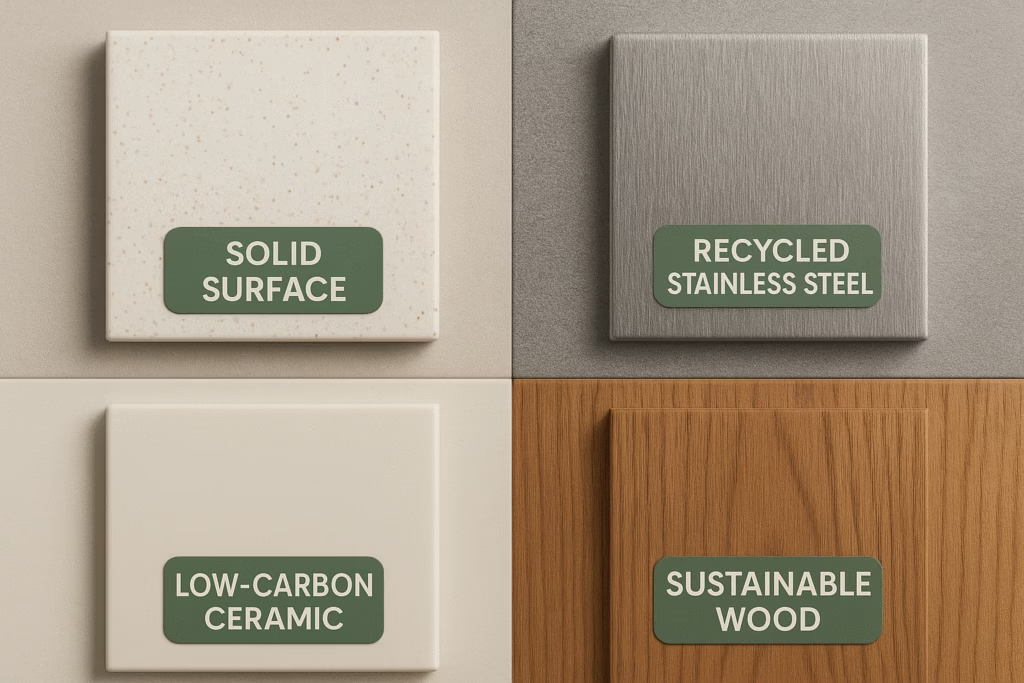
1. Solid Surface: The Benchmark for Durability and Hygiene
Solid surface materials are increasingly used in wudu basins, countertops, and benches due to their seamless, non-porous structure.
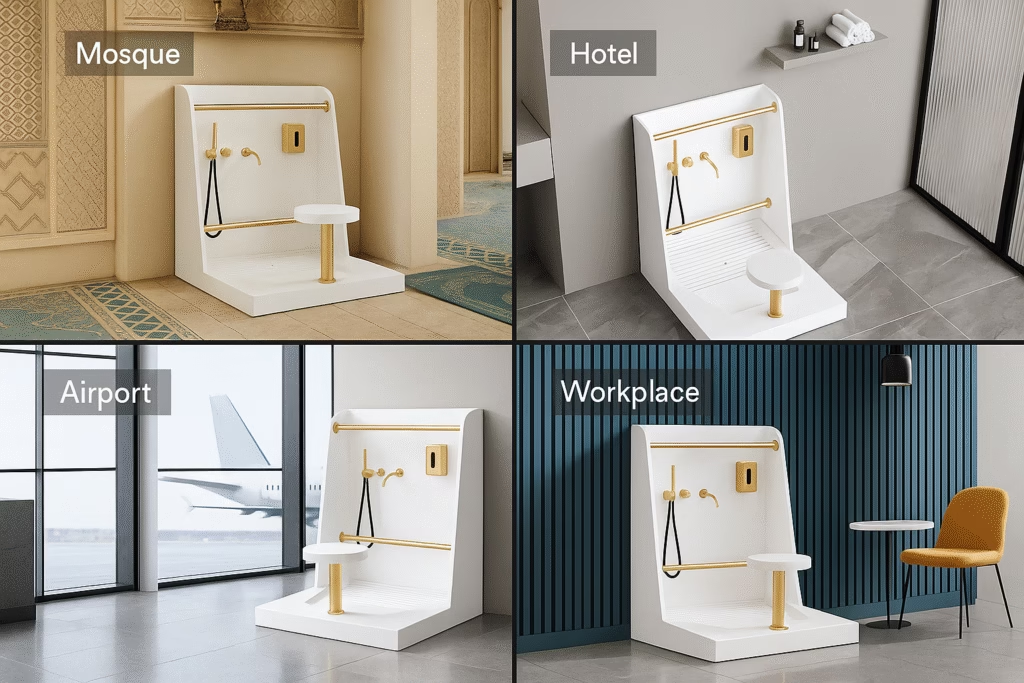
Advantages:
- Resistant to water absorption and bacterial growth.
- Easily repairable and renewable — surface scratches can be polished out.
- Long lifespan reduces replacement waste.
- Available in custom colors and marble-like finishes that elevate design aesthetics.
Solid surface thus represents an ideal balance between beauty and sustainability — allowing facilities to look refined while reducing long-term environmental impact.
👉 Related reading: Why Solid Surface is the Best Material for Wudu Basins.
2. Recycled Stainless Steel: Functional and Circular
Stainless steel has long been used in high-traffic areas for its strength and corrosion resistance. The modern sustainable approach uses recycled stainless steel, contributing to circular manufacturing and reducing carbon footprint.
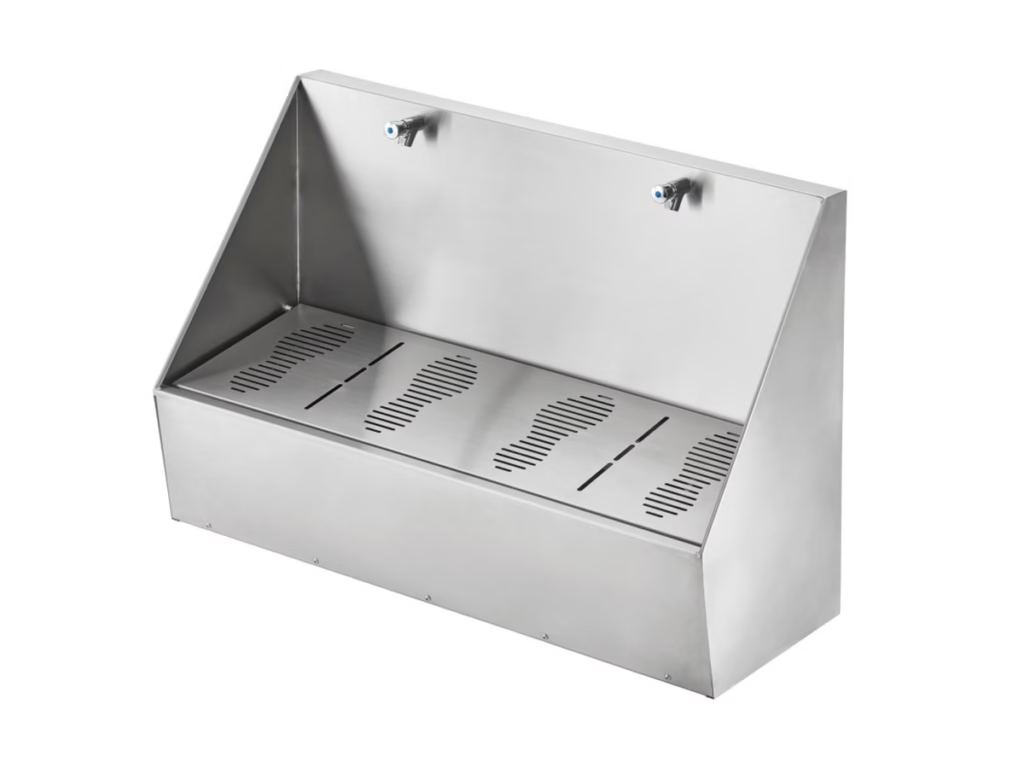
Advantages:
- 100% recyclable and endlessly reusable.
- Requires minimal cleaning chemicals.
- Provides sleek, contemporary aesthetics ideal for minimalist wudu spaces.
These qualities make it a practical option for airports, universities, and shopping centers where durability meets environmental responsibility.
3. Low-Carbon Ceramics and Eco-Friendly Concrete
For traditional-style mosques, low-carbon ceramics or recycled aggregate concrete can provide a natural aesthetic with reduced emissions.
Manufacturers now use advanced kilns and recycled raw materials to produce tiles and basins with:
- Lower embodied carbon.
- Improved insulation properties.
- Non-toxic glazing for safe contact with water.
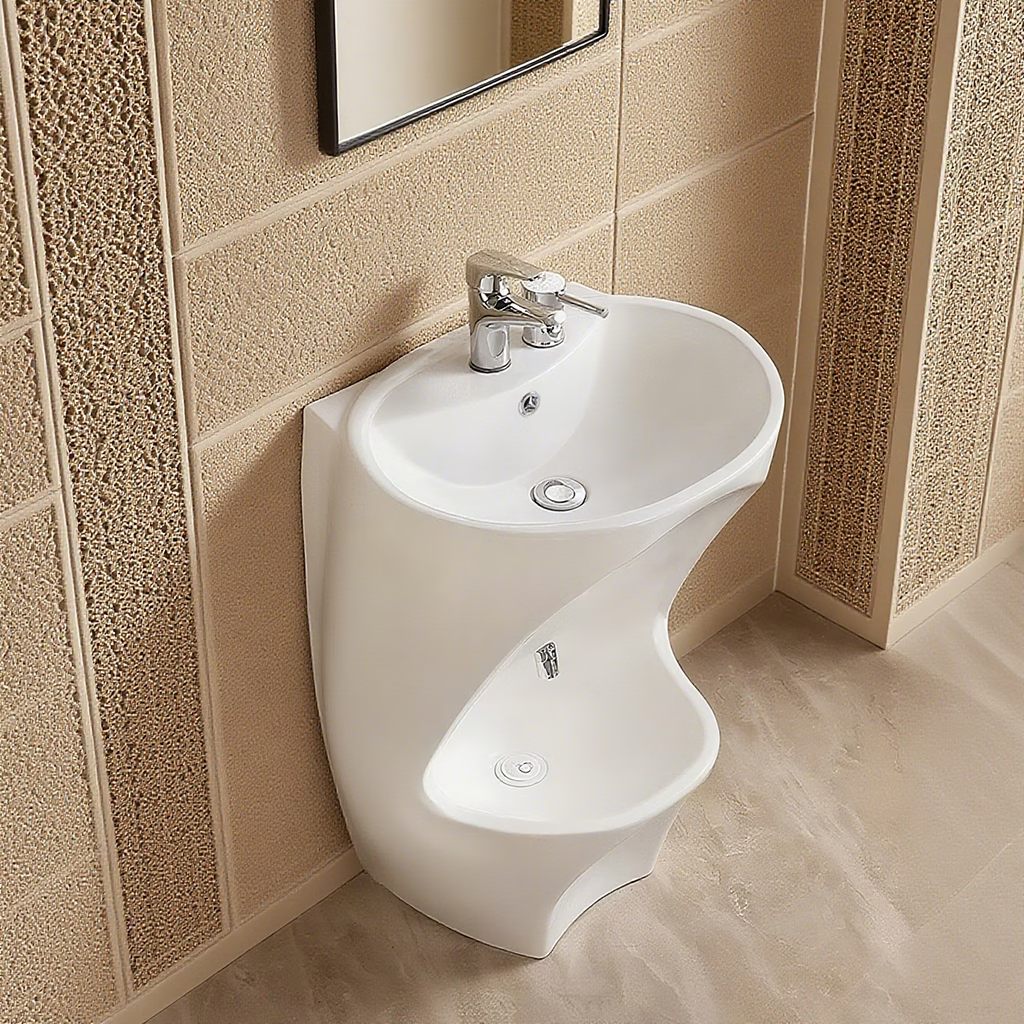
Such innovations retain the beauty of traditional Islamic architecture while supporting the transition to greener construction methods.
4. Sustainable Wood and Composite Elements
In some smaller-scale facilities or decorative applications, FSC-certified woods and composite materials can add warmth and tactility to the environment. When used responsibly, these materials help reduce plastic dependency and promote biophilic design — connecting users with nature.
However, wood should always be treated for moisture resistance and paired with solid surface or ceramic elements in areas of direct water exposure.
Environmental and Operational Benefits
Energy and Resource Efficiency
Using sustainable materials can significantly lower lifecycle costs. Long-lasting surfaces such as solid surface and stainless steel require fewer replacements and less energy-intensive maintenance.
Waste Reduction
Prefabricated and modular wudu units reduce on-site waste. Moreover, materials like solid surface can be thermoformed and repurposed, minimizing disposal.
Health and Indoor Air Quality
Non-toxic adhesives and low-VOC finishes ensure a safer environment for users, aligning with both health and spiritual purity principles.
Integrating Sustainability into Design Aesthetics
A sustainable wudu space does not have to look industrial. With today’s materials, designers can achieve organic warmth, modern minimalism, or traditional elegance — all while maintaining green integrity.
For example:
- Marble-textured solid surface evokes luxury without environmental cost.
- Recycled steel provides contemporary elegance.
- Natural lighting and soft colors reinforce the perception of cleanliness and calmness.
This aesthetic-spiritual synergy transforms wudu facilities into spaces that express humility, mindfulness, and responsibility.
Future Outlook: The Rise of Circular Mosque Design
The future of mosque and wudu facility design lies in circular construction — buildings where every component is reusable, recyclable, and resource-efficient.
As more religious institutions adopt green certifications and eco-architecture, sustainable wudu areas will become a visible sign of progress — where design, technology, and faith coexist in balance.
👉 Explore more innovative wudu basin materials and eco-friendly solutions at WuduWashPro.com.
FAQ
1. Why is sustainability important in wudu facility design?
Because it aligns with Islamic values of balance, moderation, and stewardship over natural resources while reducing environmental impact.
2. What are the most sustainable materials for wudu basins?
Solid surface and recycled stainless steel are the most sustainable choices — durable, hygienic, and long-lasting.
3. Do sustainable materials affect maintenance?
Yes, they often simplify it. Non-porous materials resist stains and bacteria, making cleaning easier and less resource-intensive.
4. Can eco-friendly materials still look luxurious?
Absolutely. Modern solid surface technology allows marble-like finishes, warm tones, and seamless forms that elevate visual appeal.
5. How can existing mosques transition to sustainable wudu areas?
Through phased renovations — replacing basins, upgrading fixtures, and using modular sustainable materials that fit within existing spaces.