Introduction
The practice of wudu, or ablution, is a sacred ritual performed before prayer. For centuries, Muslims have used simple facilities to prepare for salah, but as mosques and Islamic centers grow in size and number, the need for modern, hygienic, and accessible wudu stations has become increasingly important.
Today’s wudu basins are designed not only for functionality but also for comfort, sustainability, and aesthetics. They reflect the respect given to the worshipper’s preparation for prayer, while also helping mosques manage resources more effectively.
In this guide, we will explore the top five design features of modern wudu basins and explain why they matter for every mosque and Islamic space.
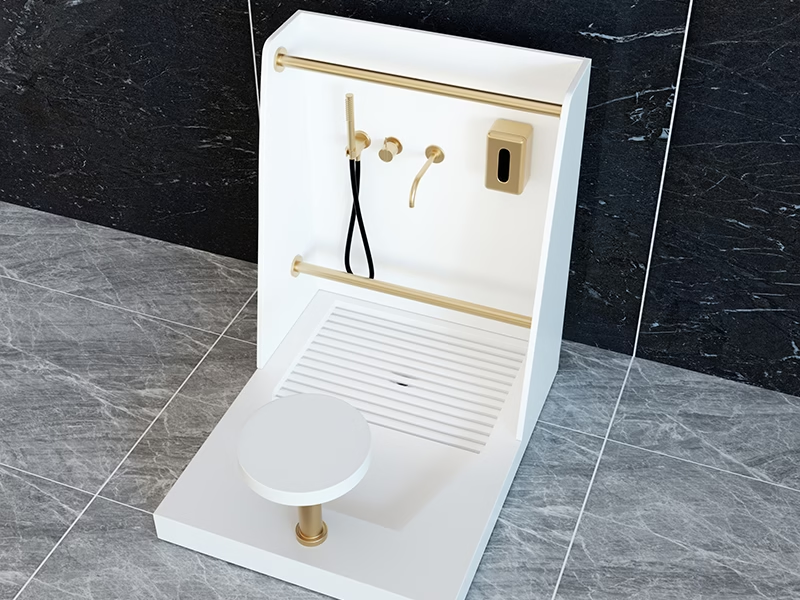
1. Ergonomic and Inclusive Design
One of the most important advancements in modern wudu basins is the focus on ergonomic comfort and inclusivity. Older ablution areas often required users to squat or bend in uncomfortable positions, creating difficulties for the elderly, children, and people with disabilities.
Modern designs address these issues by incorporating:
- Seating at appropriate heights, ensuring ease for elderly worshippers.
- Child-friendly dimensions, allowing younger members of the community to perform wudu independently.
- Accessible layouts for wheelchair users, so no one feels excluded.
- Slip-resistant flooring and supports, enhancing safety in wet environments.
By prioritizing inclusivity, mosques can ensure that every worshipper feels welcome and able to perform wudu with ease and dignity.
2. Hygienic, Seamless Surfaces
Cleanliness is central to Islamic teachings, and nowhere is this more important than in the ablution area. Traditional basins often had tiles, grout lines, or seams that trapped dirt, making them difficult to sanitize.
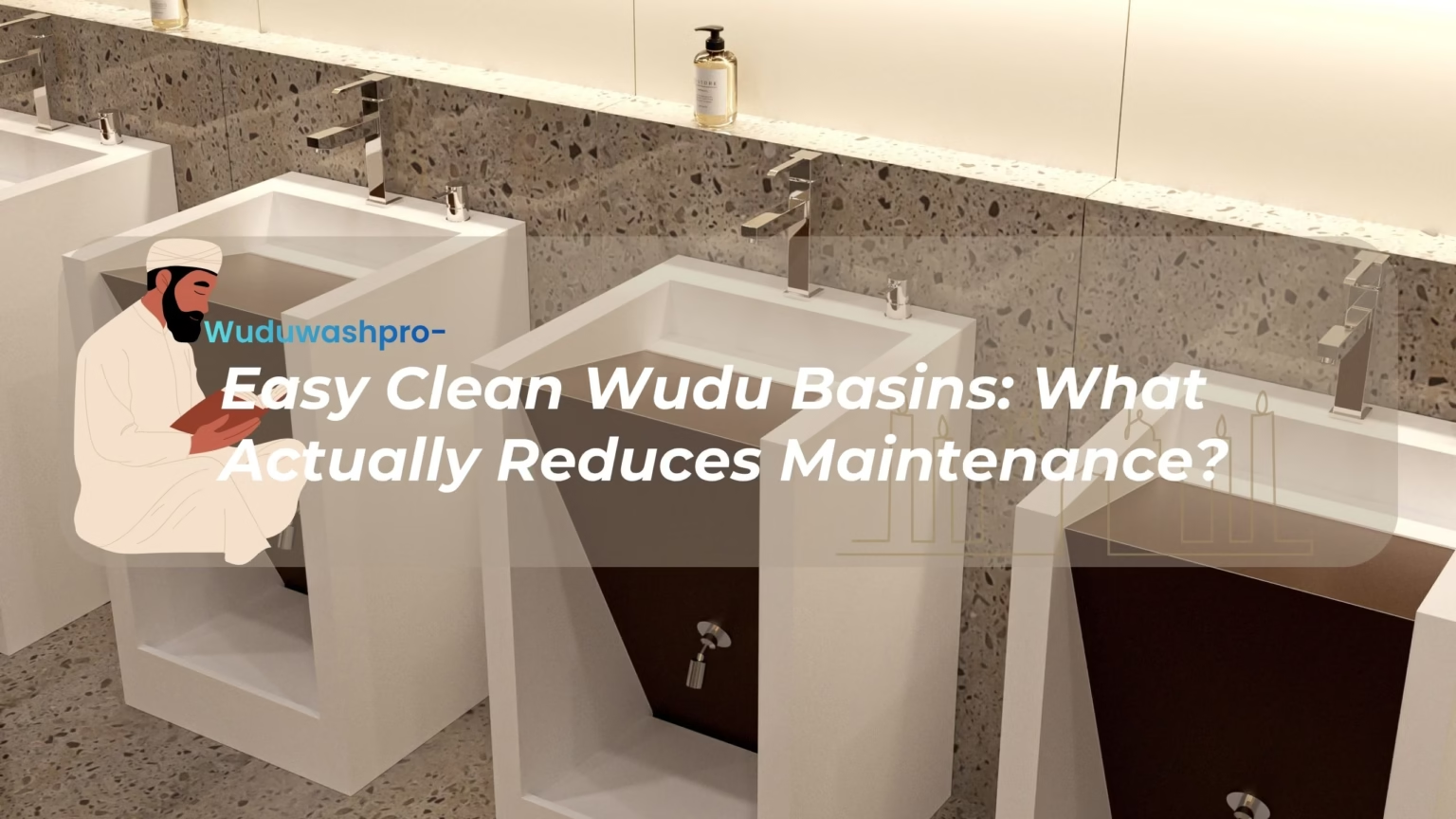
Modern wudu basins solve this problem by using seamless, non-porous materials such as solid surface composites. These materials resist bacteria and mold, ensuring a safer and cleaner environment. Benefits include:
- Easy maintenance: Surfaces can be wiped down quickly without the need for harsh chemicals.
- Smooth finishes: Dirt and grime do not accumulate in corners or cracks.
- Integrated drainage systems: Prevent water pooling, which can lead to slippery surfaces or bad odors.
This focus on hygiene not only keeps the mosque clean but also provides peace of mind for worshippers who rely on the facilities daily.
3. Water-Efficient Fixtures
Water conservation is both an environmental responsibility and an Islamic principle, as Muslims are taught to avoid wastefulness even when water is abundant. Modern wudu basins are designed with water efficiency in mind.
Key features include:
- Sensor-activated taps that automatically turn off when not in use, preventing unnecessary water flow.
- Flow restrictors that regulate water output without reducing usability.
- Smart drainage that minimizes overflow and ensures excess water is directed properly.
These innovations not only help mosques reduce utility costs but also align with sustainability goals, making wudu stations environmentally friendly and more responsible.
4. Durable and Low-Maintenance Materials
With potentially hundreds of worshippers using wudu basins daily, durability is non-negotiable. Modern wudu stations are built with heavy-duty materials such as stainless steel or solid surface composites, both of which are known for their strength and longevity.
Durable wudu basins provide:
- Resistance to scratches and stains, keeping facilities looking new for years.
- Reduced repair costs, since surfaces and fixtures are designed to withstand constant use.
- Ease of cleaning, allowing mosque staff to maintain facilities with minimal effort.
Low-maintenance designs free mosques from the burden of frequent renovations, making them a cost-effective choice for the long term.
5. Aesthetic and Customizable Designs
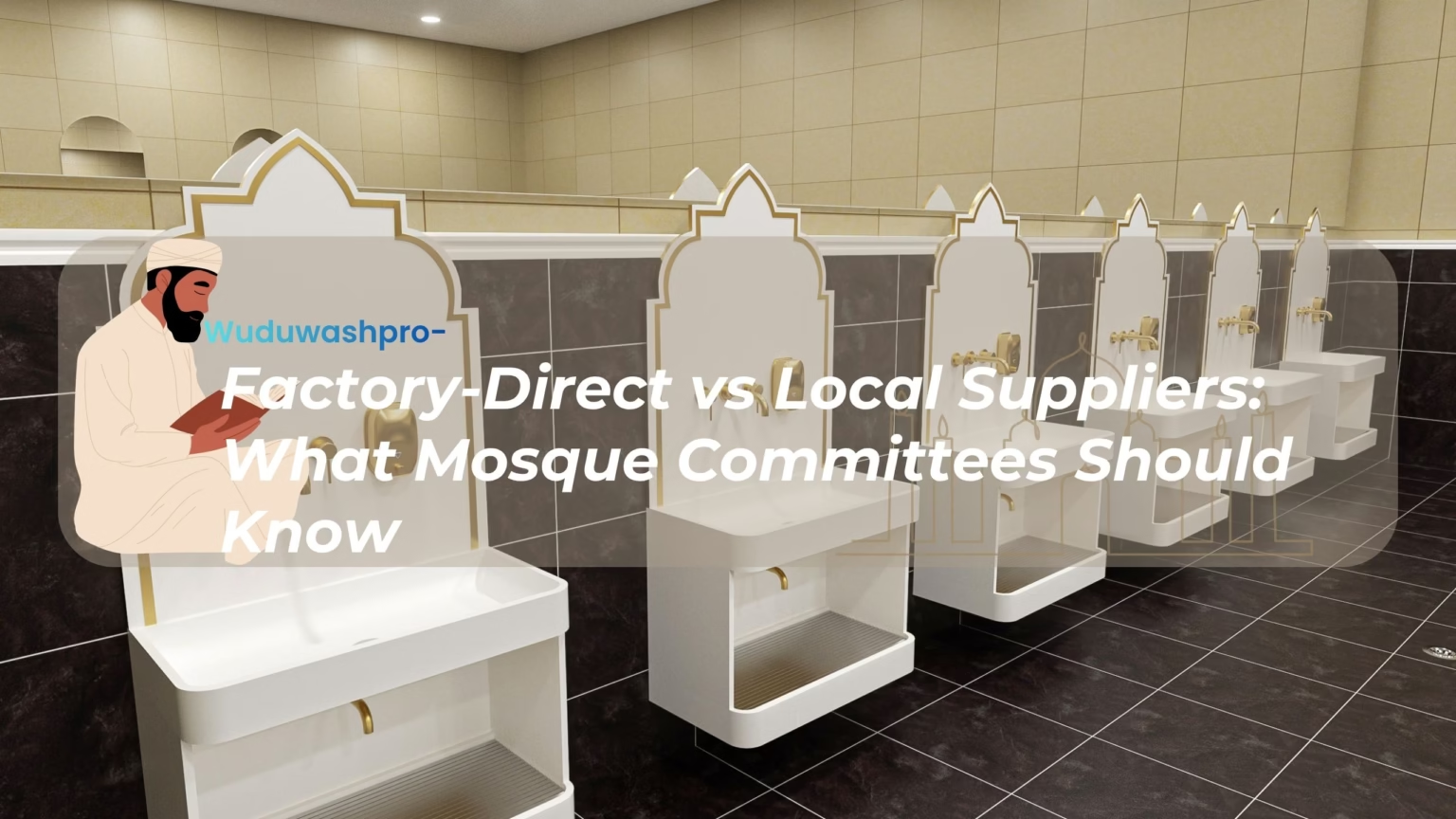
While functionality is essential, modern mosques also place importance on aesthetic harmony in their architecture and interiors. Ablution areas are no exception. Today’s wudu basins can be tailored to match the style of the mosque, creating a cohesive and inviting space.
Custom design options may include:
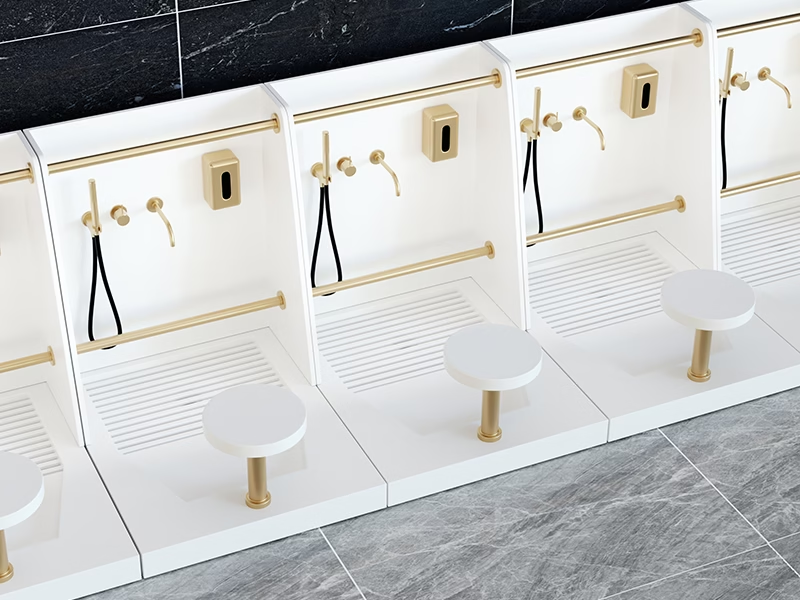
- Choice of colors and finishes, from sleek white solid surface to polished stainless steel.
- Minimalist, elegant shapes that enhance the spiritual atmosphere.
- Custom layouts, whether for small prayer rooms or large Islamic centers.
- Integration with architectural details, such as lighting and tiling.
An aesthetically pleasing wudu area not only elevates the overall worship experience but also demonstrates respect for the ritual itself.
Conclusion
Modern wudu basins are more than just functional facilities—they are an expression of care for worshippers and respect for the sacred act of preparation before prayer. The top design features, including ergonomics, hygiene, water efficiency, durability, and aesthetics, ensure that ablution is performed in a safe, comfortable, and spiritually uplifting environment.
For mosques, investing in these modern features is not just a matter of convenience but also a commitment to sustainability, inclusivity, and community well-being.
Call to Action
At WuduWashPro, we design modern wudu basins that combine advanced features with timeless elegance. Whether you are upgrading a small prayer room or building a large mosque, our solutions are tailored to meet your needs.
Explore our modern wudu basin collection today and bring comfort, hygiene, and beauty to your mosque’s ablution area.
FAQ
1. What makes a modern wudu basin different from traditional designs?
Modern wudu basins focus on ergonomics, hygiene, water efficiency, and aesthetics. Unlike traditional designs, they are safer, more comfortable, and easier to maintain.
2. How do modern wudu basins help conserve water?
They often include sensor taps, flow restrictors, and smart drainage systems that reduce unnecessary water use while ensuring full usability.
3. Which materials are best for durability in wudu basins?
Solid surface and stainless steel are the most reliable choices. Solid surface offers seamless hygiene and aesthetics, while stainless steel is highly durable and resistant to corrosion.
4. Are modern wudu basins suitable for small mosques?
Yes, modern designs are highly customizable. Even small prayer spaces can install compact wudu basins that maximize functionality without requiring large areas.
5. Can wudu basins be customized to match mosque interiors?
Absolutely. Modern wudu basins are available in various finishes, colors, and layouts, making it possible to harmonize with a mosque’s architectural style.