Introduction
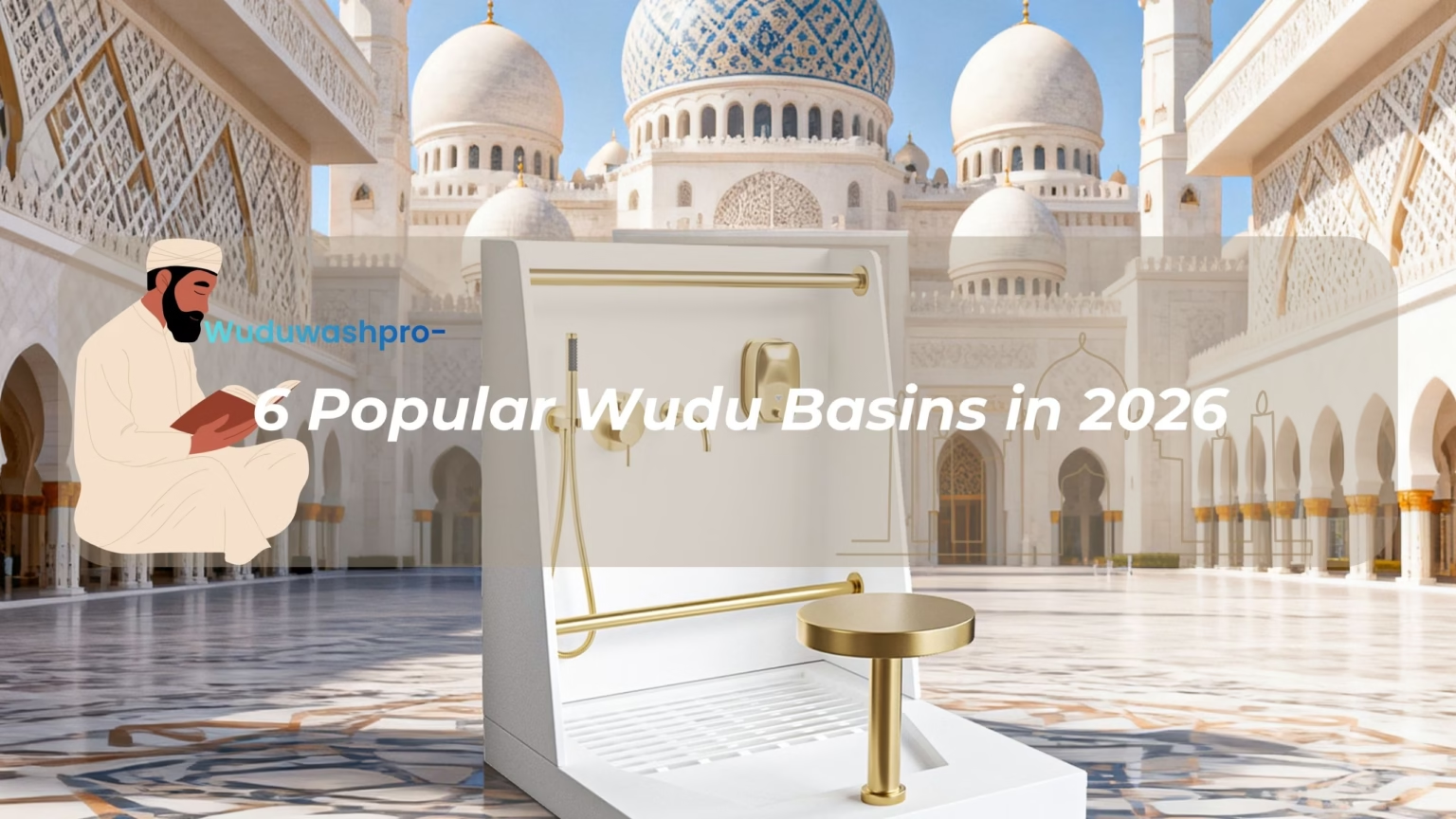
Wudu areas are designated spaces in mosques for worshippers to perform wudu. They have high quality wudu stations and serve multiple worshippers simultaneously.
They are different from traditional washrooms regarding usage and design. Today, we will discuss the wudu area and understand exactly how it works. Let’s know!
What is a Wudu area?
A wudu area is a designated space in mosques or public areas where worshippers perform ablution before prayer. It involves washing the hands, mouth, nose, face, arms, wiping the head, and washing the feet.
Wudu areas offer:
- Easy access to water
- Safe and comfortable washing
- Clean and dry surroundings
- Organized movement of users
Purpose of a Wudu Area
The Wudu area is unique in that it offers comprehensive ablution services separate from the washrooms. These are given below.
Preparation for prayer
Muslims must perform wudu and cleanse themselves before offering their prayers. Performing wudu is a required preparation before prayer in Islamic practice. Wudu areas are necessary spaces that include an ablution unit and help Muslims prepare for their prayers.
Promotes hygiene and cleanliness
Traditional basins trap water, leading to hygiene issues. Even water loss and contamination are high.
On the other hand, the wudu area is not just a place to perform wudu, but also to promote hygiene and cleanliness. A dedicated wudu space is known for offering the following features.
- Clean water access
- Reduced contamination by enabling the streamlined flow of water
- Separation from toilet areas
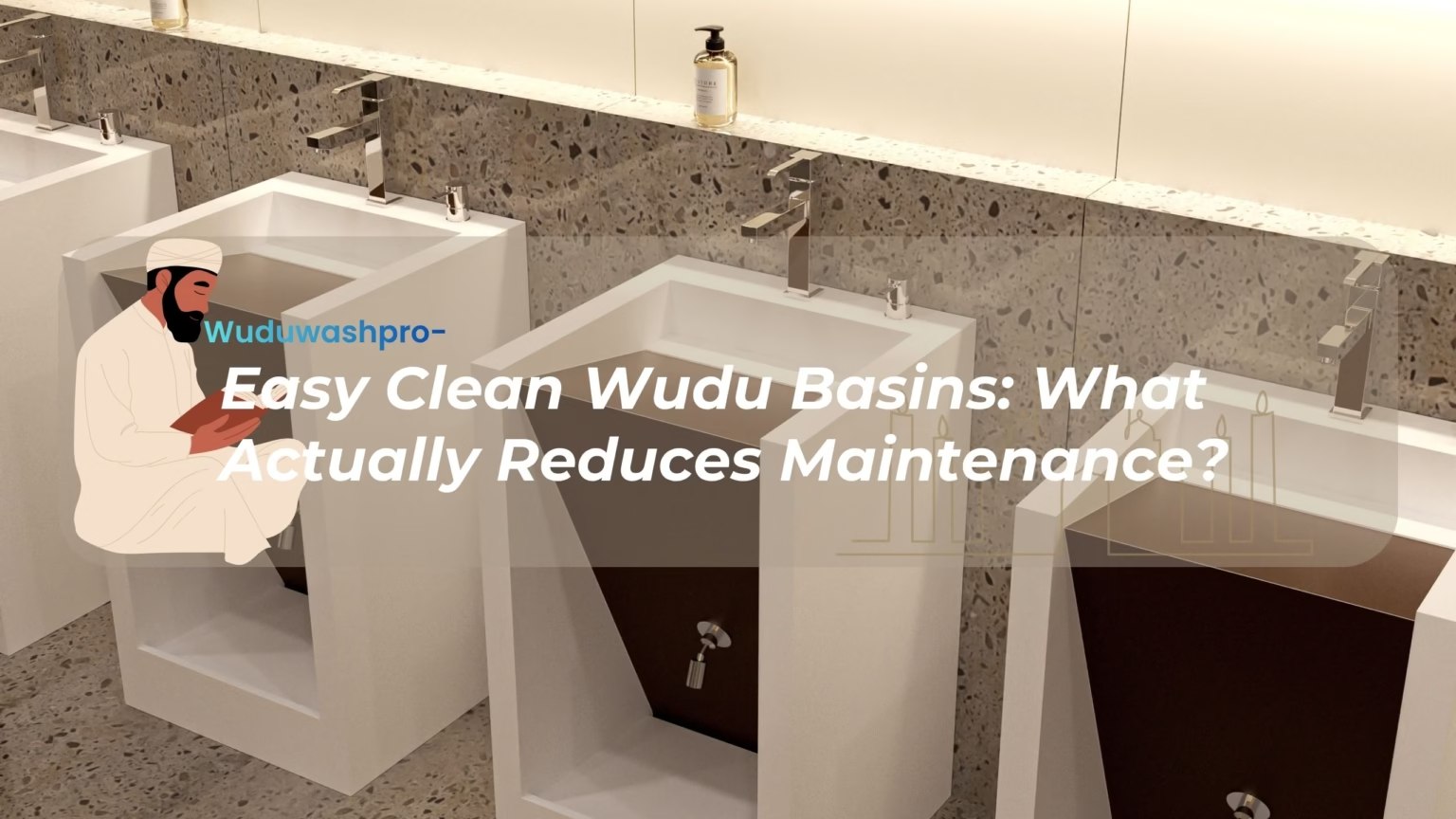
- Easier cleaning and maintenance
Supports the orderly flow of worshippers
Mosques handle low traffic during normal times but feel a surge on special occasions. During Friday or Eid days, there is a rush of worshippers.
A properly designed wudu area maintains the flow of worshippers. It has the following features.
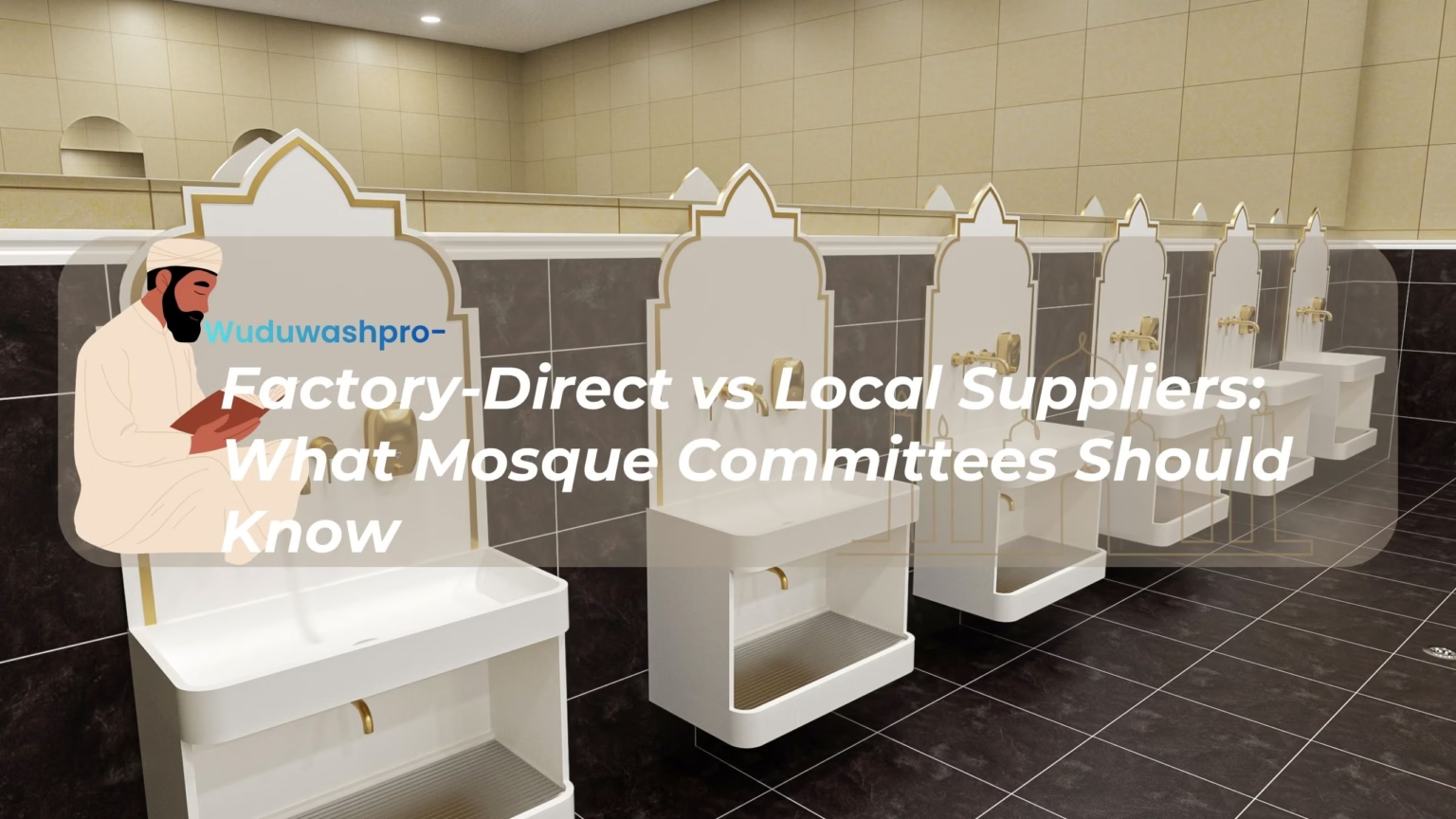
- Allows multiple users at once
- Provides clear entry and exit points
- Prevents bottlenecks
Reduces congestion
Congestion creates safety hazards and may compromise user safety. However, wudu areas offer dedicated seating, ablution basins, and a clean drainage system for water. There are no risks of stagnant water or losses. Other features include:
- Prevent crowd clustering
- Minimize waiting time
- Reduce slip risks
- Improve overall user experience
Maintains separation between ritual washing and toilet areas
Mixing toilets with ritual areas is a prominent concern for hygienic environments. It compromises hygiene.
However, wudu areas separate ritual washing areas from toilets. Separation has benefits, such as:
- Cleaner environment
- Better air quality
- Less odor transfer
- Psychological comfort for worshippers
Components of a typical wudu area
Before you plan on installing a high-end wudu station, you must know the key components!
Low-mounted ablution faucets
Unlike normal sinks, ablution faucets lie lower. It is because of the ease of foot washing and the cleaning of the worshippers. Most often, a series of faucets is installed to allow multiple users to use them simultaneously.
Seating
Standing while washing feet can cause falls on the grounds. To enable a smooth, ergonomic cleaning, seated basins are preferable.
Foot washing space
A dedicated foot-washing area is a necessary addition to your mosque’s wudu areas. It helps streamline the wudu process and makes it easier for worshippers.
Proper drainage system
Water stagnation is a major challenge for medium to high-traffic mosques. Therefore, you must consider a properly designed drainage area that helps streamline water flow and prevent water loss.
Non-slip flooring
Since the wudu area has high water flow, stagnant water can make surfaces slippery. It causes unnecessary falls and might compromise the user’s safety. A non-slip floor prevents all such accidents.
Handrails
The mosque serves all the users effectively. For elderly or disabled users, handrails help them grip and walk around safely.
Adequate lighting and ventilation
Inadequate lighting decreases visibility while improper ventilation causes moisture buildup.
To avoid such issues, a proper lighting and ventilation system is a good addition to the mosque.
Difference between the wudu area and the regular washroom
The wudu area is unique compared to the regular washrooms. There are differences discussed here.
Ritual washing vs. general sanitation
The purpose of both sites is different. For example, the wudu area is a designated space for Muslims to prepare for prayer. Therefore, Wudu areas receive higher traffic during the prayer times. At the same time, washrooms are typical for general sanitation. They receive causal traffic when needed without sudden burden.
Open taps and seating vs. toilets and sinks
The design of wudu areas differs from that of typical washrooms. It is because of different purposes.
For example, wudu basins have low-mounted faucets and a seated system for user safety. Multiple basins installed with soap dispensers are effortless to serve many worshippers simultaneously.
Traditional washrooms have sinks and enclosed toilet systems. They don’t exhibit a series of basins like Wudu areas do.
Layout
Layout refers to the structural placement of components. Wudu areas have parallel wudu stations arranged in rows that serve many users simultaneously.
Washrooms are enclosures used to serve one or more people at a time. They are often privacy cubicles.
Water usage pattern differences
Wudu areas experience more stress five times a day due to surges of worshippers. They receive little or no traffic for the rest of the day.
Traditional washrooms lack structured traffic flow. Everyone can visit them at any time of the day.
Hygiene zoning and separation considerations
Hygiene is the main goal, and it depends on the separation systems in place. Wudu areas have a separate system with clear-cut water drainage. Traditional washrooms are designed for general sanitation use, while wudu areas require drainage systems specifically planned to manage continuous water flow, barefoot movement, and high peak-time usage.
Where wudu areas are located
Wudu areas are located in various places where Muslims offer their prayers. Key features and benefits include:
Inside mosques near prayer halls
Mosques have wudu areas for the following purposes.
- Quick access to cleaning and wudu performance before prayers
- Smooth transition to prayers, allowing worshippers to perform their wudu effectively.
- Efficient crowd management for high-traffic areas.
Adjacent to mosque entrances
Mosque entrances handle crowds and have wudu areas. It is because of the following benefits.
- It minimizes internal congestion
- There are reduced wet floors inside the prayer areas.
- Organized movement flow increases the efficiency of streamlined wudu facilities.
In Islamic schools and community centres
Islamic schools and community centres have wudu areas because:
- They urge religious practices.
- It helps a large student group.
- Maintenance of facility hygiene is easier.
Airports, malls, and public prayer spaces
Airports and malls have wudu areas. There are several benefits to installing wudu areas in such places.
- Accessibility for travelers
- Religious inclusivity
- Comfortable worship experience
Basic design considerations
Various structural design issues are a long-term cost burden. You should consider your wudu area design during the planning stage. We have added a few tips for successful design.
Water drainage
Water stoppage promotes algae growth and increases bacterial activity. A proper water drainage system is critical for water conservation. Here are a few design tips to avoid water drainage hassles.
- Maintain the floor slope to maximize water drainage.
- Install linear trench drains.
- Use removable drain covers.
- Test for water pooling before opening.
Slip-resistant flooring
Wudu areas have to deal with water flow. Water spread on floors makes them slippery, which can cause accidents. During planning, you should:
- Use anti-slip tiles to avoid slippery surfaces.
- Choose textured surfaces for better grip while walking.
- Use mold-resistant grout to ensure longevity.
Accessibility
Wudu basins are not traditional areas. Instead, they must have easy access to cleaning and wudu performance. For example, a low-mounted faucet provides accessibility for foot washing. Similarly, the following options are good for accessibility.
- Add grab bars near seating.
- Provide one wheelchair-friendly station for the elderly and disabled people.
- Keep the seating height low so users can sit comfortably during cleaning.
- Use clear floor space for easy movement.
Durable materials
Environmental factors, such as moisture, can adversely affect your tiles and floors in wudu areas. You should consider a durable structure to avoid long-term costs. For example, non-porous wudu areas are the best choices.
- Use stainless steel fixtures.
- Install ceramic or porcelain tiles.
- Avoid moisture-sensitive materials
Proper ventilation
Without ventilation, moisture buildup deteriorates your floors. Moreover, it causes bacterial and algae growth. Proper ventilation design guarantees a long-lasting wudu area structure. For this, you should follow the tips.
- Install exhaust fans for the proper ventilation.
- Allow natural airflow where possible.
- Use moisture-resistant ceilings.
Privacy balance
Worshippers need privacy during wudu performances. For optimal privacy, follow the installation instructions.
- Use half-height partitions.
- Separate male and female areas.
- Avoid direct entrance sightlines.
Easy maintenance and cleaning
Early repairs avoid long-term replacement costs. However, your wudu area should be easily accessible for cleaning and maintenance. It should have the following features for easy cleaning and maintenance.
- Use full-height waterproof tiling.
- Avoid complex tile patterns.
- Keep plumbing access panels accessible.
How are Modern Mosque Wudu Areas Planned And Designed Today?
Modern wudu areas have advanced technology and better accessibility. Following design tips are here.
User-friendly Layout
Modern mosques focus on the user flow. High traffic is no more an issue. It is because they implement:
- Separate entry and exit points
- Parallel rows of wudu stations for simultaneous use
- Clear circulation paths to maintain organized flow
Smart water management
To tackle water losses and contamination issues, modern mosques have sensor based control systems.
- Controlled water pressure to avoid splashing
- Sloped flooring for quick drainage
- Linear trench drains for better water flow
Enhanced hygiene and durability
Today wudu areas are designed for long-term perspectives. There are durable construction materials and better hygiene.
- Non-porous ceramic or porcelain wall and floor tiles
- Stainless steel or corrosion-resistant fixtures
- Full-height waterproof wall cladding
Accessibility and safety
Contemporary mosque planning is planned to facilitate all age groups and disabled people.
- Wheelchair-accessible wudu stations
- Grab bars and handrails for elderly users
- Anti-slip textured flooring
FAQs
- How many times a day is the wudu area used?
Typically, it is five times a day. However, special days, such as Eid prayers can add additional wudu area usage. A few people pray at midnight as well.
- Is seating important in the wudu area?
Yes, 100%. Seating provides an ergonomic facility for washing feet without falling or slipping. Therefore, properly seated wudu basins are pretty successful.
- Why is water drainage stressed in the wudu areas?
In wudu areas, water stagnation and loss is more than traditional washrooms. Only a proper drainage system can handle this loss and enable proper water flow. Therefore, it is necessary to have proper wudu drainage.
- Can you install a wudu area outside the mosque?
Yes. Airports, malls, Islamic schools, and community centres have wudu areas and serve users for cleaning purposes.
Conclusion
The Wudu area is a crucial component of your mosque. When you have medium to large traffic, only high-end wudu basins with proper design can accommodate worshippers. Consulting experts can better help you.
Ablution suppliers like Wudu Wash Pro experts have in-depth insights into the wudu areas. They help evaluate your demands. Their past project with the Al-Bukhari mosque was very successful, particularly in the high-quality assessment and installation of the wudu area. Contact Wudu Wash Pro experts right away!