Introduction
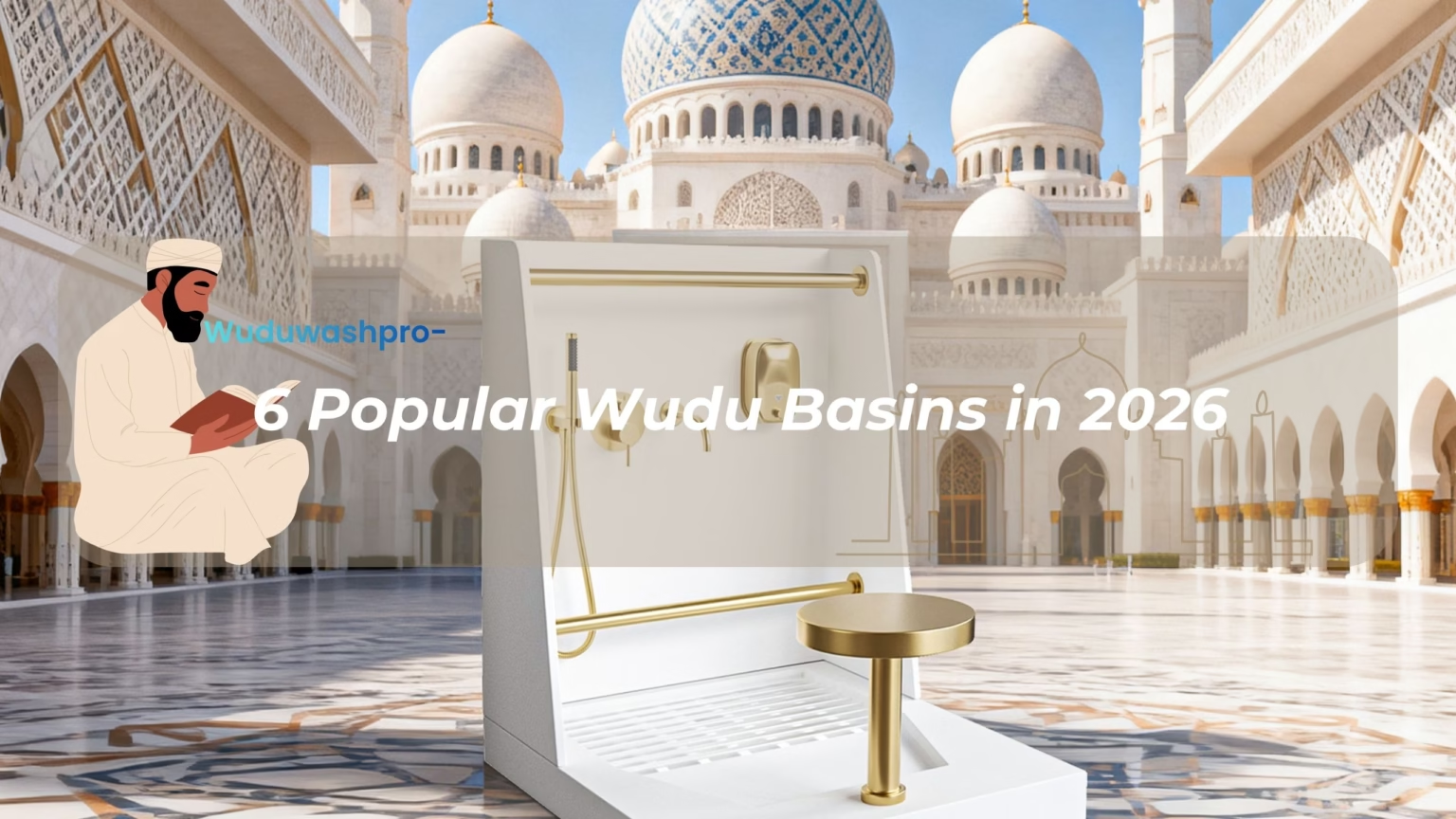
For over 1.8 billion Muslims worldwide, daily prayer is a deeply spiritual experience that begins with wudu basins and the ritual of ablution. In Islam, wudu is the act of purification performed before prayer, and wudu basins are purpose-built fixtures designed to make this process safe, hygienic, and spiritually mindful.
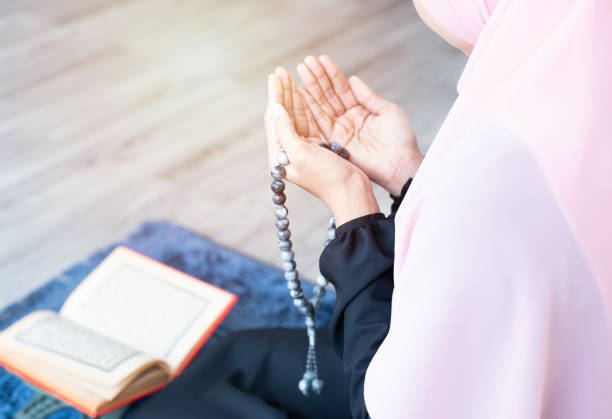
This article explores why Muslims use wudu basins, highlighting their religious meaning, hygiene benefits, and modern design features.
1. Understanding Wudu and Its Spiritual Role
In Islam, wudu (ablution) is a sacred act of washing before prayer, involving the hands, mouth, nose, face, arms, head, ears, and feet.
Wudu basins provide a dedicated, respectful space for this ritual, helping worshippers focus on spiritual preparation rather than struggling with unsuitable fixtures.
SEO Keywords: Muslim ablution, Islamic purification, wudu basins for prayer.
2. Why Wudu Basins Are Better Than Regular Sinks
2.1 Ergonomic Safety in Wudu Basins
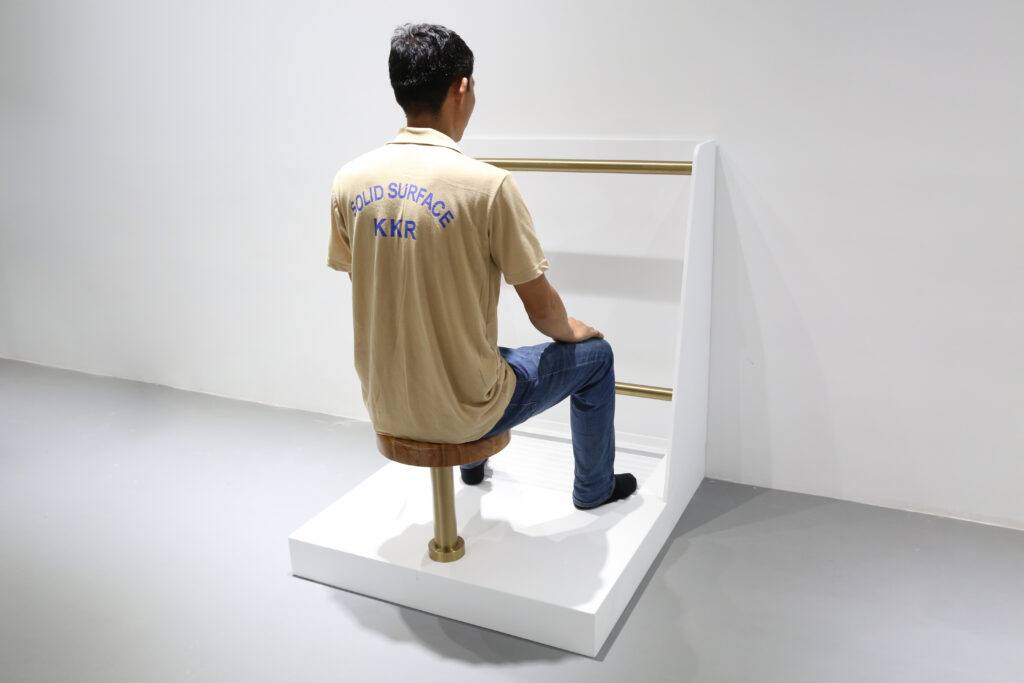
Standard sinks are not designed for foot washing, often requiring awkward leg lifting that can lead to slips.
Modern wudu basins feature:
- Integrated seating for stability.
- Foot-level basins to prevent strain.
- Non-slip surfaces for safety.
2.2 Hygiene Advantages of Wudu Basins
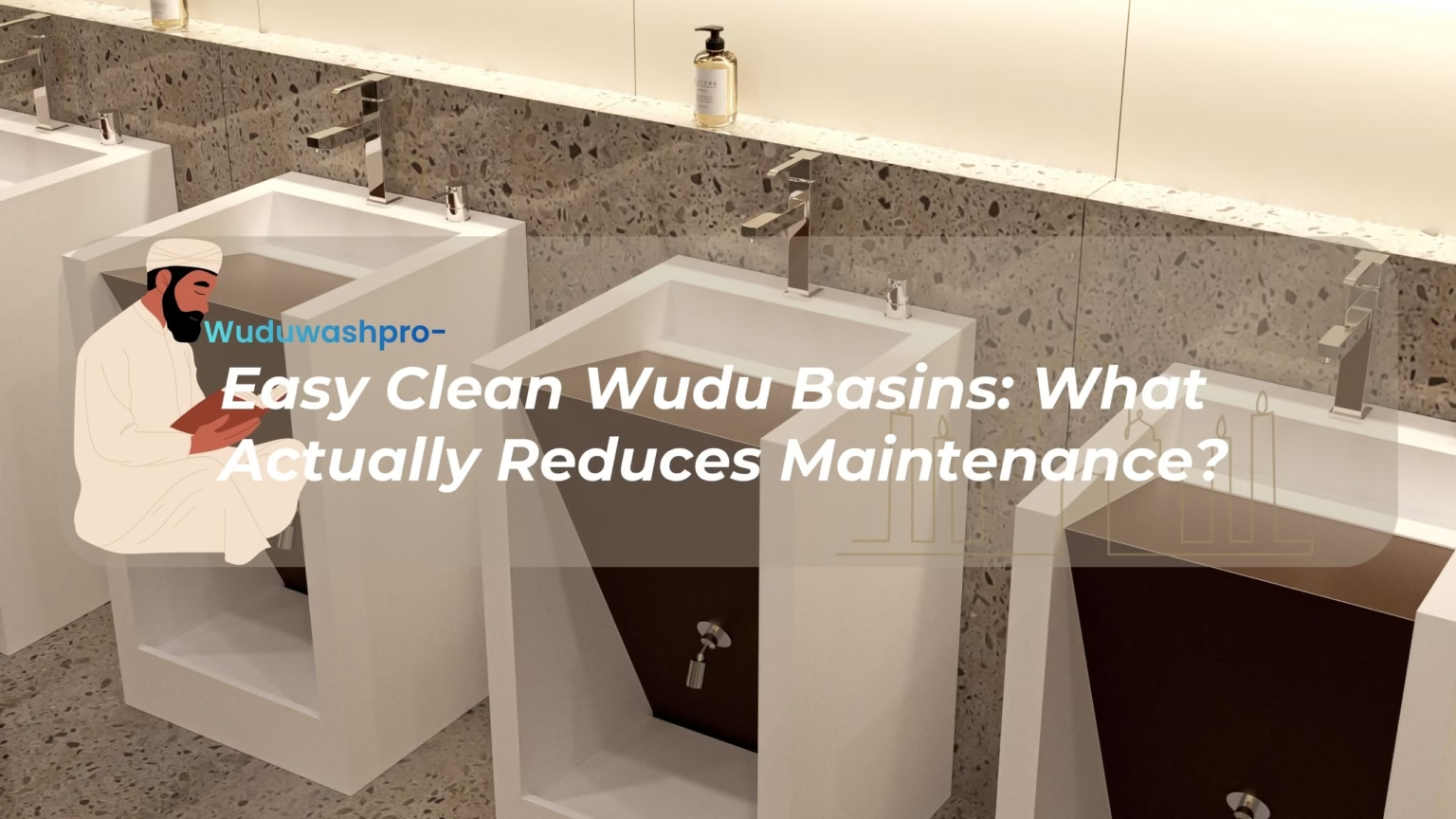
Cleanliness is central in Islam. Regular sinks can cause water splashes and unsanitary conditions. Wudu basins solve this with:
- Separate hand and foot washing areas.
- Splash guards and sloped surfaces.
- Non-porous materials like solid surface to prevent bacterial growth.
2.3 Accessibility for All Worshippers
Wudu basins now come in designs suitable for wheelchair users, children, and elderly worshippers. Multi-height units make ablution inclusive and comfortable for everyone.
3. Modern Wudu Basin Design Trends
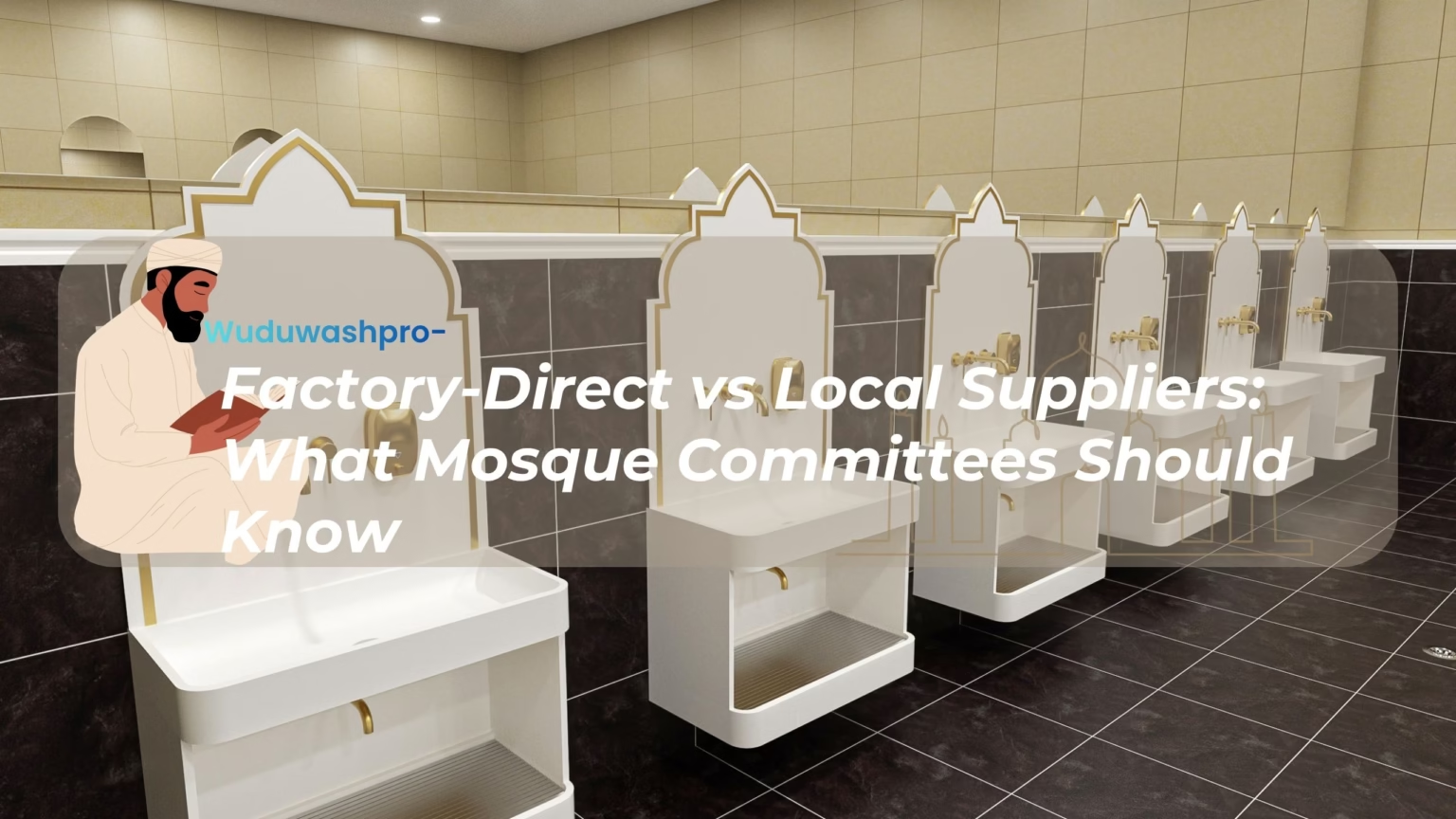
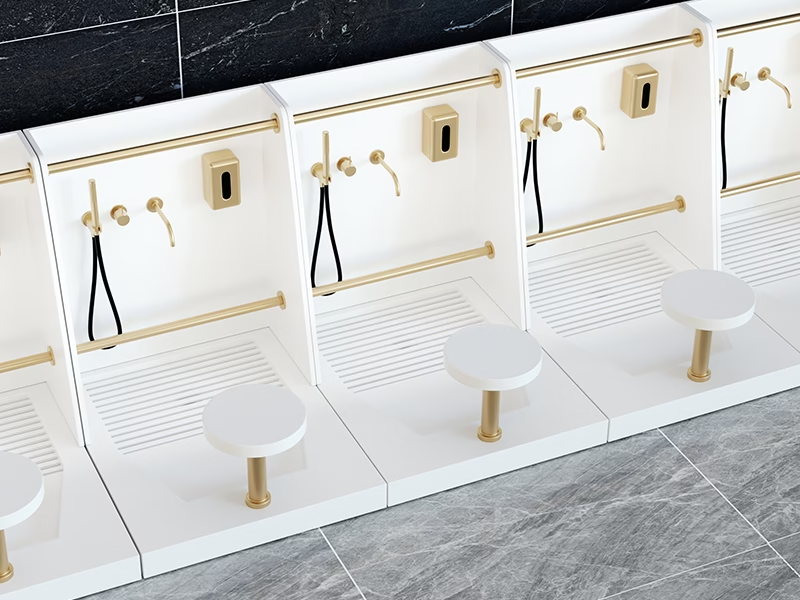
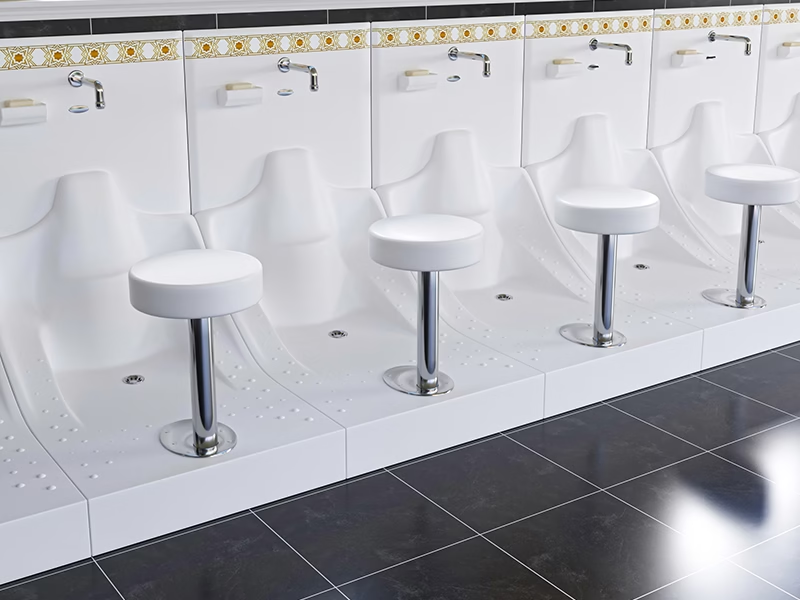
Today’s wudu basins combine faith and function with style:
- Solid Surface Materials – Easy to clean and durable.
- All-in-One Units – Space-saving designs with seating.
- Custom Aesthetics – Matching mosque interiors.
- Water-Saving Features – Sensor taps and low-flow spouts.
4. Historical and Cultural Importance of Wudu Basins
From ornate ablution fountains in ancient mosques to sleek modern fixtures, wudu basins have been a part of Islamic architecture for centuries.
Historically, they were not only functional but also artistic, reflecting purity and devotion.
5. Where You’ll Find Wudu Basins Today
Beyond mosques, wudu basins are now found in:
- Airports – Serving Muslim travelers.
- Shopping Malls – Providing prayer facilities.
- Workplaces – Supporting employee prayer needs.
- Homes – Compact units for daily convenience.
6. How Wudu Basins Reflect Islamic Values
Every element of a wudu basin reflects core Islamic values:
- Purity – Ensuring fresh, flowing water.
- Accessibility – Serving the whole community.
- Sustainability – Promoting water conservation.
- Aesthetics – Creating a peaceful prayer environment.
7. Choosing the Right Wudu Basin
When selecting wudu basins, consider:
- Material – Solid surface or stainless steel for durability.
- Safety – Non-slip features and stable seating.
- Water Efficiency – Sensor taps to reduce waste.
- Maintenance – Easy-clean surfaces.
- Design Harmony – Matching prayer space decor.
Conclusion
Wudu basins are more than just practical fixtures—they are a vital connection between faith, hygiene, and thoughtful design. By providing a dedicated space for ablution, they honor Islamic traditions while offering modern benefits like safety, accessibility, and water efficiency.
Whether in a mosque, workplace, or home, the right wudu basin can transform your ablution experience into one of comfort, dignity, and spiritual focus.
💧 Ready to upgrade your wudu facilities?
At wuduwashpro.com, we specialize in ergonomic, hygienic, and beautifully designed wudu basins for mosques, prayer rooms, and private homes. Explore our range today and see how the right design can elevate both faith and functionality.
👉 Visit 2025 new wudu basin design: https://wuduwashpro.com/high-end-wudu-station/