Introduction
In Islam, wudu—the ritual act of ablution before prayer—is an essential practice that prepares Muslims physically and spiritually for worship. Every mosque serves as a place of peace, reflection, and prayer, and therefore providing a proper space for wudu is not simply a convenience but a necessity.

While some mosques may rely on traditional or improvised setups, the importance of installing a dedicated wudu station cannot be overstated. A well-designed ablution facility not only enhances the worship experience but also ensures safety, hygiene, and inclusivity for the community.
In this article, we explore the five main reasons every mosque needs a dedicated wudu station, along with design considerations that help create a welcoming and practical environment for all worshippers.
1. Upholding the Spiritual and Religious Value of Wudu
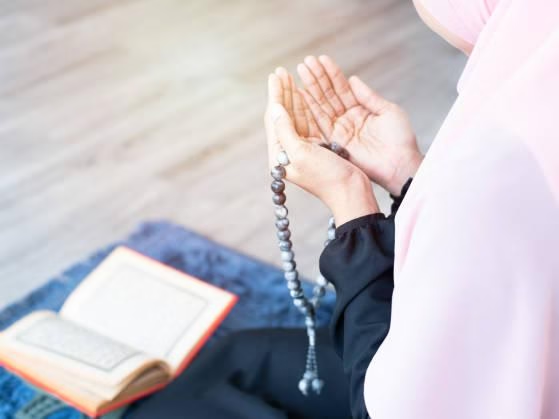
Wudu is more than a routine—it is an act of worship in itself. Having a dedicated wudu station highlights the respect and importance of the ritual within the mosque.
When ablution is performed in a clean, organized, and purpose-built area, it reinforces the sanctity of the prayer experience. A dedicated facility ensures that worshippers can perform wudu properly without distractions or discomfort, maintaining focus on the spiritual preparation before entering the prayer hall.
2. Hygiene and Cleanliness in the Mosque
One of the most practical reasons for installing a dedicated wudu station is hygiene. Without a proper basin, worshippers may end up using regular washrooms or shared sinks that are not designed for ablution. This can lead to water splashing, puddles on the floor, or clogged drainage systems.
A wudu station is specifically designed with splash control, proper drainage, and non-porous materials such as solid surface or stainless steel. These features make cleaning easier, prevent the spread of germs, and ensure the ablution area remains fresh throughout the day.
A clean wudu facility not only benefits users but also protects the overall cleanliness of the mosque, including the prayer hall, where hygiene is paramount.
3. Safety and Accessibility for All Worshippers
Mosques welcome worshippers of all ages—from young children to elderly members of the community. Performing ablution in a regular bathroom can be challenging and unsafe, especially when washing the feet.
A well-designed wudu station addresses these concerns by incorporating:
- Ergonomic height for comfort during washing
- Anti-slip flooring to prevent accidents
- Rounded edges for safety
- Seating options for elderly or disabled users
By prioritizing safety and accessibility, mosques can create an inclusive environment where everyone can perform wudu with ease and dignity.
4. Efficient Use of Space and Resources
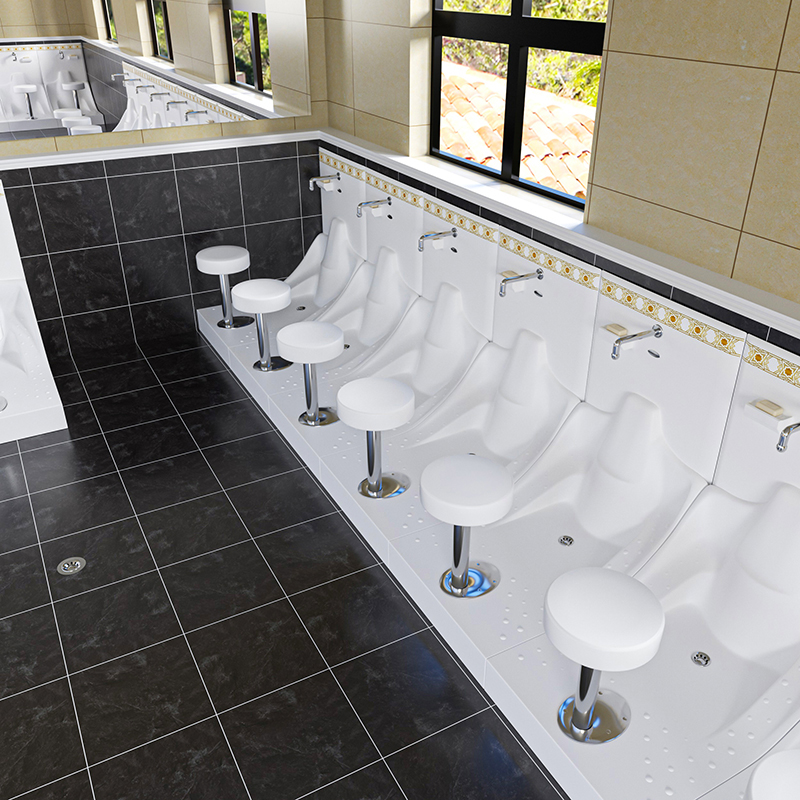
In many mosques, prayer areas are limited, and facilities must be carefully planned. A dedicated wudu station makes efficient use of available space by consolidating ablution needs into a single, well-organized area.
Instead of using multiple sinks or makeshift basins, a purpose-built wudu station can accommodate several worshippers simultaneously, reducing waiting times before prayer.
Additionally, modern wudu basins often include water-saving taps or sensor technology, ensuring that resources are used responsibly while still meeting the needs of a large congregation. This efficiency reflects Islamic values of avoiding waste (israf) and caring for the environment.
5. Enhancing the Worship Experience and Community Image
The mosque is not only a place for prayer but also a hub for community gatherings, education, and outreach. Having a modern, well-maintained wudu facility enhances the reputation of the mosque and leaves a positive impression on visitors, students, and guests.
For mosques located in multicultural or non-Muslim-majority regions, a dedicated wudu station demonstrates inclusivity and thoughtful design. It communicates that the mosque is a welcoming place where spiritual needs are fully respected.
Investing in a proper ablution facility is therefore not just about function—it is also about strengthening the mosque’s identity as a center of care, respect, and devotion.
Key Design Considerations for Mosque Wudu Stations
When planning to install or upgrade a wudu facility, mosque leaders and designers should keep the following points in mind:
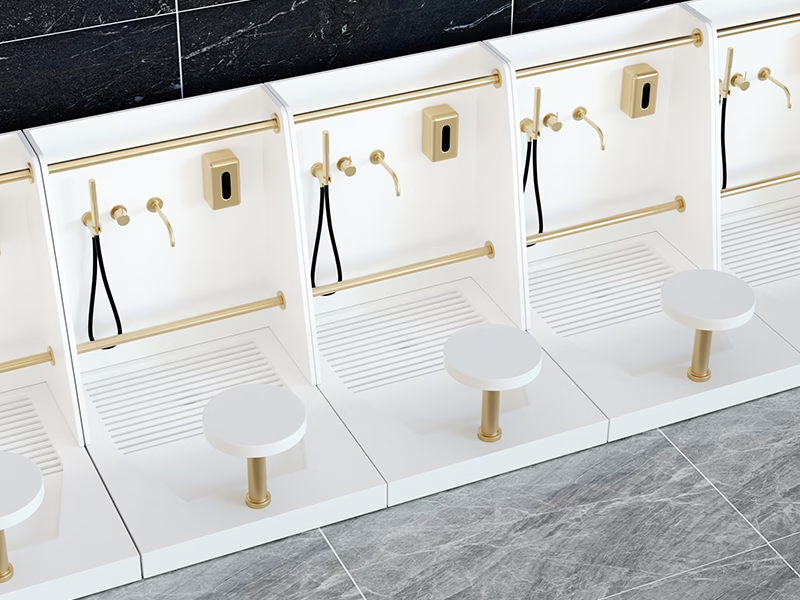
- Material Durability – Opt for non-porous, long-lasting materials like solid surface for hygiene and strength.
- Ergonomics – Ensure the station is at a comfortable height with proper seating options.
- Safety Features – Use slip-resistant flooring and rounded corners to prevent accidents.
- Water Efficiency – Install eco-friendly taps and drainage systems to reduce water waste.
- Scalability – Design stations that can accommodate both small congregations and larger Friday gatherings.
- Aesthetic Integration – Ensure the wudu area complements the mosque’s architectural style and atmosphere.
By carefully considering these elements, mosques can build facilities that are not only functional but also beautiful and spiritually uplifting.
Conclusion
Ablution is a cornerstone of Islamic worship, and providing a dedicated wudu station is one of the most meaningful investments a mosque can make. From enhancing hygiene and safety to reinforcing the spiritual significance of wudu, the benefits are undeniable.
A purpose-built facility elevates the overall experience of worship, creates inclusivity for all users, and upholds the dignity of the mosque as a sacred space.
Call to Action
At WuduWashPro, we specialize in designing and manufacturing dedicated wudu basins tailored to the needs of mosques, schools, and community centers. Our solutions combine durability, hygiene, and ergonomic design to ensure every worshipper can perform ablution with comfort and dignity.
📩 Contact us today to explore our product range and request a free consultation for your mosque project.