Introduction
A wudu basin is one of the most important facilities in a mosque. It provides a dedicated place for ablution, ensuring worshippers can perform wudu comfortably, hygienically, and in line with Islamic tradition. Choosing the right wudu basin is not only about function—it also affects safety, durability, water efficiency, and the overall experience of the worshippers.
This guide highlights the key factors to consider when selecting a wudu basin for your mosque, from material quality to design features and long-term maintenance.
Why the Right Wudu Basin Matters
A thoughtfully chosen wudu basin ensures:
- Comfort for worshippers of all ages and abilities
- Hygiene and cleanliness in the ablution area
- Durability to withstand heavy daily use
- Water conservation, supporting sustainability
- Safety with slip-resistant and ergonomic features
By investing in the right solution, mosques can create a wudu area that is welcoming, functional, and long-lasting.
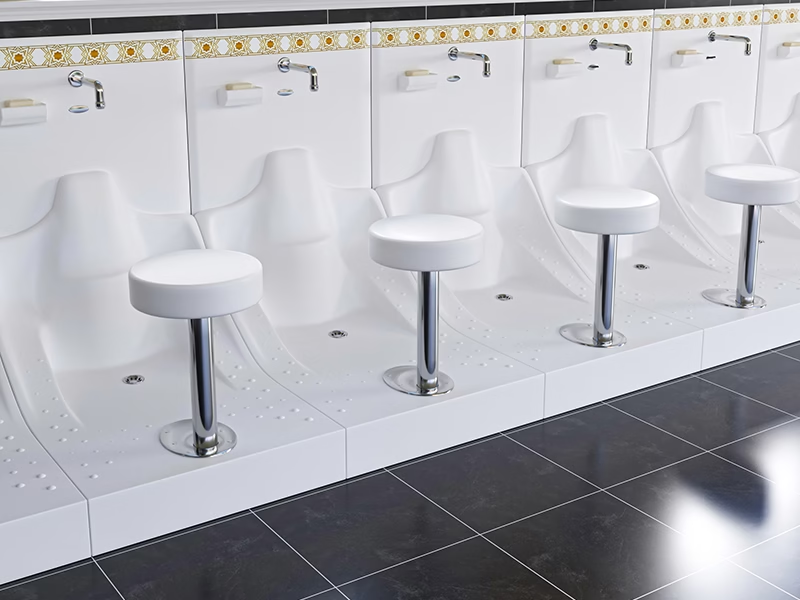
Key Factors to Consider When Choosing a Wudu Basin
Material Quality
The material of the wudu basin determines its strength and ease of maintenance.
- Stainless steel is durable and corrosion-resistant, but may scratch over time.
- Solid surface materials offer a modern look, are non-porous, and resist staining.
- Ceramic basins provide a traditional appearance but may require more maintenance.
Hygiene and Ease of Cleaning
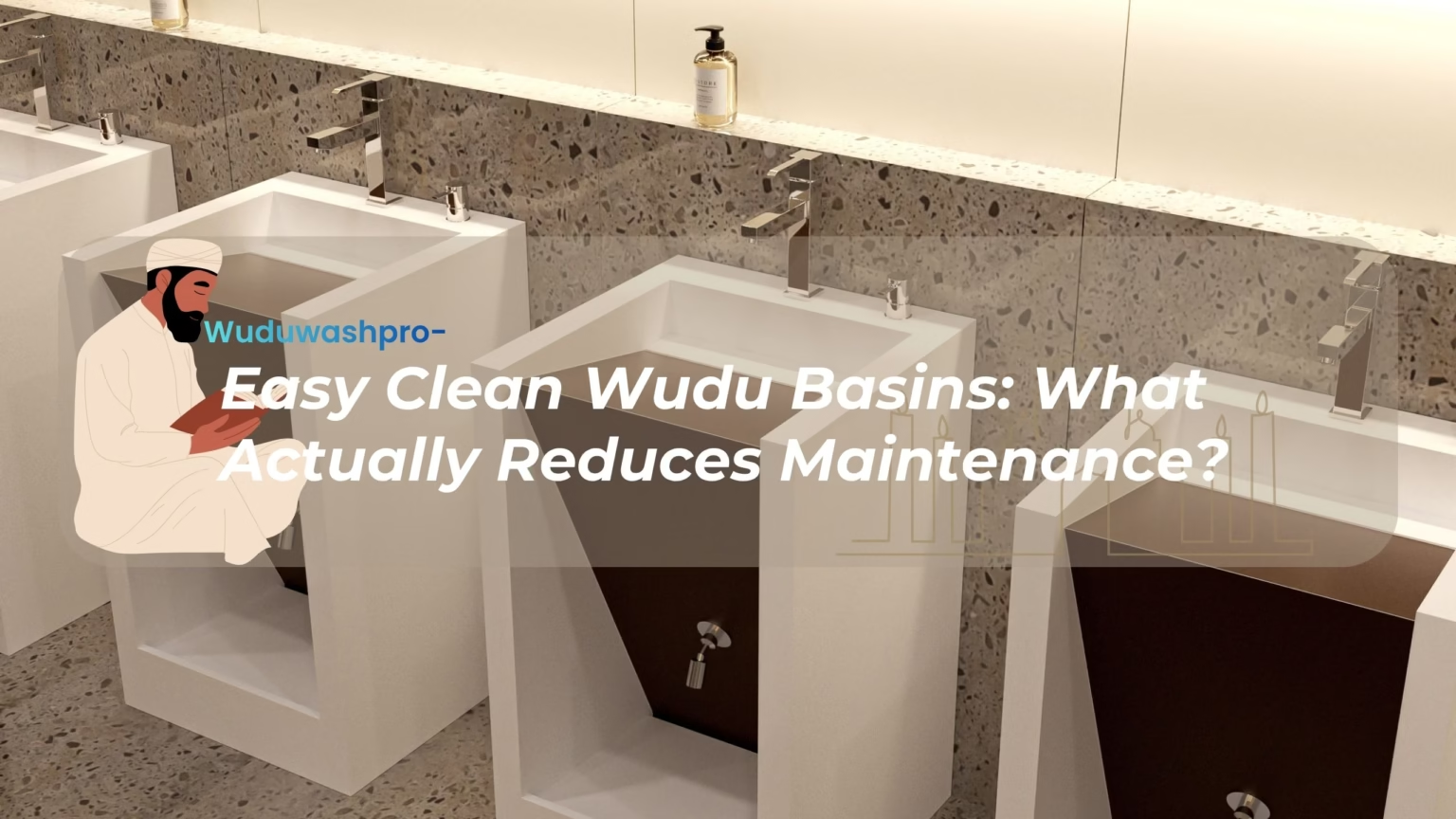
Choose a basin with smooth, non-porous surfaces to prevent bacteria growth. Integrated drainage systems and minimal seams make cleaning easier and more efficient.
Size and Capacity
Consider how many worshippers your mosque accommodates daily.
- Small mosques may only need 1–2 basins.
- Larger mosques or Islamic centers benefit from multi-station basins that allow several people to perform wudu at once.
Ergonomic and Inclusive Design
Accessibility is essential. Look for features such as:
- Comfortable seating height for elderly worshippers
- Child-friendly designs
- Wheelchair accessibility where possible
- Non-slip flooring around the basin area
Water Efficiency
With mosques hosting hundreds of worshippers each day, water-saving features are critical. Modern wudu basins often include:
- Sensor taps to reduce water waste
- Flow restrictors
- Smart drainage systems
Durability and Long-Term Maintenance
Investing in a high-quality basin reduces repair and replacement costs over time. Check for:
- Scratch-resistant surfaces
- Strong plumbing fixtures
- Manufacturer warranties
Aesthetic Design
A well-designed wudu area enhances the mosque environment. Look for basins that complement your mosque’s interior, with clean lines and modern finishes.
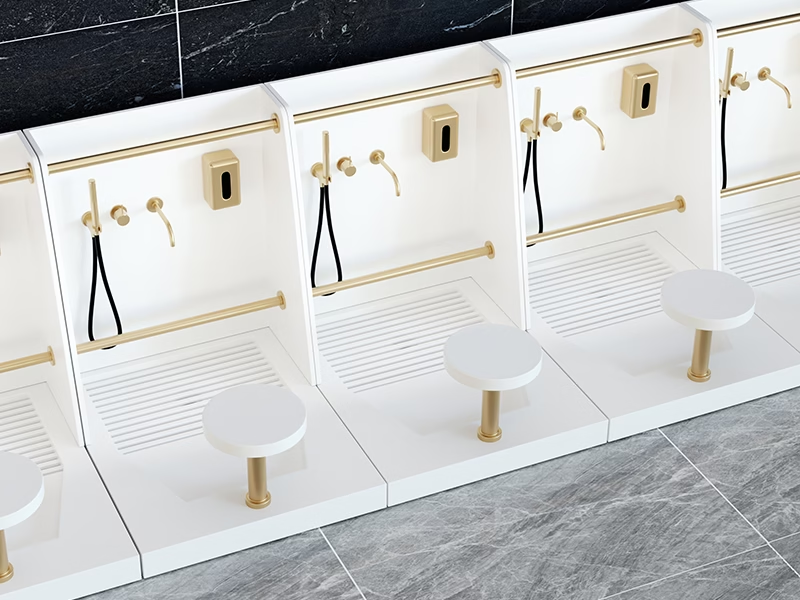
Mistakes to Avoid When Selecting a Wudu Basin
Many mosques face challenges because of poor selection. Avoid these mistakes:
- Choosing low-cost materials that wear out quickly
- Ignoring accessibility needs for elders and children
- Overlooking drainage, which can lead to water damage
- Installing basins without proper ventilation in the ablution area
Conclusion
Selecting the right wudu basin for your mosque is a long-term investment in comfort, hygiene, and sustainability. By considering material, size, design, and durability, your mosque can create a wudu area that supports worshippers and reflects the respect placed on spiritual preparation.
Call to Action
At WuduWashPro, we specialize in designing high-quality, durable, and user-friendly wudu basins tailored for mosques and Islamic centers. Our products focus on hygiene, water efficiency, and inclusive design—making them the perfect choice for your community.
Explore our range of wudu basins and contact us for expert advice on upgrading your mosque’s wudu facilities.
FAQ
1. What is the best material for a wudu basin in a mosque?
Solid surface and stainless steel are the most popular choices. Solid surface is durable, hygienic, and easy to maintain, while stainless steel is long-lasting and resistant to corrosion.
2. How many wudu basins does a mosque need?
It depends on the size of the mosque. Small mosques may only need one or two basins, while larger mosques or Islamic centers often require multiple stations for efficiency.
3. Are modern wudu basins water-efficient?
Yes. Many modern wudu basins feature sensor taps, flow restrictors, and efficient drainage systems that help conserve water without compromising usability.
4. What features make a wudu basin accessible for all worshippers?
Inclusive designs include comfortable seating, child-friendly dimensions, wheelchair accessibility, and slip-resistant flooring around the basin area.
5. Why is durability important when choosing a wudu basin?
A durable wudu basin ensures long-term use, reduces maintenance costs, and prevents issues such as scratches, leaks, or premature wear caused by heavy daily usage.