Introduction
Every mosque or Islamic facility faces the same essential question when planning its ablution area: what size of wudu basin is best? Choosing the right size is not simply about fitting a basin into a room. It is about balancing worshipper comfort, efficiency, and safety while ensuring the facility meets the needs of its congregation during both daily prayers and peak times such as Jumu’ah and Ramadan.
This guide will help you evaluate the right size wudu basin for your facility by considering capacity, space, design, and practical installation needs.
Why Size Matters in Wudu Basins
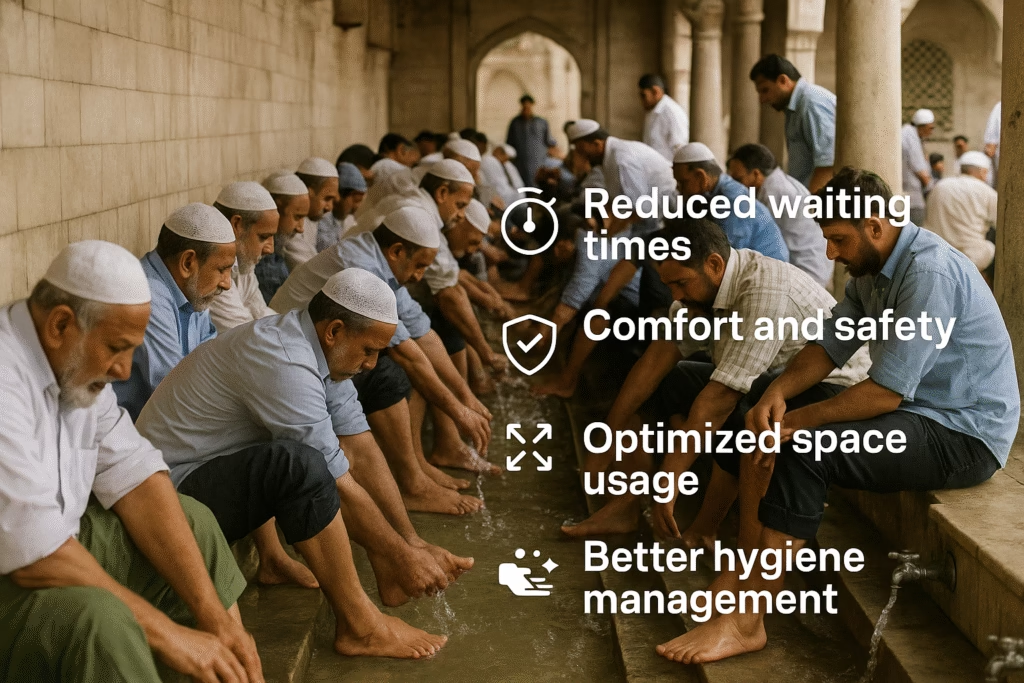
Selecting the correct size ensures:
- Reduced waiting times during busy prayer sessions
- Comfort and safety for all worshippers, including children and the elderly
- Optimized space usage within prayer halls or ablution rooms
- Better hygiene management by avoiding overcrowding in wet areas
As discussed in our Ultimate Buyer’s Guide to Wudu Basins, the size you choose directly impacts how your mosque operates day-to-day.
Step 1: Assess the Size of Your Congregation
Small Facilities
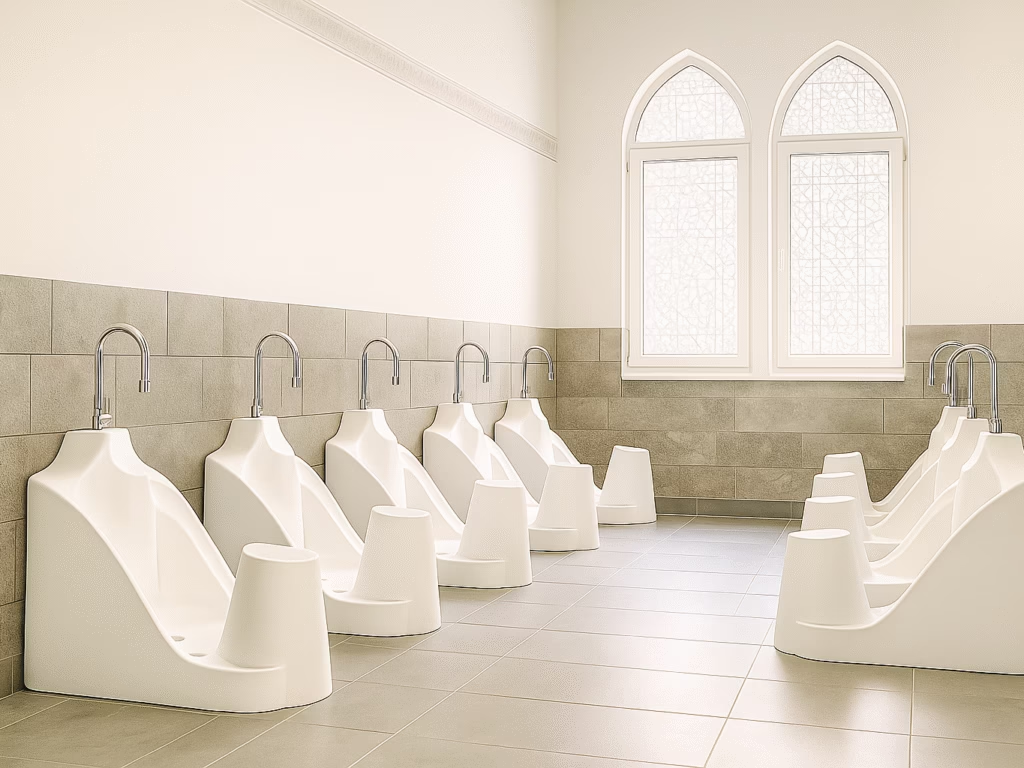
If your facility serves a small group—such as a prayer room or a neighborhood mosque—1 to 3 wudu basins may be enough. Compact wall-mounted units or corner-friendly designs help maximize space without sacrificing function.
Medium-Sized Mosques
For mosques that welcome a few hundred worshippers daily, especially during Friday prayers, 4 to 6 basins will significantly reduce waiting times. These can be arranged in a row or grouped in two smaller sections for easier flow.
Large Islamic Centers
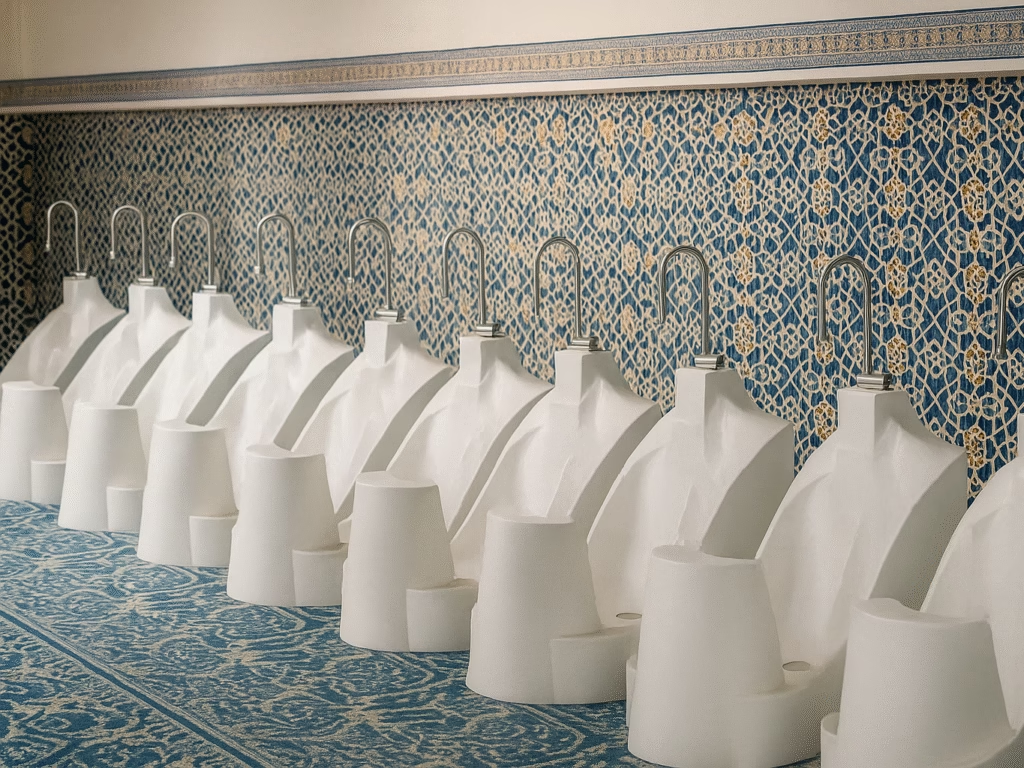
Larger mosques and Islamic centers should plan for 10 or more basins, with separate facilities for men and women. It’s common to design dedicated wudu halls where seating and circulation space are integrated with basin layouts.
Step 2: Evaluate Available Space
Space is as important as congregation size. Even if you need many basins, a cramped layout can cause bottlenecks and safety hazards. Key considerations:
- Floor space: Measure usable room area, not just wall length
- Circulation paths: Ensure people can move comfortably around basins
- Accessibility: Include wheelchair-friendly basins where possible
- Safety: Non-slip flooring and appropriate lighting reduce accidents
For design inspiration, see Top 5 Design Features of Modern Wudu Basins, which highlights ergonomic and inclusive layouts.
Step 3: Consider Peak Usage Times
A facility that feels comfortable during daily prayers may struggle during Friday Jumu’ah. When selecting basin size:
- Calculate average daily attendance and peak attendance separately
- Plan for the higher number, as worshippers will expect efficient access during busy times
- Consider seasonal spikes, especially during Ramadan evenings and Eid
Step 4: Factor in Ergonomic Design
It’s not just about how many basins fit—it’s about how worshippers use them. Proper sizing includes:
- Height considerations: Standard heights may not suit children or elderly users
- Seating integration: Built-in seating ensures longer wudu sessions remain comfortable
- Spacing between basins: Allow enough room to avoid shoulder-to-shoulder discomfort
Our comparison of Stainless Steel vs. Solid Surface Wudu Basins also highlights how different materials can affect design flexibility in multi-unit layouts.
Step 5: Plan for Future Growth
A mosque or facility is not static; congregations grow. Investing in slightly larger capacity today prevents costly renovations tomorrow. If space allows, consider modular or expandable wudu station systems that can adapt over time.
Step 6: Balance Size with Budget
Budget often influences the number of basins a facility can afford. Stainless steel basins are generally more cost-effective, while solid surface basins offer longer-lasting value and better aesthetics. Choosing the right balance ensures your facility doesn’t compromise on function or quality.
Maintenance Considerations
Larger wudu stations require more cleaning and upkeep. Non-porous surfaces and water-efficient taps reduce workload and long-term costs. For maintenance tips, check our article How to Maintain and Clean a Wudu Basin for Long-Term Use.
Conclusion
Choosing the right size wudu basin is a balance of congregation size, available space, budget, and long-term planning. Whether your facility needs two basins or twenty, careful sizing ensures that worshippers perform ablution with dignity, comfort, and efficiency.
Call to Action
At WuduWashPro, we provide customizable wudu basins in a variety of sizes and designs to fit small prayer rooms, medium mosques, and large Islamic centers. Let us help you find the right solution for your community.
Discover our range of wudu basins today and get expert guidance for your facility’s needs.
FAQ
1. How many wudu basins should a small mosque have?
Small mosques or prayer rooms usually need 1–3 basins to serve their congregation comfortably. Compact layouts help save space without losing functionality.
2. What is the ideal number of wudu basins for medium mosques?
Medium mosques serving several hundred worshippers often require 4–6 basins, especially to handle Jumu’ah and Ramadan peak usage.
3. Do large Islamic centers need separate wudu areas for men and women?
Yes. Large centers typically require 10 or more basins and often design separate, dedicated wudu areas to accommodate larger groups simultaneously.
4. How do I plan for future growth when choosing wudu basin size?
Choose slightly larger capacity or modular basin systems that allow expansion. This prevents costly renovations as the congregation grows.
5. What role does ergonomics play in selecting basin size?
Ergonomic design ensures accessibility for children, the elderly, and wheelchair users. Proper spacing and seating integration improve comfort and safety for all.