Introduction
Wudu, or ritual ablution, is a vital practice in Islam, performed before daily prayers. For mosques and Islamic centers, providing the right wudu facilities is both a spiritual responsibility and a practical necessity. With modern innovations in design and materials, mosques now have more options than ever when choosing wudu basins.
This buyer’s guide will walk you through everything you need to know—materials, design features, sizing, installation, and maintenance—so you can make the right investment for your mosque.
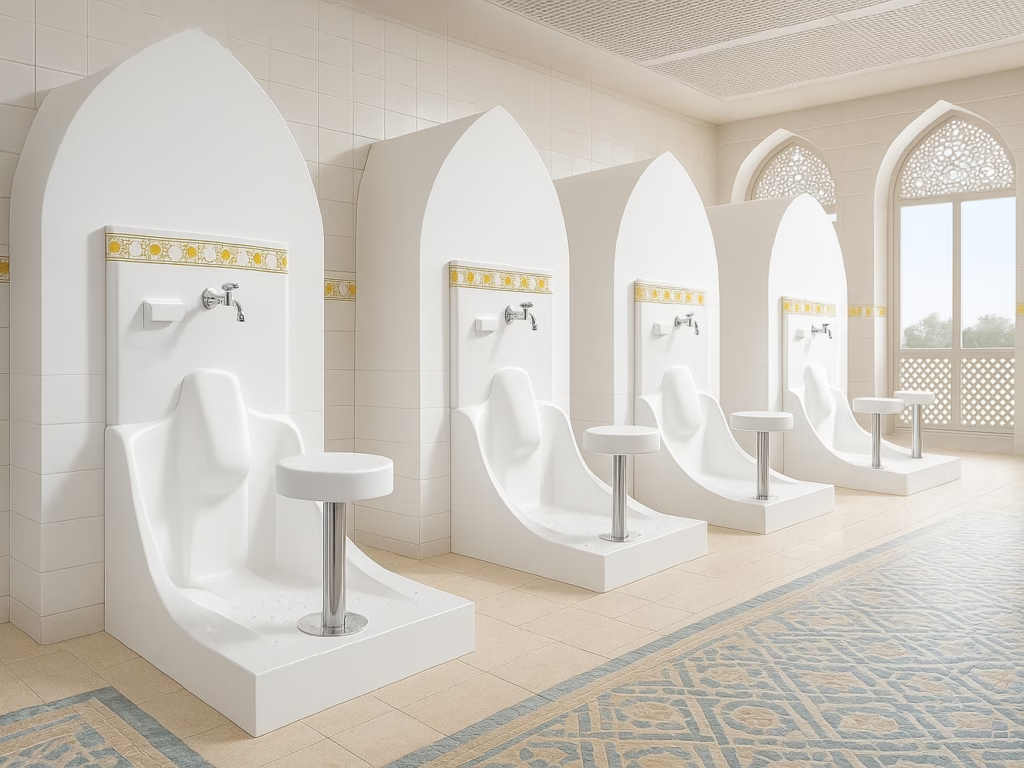
Why Choosing the Right Wudu Basin Matters
A wudu basin is not just a sink; it is an essential part of worship. The right basin can:
- Improve hygiene and cleanliness in ablution areas
- Provide comfort and accessibility for all worshippers
- Reduce long-term maintenance costs for the mosque
- Enhance the aesthetics of the prayer environment
- Support sustainability by conserving water
Selecting the right design ensures worshippers can prepare for prayer with ease and dignity.
Step 1: Consider the Material Options
Stainless Steel Wudu Basins
- Pros: Affordable, durable, corrosion-resistant, lightweight
- Cons: Can scratch easily, noisier with water flow, less modern appearance
- Best for: Small mosques or those seeking cost-effective solutions
Solid Surface Wudu Basins
- Pros: Seamless, hygienic, modern aesthetics, customizable
- Cons: More expensive, heavier, requires careful installation
- Best for: Larger mosques prioritizing inclusivity and long-term investment
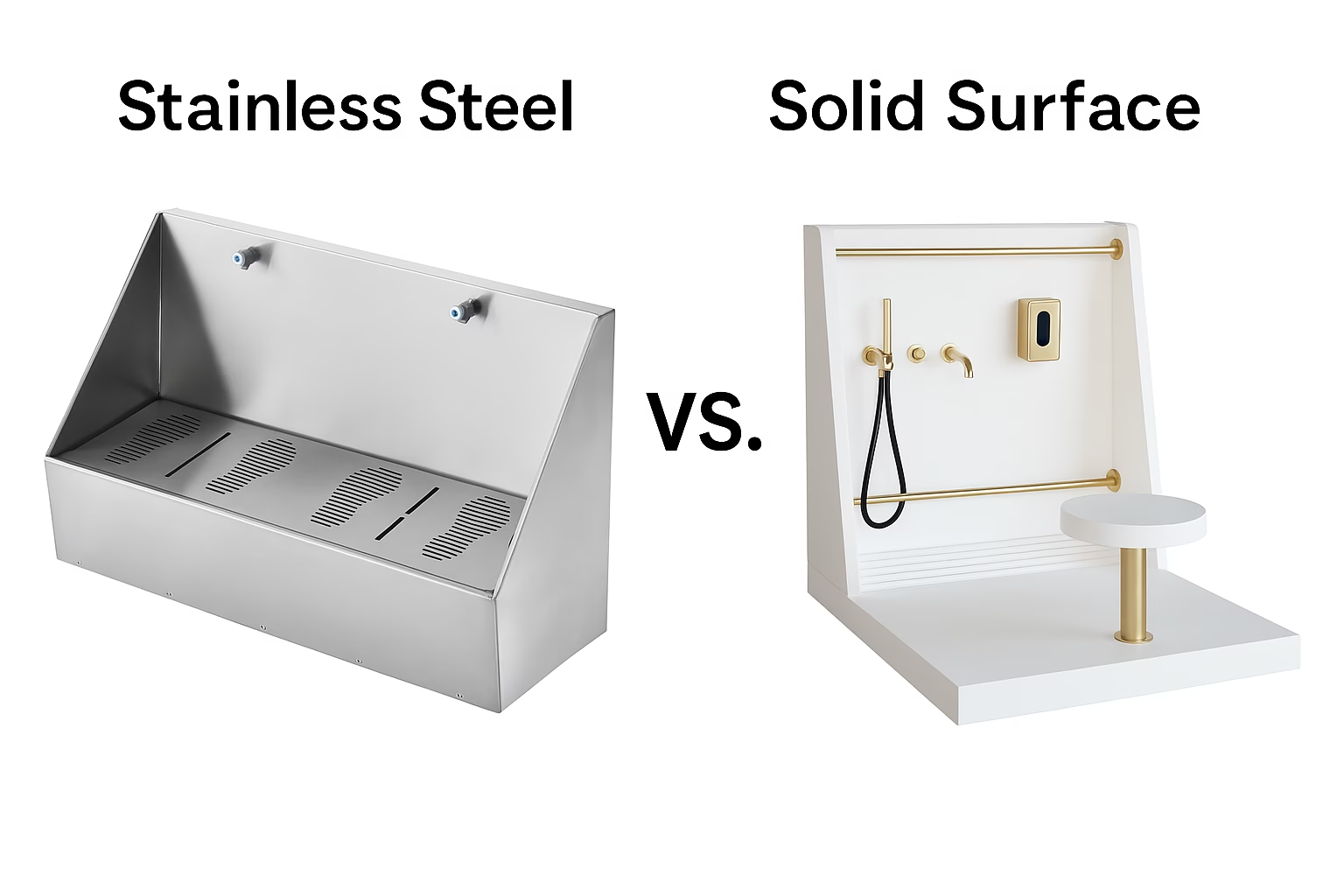
For a deeper comparison, read our article Stainless Steel vs. Solid Surface Wudu Basins: Which Is Better?.
Hybrid Options
Some manufacturers now combine stainless steel frames with solid surface tops, offering a balance of affordability and hygiene.
Step 2: Look for Key Design Features
When evaluating wudu basins, prioritize these modern design elements:
- Ergonomic seating for elderly worshippers
- Child-friendly dimensions to encourage independence
- Wheelchair accessibility for inclusivity
- Non-slip surfaces for safety in wet areas
- Water-efficient taps and drains to conserve resources
- Seamless, non-porous surfaces that are easy to clean
If you want to explore design trends in detail, see Top 5 Design Features of Modern Wudu Basins.
Step 3: Determine the Right Size and Capacity
The size of your wudu station should match the needs of your congregation.
- Small prayer rooms: One to three basins may be enough
- Medium mosques: Four to six basins help reduce waiting times
- Large Islamic centers: Ten or more basins, possibly in separate male and female areas
Tip: Always consider peak prayer times, such as Jumu’ah and Ramadan evenings, when planning capacity.
Step 4: Evaluate Installation Requirements
Proper installation ensures safety and functionality. Important factors include:
- Plumbing compatibility with your mosque’s water system
- Floor support, especially for heavier solid surface basins
- Ventilation to prevent mold and dampness
- Space planning that allows for comfort and accessibility
Step 5: Maintenance and Longevity
A well-chosen wudu basin should last for years with proper care. Consider:
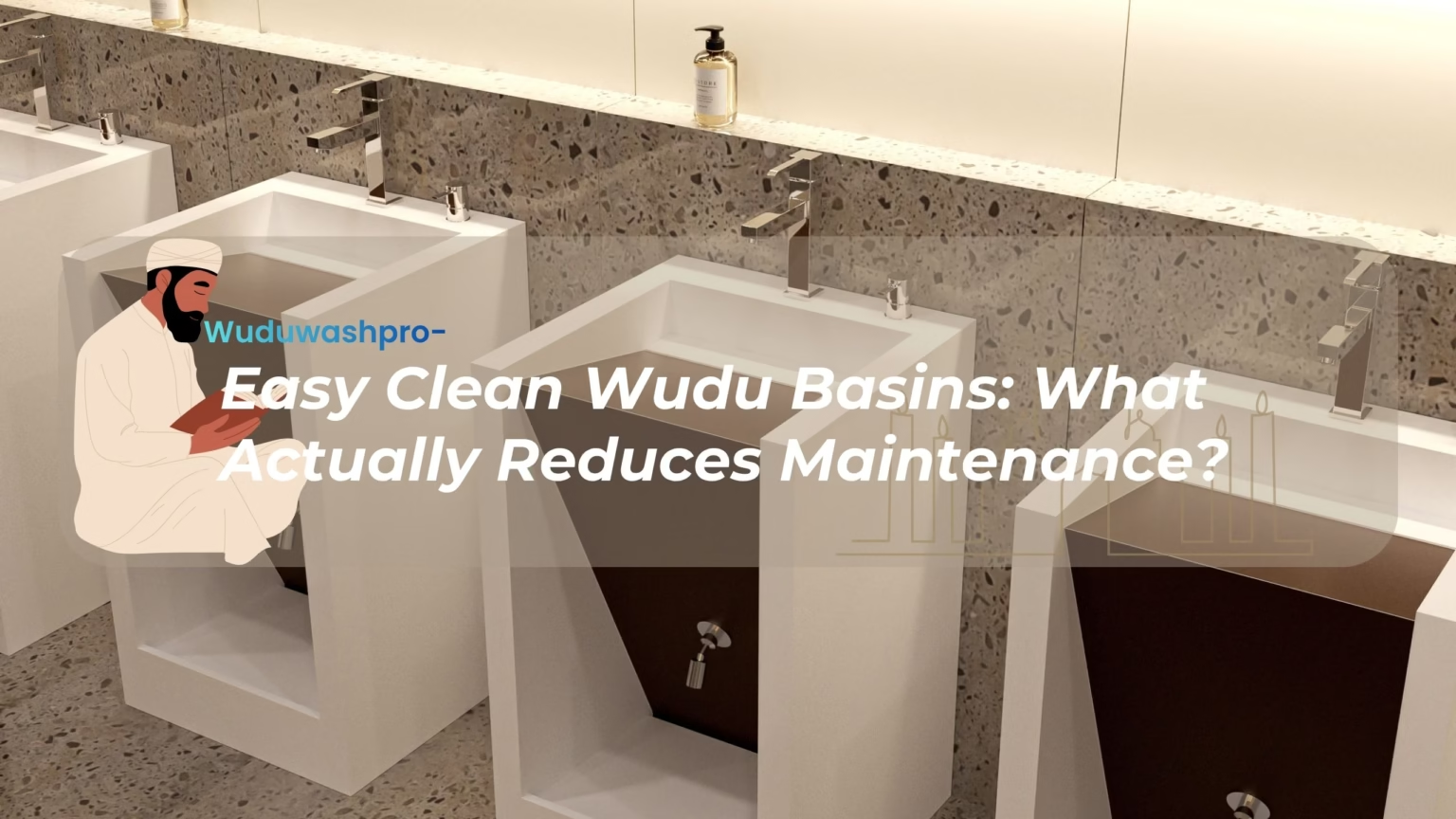
- Ease of cleaning through non-porous surfaces
- Durability against scratches and stains
- Repairability—solid surface can often be restored if scratched
- Manufacturer warranties that protect your investment
You can learn more practical cleaning tips in our dedicated guide on How to Maintain and Clean a Wudu Basin.
Step 6: Budget and Long-Term Value
While cost is always a factor, it should be weighed against long-term value.
- Stainless steel may have a lower upfront cost but show wear faster
- Solid surface is more expensive initially but lasts longer and adds aesthetic value
- Hybrid solutions balance affordability and performance
Think of a wudu basin as a long-term investment in your mosque’s facilities and worshippers’ comfort.
Conclusion
Choosing the right wudu basin is about more than just function—it’s about creating a welcoming, hygienic, and sustainable space for worshippers to prepare for prayer. By considering materials, design features, size, installation, maintenance, and budget, mosques can make informed decisions that benefit their community for years to come.
Call to Action
At WuduWashPro, we provide a range of modern, durable, and customizable wudu basins designed for mosques of all sizes. Whether you need a practical stainless steel solution or a premium solid surface basin, we can help you find the perfect fit.
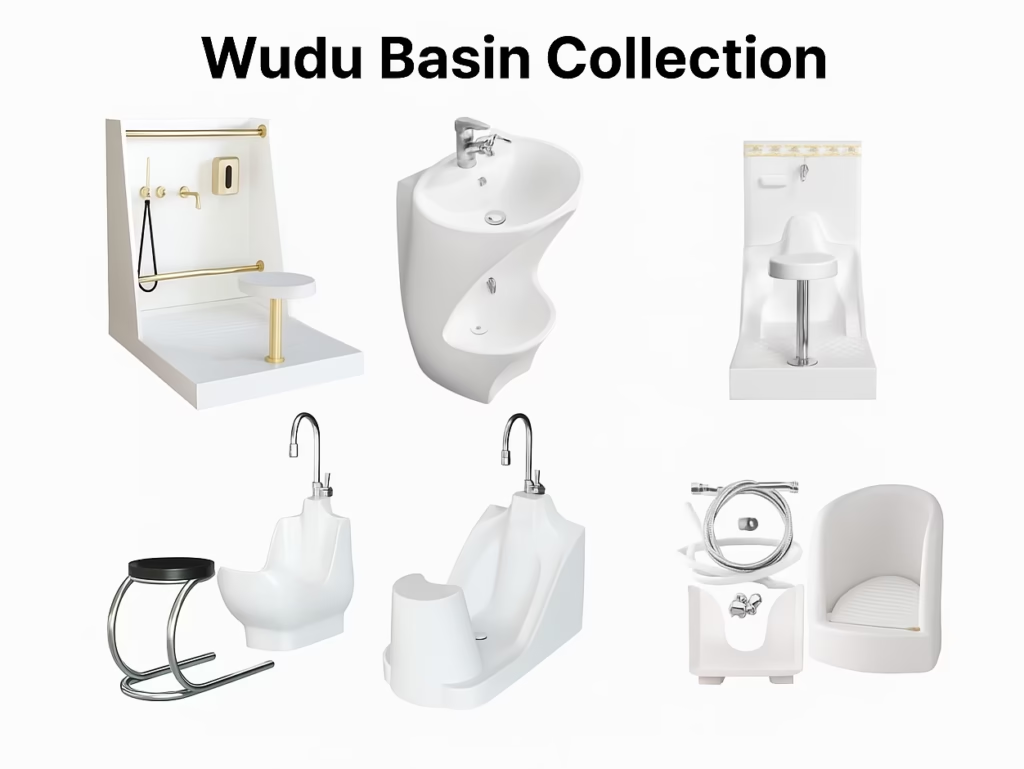
Explore our wudu basin collection today and get expert advice for your mosque’s ablution facilities.
FAQ
1. What should mosques consider when choosing a wudu basin?
Mosques should evaluate material options, design features, capacity, installation requirements, maintenance needs, and long-term costs before making a decision.
2. Which material is better for wudu basins: stainless steel or solid surface?
Stainless steel is durable and affordable, while solid surface offers seamless hygiene and modern aesthetics. The choice depends on budget and usage requirements.
3. How many wudu basins does a mosque need?
It depends on congregation size. Small mosques may need 1–3, medium mosques 4–6, and large Islamic centers 10 or more to avoid long waiting times during peak prayers.
4. Are modern wudu basins water-efficient?
Yes, many modern basins include sensor taps, flow restrictors, and smart drainage systems that reduce water waste and support sustainability.
5. How can mosques maintain wudu basins for long-term use?
Regular cleaning, proper ventilation, and timely repairs are essential. Non-porous materials like solid surface make maintenance easier and more hygienic.