Introduction
The Middle East is home to some of the world’s most architecturally ambitious and spiritually significant mosques. From the marble courtyards of Abu Dhabi’s Sheikh Zayed Grand Mosque to the minimalist prayer halls in contemporary Islamic centers, every design element carries both cultural and functional meaning. One area receiving growing attention from architects and project developers is the customization of wudu basins—a feature essential to worship yet often overlooked in design conversations.
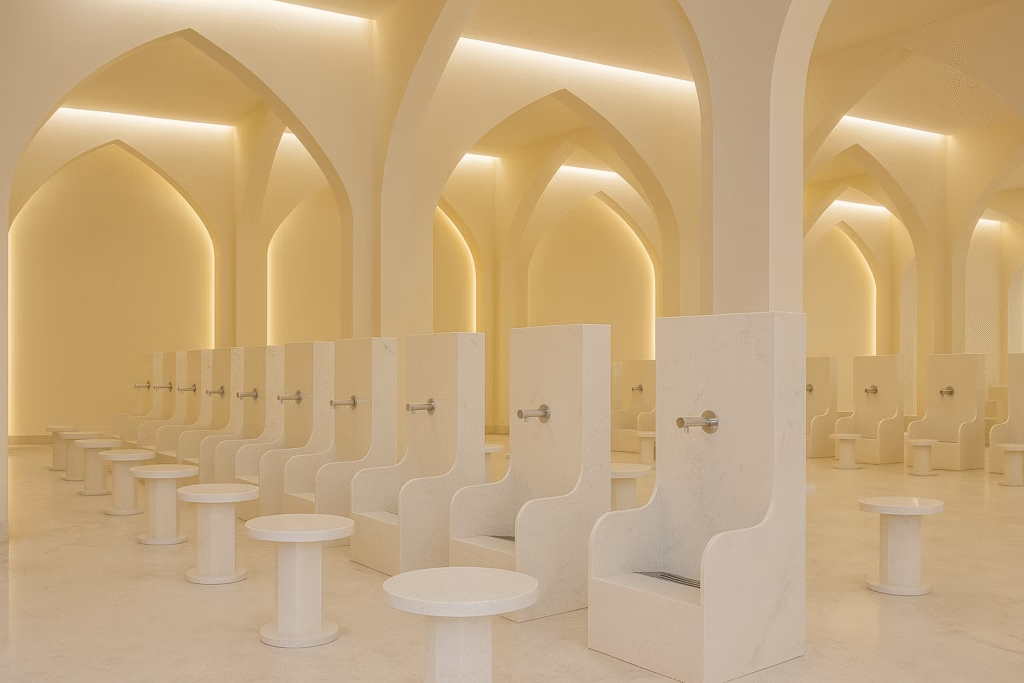
In this context, solid surface material has emerged as the preferred choice for custom wudu basins in mosque projects across the Middle East. Its unique balance of aesthetics, durability, hygiene, and design flexibility makes it ideal for the region’s demanding environmental and cultural needs.
The Cultural and Climatic Context of the Middle East
Mosque architecture in the Middle East must navigate two key realities: intense daily usage and harsh climatic conditions. With hundreds or even thousands of worshippers performing wudu several times a day, the basin material must endure constant exposure to water, heat, and humidity without deterioration.
Moreover, mosques serve not only as places of prayer but also as cultural and educational centers. Their design must embody beauty, cleanliness, and harmony—principles that are deeply rooted in Islamic teachings.
Thus, the rise of custom solid surface wudu basins represents a modern interpretation of traditional Islamic values through material innovation.
Why Customization Matters in Mosque Projects
Tailored to Architectural Identity
Every mosque has its own architectural narrative—some emphasize geometric minimalism, others celebrate ornamentation and marble grandeur. Custom wudu basins allow designers to integrate the ablution area seamlessly into the mosque’s identity.
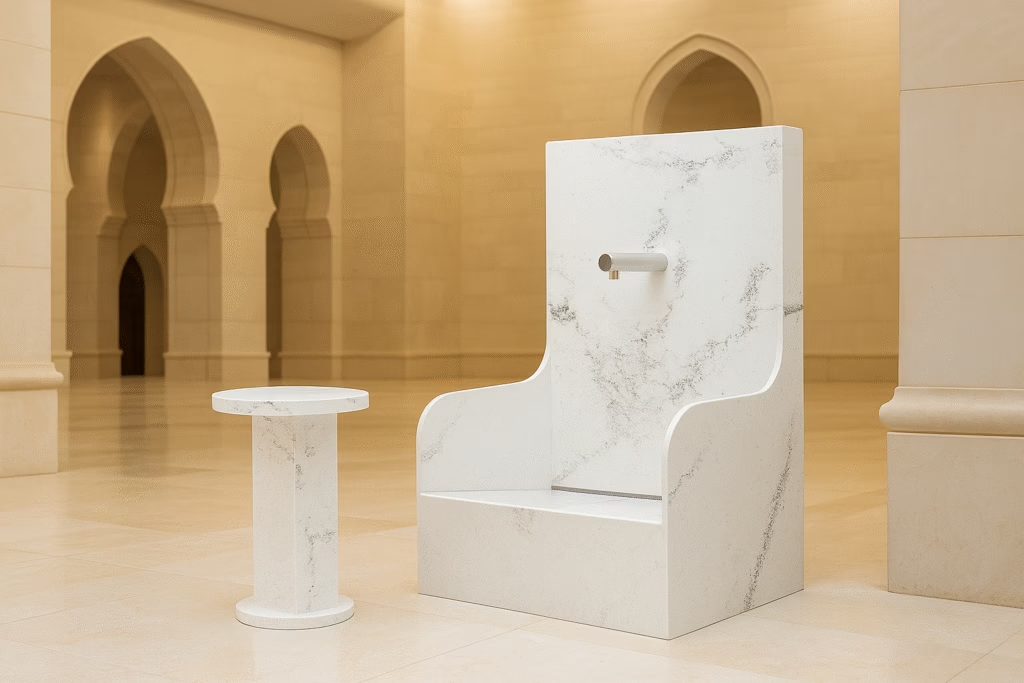
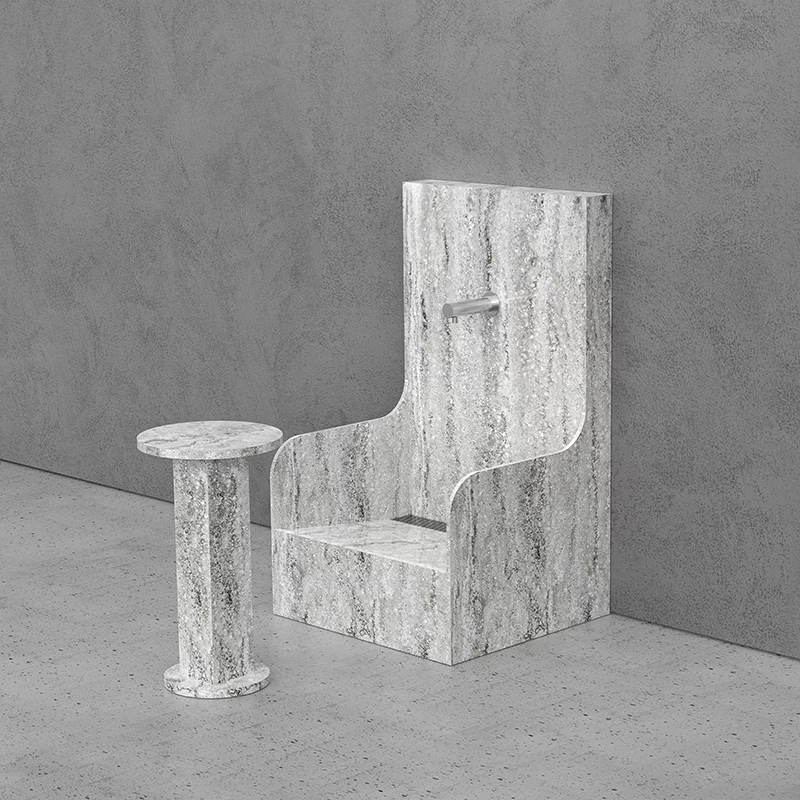
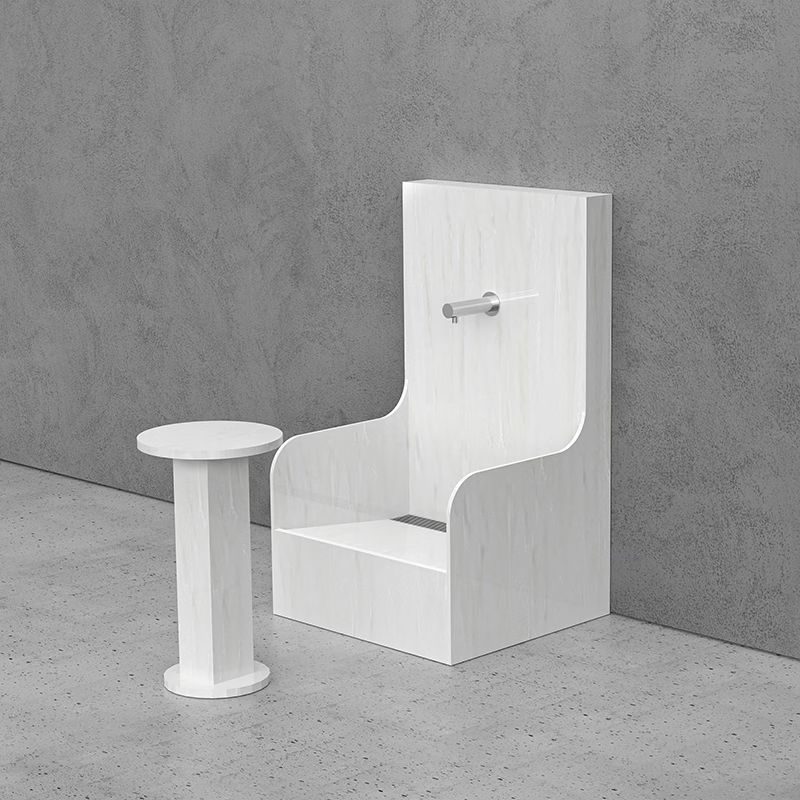
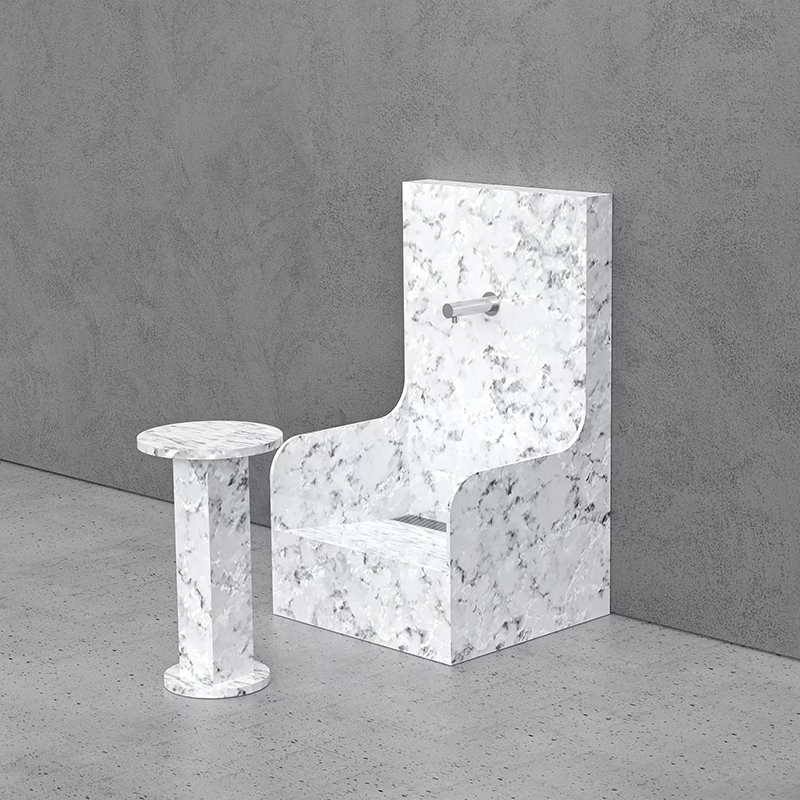
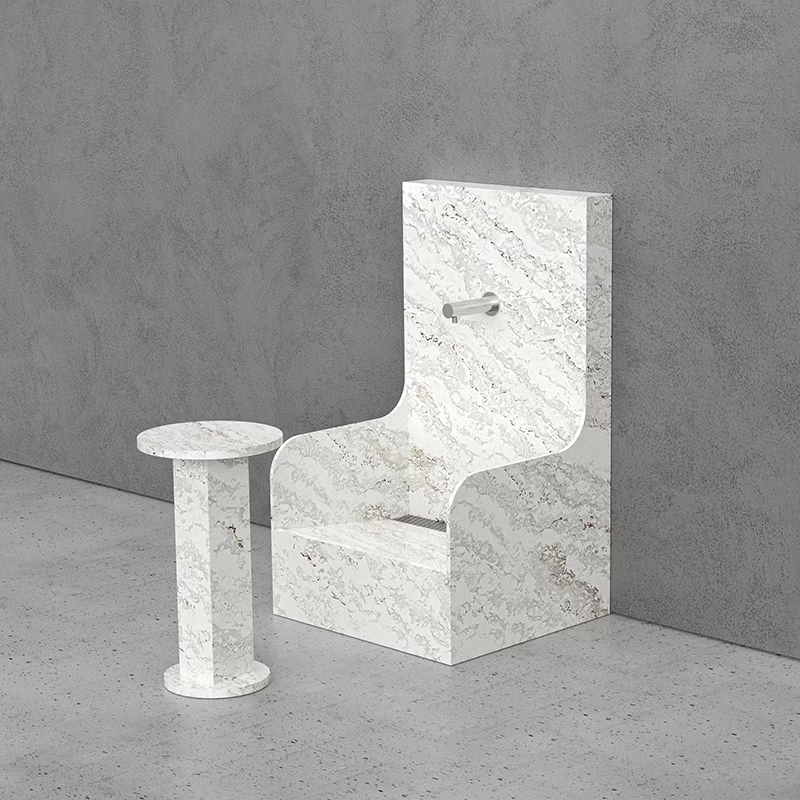
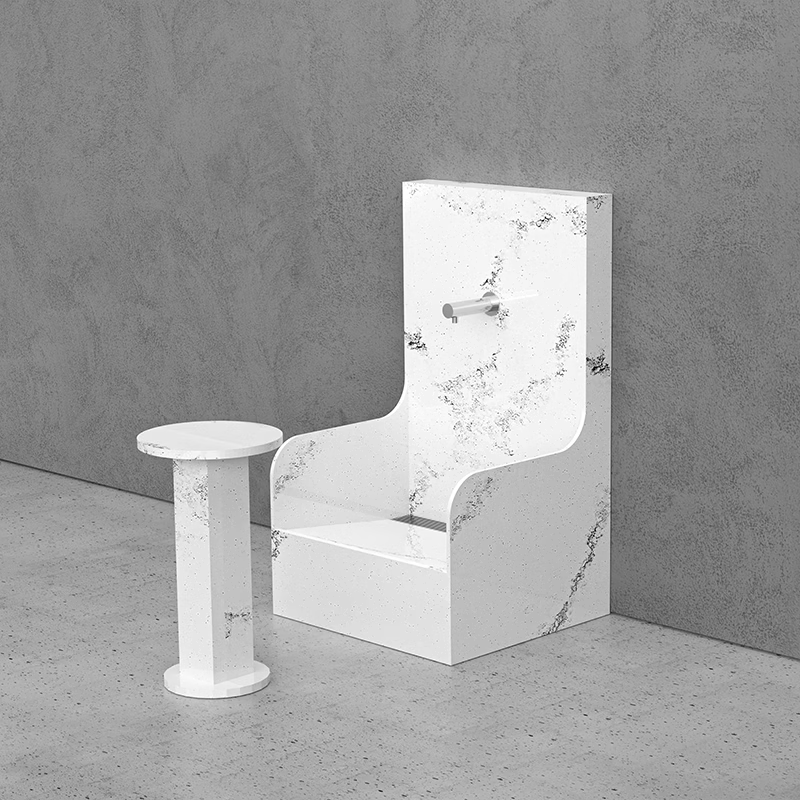
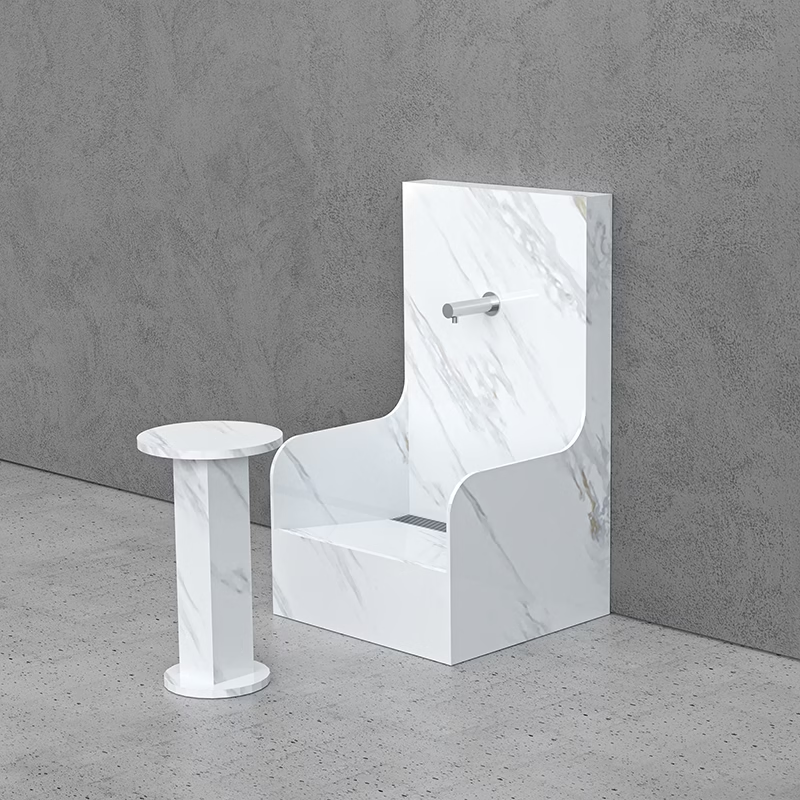
- Color harmony: Solid surface can be crafted in pure white, marble textures, or warm sand tones that complement local stonework.
- Form flexibility: The material can be thermoformed into curved or continuous basin designs, suitable for group ablution zones.
- Integrated features: Soap niches, drainage slots, and engraved Arabic calligraphy can be built directly into the structure for elegance and efficiency.
👉 Related reading: Exploring Dual-Level Wudu Basins: Comfort for Hands and Feet.
Adapting to Usage Density
High-traffic mosques—particularly in Saudi Arabia, the UAE, Qatar, and Kuwait—require basins that are durable, easy to clean, and quick to maintain between prayer sessions. Custom designs ensure that each installation matches the flow of worshippers and the available space.
For example, a large Friday mosque may choose multi-user wudu counters with separate drainage systems, while a private prayer room in a villa project may prefer a single elegant basin.
Solid Surface: The Ideal Material for Mosque Wudu Areas
1. Seamless Hygiene
Unlike ceramic or stone, solid surface joints are invisible, eliminating gaps where dirt and bacteria can accumulate. This ensures continuous cleanliness—an essential requirement in religious facilities.
- Non-porous, preventing mold and stains.
- Easy to disinfect with mild soap and water.
- Resistant to humidity and temperature fluctuations common in Gulf climates.
👉 Read more: Maintaining Hygiene Standards in Public Wudu Facilities.
2. Design Flexibility
Solid surface can be molded, curved, and cut without visible seams, allowing creative freedom for architects. Whether a project demands long communal counters or compact corner basins, the material adapts effortlessly.
Custom fabrication also supports branding or mosque identity elements, such as Quranic verses or Islamic motifs integrated into the basin’s surface.
3. Durability in Harsh Environments
The Middle East’s climate can be challenging—high temperatures, sand, and humidity test any building material. Solid surface’s thermal stability and UV resistance ensure it maintains color and structure even in semi-outdoor spaces or open courtyards.
4. Sustainability and Maintenance Efficiency
Solid surface products can be refurbished rather than replaced, extending their life cycle and reducing waste. Their easy-clean nature minimizes water use and cleaning chemicals—aligning perfectly with eco-conscious mosque initiatives emerging across the region.
👉 Related article: Sustainable Materials for Modern Wudu Facilities: Beyond Aesthetics.
Case Examples: Middle Eastern Applications
1. Large-Scale Mosque Complexes
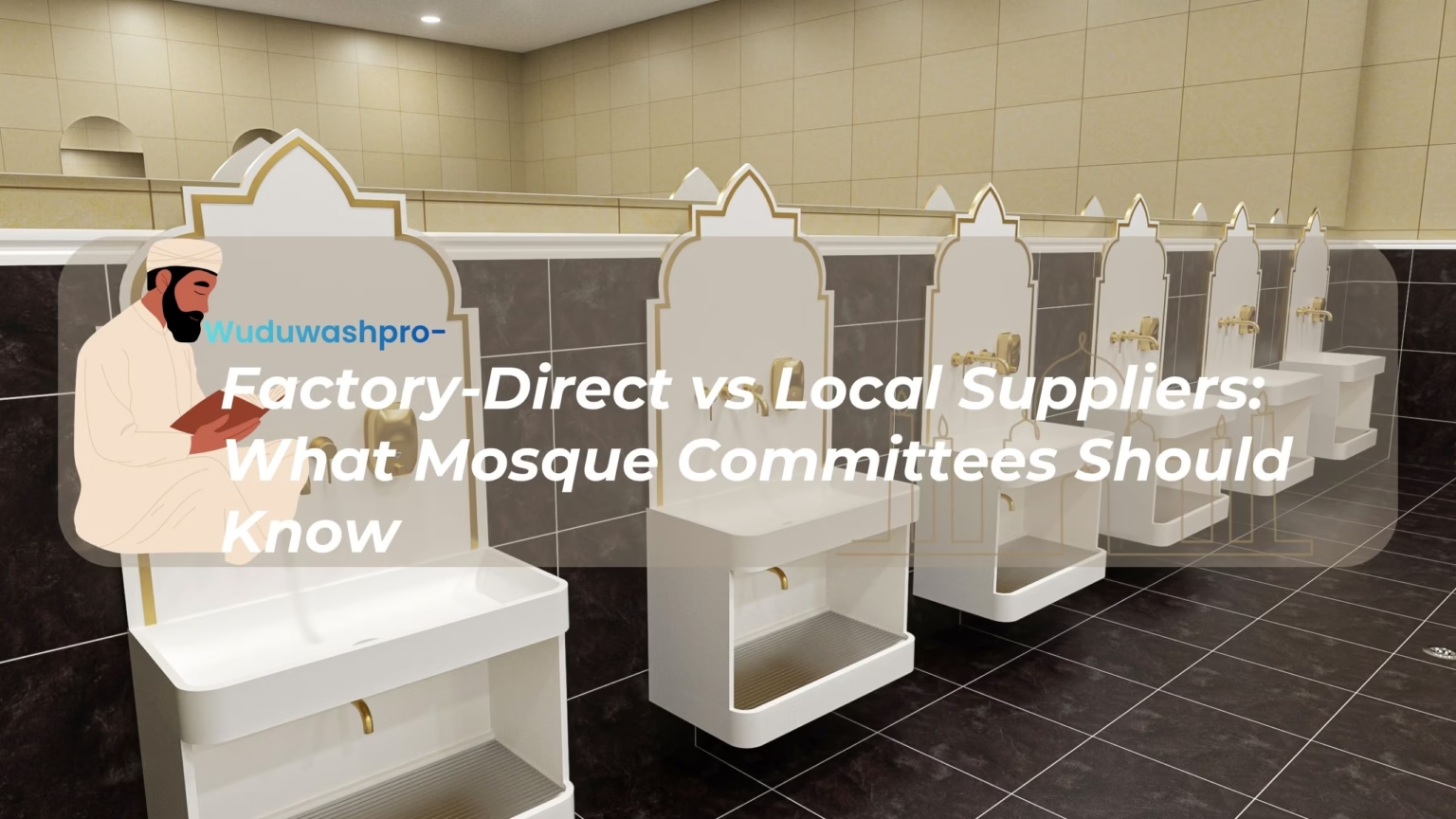
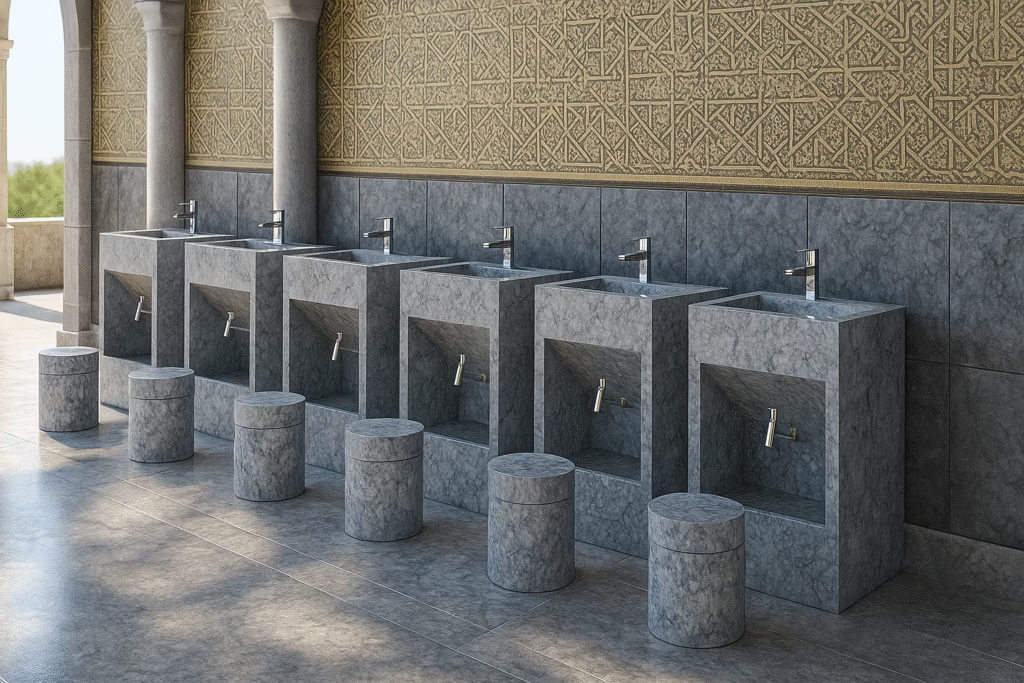
In high-capacity mosques, designers often specify custom linear wudu counters with integrated seating. Solid surface allows continuous slab production without visible joints, giving a sense of unity and modern luxury.
2. Boutique Prayer Rooms and Villas
Smaller prayer spaces in hotels or residences often opt for compact wudu basins with minimalist aesthetics—seamless, soft-edged, and available in custom shades that blend with marble or natural stone walls.
3. Public and Airport Mosques
Durability and hygiene dominate these projects. Solid surface basins combined with sensor-activated faucets and anti-slip flooring create low-maintenance ablution areas suitable for 24-hour usage.
Choosing the Right Partner for Custom Fabrication
The key to successful mosque projects lies not just in material selection but also in expert craftsmanship. Manufacturers with experience in solid surface thermoforming, precision finishing, and project customization can deliver consistency across large-scale installations.
KKR® (Kingkonree), for example, has supported mosque and public prayer room projects across the GCC, offering:
- Full customization in color, shape, and integration.
- Seamless installation and edge-to-edge texture matching.
- Flexible MOQ for both large and small mosque applications.
- Sample support and 3D rendering for design approval.
Conclusion
Custom wudu basins are redefining mosque architecture in the Middle East—transforming a functional element into an expression of spirituality, design, and sustainability.
With its hygienic, durable, and fully customizable properties, solid surface is not just a material choice; it’s a design philosophy that aligns with the region’s vision for modern Islamic architecture.
Whether for a grand mosque in Dubai, a prayer facility in Riyadh, or a private villa in Doha, solid surface wudu basins combine timeless faith with contemporary innovation.
👉 Explore custom fabrication options and design support for your next project at WuduWashPro.com.
FAQ
1. Why are solid surface wudu basins ideal for Middle Eastern mosques?
Because they are resistant to heat, humidity, and high-traffic use—perfect for the region’s climate and mosque usage frequency.
2. Can solid surface basins be customized for large mosque projects?
Yes, they can be produced in any size, color, and shape to fit architectural needs, from individual basins to long communal counters.
3. How does solid surface compare to marble or ceramic?
It is more hygienic, seamless, and repairable than marble or ceramic, making it ideal for areas with frequent cleaning and water exposure.
4. Is solid surface suitable for outdoor or semi-outdoor ablution areas?
Yes. It resists UV fading, temperature shifts, and moisture, maintaining color and structure even in open courtyard settings.
5. Do custom wudu basins support sustainability goals?
Absolutely. Their long lifespan, refurbishability, and low maintenance make them an environmentally responsible option for modern mosques.