Introduction
Accessibility is a cornerstone of modern architectural design — and nowhere is it more important than in places of worship. For elderly or disabled worshippers, performing wudu (ablution) can become a physical challenge when facilities are not properly designed. Islam encourages inclusivity in worship, and ensuring that everyone can perform purification comfortably and safely is both a moral duty and a design responsibility.
In recent years, architects and manufacturers have begun prioritizing accessible wudu facility design, combining ergonomics, solid surface materials, and assistive technologies to make mosque environments safer, cleaner, and more dignified for all users.
Understanding Accessibility in Religious Contexts
Accessibility in mosques is not limited to prayer halls or entrances — it must extend to ablution areas, which see frequent and repetitive use. Older worshippers often struggle with bending to wash their feet or maintaining balance on slippery floors, while wheelchair users face height and reach challenges.
A thoughtfully designed wudu area accommodates diverse physical needs while maintaining the spiritual integrity of the ritual. It creates an environment that fosters independence and privacy without compromising hygiene or aesthetics.
Key Design Principles for Accessible Wudu Facilities
1. Ergonomic Basin Heights and Dual-Level Designs
Wudu basins should be installed at varied heights to serve both standing and seated users. Dual-level wudu basins or adjustable-height models allow elderly and wheelchair users to reach faucets comfortably.
- Ideal standing basin height: 850–900 mm
- Ideal seated basin height: 700–750 mm
- Depth should allow knee clearance for wheelchair access.
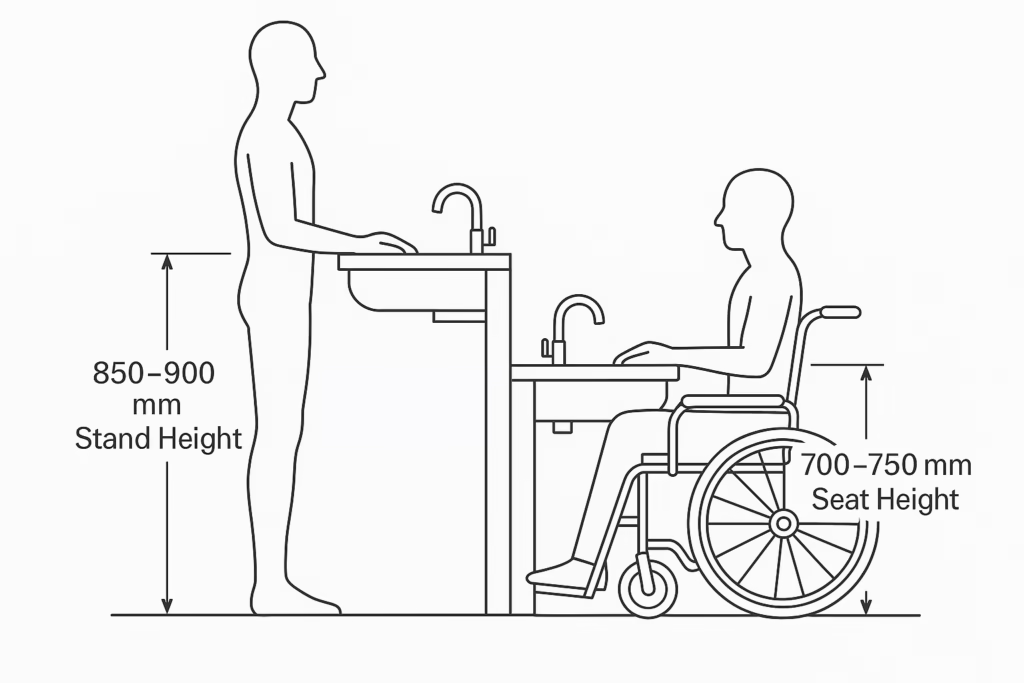
Solid surface materials are excellent for these configurations because they can be custom-formed to precise ergonomic standards.
👉 Related: Exploring Dual-Level Wudu Basins: Comfort for Hands and Feet
2. Safe and Non-Slip Flooring
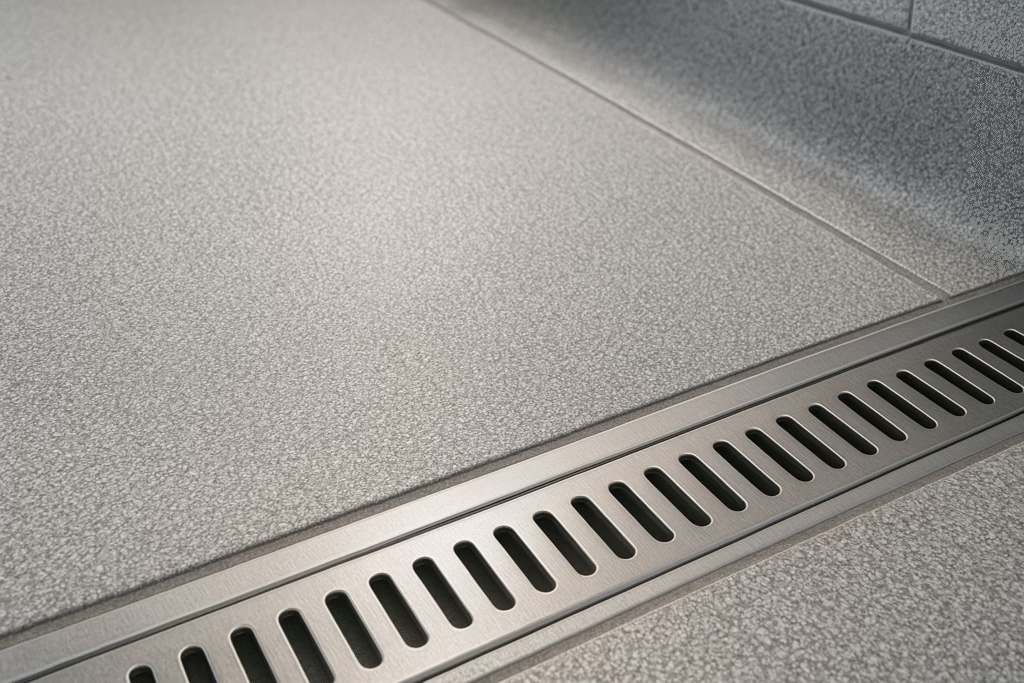
Falls are among the most common risks in wet environments. Accessible wudu facilities require anti-slip flooring with drainage channels to prevent water accumulation.
Recommended flooring features include:
- R11–R13 slip resistance ratings.
- Slightly sloped floors (1–2%) toward trench drains.
- Textured tiles or rubber mats in high-use zones.
3. Supportive Seating and Grab Bars
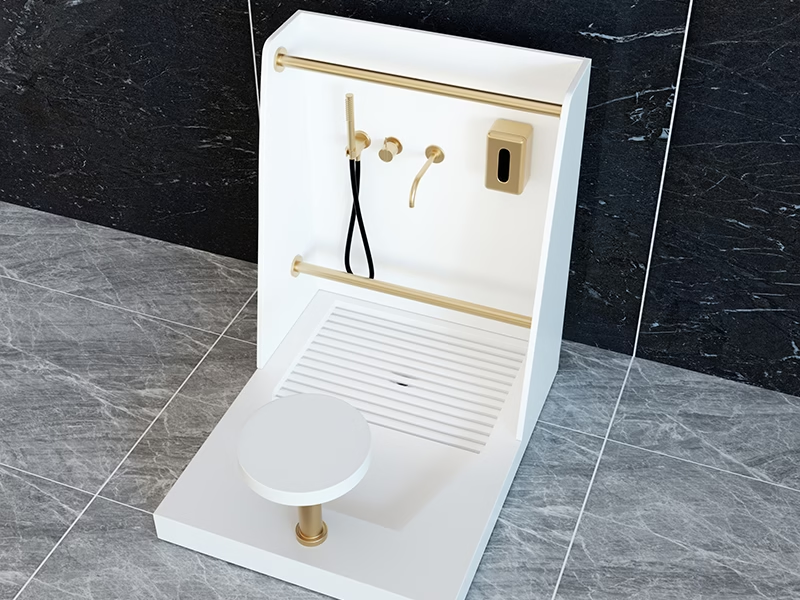
Seating is essential for elderly or mobility-impaired users. Fixed wudu chairs made from stainless steel or solid surface can be integrated directly into basin counters.
Additional features:
- Grab bars adjacent to basins and walls for stability.
- Rounded edges and seamless joints to avoid injury.
- Foldable seating in compact installations.
These measures ensure comfort and safety during ablution, allowing users to perform the ritual independently.
4. Touchless Technology for Accessibility
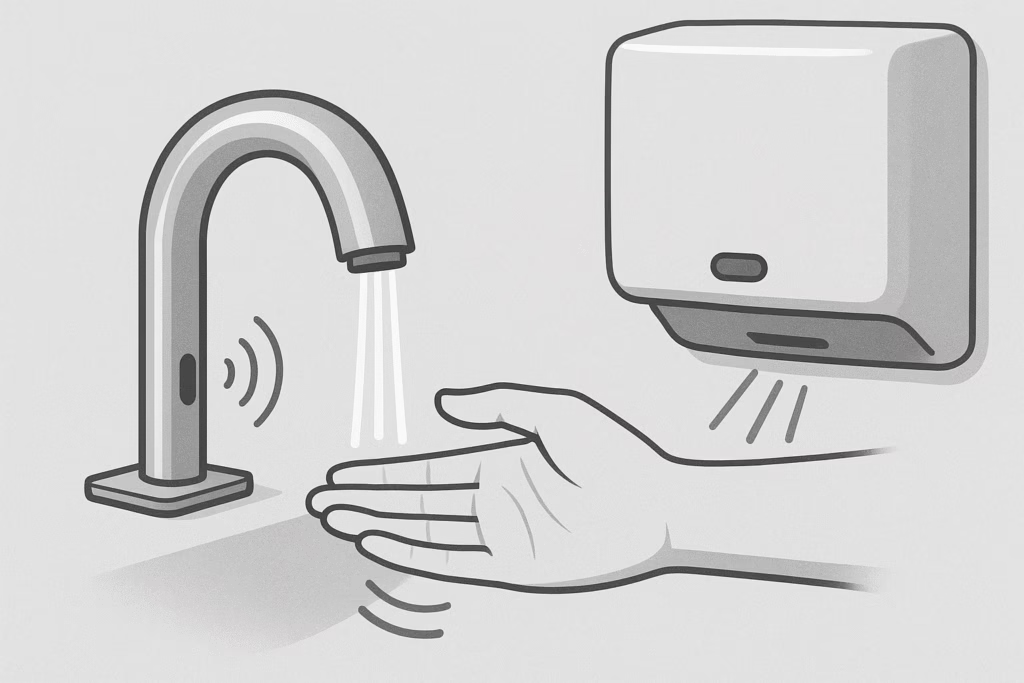
Automation enhances hygiene and convenience, especially for users with limited mobility. Incorporating touchless sensors and automatic dryers eliminates the need for manual control.
- Sensor-based faucets simplify water control.
- Automatic soap dispensers reduce physical effort.
- LED indicators assist visually impaired users.
👉 Read more: The Future of Smart Wudu Facilities: Sensors, Hygiene, and Automation
5. Inclusive Spatial Layout and Circulation
Accessibility begins with spatial planning. Wudu areas should be wide enough for wheelchairs and walkers to move freely without congestion.
Best practices:
- Minimum turning radius: 1500 mm.
- Door width: 900 mm or larger.
- Clear visual zoning between wet and dry areas.
- Direct connection to accessible prayer rooms or entrances.
Good circulation reduces fatigue and provides dignity by ensuring privacy and independence.
Material Considerations: Why Solid Surface is Ideal
Solid surface materials play a major role in accessible wudu design. Their seamless, warm-to-touch texture provides safety and comfort while meeting strict hygiene requirements.
Advantages:
- Non-slip, non-porous finish resists mold and stains.
- Rounded corners prevent injury.
- Customizable for various heights, shapes, and color contrasts for visibility.
👉 Learn more: Why Solid Surface is the Best Material for Wudu Basins
Case Applications: Accessibility in Practice
1. Community Mosques in the UAE and Saudi Arabia
New mosque projects increasingly specify wheelchair-accessible ablution zones, featuring low-height basins, grab bars, and sensor-activated taps.
2. Educational Institutions and Airports
Public prayer facilities in universities and transport hubs integrate universal design principles to accommodate students, travelers, and visitors with diverse mobility levels.
3. Retrofitting Existing Facilities
Older mosques can retrofit wudu areas with modular units, adding accessible basins and slip-resistant flooring without major reconstruction.
Conclusion
Designing accessible wudu facilities is an act of compassion, inclusivity, and faith. By combining ergonomic design, assistive technology, and solid surface materials, architects and developers can ensure that every worshipper — regardless of age or ability — can perform ablution safely and independently.
Accessibility in worship is not just a design goal; it is a reflection of Islamic values — respect, equality, and care for all.
👉 Discover customizable accessible wudu basin solutions at WuduWashPro.com.
FAQ
1. Why is accessibility important in wudu design?
Because Islam encourages equal participation in worship, and accessible design ensures that elderly and disabled worshippers can perform ablution safely.
2. What features improve accessibility in wudu areas?
Dual-level basins, anti-slip flooring, supportive seating, and grab bars significantly enhance safety and comfort.
3. Can existing mosques add accessible wudu stations?
Yes. Modular solid surface basins can be retrofitted easily without major structural changes.
4. Are automatic faucets useful for accessibility?
Yes. Sensor-based systems simplify operation for users with limited mobility and improve hygiene.
5. What materials are best for accessible wudu facilities?
Solid surface materials provide seamless, durable, and warm-to-touch finishes ideal for safe, inclusive wudu design.