Introduction
As the global landscape of worship spaces evolves, the design of the ablution area has become far more than a purely functional element. For Muslims performing Wudu, the basin is the threshold of prayer — a place where hygiene meets faith, and design meets devotion. In 2025, wudu basin designs reflect the convergence of ergonomics, material innovation, cultural aesthetics, and high‐traffic public use. This article highlights the Top 7 popular wudu basin designs currently shaping the market — helping designers, mosque committees, and facility planners make informed choices.
The Design Trends Backdrop
According to manufacturers and industry blogs, wudu wash stations have shifted from older materials like tiles and concrete to modern solutions emphasising hygiene and comfort. Meanwhile, the design of wash-basins in Middle Eastern contexts emphasises geometric patterns, minimalist aesthetics, and multi-user functionality. With this in mind, the following designs have emerged as the most popular in 2025.
1. Dual-Level Multi-User Stations
This design features a tiered basin system (e.g., higher level for hands/arms, lower for feet) or two heights to accommodate seated users and standing users. It’s especially suited for high-traffic mosques or airport prayer facilities.
Why it’s popular:
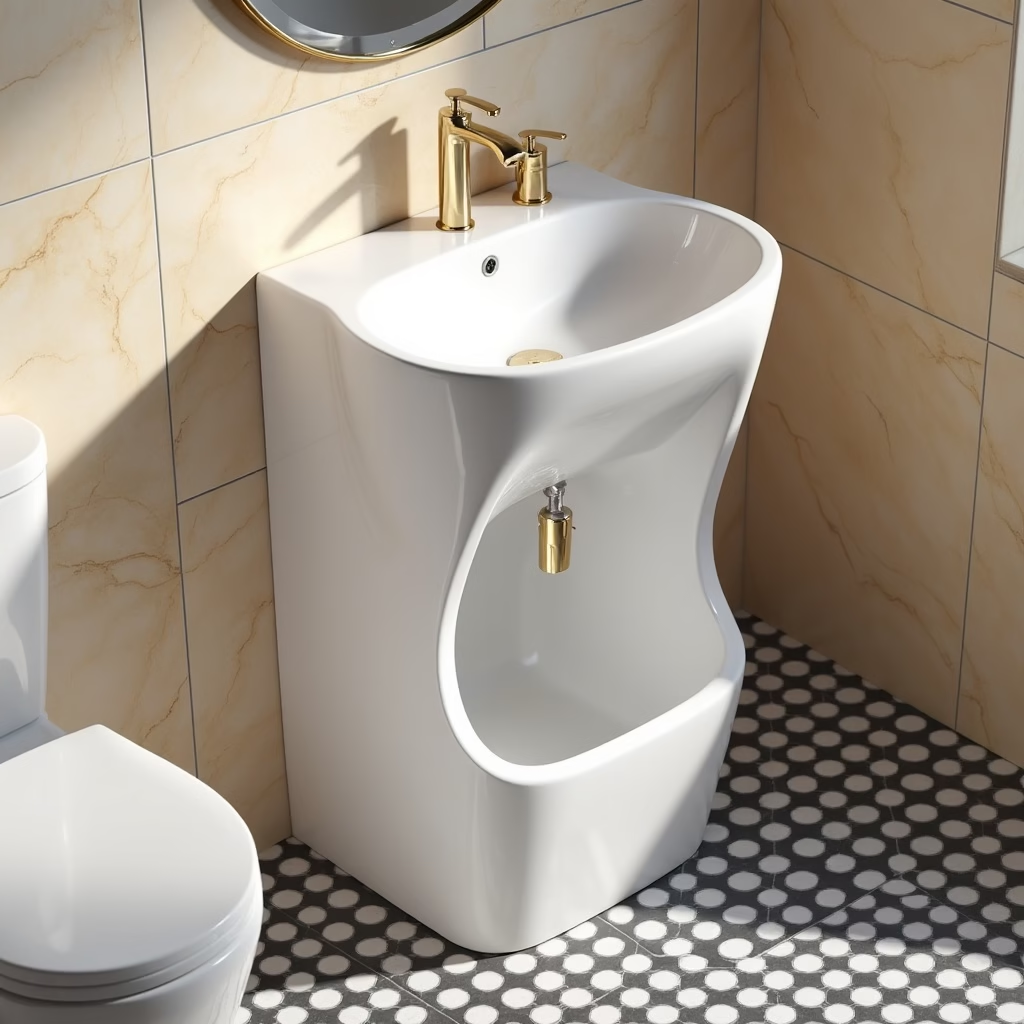
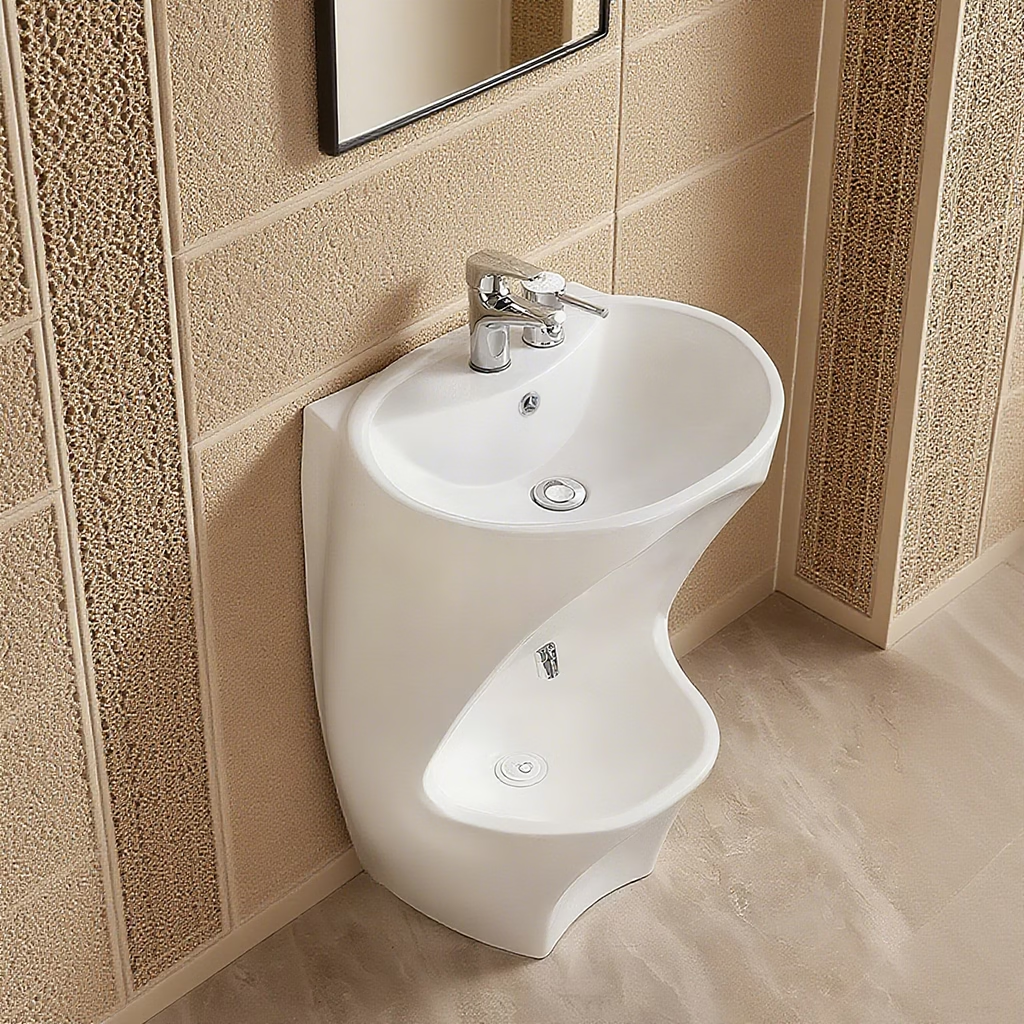
- Improves flow: multiple users can wash simultaneously.
- Ergonomic: accommodates children, the elderly, or wheelchair users.
- Clear separation of functions (hands vs feet).
Ideal for: Large mosques, airports, and universities.
Example product: WuduWash Double Foot Wash Trough Wudu Ablution Basin
2. Wall-Mounted Compact Modules
These are slender, space-saving designs mounted on walls rather than floor units, often used in compact prayer rooms or multi-faith facilities.
Key features:
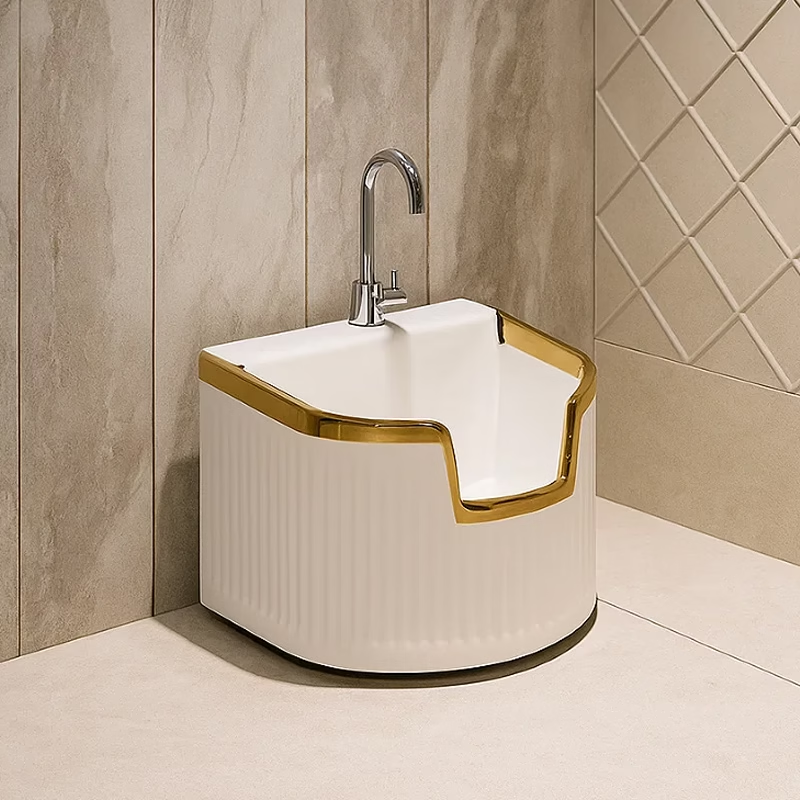
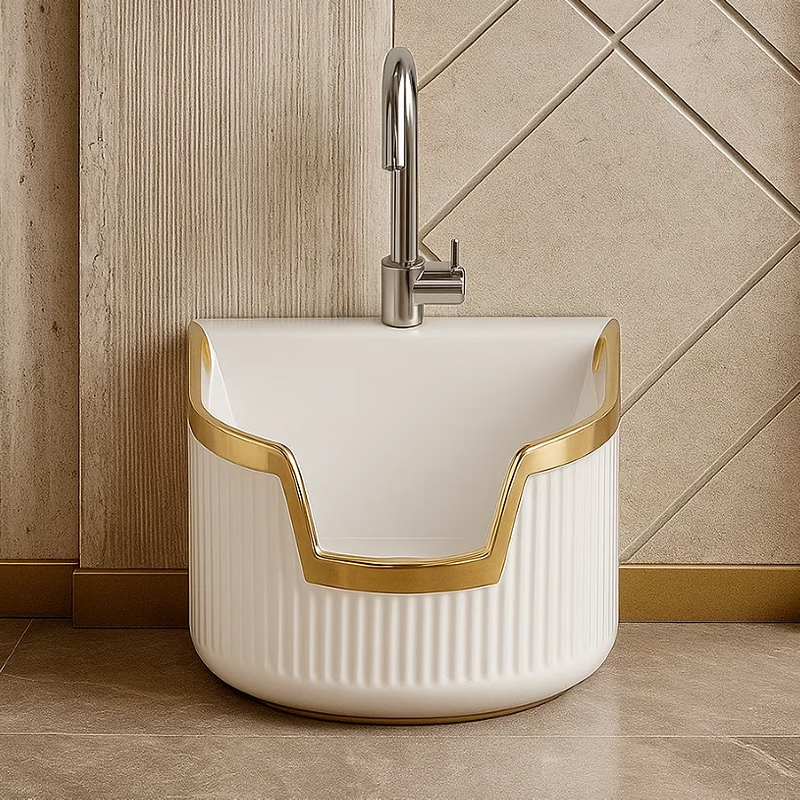
- Minimal footprint, ideal for smaller spaces.
- Seamless integration into wall surfaces.
- Often combined with seating or fold-away benches.
Ideal for: Schools, small mosques, commercial buildings.
Example product: WuduWash Dual Level Basin Floor Mounted
3. Solid Surface Curved Counters
Large continuous curving counters made from solid surface material allow multiple basins along one run, giving a high-end, uniform look.
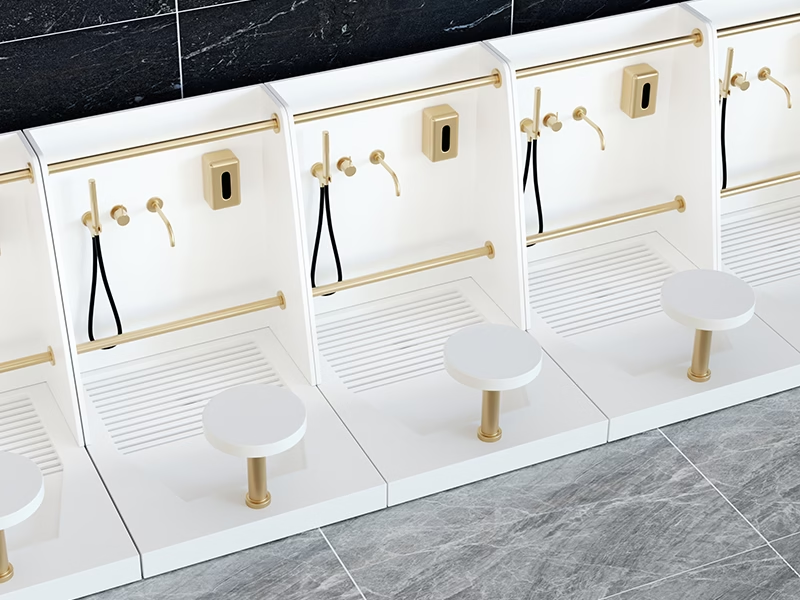
Why designers like it:
- Seamless appearance (no visible joints) enhances hygiene.
- Curved lines add aesthetic flow.
- Material flexibility enables custom colours/textures.
Ideal for: Premium mosque projects, luxury hotels with prayer rooms.
Example product: WuduWash Custom Foot Wash Trough Wudu Ablution Basin
4. Stainless Steel Heavy-Duty Stations
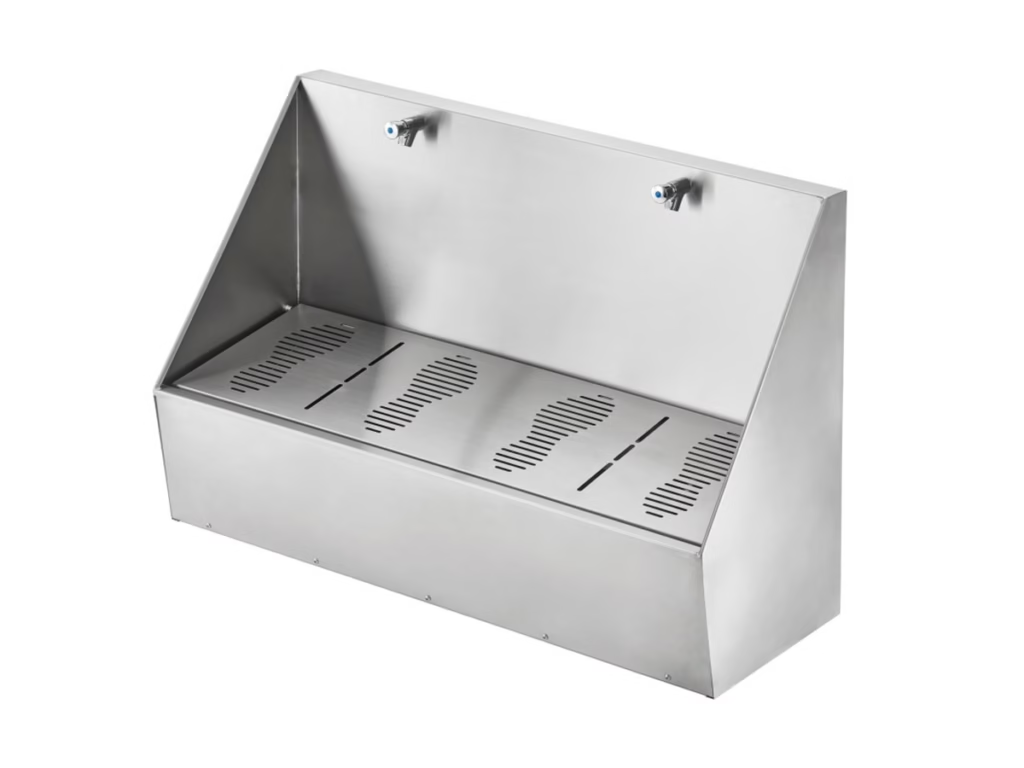
In high-usage public spaces like airports, university prayer rooms, or transport hubs, stainless steel remains a go-to for durability and ease of cleaning.
Advantages:
- Robust and resistant to damage.
- Easy to sanitize.
- An industrial aesthetic that suits modern minimalist buildings.
Ideal for: High-traffic multi-faith venues, airports, transit hubs.
Example product: Stainless Steel Muslim Wudu Washing Station Sink
5. Recycled/Composite Eco-Material Stations
Reflecting sustainability trends, some wudu facilities now utilise eco-composite materials (recycled stone/resin, low-carbon composites) to emphasise green credentials and modern values.
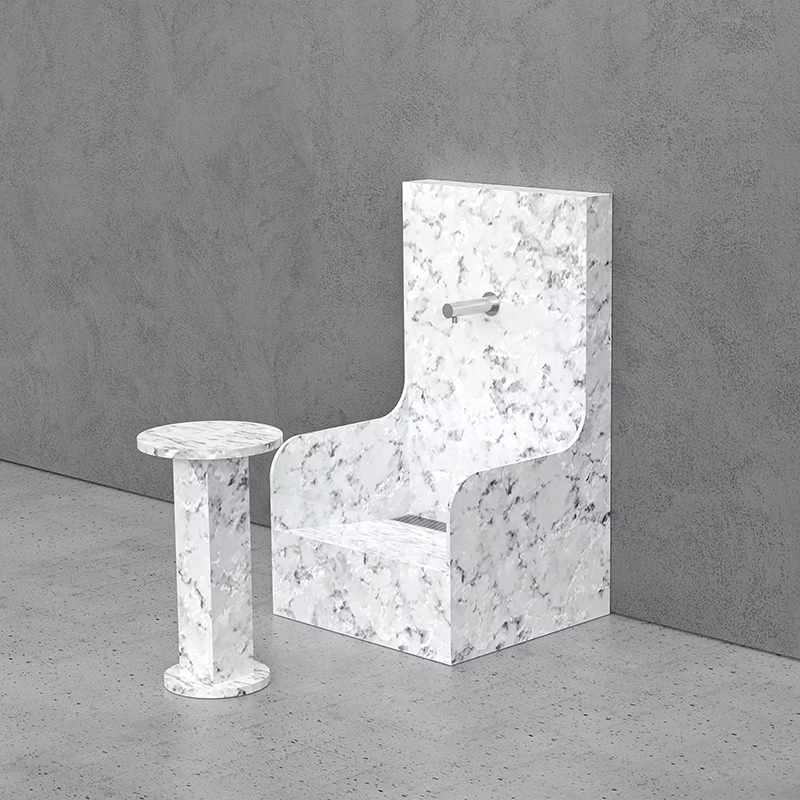
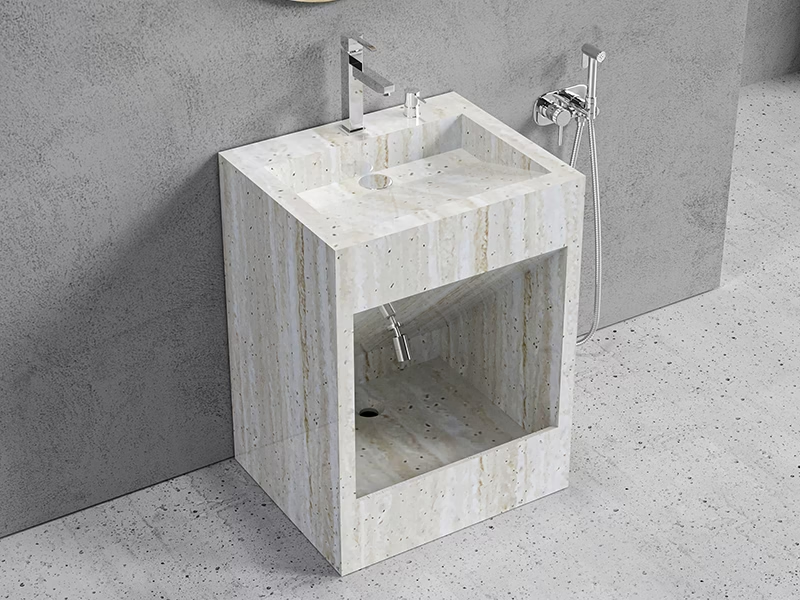
Highlights:
- Environmentally friendly.
- Aesthetic variety: can mimic natural stone or incorporate color accents.
Ideal for: Sustainable new mosque builds, campus prayer rooms.
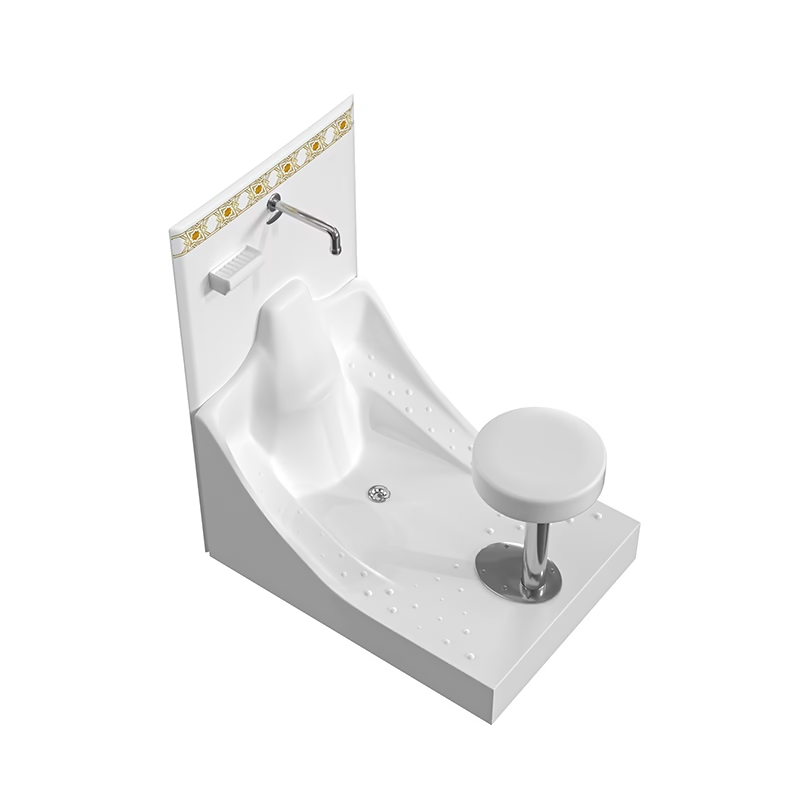
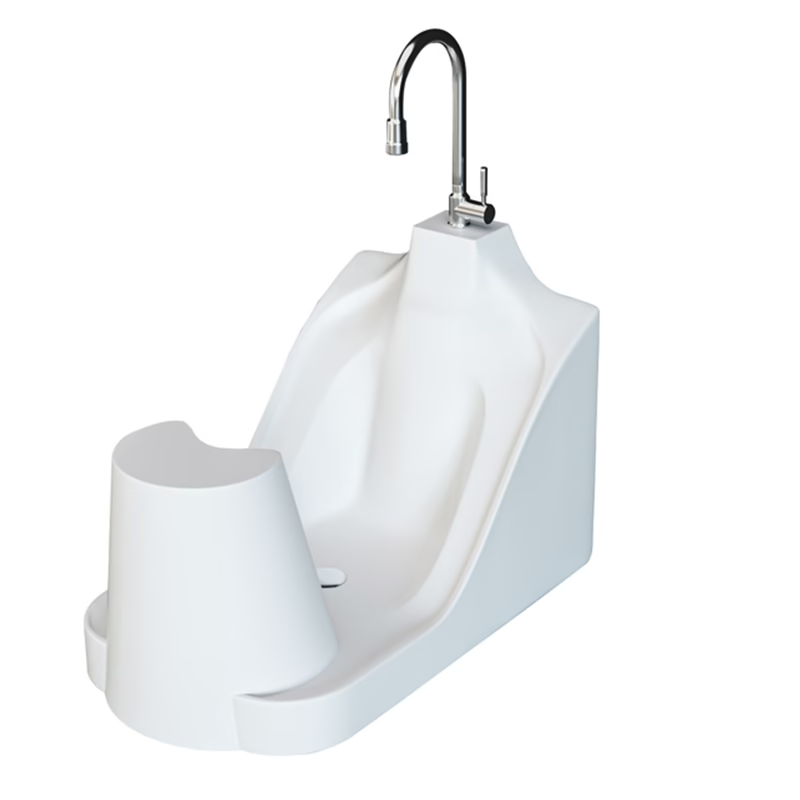
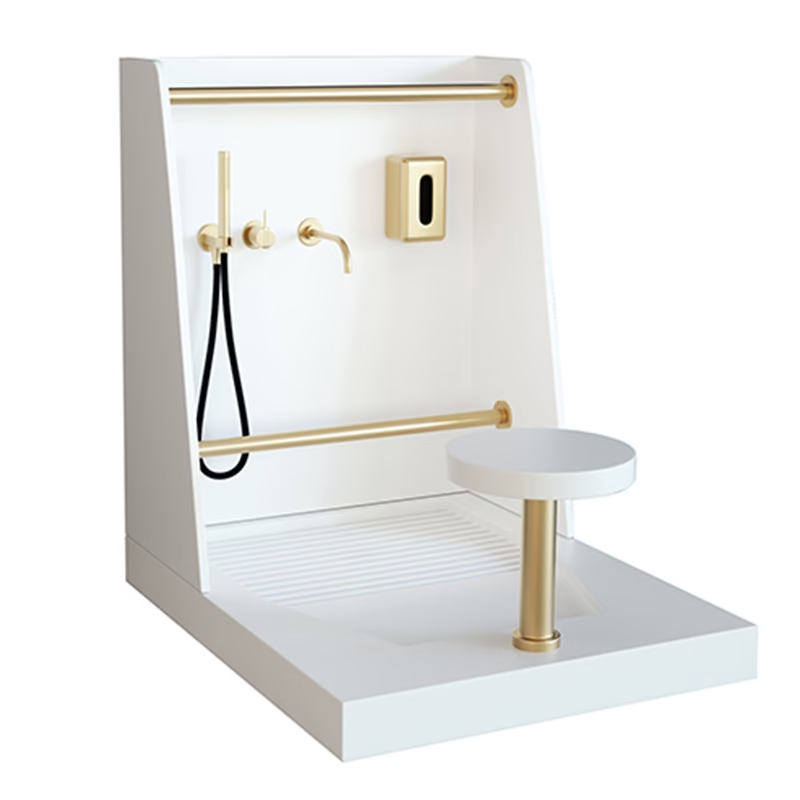
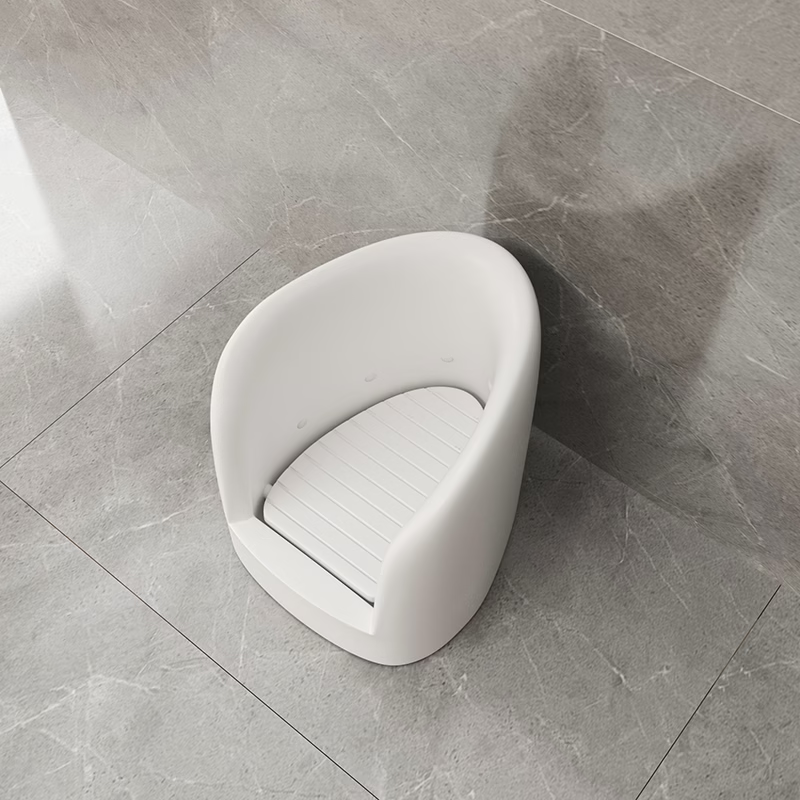
6. Seat-Integrated Wudu Units
This design incorporates seating beside or within the wash area — useful for elderly, mobility-impaired users or users who prefer a seated ablution flow.
Features:
- Seating with a low‐level basin or foot-wash trough.
- Non-slip platform around the seat.
- Grab bars or supports are integrated.
Ideal for: Community mosques, accessible design-focused venues.
Example product: WuduWash Paradise – Acrylic Wudu Basin with Integrated Seat
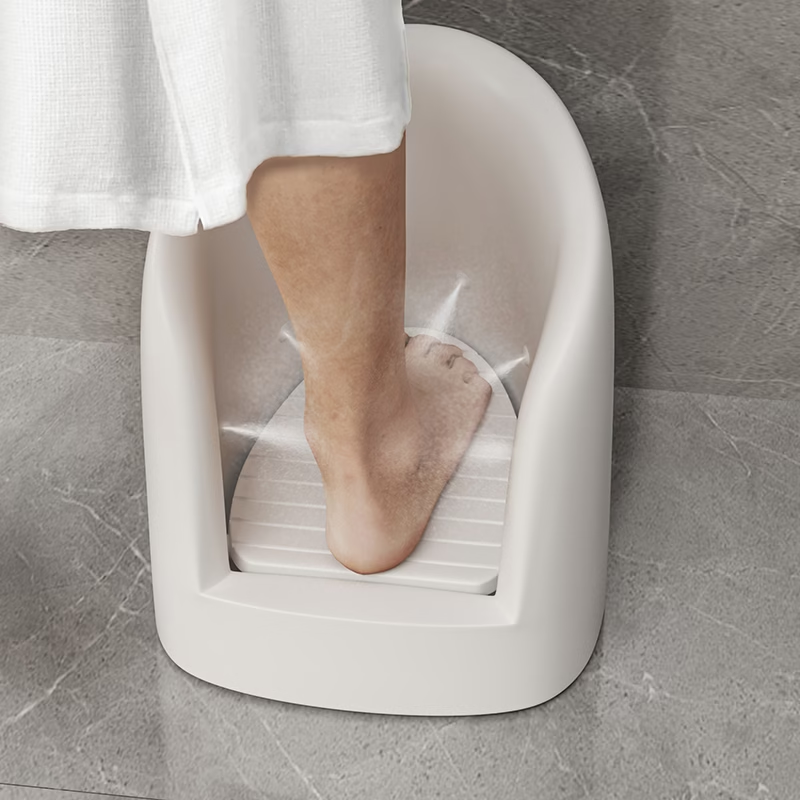
7. Portable or All-In-One Wudu Units
For temporary facilities or multi-faith spaces that require flexibility (e.g., school assemblies, event halls), all-in-one or portable wudu basin units are gaining popularity.
Benefits:
- Modular and relocatable.
- Often includes storage for shoes,a foot-wash trough, a basin, and a drying area in one.
Ideal for: Event spaces, modular mosque extensions, and hotels.
Example product: WuduWash All In One Wudu Unit Double
How to Choose the Right Design
When selecting a wudu basin design, consider:
- User volume & traffic: High usage demands multi-user or heavy-duty stations (designs 1, 4)
- Space constraints: Compact or wall-mounted modules are ideal for small rooms (design 2)
- User diversity: Seating or dual-level designs improve accessibility (designs 2, 6)
- Aesthetic & context: Premium builds want seamless curves and high-end materials (design 3)
- Sustainability goals: Eco-material or portable units support green credentials (design 5, 7)
- Maintenance needs: Materials & design should reduce cleaning burden and improve hygiene (all designs benefit).
Including internal links to broader content helps. For example:
- For understanding the importance of wudu basin design: Why Muslims Use Wudu Basins: Faith, Hygiene, and Design Benefits
- For materials and hygiene: [10 Key Aspects to Choose a Good Wudu Basin/Sink]
Conclusion
The best wudu basin design does more than just look good — it supports worship through thoughtful ergonomics, hygiene, durability, and context-sensitive aesthetics. The Top 7 designs above reflect where the market stands in 2025. By choosing a design that matches your user profile, space, and values, you ensure that the act of purification remains dignified, efficient, and aligned with modern expectations.
👉 Explore our custom wudu basin design options and consultancy services at WuduWashPro.com.
FAQ
Q1: Why are dual-level basins trending now?
A1: Because they allow seated and standing users to perform ablution simultaneously, improving accessibility and flow in high-traffic areas.
Q2: Does stainless steel still make sense for modern prayer spaces?
A2: Yes — particularly in high-usage or public facilities where durable, low-maintenance materials are essential.
Q3: How important is the material in a wudu basin design?
A3: Very. The right design and material combination ensures hygiene, durability, comfort and supports the overall worship experience.
Q4: Can portable wudu units serve as permanent solutions?
A4: They are ideal for flexible or temporary settings; for heavy long-term use a more fixed and robust design is preferred.
Q5: What should I look for when choosing a wudu basin design for a new mosque?
A5: Consider anticipated user load, future expansions, accessibility requirements, maintenance capacity, and how the design fits the wider architectural narrative.