
Introduction
As more homeowners around the world seek to create private spaces for daily prayer, the inclusion of a wudu basin within the home has become an emerging design trend. Whether in a villa, apartment, or hotel suite, a well-designed home wudu area combines spiritual comfort, hygiene, and modern aesthetics—allowing family members to perform ablution with dignity and ease.
Unlike mosque installations, residential wudu basins require more attention to compactness, material harmony, and plumbing adaptability. This article explores how to plan, design, and select the right wudu basin for a home prayer space in 2025.
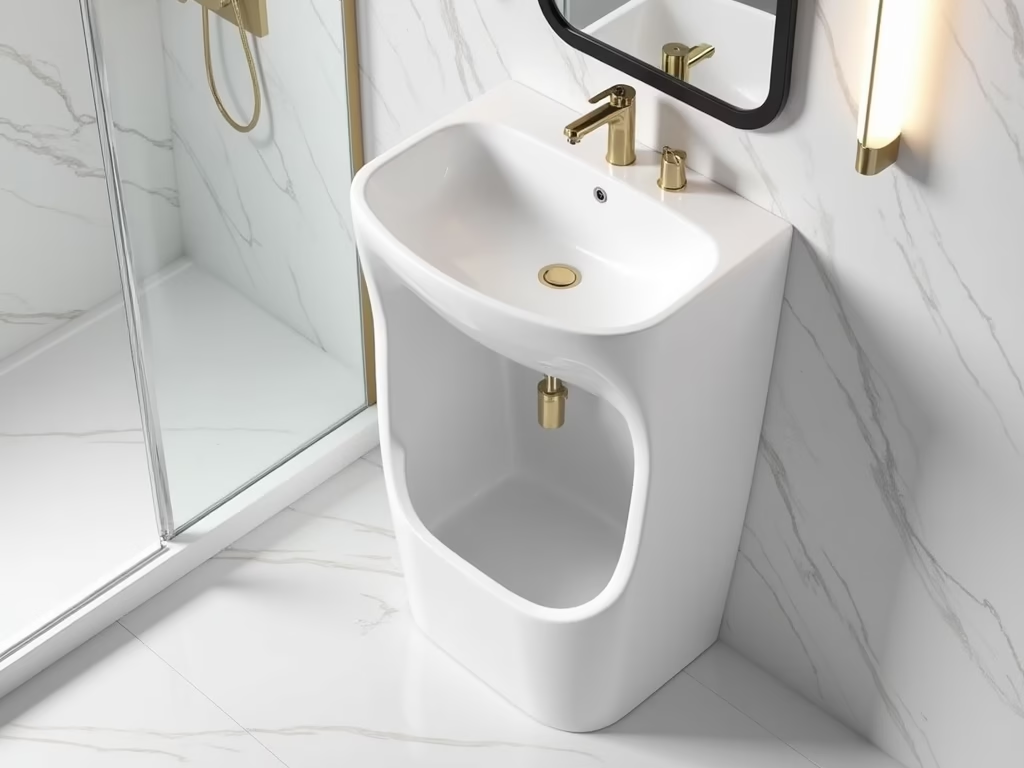
Why Add a Wudu Basin to a Home Prayer Space
Creating a dedicated ablution area at home enhances daily worship routines by offering:
- Convenience: No need to share bathrooms before prayer.
- Cleanliness: Avoids water splashing or clutter in general-use sinks.
- Spiritual readiness: A designated place reinforces mindfulness before Salah.
- Family accessibility: Encourages all members, including children and elders, to maintain wudu comfortably.
For many families in the Middle East, Southeast Asia, and Western Muslim households, a private wudu corner is now considered a natural extension of the home musalla (prayer room).
Key Design Considerations
1. Space Planning and Location
Even small homes can accommodate a wudu area with good planning.
Tips:
- Place it near the musalla or a guest washroom for easy access.
- Ensure privacy through partial walls or frosted glass partitions.
- Allocate enough room for movement—minimum 900 mm × 900 mm for a single-user setup.
- Include proper floor slopes to manage splashing and drainage.
👉 Related reading: Compact Wudu Solutions for Small Spaces
2. Choosing the Right Basin Type
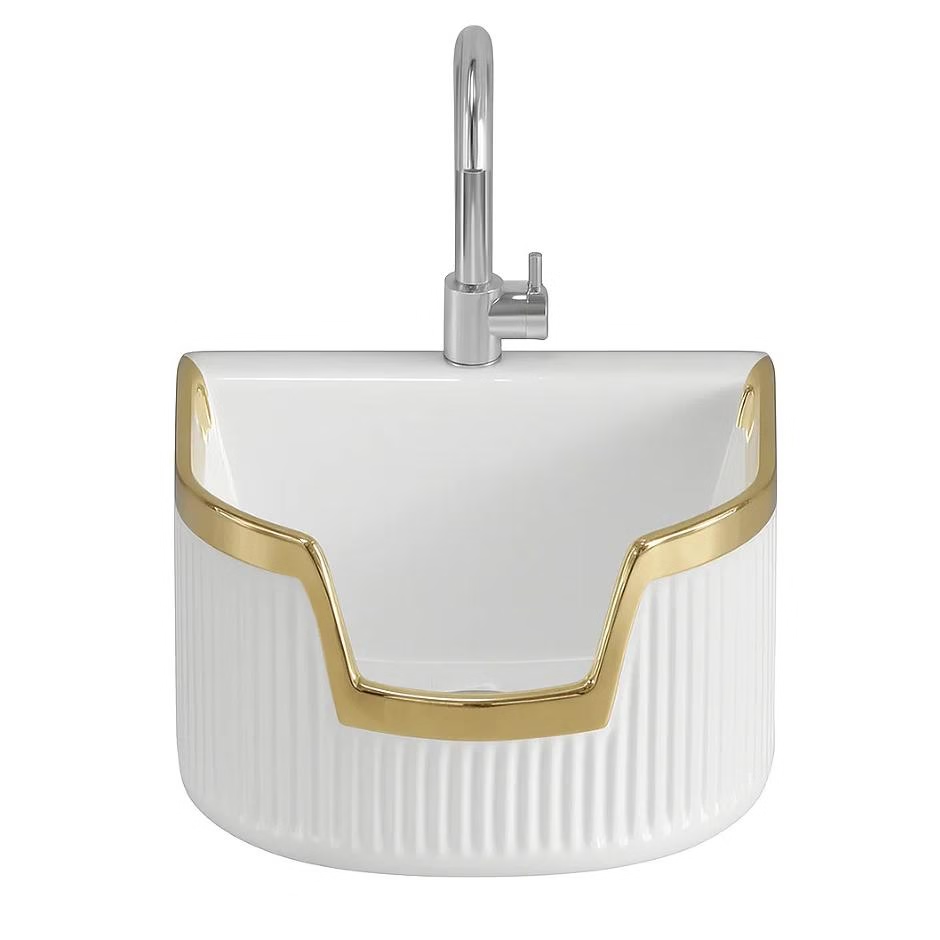
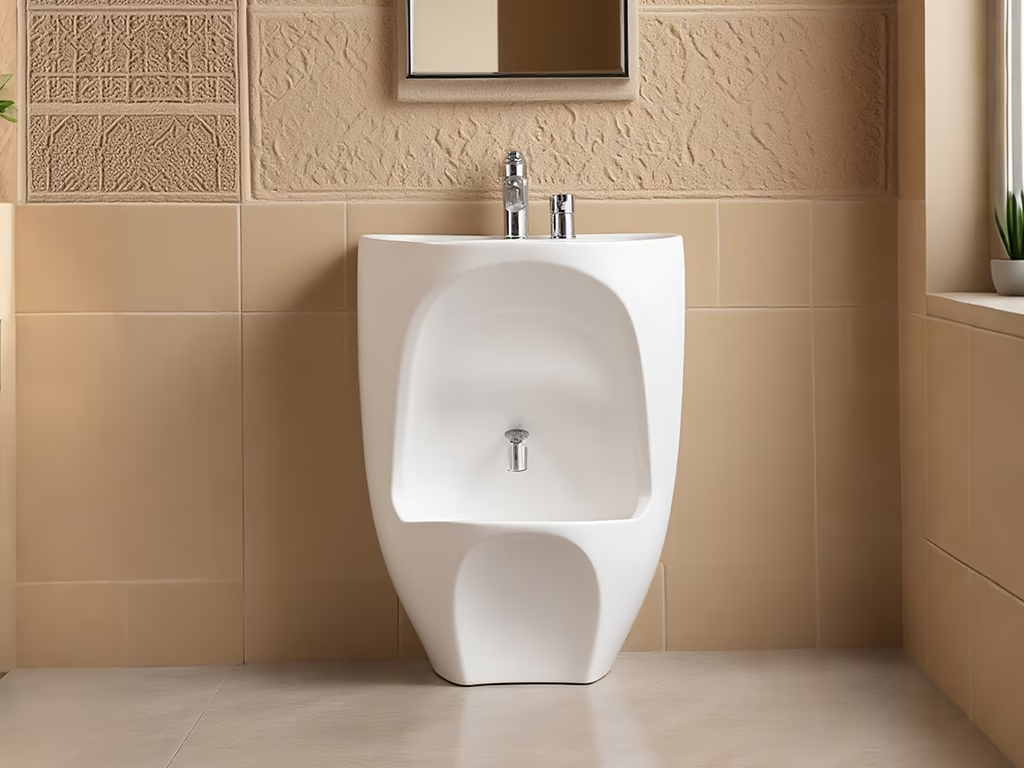
Residential settings benefit from custom or wall-mounted designs that save space while maintaining functionality.
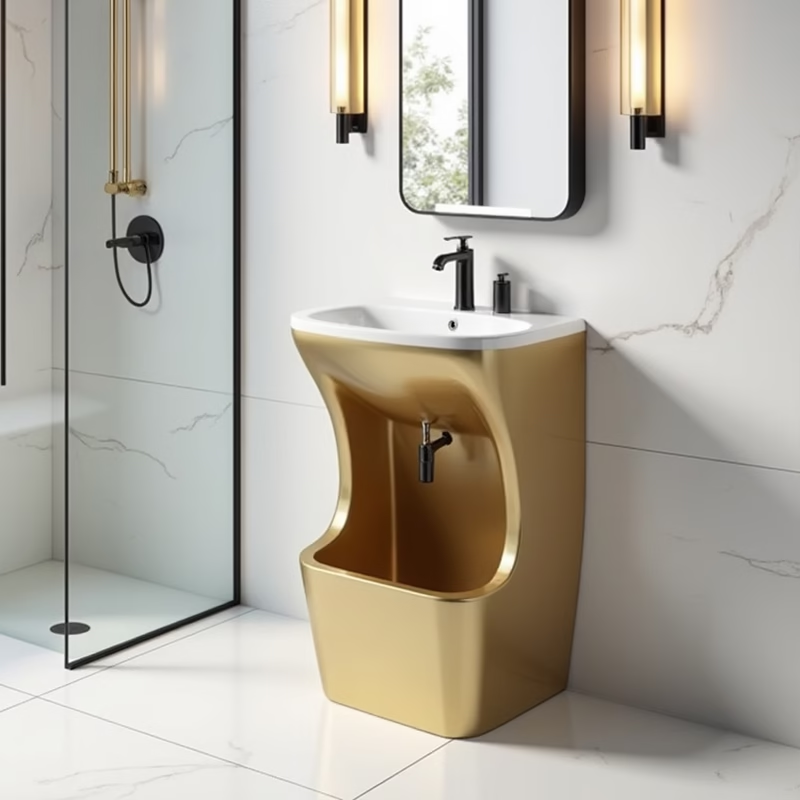
Popular options:
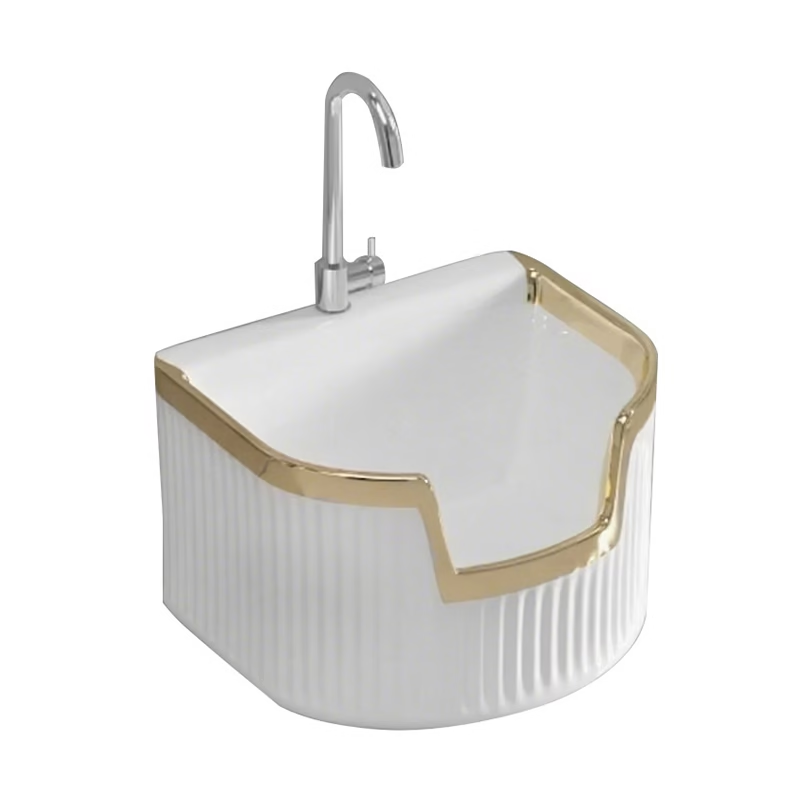
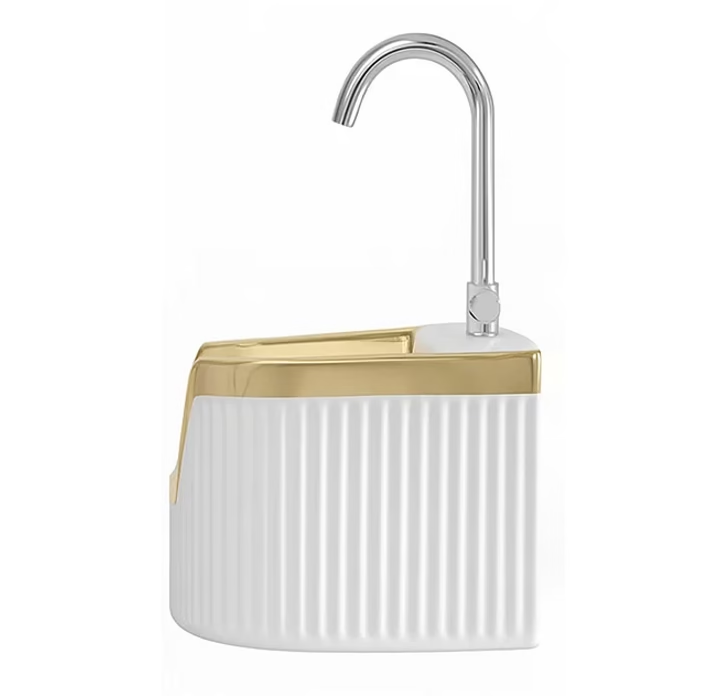
- Wall-mounted basins: Minimalist and easy to clean.
- Dual-level basins: Ideal if both seated and standing users will use the area.
- Compact trough-style basins: Serve multiple users while maintaining a sleek design.
For durability and elegance, solid surface materials are preferred. Their seamless structure ensures hygiene and easy cleaning even in small indoor environments.
👉 Read more: Why Solid Surface is the Best Material for Wudu Basins
3. Material and Finishing Choices
Because residential interiors focus heavily on aesthetics, the wudu basin must complement the home’s style.
Recommended materials:
- Solid Surface: Non-porous, repairable, and available in marble or matte textures.
- Ceramic/Porcelain: Offers a traditional look, suitable for classic interiors.
- Stainless Steel: Minimalist and durable, ideal for modern or industrial-style homes.
Choose finishes that match nearby countertops or tiles—white, beige, or soft stone gray tones create visual harmony with most prayer rooms.
4. Plumbing, Drainage, and Ventilation
Home installations require discreet plumbing and ventilation systems to prevent odor or dampness.
Design tips:
- Conceal pipes behind cabinetry or under counters.
- Use anti-splash faucets and soft-flow aerators.
- Add a floor drain for foot washing and accidental spillage.
- Ensure adequate airflow to dry the space quickly.
Installing a small exhaust fan or dehumidifier prevents moisture buildup in enclosed prayer rooms.
5. Lighting and Ambience
The atmosphere of the wudu area influences the user’s mindset before prayer.
Lighting strategies:
- Use soft white LED lighting (3000–4000 K) for warmth and focus.
- Consider indirect lighting behind mirrors or under basins.
- Include a qibla-oriented wall niche for visual serenity.
Natural materials and gentle light together foster khushu (spiritual concentration).
Design Example: Compact Modern Wudu Corner
Imagine a 1 m² corner near a home musalla featuring:
- A wall-mounted solid surface basin with integrated drainage.
- A small bench for seated use.
- Anti-slip flooring and a hidden floor drain.
- A mirror with LED backlight, blending function with elegance.
This minimal design offers both visual calmness and ritual efficiency, perfectly suited to modern apartments.
Maintenance and Care
Because home wudu basins are used daily, maintenance should be simple and efficient.
Routine practices:
- Wipe surfaces after each use to prevent water stains.
- Use mild, non-abrasive cleaners weekly.
- Inspect silicone joints or drainage once every few months.
Solid surface basins can be refinished easily if scratched or dulled, ensuring longevity even after years of daily use.
👉 See also: How to Maintain and Clean a Wudu Basin for Long-Term Use
Conclusion
Designing a wudu basin for a home prayer space is both a practical and spiritual decision. With the right materials, efficient plumbing, and thoughtful layout, even a compact home can include a serene ablution corner.
This trend reflects a broader movement—where Islamic design merges with modern architecture to make worship not just accessible, but inspiring.
👉 Explore customizable compact wudu basin solutions for residential projects at WuduWashPro.com.
FAQ
1. Can I install a wudu basin in a small apartment?
Yes. Compact wall-mounted or corner-style basins fit easily into small bathrooms or prayer rooms.
2. What materials are best for home wudu basins?
Solid surface and ceramic materials offer durability, hygiene, and elegant finishes suited to residential interiors.
3. How do I prevent water splashing in a home wudu corner?
Use sloped flooring, splash guards, and anti-splash faucets to control water flow.
4. Do I need special drainage for a home wudu basin?
Yes. Include a floor drain for safety and ensure the basin has a proper slope for efficient outflow.
5. How can I make my wudu space look beautiful?
Incorporate warm lighting, natural tones, and minimalist solid surface designs to create a tranquil, spiritual atmosphere.