Introduction
In modern mosque architecture and public prayer facilities, the wudu area is one of the most frequently used and water-exposed spaces. It must remain clean, hygienic, and durable while providing a calm, spiritually aligned environment for ablution. Choosing the right material for wudu basins, counters, wall panels, and flooring directly affects long-term performance and user comfort.
Among all available materials, solid surface has become the top choice for contemporary wudu area construction. Its seamless joins, non-porous structure, and customizable design make it ideal for high-traffic mosques, universities, airports, hotels, and residential prayer spaces.
This article explains why solid surface stands out, how it improves hygiene, and how architects are using it to transform modern wudu design.
Why Solid Surface Is Ideal for Wudu Areas
Solid surface is a composite material made from natural minerals and high-performance resin, creating a smooth, non-porous, stone-like finish. Its strength lies in the combination of durability, easy cleaning, and seamless fabrication, making it perfectly suited for wet and ritual environments like wudu rooms.
Key benefits:
- Completely non-porous → no bacterial absorption
- Seamless jointing → eliminates mold-prone gaps
- Thermoformable → can be curved or shaped freely
- Highly durable → resists chipping, stains, and scratches
- Warm to touch → more comfortable for ablution
- Easy maintenance and repairable if damaged
Solid surface enables wudu areas to look modern, clean, and unified — with minimal long-term upkeep.
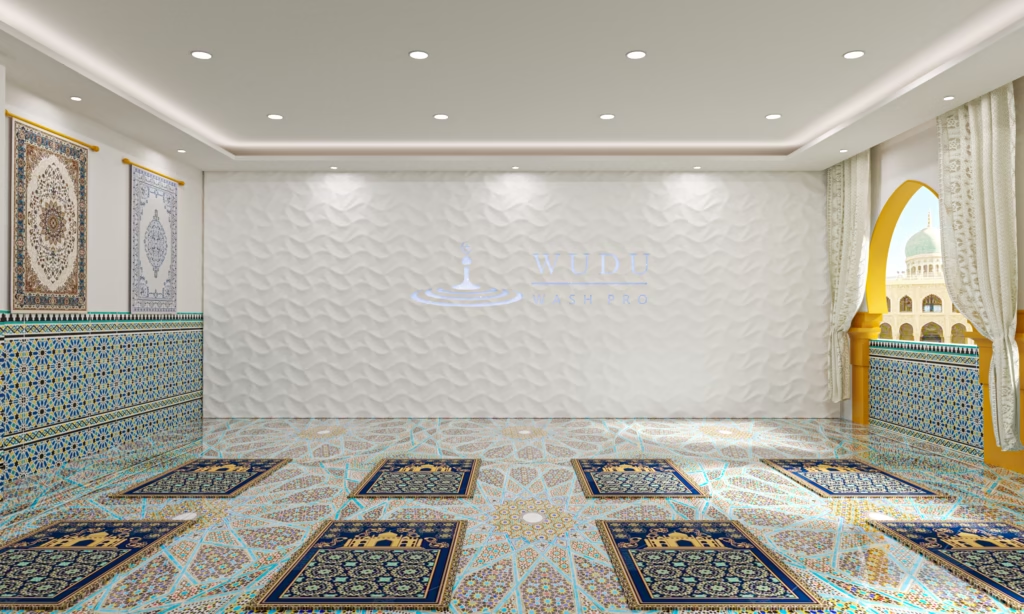
1. Seamless Design for Maximum Hygiene
Ablution spaces deal with continuous water splashes, soap residue, and barefoot use. Traditional materials like tiles, marble, or concrete often create visible joints where water and dirt accumulate.
Solid surface eliminates these issues through seamless fabrication:
- Countertops and basins can be joined into one continuous surface
- Edges can be rounded for safety and water control
- Vertical and horizontal planes connect without visible seams
- Mold and mildew have no place to grow
This smooth, joint-free design significantly reduces bacterial buildup and simplifies daily cleaning — essential for maintaining the purity expected in wudu areas.
👉 Related article: Why Solid Surface is the Best Material for Wudu Basins
2. Non-Porous Structure for Superior Cleanliness
Solid surface is completely non-porous, meaning:
- It does not absorb water
- It resists stains from soap, oils, and minerals
- Bacteria cannot penetrate the material
- Surface dries quickly, reducing slips and dampness
Compared to ceramic grout lines or natural stone pores, solid surface provides a healthier and more sanitary environment, especially in facilities with high user turnover.
This is one of the main reasons solid surface is now preferred in mosques, airports, hotels, schools, and shopping malls.
3. Customization for Modern Wudu Area Designs
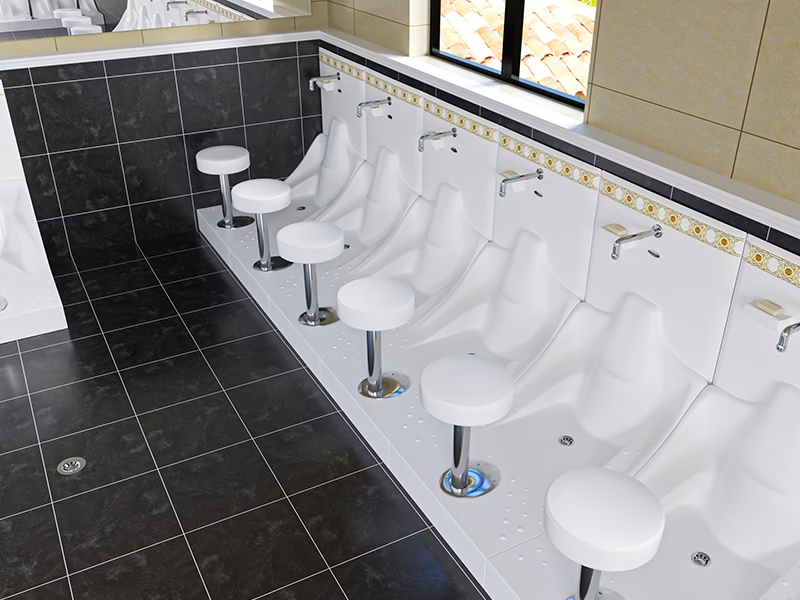
Architects value solid surface for its design flexibility. It can be molded, curved, or fabricated into large, continuous structures.
Popular custom elements in wudu areas include:
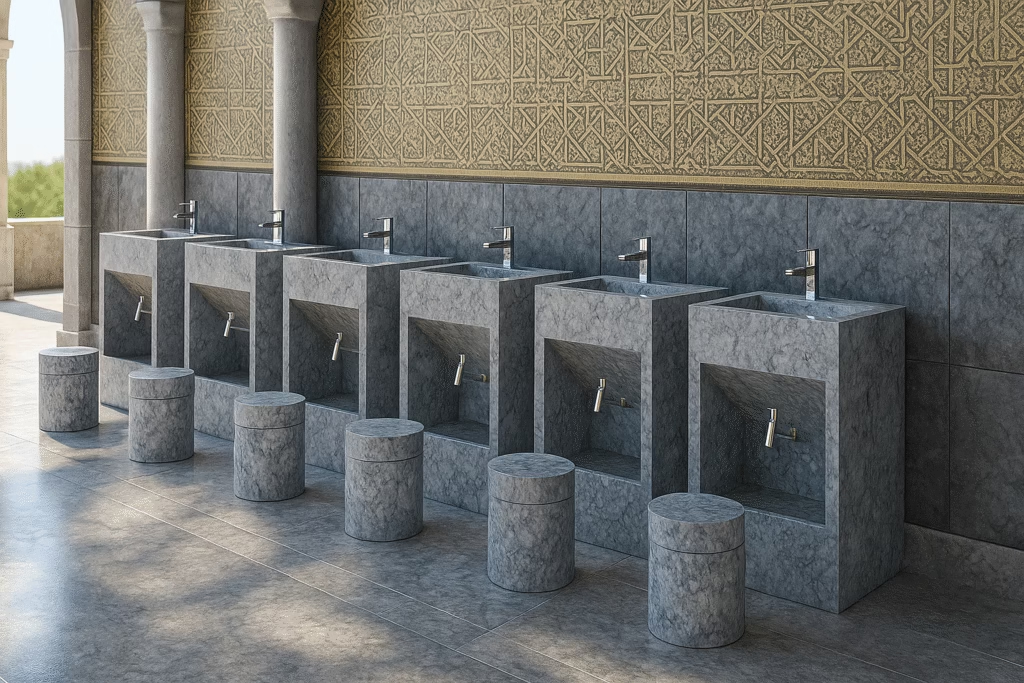
- Integrated wudu basins
- Foot wash troughs
- Dual-level counters
- Built-in seating surfaces
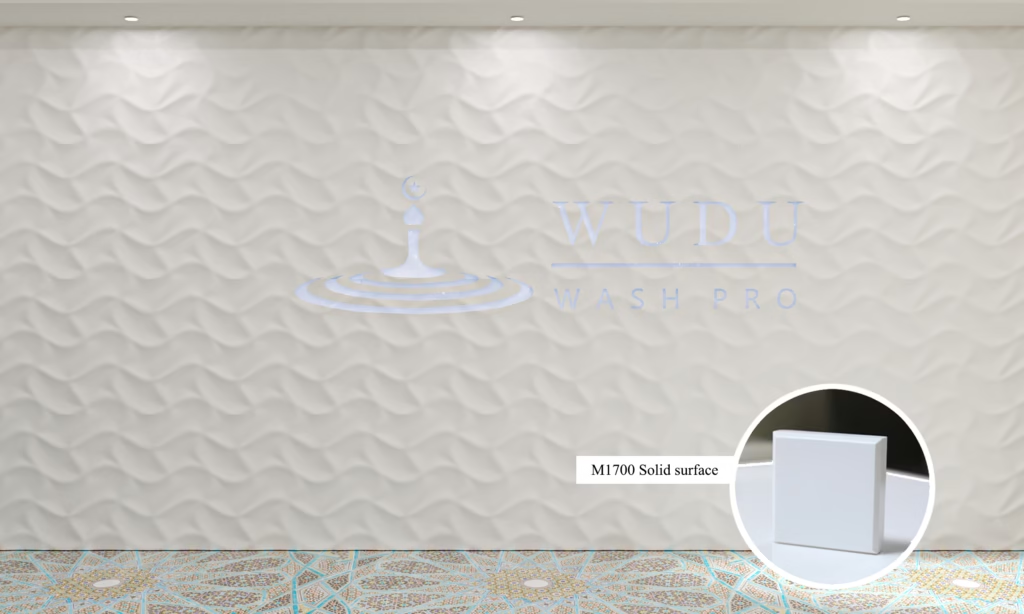
- Wall cladding panels
- Curved splash guards
- Niches for soap, towels, or small items
Even large, multi-user wudu stations can be made from a single sheet, reinforcing a premium, unified visual identity.
Color customization also helps match the mosque’s architectural style:
- Pure white (classic)
- Stone gray (modern minimalism)
- Beige sand tones (Middle Eastern architecture)
- Marble-look veins (luxury finishes)
4. Durability That Withstands High Traffic
Public wudu areas require materials that tolerate constant use. Solid surface delivers:
- Resistance to chipping or cracking
- Heat and impact resilience
- Stable color that resists yellowing
- Scratch resistance with easy refinishing
Unlike ceramic or stainless steel, solid surface maintains its beauty for years with minimal intervention, even in high-traffic ablution zones used by hundreds of people daily.
👉 Related reading: Maintaining Hygiene Standards in Public Wudu Facilities
5. Easy Maintenance and Repair
Maintenance teams prefer solid surface because:
- Daily cleaning requires only mild soap
- Stains can be removed easily
- Small scratches can be sanded and restored
- Replacement is rarely needed
This reduces cleaning time and long-term costs — a major benefit for large mosques and public facilities.
6. Natural Aesthetics that Enhance Spiritual Calm
A wudu area must feel peaceful and reflective. Solid surface supports this through:
- Harmonious color options
- Soft matte or satin textures
- Gentle curves and rounded edges
- Seamless transitions
These qualities help create an environment that encourages khushuʿ (mindfulness and focus) before prayer.
Applications in Different Wudu Spaces
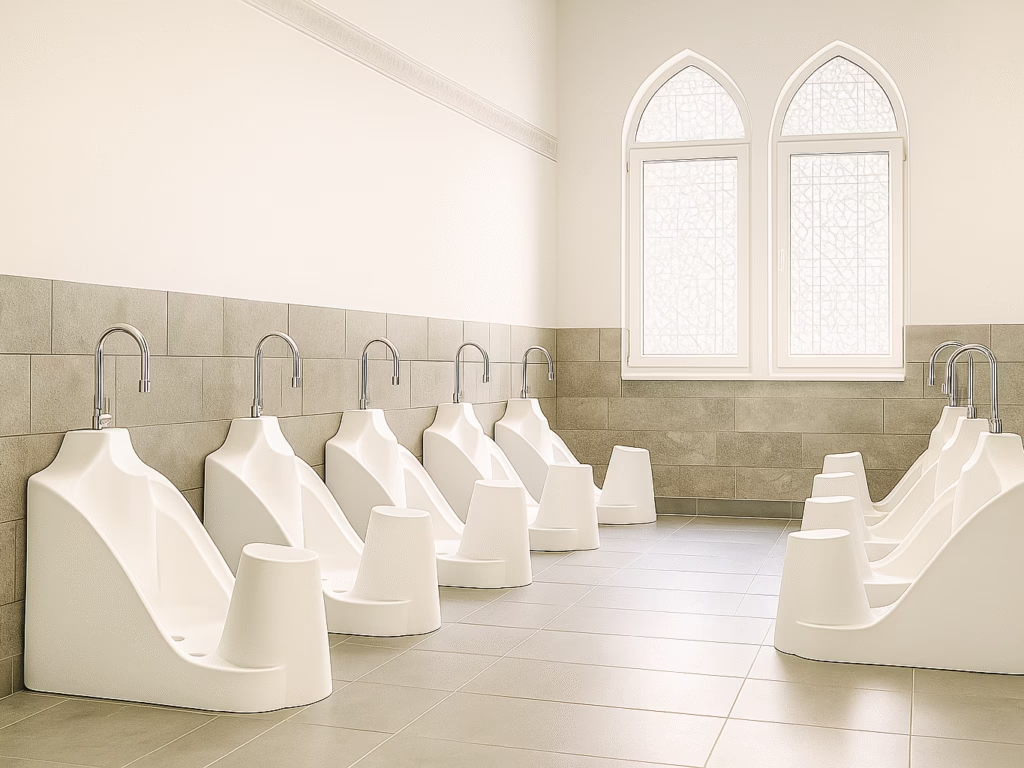
Mosques
Multi-user counters, wall panels, flooring details.
Universities & Schools
Durable, low-maintenance stations.
Airports & Commercial Buildings
High-traffic resistant structures with modern finishes.
Hotels & Residences
Elegant, compact ablution corners integrated into luxury interiors.
👉 Also read: Designing Wudu Spaces for Multi-Faith Environments
Conclusion
Solid surface has transformed wudu area construction by offering a blend of cleanliness, durability, and modern design flexibility. Its seamless nature eliminates hygiene risks, while its aesthetic versatility enhances the spiritual experience.
For architects, designers, and facility planners, choosing solid surface is not only a practical decision — it is a commitment to creating wudu spaces that are pure, safe, and beautifully aligned with Islamic values.
👉 Explore customizable solid surface wudu solutions at WuduWashPro.com
FAQ
1. Why is solid surface better than ceramic for wudu areas?
Because it has no grout lines, is non-porous, and provides a seamless, hygienic finish suitable for heavy use.
2. Can solid surface be used for both basins and wall panels?
Yes, it can be fabricated into basins, counters, splash guards, and full-height cladding.
3. Does solid surface stain or absorb water?
No. Its non-porous structure prevents staining, moisture absorption, and bacterial growth.
4. Is solid surface suitable for outdoor wudu areas?
Yes — UV-stable solid surface formulations perform well in outdoor and semi-outdoor environments.
5. Can solid surface withstand high foot traffic in public mosques?
Absolutely. It is highly durable, impact-resistant, and easy to maintain over time.