Introduction
Wudu sinks are ablution fixtures that serve the worshippers with a comfortable way to wash feet and perform their wudu. A wudu sink has a more structurally planned design and serves for the unique ablution purposes.
Standard bathroom sinks fail due to high-mounted faucets and poor ergonomic design. However, wudu sinks are the best choices.
Today, we will understand wudu sinks, compare them with standard sinks, and explore design tips for wudu sinks.
What is a Wudu Sink?
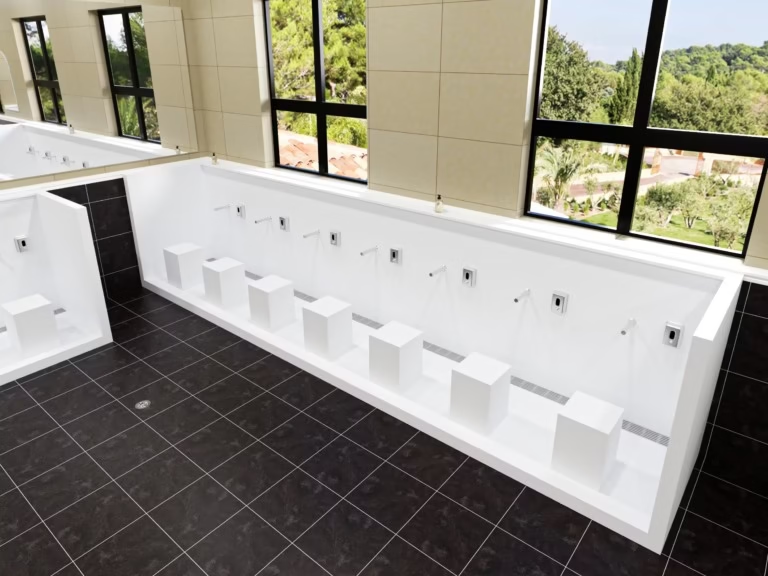
Wudu Sink is a specialized fixture designed for ablution. It has low-mounted faucets and specialised designs to enable accessibility for all types of worshippers, including those with disabilities and wheelchair users.
Wudu sinks are installed in:
- Mosques
- Islamic centers
- Religious schools
- Airports and public prayer spaces
- Private homes

What are the typical features of a Wudu Sink?
Wudu has several typical features that make it ideal for ablution.
Foot-level washing access
Standard bathrooms have high-mounted faucets and lack a comfortable place to wash feet. However, wudu sinks have foot-level access for washing. It enables comfortable cleaning and washing of the feet.
Ergonomic Seated Design
Standard wudu sinks don’t have a seated space for washing feet. While a wudu sinks have a specialized seating system and decrease chances of fall. With ergonomic design, it improves the cleaning and washing activity.
Proper drainage
Water splashes and accumulation increase the risk of drainage issues and compromise hygiene. To tackle these issues, wudu sinks have a proper drainage system with proper sloping and strategically positioned drains. There is a reduced risk of water stagnation while maintaining water flow.
Durable materials
Continuous water exposure can damage tiles and increase the risk of corrosion for your steel materials. However, wudu sinks are made from durable materials, such as stainless steel and solid surfaces. It reduces water penetration, making wudu sinks a more durable solution for your mosques.
Why Wudu Sinks Exist (Usage Logic)
Wudu sinks are critical fixtures installed in mosques and other locations. A few examples of such sinks are given below.
Religious washing requirements
Muslims have to perform wudu before each prayer. Thorough washing up to the feet is not possible with typical sinks.
Wudu sinks have benefits here.
- Facilitate proper ablution
- Ensure compliance with religious practice
- Encourage hygiene before prayer
Body posture and ergonomic considerations
With standard sinks, you have to perform wudu while standing. It can cause falls on slippery surfaces and a backache. However, wudu basins are the ultimate solution because of the following benefits.
- Support natural sitting posture
- Reduce muscle strain
- Improve user comfort
Hygiene management
Shared bathrooms accumulate water quickly. It boosts algae growth and causes floor damage, leading to hygiene issues. Dedicated wudu areas:
- Contain water within the designated zone
- Separate foot washing from toilet use
- Reduce cross-contamination
How It Differs from Bathroom Sinks
Wudu sinks differ from standard bathroom sinks in the following features.
Designed for washing feet
Bathroom sinks are designed for hand and face washing. Therefore, you can find them on a heighted installation.
A high-quality wudu basin serves for foot washing and cleaning.
Lower height
Standard bathroom sinks are installed at height for washing hands and face. They don’t have a seating area to wash their feet that is typical of a Wudu sink.
While wudu sinks have low-mounted faucets and a seating arrangement. They enable quick foot washing without risking injury.
Built-in seating vs. standing use
Because of the heighted installation, the standard bathrooms serve when you are standing. Therefore, they are less likely to serve disabled people.
On the other hand, wudu sinks have a seating area while washing feet. Their ergonomic design makes wudu easier to perform.
Splash-control design
Standard bathroom sinks are designed to handle low traffic and optimize flow. They are less likely to adapt to a sudden high volume of water because of their design.
While wudu basins have specialized curved basins and sloped floors, splashed and accumulated water drains to the drains.
Higher drainage capacity
Standard bathrooms have smaller capacity drains used only for hand and face washing. A sudden surge of users causes water splashing and accumulation.
In comparison, the wudu drainage system has high-capacity drainage, ready to tackle sudden surges and water accumulation.
Commercial vs. Residential Sink Versions
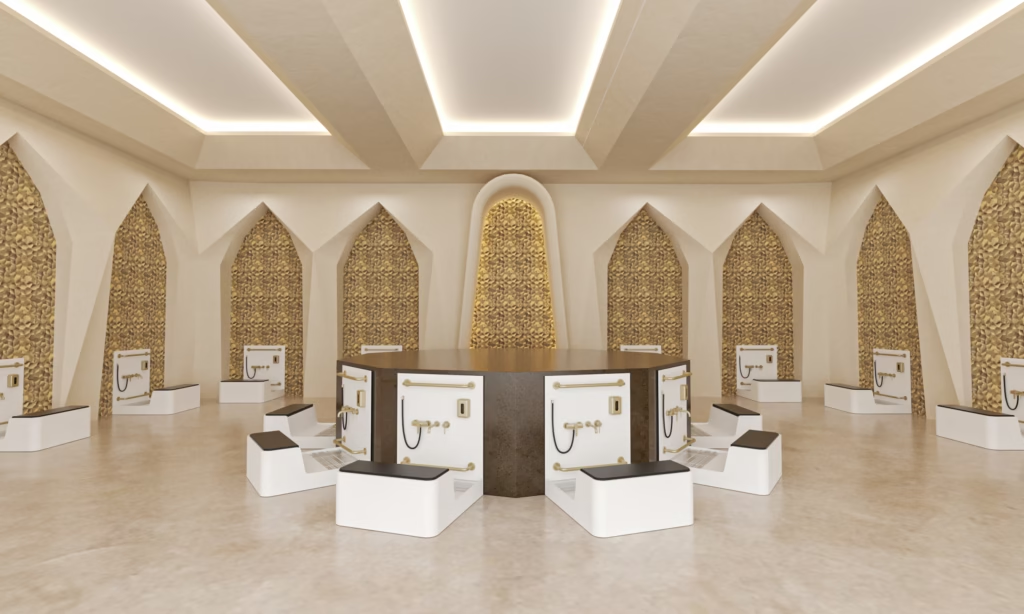
Commercial wudu sinks differ from residential ones in several ways. Here are a few key features to compare them.
Usage frequency and pattern
High usage frequency and pattern impact the overall wudu sink structure. Commercial sinks are installed in the mosque and receive a peak attendance five times a day. They are under heavy stress on Friday and during Eid prayers.
There are no such cases in residential wudu sinks. Only limited members of a family use them. There is no question of stress at all.
Wudu Stations
Commercial spaces receive moderate to high traffic. A series of wudu stations is installed to meet users’ wudu requirements.
In residential spaces, a single wudu sink is sufficient to serve the entire family.
Material Strength
High material strength is ideal for high-quality wudu sinks used in commercial settings. It is because of their excessive usage and peak worshippers count five times. Industrial stainless steel and non-porous surface materials are good enough.
Home wudu sinks don’t have high stress and might offer service for decades with suitable-quality materials. Standard ceramic or composite materials are good enough.
Water Issues and Drainage
Since commercial wudu basins have higher user turnover and more water challenges. They often feature sloped floors and effective water drainage systems.
In residential wudu sinks, water management is moderate, and the drainage structure is simple.
Space Planning
Commercial wudu sinks require a large space because of the series of sinks installed in parallel. Most mosques have a dedicated wudu area to ensure proper wudu management.
Residential wudu sinks are compact in size and few in number. They consume less space and can be installed in congested areas.
Where Risks Happen If the Wrong Sink Is Used
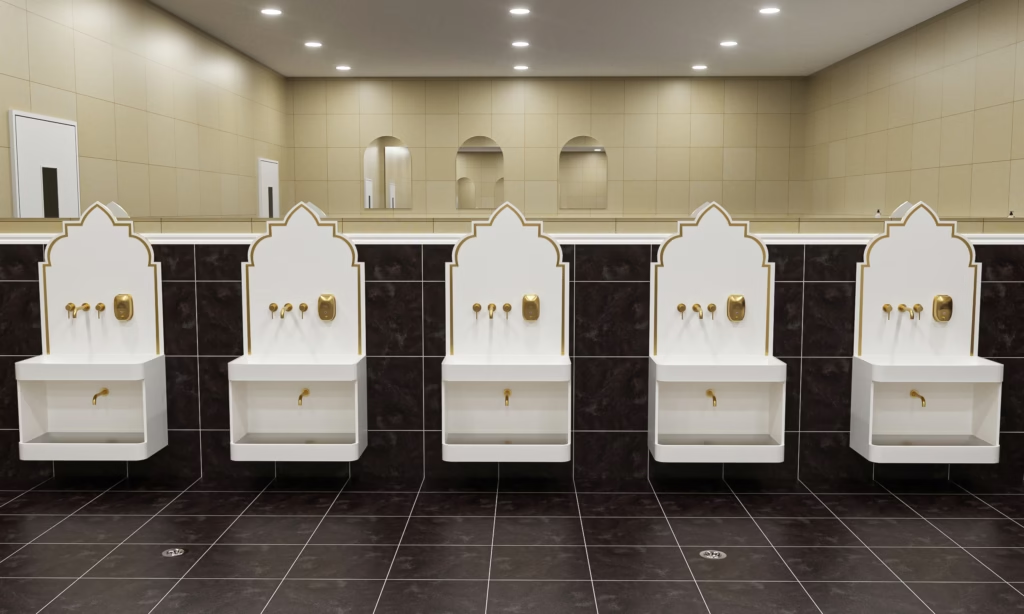
A right sink type is necessary; otherwise, you may risk the lives of your worshippers. There are a few common issues here.
Slip and fall hazards
Slip-and-fall hazards are high when water splashes or stagnates. With the wrong sink, the following issues occur:
- Personal injury
- Legal liability in commercial spaces
- Damage to the facility’s reputation
Plumbing strain
Standard Sinks are not suited for continuous drainage. A sudden increase in water can block the drains or increase backflow. It also compromises hygiene due to water cross-contamination.
Structural damage due to water accumulation
A wrong wudu sink brings mishandling of water. Common issues are water accumulation and malfunctioning drainage. It causes:
- Wall moisture penetration
- Mold growth
- Tile deterioration
- Subfloor damage
Specification Decision Signals
Only a high-quality, safe design ensures seamless water drainage and user comfort during wudu. The following tips for the wudu sink designs bring better design.
User volume and traffic frequency
Mosques normally face five peak times a day. Traffic frequency and user volume are a burden that wudu sinks must handle. Based on the usage frequency, you install:
- Multiple stations
- Industrial materials
- Larger drainage capacity
Installation location
Where do you want to install the wudu? Various locations have different demands. For mosques, you should blend the wudu sinks into their themes. The plumbing layout is different for residential bathrooms.
Material durability and anti-slip surface requirements
Since commercial spaces experience heavy traffic, you should plan for peak traffic rather than the average traffic. For this, consider high-quality stainless steel and non-porous solid surface materials. Get textured floors for better grip and scratch-resistant basins.
Drainage design and water pressure compatibility
For high traffic, you should install multiple high-capacity drains. Manage your water usage and minimize pressure on the drainage systems. You must install a compatible system for high water efficiency and management.
FAQs
- How does a wudu sink prevent water splashing?
Wudu sinks feature advanced splash prevention. For example, curved basins, splash guards, sloped flooring, and controlled faucet pressure are there to direct water toward drains for proper drainage.
- Do wudu sinks include seating arrangements?
Yes, 100% they include seating arrangements. It provides accessibility and comfortable wudu performance.
- How is drainage handled in a wudu sink system?
Wudu sinks have an innovative drainage system with multiple components. For example, high-capacity drain outlets, sloped flooring, and centralized drainage lines in commercial setups enable proper water drainage.
- Can a standard sink be converted into a wudu sink?
Standard sinks are often higher and difficult to convert into wudu sinks. However, you can make slight modifications, but you are less likely to make a full-fledged wudu basin.
- Are wudu sinks accessible for elderly or disabled users?
Wudu sinks are designed to serve elderly and disabled people. They have:
- Handrails
- Lower seat height
- ADA-compliant clearances
- Sensor faucets
Conclusion
A wudu sink is more than a bathroom sink. It should feature safety and must have a proper drainage design. When planning wudu sinks, you should consult experts and understand your needs.
Wudu Wash Pro experts are there to offer premium wudu sink services. Our experts evaluate your needs and give accurate suggestions for your wudu projects. Contact our experts right away!