Introduction
An ablution area is a functional and spiritual space where cleanliness, safety, and flow must work together. However, many mosques, public buildings, and prayer facilities still struggle with poor ablution area design—leading to water splashing, hygiene issues, uncomfortable use, and high maintenance costs.
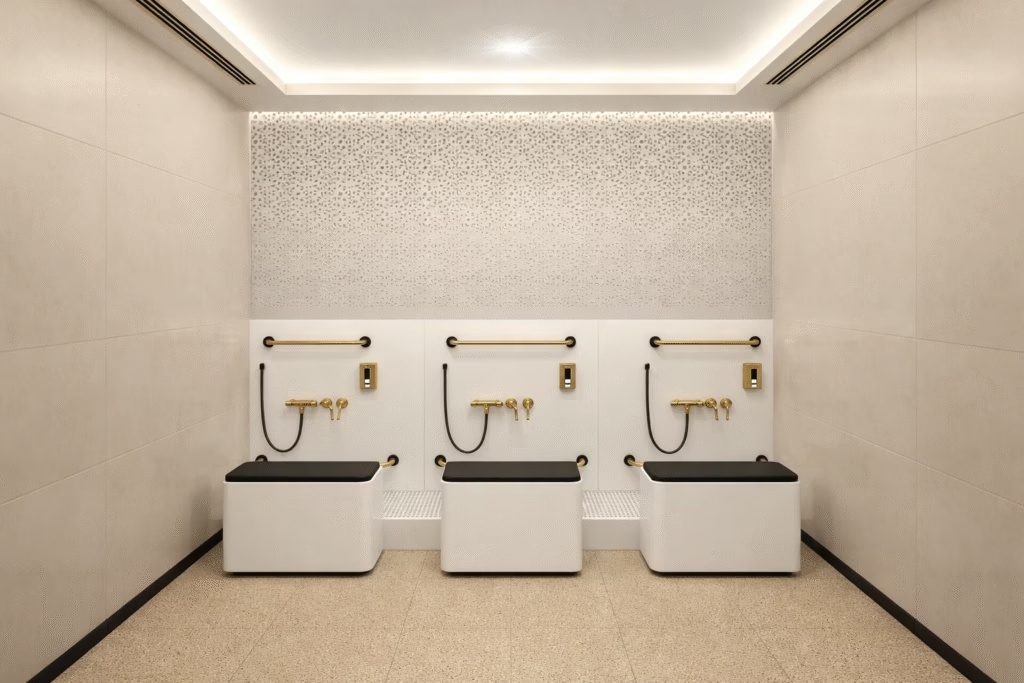
These problems are rarely caused by a lack of intention. Instead, they usually come from design oversights during planning and construction.
This article outlines the most common mistakes in ablution area design and explains how to avoid them with practical, experience-based solutions.
Mistake 1: Treating the Ablution Area Like a Regular Bathroom
One of the most frequent errors is designing an ablution area as if it were a standard washroom.
Why this is a problem:
- Regular sinks are not designed for foot washing
- Bathroom layouts ignore water splashing during ablution
- Drainage systems are often insufficient
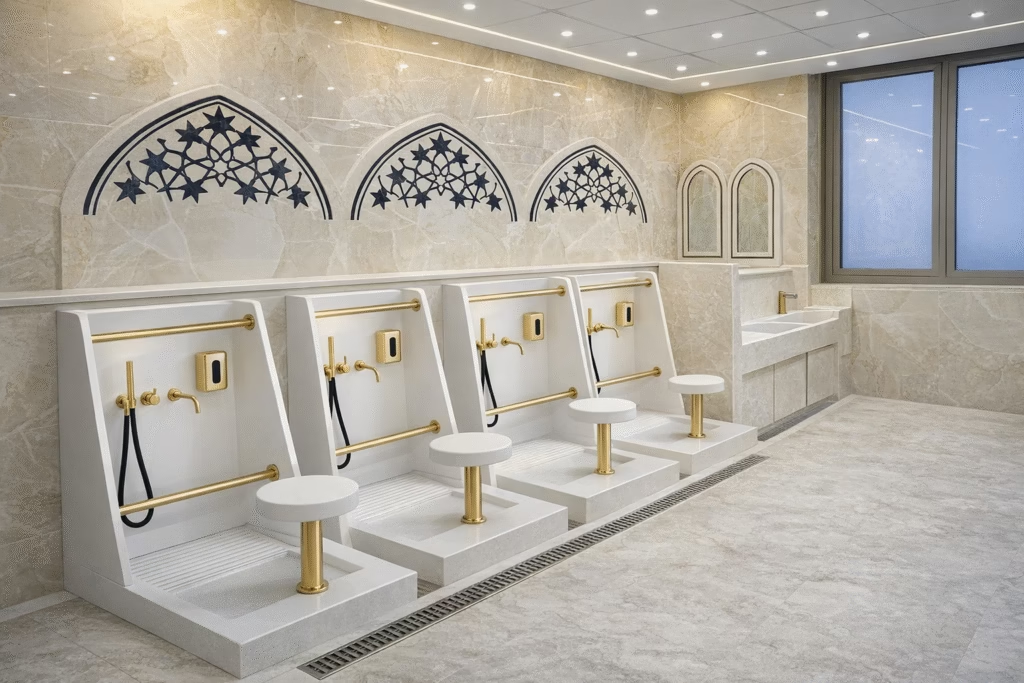
How to avoid it:
- Design the ablution area as a dedicated ritual space, not a shared bathroom
- Use purpose-built ablution basins and foot-wash sections
- Separate ablution from toilet zones whenever possible
A proper ablution area should support the sequence of washing required in wudu, not force users to adapt awkwardly.
Mistake 2: Poor Wall Protection and Splash Control
Water splashing is unavoidable during ablution, especially when washing feet. Many facilities rely on painted walls or tiled surfaces with grout joints.
Common consequences:
- Mold growth
- Discolored grout
- Peeling paint
- Frequent repairs
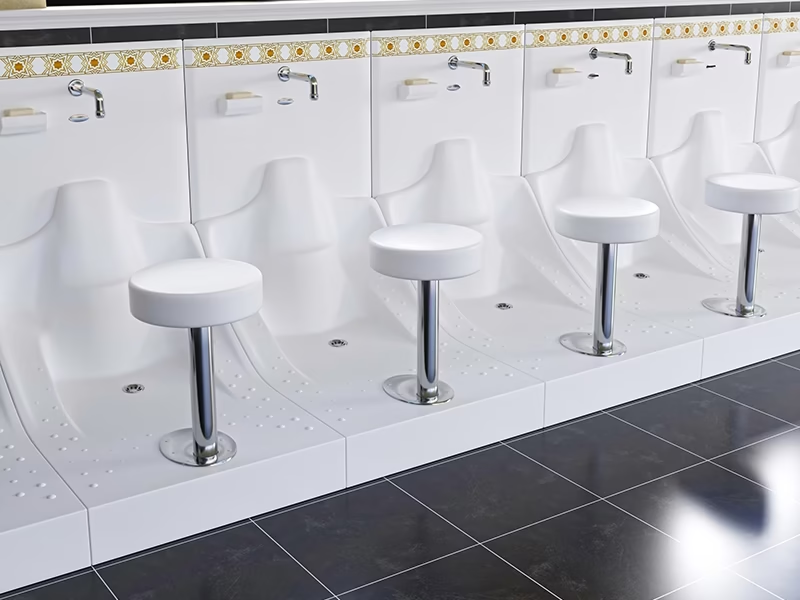
Better approach:
- Install waterproof wall panels in splash zones
- Extend wall protection to an appropriate height
- Use curved or angled splash guards near basins
Ablution areas require wall systems designed specifically for constant moisture exposure.
Mistake 3: Inadequate Drainage Design
Drainage is the foundation of a safe ablution area. Unfortunately, it is often underestimated.
Typical drainage issues include:
- Standing water on floors
- Slippery surfaces
- Unpleasant odors
- Overflow during peak prayer times
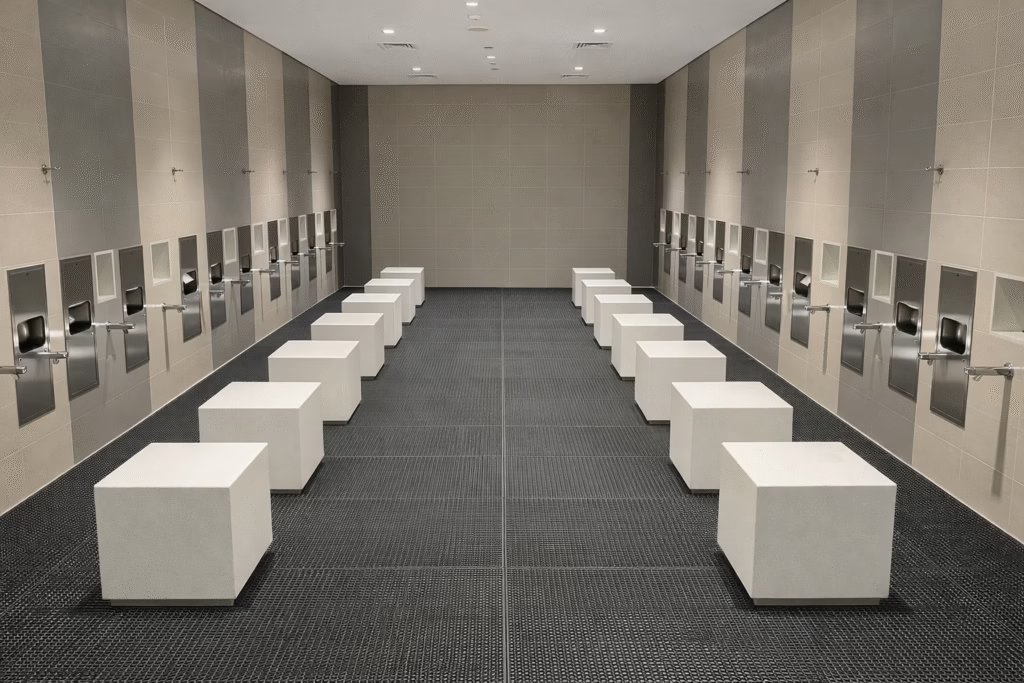
How to avoid it:
- Ensure proper floor slope toward drains
- Use trench or linear drains for high-traffic ablution areas
- Avoid placing drains too far from foot-wash zones
Good drainage is not visible—but when it fails, everyone notices.
Mistake 4: Ignoring User Comfort and Accessibility
Ablution is performed by people of all ages and physical abilities. Designs that only suit young, able-bodied users create discomfort and exclusion.
Common oversights:
- Basins placed too high
- No seating for elderly worshippers
- Slippery edges
- No support rails
Corrective solutions:
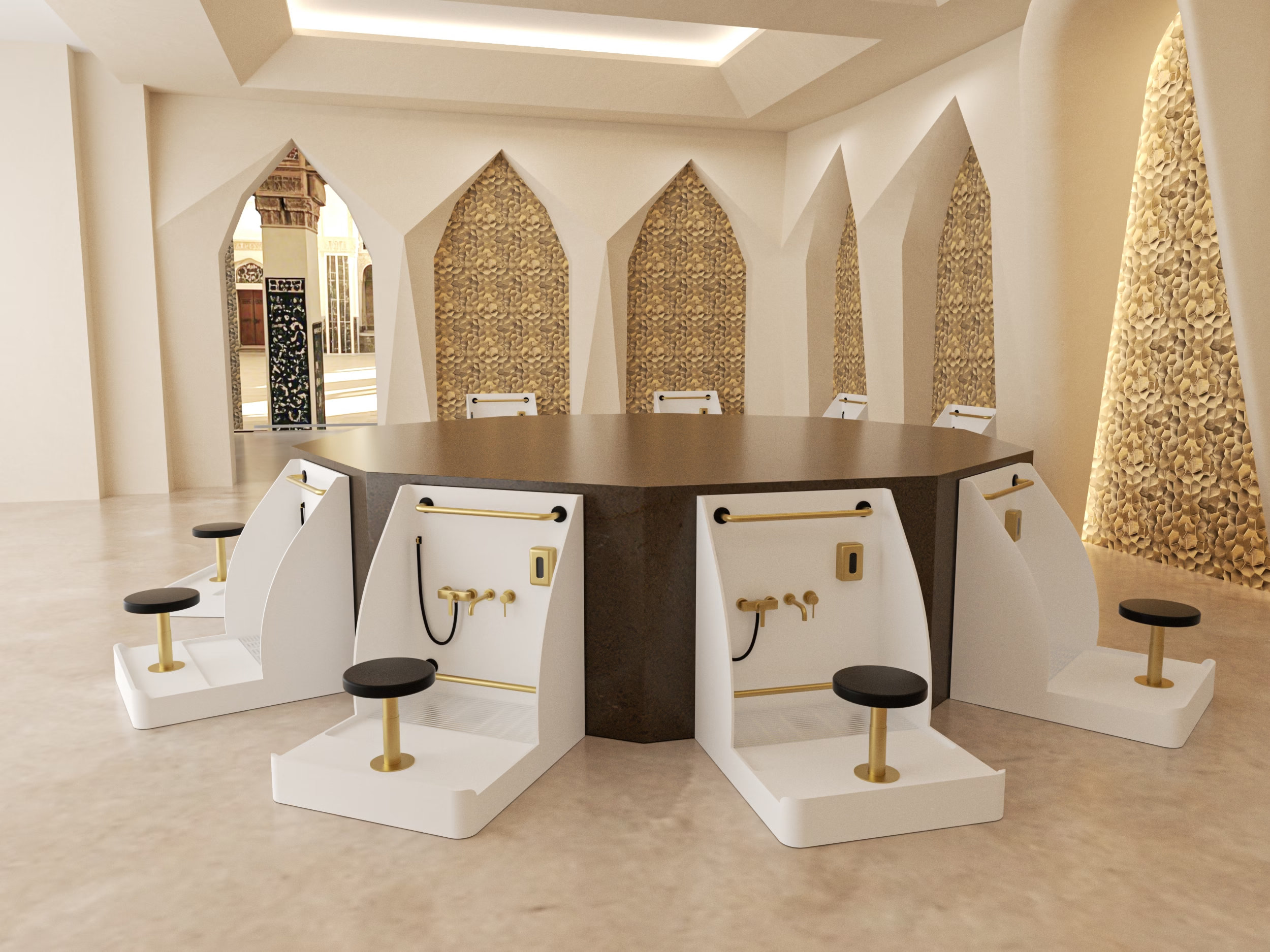
- Incorporate seated ablution options
- Use dual-height basin designs
- Add non-slip surfaces and rounded edges
- Provide adequate spacing for movement
An inclusive ablution area reflects the values of care and accessibility in Islamic spaces.
Mistake 5: Fragmented Material Choices
Using too many different materials across walls, basins, benches, and splash zones often leads to maintenance issues and visual clutter.
Problems caused by fragmented materials:
- Inconsistent cleaning requirements
- Visible joints and gaps
- Faster deterioration in wet zones
Better strategy:
- Use a unified material system across the ablution area
- Minimize joints and transitions
- Choose materials suitable for continuous water exposure
Consistency improves hygiene, durability, and overall aesthetics.
Mistake 6: Poor Lighting and Ventilation
A dark, humid ablution area quickly feels uncomfortable and unhygienic.
Common problems:
- Damp air and condensation
- Slow drying of surfaces
- Odors lingering in enclosed spaces
Design improvements:
- Provide adequate artificial lighting with warm tones
- Maximize natural light where possible
- Install effective ventilation or exhaust systems
A well-lit, well-ventilated ablution area encourages calmness and cleanliness before prayer.
Mistake 7: Weak Transition Between Ablution Area and Prayer Space
The transition from ablution to prayer should feel intentional. In many buildings, this transition is abrupt or poorly defined.
Why this matters:
- Ablution prepares both body and mind
- The spatial transition reinforces spiritual focus
Better design approach:
- Define a clear transition zone
- Use wall panels or architectural features to guide movement
- Keep floors dry and clean before entering the prayer hall
A thoughtful transition enhances the overall worship experience.
Conclusion
A successful ablution area is not created by accident—it is the result of intentional design choices that prioritize hygiene, comfort, safety, and spiritual flow.
By avoiding these common mistakes and approaching ablution area design as a complete system, mosques and public facilities can create spaces that are cleaner, more durable, and more respectful of the ablution ritual.
Well-designed ablution areas reduce maintenance costs, improve user satisfaction, and elevate the overall quality of religious facilities.
👉 Discover professional ablution and wudu area solutions at WuduWashPro.com
FAQ
1. What is the biggest mistake in ablution area design?
Treating it like a standard bathroom instead of a dedicated ritual space.
2. Why is wall protection so important in ablution areas?
Because constant splashing leads to mold, stains, and long-term damage without proper waterproof panels.
3. How can drainage issues be avoided?
By designing correct floor slopes, placing drains strategically, and using high-capacity drainage systems.
4. Should ablution areas include seating?
Yes. Seating improves accessibility and comfort, especially for elderly and disabled users.
5. How does ablution area design affect the prayer experience?
A clean, calm, and functional ablution area helps worshippers prepare mentally and physically for prayer.