Introduction
A well-functioning wudu basin is essential for maintaining a clean, comfortable, and spiritually uplifting environment in mosques and Islamic centers. However, like any facility used frequently throughout the day, wudu basins can develop issues over time. Identifying these common problems early and knowing how to fix them ensures that the ablution space remains hygienic, safe, and welcoming for worshippers.
This article highlights the most common wudu basin problems and offers practical solutions to fix them while ensuring long-term performance.
Problem 1: Drainage Issues
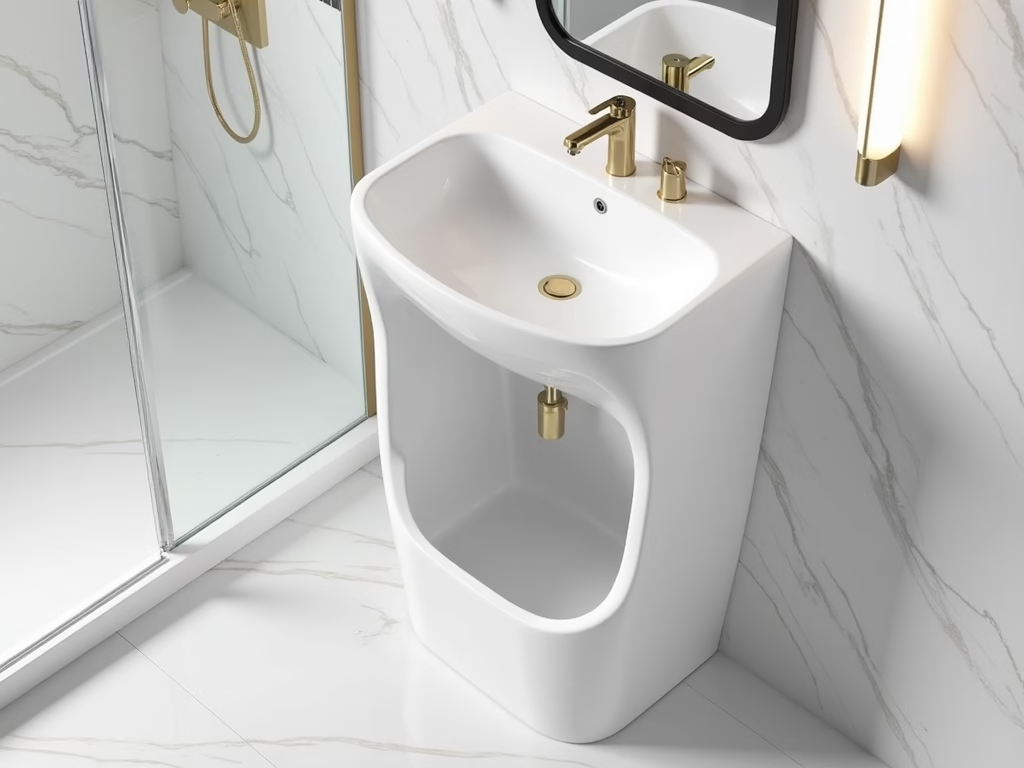
One of the most frequent problems is slow or clogged drains caused by soap residue, hair, or debris. Poor drainage not only inconveniences users but also increases the risk of bad odors and mold.
How to fix it:
- Flush drains regularly with hot water to dissolve buildup.
- Use a safe cleaning mixture of baking soda and vinegar, followed by boiling water.
- For persistent blockages, consider installing a removable drain cover for easier cleaning.
For more in-depth advice on keeping wudu basins functional, see How to Maintain and Clean a Wudu Basin for Long-Term Use.
Problem 2: Water Leakage
Leaks often occur around basin joints, pipes, or faucets. This can lead to water wastage, floor damage, and safety hazards such as slipping.
How to fix it:
- Regularly inspect pipes, joints, and faucet seals.
- Replace worn-out washers or tighten fittings.
- Apply waterproof sealants around the basin edges to prevent seepage.
If the issue persists, hiring a professional plumber ensures long-lasting repairs.
Problem 3: Rust and Stains
Stainless steel and other materials can develop rust spots or mineral stains over time, especially in areas with hard water. These not only affect aesthetics but can also weaken surfaces.
How to fix it:
- Clean basins with mild soap and non-abrasive cloths.
- Use vinegar or lemon juice to dissolve mineral deposits naturally.
- For stubborn stains, apply a baking soda paste and rinse thoroughly.
- Consider upgrading to solid surface basins, which are non-porous and more resistant to staining. For a comparison of materials, read Stainless Steel vs. Solid Surface Wudu Basins: Which Is Better?.
Problem 4: Mold and Odors
Because wudu areas are frequently wet, they are prone to mold growth and unpleasant smells. This can create discomfort for worshippers and compromise hygiene.
How to fix it:
- Improve ventilation by using exhaust fans or windows.
- Clean walls and basin surroundings weekly with vinegar-water solutions.
- Pour baking soda and vinegar into drains to neutralize odors.
- Ensure proper drainage design when installing new basins.
Problem 5: Accessibility Challenges
Older basins may not meet the needs of all worshippers, especially children, the elderly, or those with mobility limitations. This can make wudu difficult and uncomfortable for some community members.
How to fix it:
- Install basins at multiple heights to accommodate all age groups.
- Include seating options to support elderly and disabled worshippers.
- Ensure the layout allows wheelchair access for inclusivity.
For more guidance on choosing inclusive designs, check How to Choose the Best Wudu Basin for Your Mosque.
Problem 6: High Water Consumption
Traditional faucets often waste large amounts of water, leading to high utility costs and environmental concerns.
How to fix it:
- Replace old taps with sensor-activated or low-flow faucets.
- Educate worshippers about mindful water usage.
- Design efficient drainage to reduce overflow and splashing.
For mosques seeking sustainability, modern water-efficient wudu basins are an excellent solution. Learn more in Top 5 Features to Look for in a Modern Wudu Station.
Conclusion
Wudu basins play a vital role in supporting one of Islam’s most sacred acts of purification. Addressing common problems such as drainage, leakage, rust, mold, accessibility, and water waste ensures that wudu facilities remain functional and welcoming.
By combining regular maintenance with modern design features, mosques can provide spaces that respect tradition while meeting the needs of today’s worshippers.
Call to Action
At WuduWashPro, we specialize in durable, hygienic, and modern wudu basins designed to minimize problems and maximize comfort. Whether upgrading your existing facilities or building new ones, our solutions ensure a long-lasting and spiritually uplifting wudu experience.
Explore our wudu basin solutions and create an ablution space that truly serves your community.
FAQ
1. What are the most common problems with wudu basins?
The most common issues include drainage clogs, water leakage, rust or stains, mold growth, accessibility limitations, and excessive water consumption.
2. How can drainage problems in a wudu basin be fixed?
Regular flushing with hot water, using baking soda and vinegar, and installing removable drain covers can help resolve and prevent clogs.
3. What causes rust or stains on wudu basins?
Rust and stains often develop due to hard water and poor cleaning. Regular maintenance with mild cleaners and natural solutions prevents buildup.
4. How do mosques reduce water waste in wudu areas?
Installing low-flow or sensor-activated faucets and raising awareness about mindful water use are effective solutions for saving water.
5. Can old wudu basins be upgraded for accessibility?
Yes, basins can be replaced or modified with seating, proper heights, and wheelchair access to make them inclusive for all worshippers.