Introduction
Wudu—the ritual ablution performed before prayer—is both a spiritual and practical practice. The environment in which wudu is performed affects worshippers’ comfort, dignity, and ability to prepare mentally for salah. As mosques serve larger, more diverse communities today, designing dedicated wudu areas that combine accessibility, hygiene, durability, and sustainability has become essential. This guide walks mosque committees, architects, and community planners through everything they need to design effective wudu facilities: principles, materials, layouts, sustainability, accessibility, budgeting, real-world examples, and a practical checklist to take action.
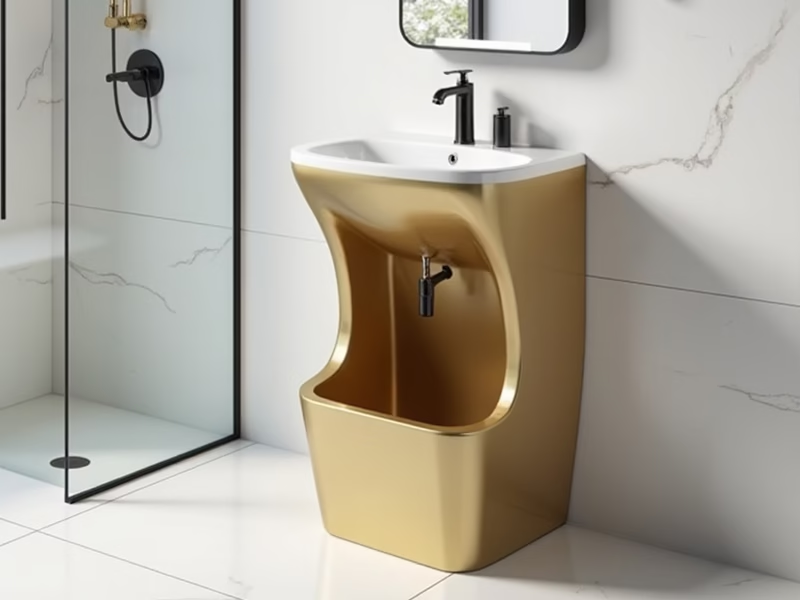
Understanding the Importance of Wudu Area Design
Wudu is more than washing; it is preparation. A poorly designed wudu area can create bottlenecks, hygiene problems, safety risks, and a negative impression of the mosque’s care for worshippers. Conversely, a well-designed space reinforces the sanctity of prayer: it reduces stress, supports inclusivity, minimizes maintenance, and reflects respect for users. For context on the spiritual role of wudu, see our article The Importance of Wudu in Daily Muslim Life. Designing with that spiritual purpose in mind leads to functional, dignified spaces.
Core Principles for Designing Wudu Areas
Accessibility and Inclusivity
Make the space usable for children, elderly worshippers, pregnant women, and people with disabilities. Multi-height basins, clear transfer space for wheelchairs, grab bars, and seating options create dignity and independence. Consider at least one fully accessible station (open-bottom for wheelchair approach) and several lowered basins for children.
Comfort and Flow
Plan circulation routes: entry → perform wudu → dry/exit. Separate wet zones (basins and drains) from circulation space. Provide seating near basins for those who need it and ensure enough lateral space between stations so users aren’t shoulder-to-shoulder. For sizing guidance and capacity planning, refer to How to Select the Right Size Wudu Basin for Your Facility.
Privacy and Cultural Sensitivity
Many communities prefer separate male and female wudu areas or separate entrances. Even in shared spaces, sightline management, partitions, and staggered basin layouts can preserve privacy while maintaining supervision where needed (e.g., for youth groups).
Durability and Maintainability
Select materials and details that survive heavy use: non-porous surfaces, corrosion-resistant fixtures, and easily replaceable drain covers. Make maintenance tasks simple—accessible inspection panels for plumbing, removable drain traps, and surfaces that clean easily to avoid long-term microbial buildup. For detailed cleaning guidance, see How to Maintain and Clean a Wudu Basin for Long-Term Use.
Choosing the Right Materials
Basins: Stainless Steel vs Solid Surface vs Hybrid
Stainless steel offers high durability, corrosion resistance, and lower upfront cost—ideal for high-traffic sites. Solid surface (acrylic/engineered stone) is seamless, non-porous, and highly hygienic; it supports integrated seating and custom forms but requires more structural support and higher initial investment. Hybrid solutions combine stainless steel framing with solid-surface tops for a balance of cost and hygiene. For an in-depth comparison, read Stainless Steel vs. Solid Surface Wudu Basins: Which Is Better?.
Flooring and Wall Finishes
Choose slip-resistant tiles or textured stone for floors with high C-rating for wet areas. Walls should use waterproof panels or porcelain tiles with minimal grout lines; where grout is unavoidable, use epoxy grout to resist mold. Corners and cove bases reduce dirt traps and simplify cleaning.
Fittings and Fixtures
Sensor-activated or push-button taps reduce touchpoints and water waste. Flow-restricted aerators and timed sensors keep water usage efficient. Use stainless or brass fixtures with anti-corrosion coatings. Choose tamper-resistant mounting for public settings.
Layout and Spatial Planning
Small Prayer Rooms and Compact Designs
In limited space, prioritize flow and flexibility. Use wall-mounted, foldable seating and compact corner basins. Vertical storage and wall-mounted drain access points maximize usable floor area. Keep a single accessible station if space prevents a full set.
Medium and Large Mosques
For medium and large mosques, group basins in banks to speed throughput: rows of 4–8 stations with clear approach aisles. Provide separate drying/exit corridors to keep prayer halls clean. Consider separate wudu halls for women and men or staggered entry times during peak hours.
Dedicated vs Shared Facilities
Dedicated wudu halls improve hygiene and flow: they avoid mixing toilet traffic with ablution, reduce odors, and concentrate cleaning efforts. Shared facilities may be cheaper but often create hygiene and perception issues. Where budget forces shared use, maintain strict signage and clear separation between toilet stalls and wudu basins.
Sustainability and Eco-Friendly Strategies
Water Conservation
Wudu performed multiple times daily across many worshippers consumes significant water. Install sensor taps, flow restrictors, and pulse-delay sensors. Recirculation is not acceptable for ablution, but stormwater capture and graywater reuse (for landscaping, not for wudu) can reduce overall water demand on site. Pair fixtures with community education on mindful water use—the Prophet’s guidance on avoiding waste remains relevant.
Energy Efficiency and Ventilation
Adequate ventilation prevents mold and reduces the need for chemical cleaning. Energy-efficient LED lighting and motion sensors in less-used areas save electricity. Consider natural ventilation where climate and security permit.
Low-Carbon and Recyclable Materials
Select locally sourced materials, low-VOC finishes, and products with recycled content. Where solid surface is used, check manufacturer policies on recyclability or repairability.
Accessibility and Inclusivity in Practice
Seating and Rest Areas
Provide benches with back support near the wudu area for those who need to sit. Consider benches that double as storage for shoes or umbrellas to keep circulation areas tidy.
Multi-Height Stations and Family Friendly Design
Install a cluster of basins at varying heights: adult standard, child height, and a lowered accessible station. This allows families and diverse congregants to use facilities comfortably.
Clear Signage and Wayfinding
Use multilingual signage, clear pictograms for basin functions, and tactile markers for visually impaired worshippers. Signage should be discreet yet highly legible.
Budgeting, Procurement, and Long-Term Value
Upfront Cost vs Lifetime Value
Cheaper initial materials can mean higher maintenance and earlier replacement. Budget models should include lifecycle costs—water, cleaning labor, repairs, and replacement. Solid-surface basins may cost more initially but reduce cleaning time and replacement frequency.
Warranties and Supplier Selection
Require manufacturer warranties for basins and fixtures. Vet suppliers for service support and spare parts availability. Local installers with experience in wet-area plumbing are essential.
Funding and Community Engagement
Frame wudu upgrades as community investments in dignity, accessibility, and environmental stewardship to attract donations. Offer sponsorship packages for named stations (e.g., donor benches) or phased upgrade plans.
Common Pitfalls and How to Avoid Them
- Poor drainage design: Avoid shallow slope drains and undersized trap systems. Use accessible drain traps and removable strainers. Test drainage with peak-flow simulations during design.
- Inadequate ventilation: Moisture buildup leads to mold and odors. Always integrate exhaust fans tied to humidity sensors and, if possible, natural ventilation paths.
- Overcomplicated fixtures: Highly technical smart fixtures may offer features but increase maintenance complexity. Strike a balance between automation (sensors, low-flow) and maintainability—choose proven technologies with local technical support.
Real-World Examples and Case Studies
- Southeast Asia mosque retrofit: Replaced old tiled basins with solid surface integrated units, added sensor taps and coved flooring. Result: reduced cleaning time by 30% and improved user satisfaction.
- European inclusive redesign: Reconfigured a compact utility room into a dedicated wudu hall with multi-height stations, wheelchair access, and passive ventilation. The redesign cut waiting time during Friday prayers and broadened community participation.
- Large-scale new build in the Middle East: Modular solid-surface banks with integrated drainage and seating; combined with a stormwater capture system for landscape irrigation, reducing total water demand and creating a dignified wudu environment.
Best Practices Checklist for Mosque Committees
- Confirm user needs (average attendance, peak attendance, demographic mix)
- Allocate space for clear entry, ablution, drying, and exit routes
- Provide at least one fully accessible basin and several child-height options
- Choose non-porous materials and sealed joints; minimize grout lines
- Install water-efficient taps (sensor or low-flow) and test for maintainability
- Ensure slip-resistant flooring and good lighting; add grab bars where needed
- Design for maintenance: accessible plumbing, removable drain strainers, and service access panels
- Incorporate ventilation tied to humidity sensors to prevent mold
- Build for future growth: modular banks or easily expandable layouts
- Engage the community in funding and stewardship—offer clear maintenance plans
Conclusion
Wudu areas are essential to mosque life: they are where worshippers physically and mentally prepare for prayer. Thoughtful design—balancing accessibility, hygiene, durability, sustainability, and spiritual dignity—creates facilities that serve present needs and anticipate future growth. Whether renovating a small neighborhood mosque or planning a large Islamic center, applying these principles ensures a wudu space that honors both faith and practical use.
Call to action
If you’re planning a wudu renovation or new installation, WuduWashPro can help with design advice, material selection, and durable basin solutions. For product guidance, see The Ultimate Buyer’s Guide to Wudu Basins for Mosques and explore our range at WuduWashPro. Contact us for a consultation and a tailored recommendation for your mosque’s needs.