Introduction
Wudu Projects are crucial for any mosque. They help maintain hygiene, enhance comfort, and ensure flawless water conservation. But proper planning is needed before installing the wudu basins in your mosque.
Water stagnation and hygiene are major factors in the mosque, which are often ignored. Most project managers ignore it, which ultimately leads to higher maintenance costs and an unhygienic environment.
A suitable mosque wudu drainage design system helps maintain a hygienic environment and decrease maintenance costs. We will shed light on the drainage design systems for wudu areas and explain how you can improve them for your mosque.
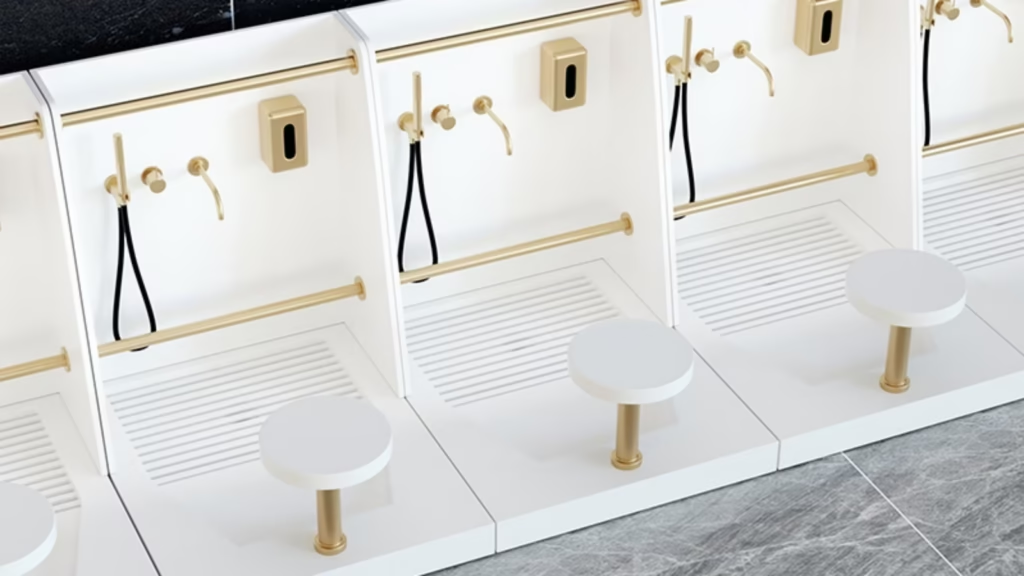
Understanding Wudu Area Drainage Design
What Is Wudu Area Drainage Design?
Wudu area drainage design is an ablution basin blueprint that maintains water flow, provides better control, and ensures hygiene in the mosque settings.
The key features are:
- Floor slope and gradient
- Drain type, size, and placement
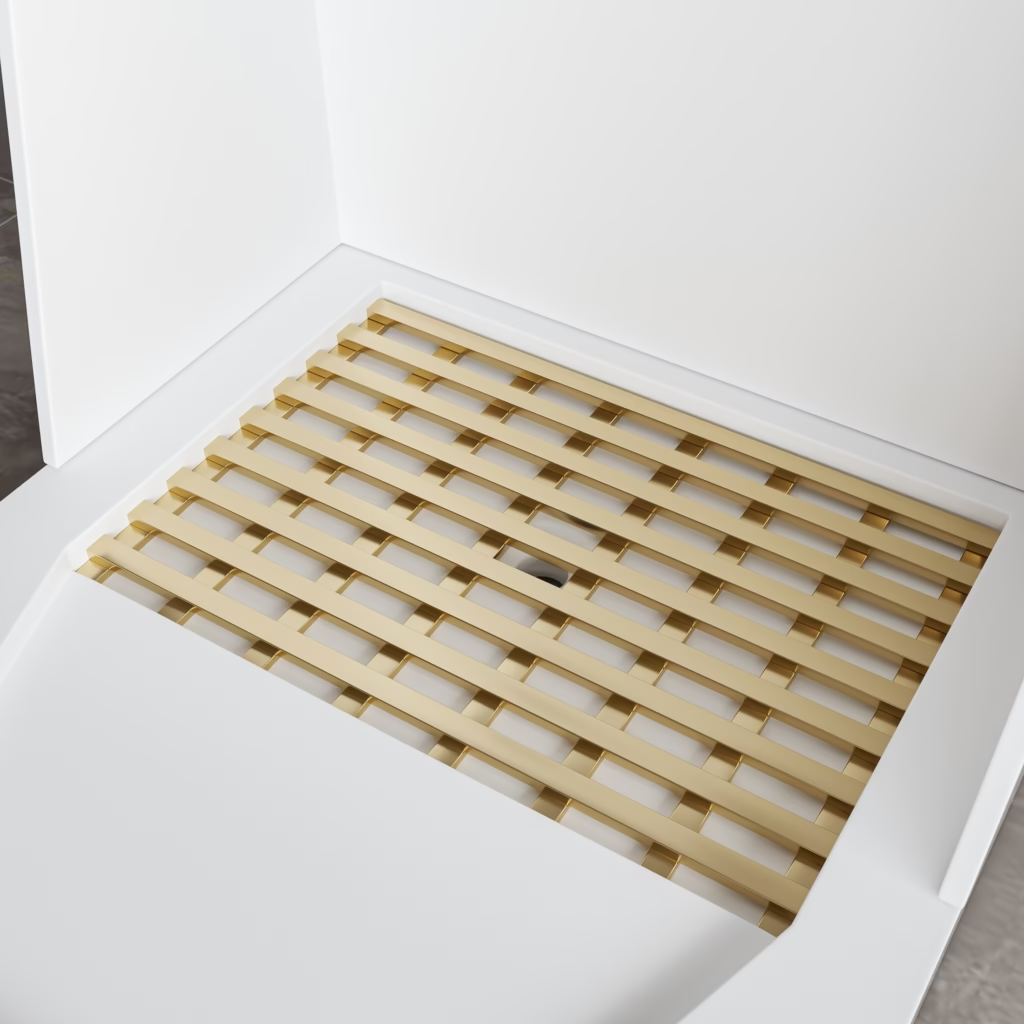
- Gratings and covers
- Waterproofing layers
- Access for cleaning and maintenance
How Wudu Drainage Differs from Regular Wash Areas
Wudu drainage problems differ from those in regular bathroom systems. It is because of the following unique features compared to bathrooms or kitchens.
- Higher frequency of use (before every prayer)
- Continuous water flow, not intermittent usage
- Barefoot users, increasing slip and hygiene risks
- Open layouts, often without enclosed basins
- Religious cleanliness standards
Common Mosque Drainage Problems Caused by Poor Design
Poor drainage design brings hassles and causes several issues discussed below.
Inadequate Floor Sloping
One of the grave mistakes is the floor’s inaccurate slope angle. It leads to the following problems with mosque drainage.
- Water stagnates in corners
- Small puddles remain after use
- Tiles remain constantly wet
You can’t deal with your water stagnation issues. It becomes a structural issue and requires repairs for a long time. You should be ready for the unnecessary cost burden. Planning design based on the requirements helps decrease the long-term costs.
Poor Drain Placement
Drain placement is crucial for adequate water flow. If you place the drain at the wrong spot and angle, here is what happens.
- Water travels long distances before draining
- Splashing near seating areas
- Uneven wear on the flooring
Maintenance and cleaning can’t resolve this issue for the long-term. Repair and replacement cause overburdened financial issues. You must reconsider your drainage system and redesign as early as possible.
Undersized or Low-Capacity Drains
Remember, slow drainage slows evacuation and increases the risk of bacterial and mold growth. Low-capacity or undersized drains can decrease water flow.
A few more issues are listed below.
- Slow water evacuation and more stagnant flow.
- Frequent overflows during peak prayer times.
- Backflow during heavy usage.
Low-capacity drains are nothing but your extra water burden. They can increase your water loss. They cost you damages in the long run and increase repair costs over and over again.
Improper Drain Covers and Gratings
Your drains should never be exposed to the outside environment. Otherwise, here is what happens.
- Trap hair and debris
- Break under foot traffic
- Create uneven walking surfaces
Chances of accidents double up with compromised user safety. These defects can’t be covered with maintenance for long. Redesign your drains to cover your drainage issues.
Hygiene Issues and Their Financial Impact
Hygiene impacts both human health and financial instability. Let’s go through various points to understand the impact in detail.
Standing Water and Bacterial Growth
Without proper drainage, water flow can stop or slow down over time. It leads to the growth of the mold and bacterial agents. Foul odors can develop in the water and may require immediate chemical treatment. But this chemical treatment is an incurable cost and might never be solved by maintenance.
Such inaccurate designs come at a higher cost and cause a financial burden on the mosque committees. Redesign becomes a necessity.
Mold and Mildew Formation
Mold and mildew occur due to improper drainage design and water flow. Mold grows in the grout lines, wall bases, under benches, and seats.
Maintenance and cleaning can only temporarily resolve this issue. However, temporary mold removal is not the solution; you need permanent elimination with the proper design. It increases maintenance and raises costs.
Blocked Drains and Backflow
Drainage blockages occur when materials become trapped. Dust, dirt, or some particles accumulate and need proper clearance before they block the drains. Without clean drains, backflow can occur, compromising user hygiene.
Even if you maintain the drains, it is a long-standing maintenance hassle. It brings both a financial burden and an unhygienic environment.
How Poor Drainage Design Drives Up Maintenance Costs
Poor drainage causes water to back up and impacts nearby structures. It causes frequent repairs and elevated maintenance costs. Let’s take a look at such cases.
Frequent Minor Repairs That Add Up
Once there is a problem with the water flow, you must be ready to pay the price. It causes minor but long-standing hassles. Here are a few of the most common issues associated with poor drainage design.
- Loose tiles
- Cracked grout
- Minor leaks
Initial repair costs seem very low, but if you calculate long-term repairs as snowballing into maintenance costs.
Higher Cleaning and Labor Costs
If there is no proper drainage system, you will have to hire more staff for cleaning. Here are a few key issues.
- More frequent mopping is necessary as your floor and materials get dirtier more quickly.
- Longer drying times are required as water accumulates on the surface.
- Extra staff hours are essential because your laborers or janitorial staff need to work on cleaning jobs.
Cleaning tools and more staff increase the labor costs. It adds up your maintenance budget, making management difficult. Tackle this issue at the design stage and save more costs!
Unplanned Maintenance Disruptions
Drainage failures rarely occur when high-quality pipelines are installed. However, emergency maintenance disruptions cause the following issues.
- You must close wudu areas during prayer times. It is alarming for the worshippers.
- Forcing temporary arrangements at short notice is full of hassles
- It causes dissatisfaction among worshippers.
Therefore, consider a high-end wudu basin station and implement a successful wudu drainage design for the mosque.
Long-Term Repair Costs Often Overlooked at Planning Stage
Most mosque committees fail to think about the future. During the planning stage, they overlook the additional repair costs associated with the inefficient drainage in the ablution area.
Tile and Flooring Replacement
Stopping water has the most significant impact on the floor tiles. Moisture penetrates and decreases the adhesion. It causes tile lifting, cracking, and floor failure. Replacing the floor is another hassle that is costly and time-consuming.
Subfloor and Structural Repairs
Water hits the structural components aggressively. Wrong design causes water infiltration which damages steel reinforcement or concrete slabs. The foundation of the whole mosque is at risk of damage and might need repair.
Replacing Fixtures and Basins
Improper drainage can also damage fixtures and basins. It roots out the components, leading to frequent basin replacements. Increased corrosion and higher maintenance costs impact the mosque project managers.
Case Scenarios: Cheap Drainage vs Proper Drainage
Proper drainage is necessary for continuous water flow. Let’s compare and know two opposite cases.
Scenario 1: Low-Cost Initial Drainage Design
A proper drainage system is necessary for the premium cost margins. A customer saved money by using a low-cost, inefficient drainage system.
Here is what resulted in such a case.
Results within 2–3 years would be this.
- Persistent puddles due to improper water drainage.
- Frequent blockages of the drain happened due to inefficient water flow.
- Mold growth
- Repeated tile repairs
The long-term outcome is here.
- Flooring replacement within 5–7 years is the central issue in such cases.
- High maintenance expenses are expected due to hygiene and water-loss issues.
- Regular service disruptions
Scenario 2: Properly Planned Al-BUKHARI Area Drainage
Another case scenario is the proper implementation of the drainage system by the Al-Bukhari mosque. We managed and delivered long-term benefits to resolve drainage problems at the mosque.
The immediate results were:
- Rapid water evacuation due to a quality drainage setup.
- Minimal standing water as water constantly flows through the drains and pipes.
- Easy drain access for cleaning helped clear out the debris and dust particles trapped.
- Long-lasting materials, such as solid-surface materials, help optimize water drainage.
The long-term benefits are:
- Lower maintenance costs
- Extended flooring lifespan
- Consistent hygiene standards
- No major repairs for 10–15 years
Key Drainage Design Elements That Reduce Long-Term Costs
A feasible mosque wudu drainage design eliminates all hassles and maintains water flow. Here are a few tips and expert insights for the mosque wudu drainage designs.
Correct Floor Sloping and Water Flow Planning
Sloping provides a proper drainage angle and should be carefully planned. You must check the basin height relative to the floor. Make the correct sloping angle so that all water goes through the drainage pipes.
Adequate Drain Quantity and Placement
Having too few drains causes water to flow more slowly and increases pressure. It can damage the pipes. While too many drains are a cost burden and suitable only for the high-traffic ablution area drainage.
Commercial-Grade Drain Materials
Commercial-grade drain materials are highly durable and maintain proper water flow. They outperform in the stress conditions. Materials can include:
- Stainless steel or corrosion-resistant alloys
- High-load gratings
- Long-life seals and joints
You should prefer the high-quality drainage materials for your mosque wudu drainage design.
Easy-Access Drain Maintenance Design
Pipe clearance is needed from time to time. Moreover, drain maintenance is essential after a few days to weeks. You should make the drainage for the ablution area accessible. Each component should be easily accessible and should facilitate cleaning. You should ensure a proper maintenance design system by testing the feasibility and accessibility.
Conclusion
Drainage is not just about hygiene; it is a critical step to ensure water conservation and proper water flow. It causes financial instability, daily maintenance, and hygiene hassles when poorly planned. You should involve the mosque project experts when planning your mosque wudu basins.
Wudu Wash Pro is a well-known expert available 24/7 to help you sort out your mosque basins. Our high-end drainage systems, along with maintenance tips, help minimize hygiene issues. Get solid-surface, non-porous, mildew-resistant basins from our experts right away!