Slip accidents are commonly found in the areas of mosque ablution. In the majority of instances, the safety problem in wudu areas is due to the design choices that were taken many years earlier than the initial complaint or injury. Lack of water control, circulation and drainage planning around actual use of mosques accumulatively leads to safety risks and then when an incident occurs, it becomes hard to ignore the safety risk.
As per the case studies of post-installation testing and renovation planning analysis, the reasons seem to be the same: wet floors that go beyond the walkways, uncontrolled splashing, poor alignment of drains, and congestion during rush periods in prayer. Such circumstances add to the risks of accidents, put mosques in a liability, and raise maintenance expenses in the long-term.
Here in this guide, you will find the reasons that cause slips in poorly designed wudu spaces, the real location of the risks and how careful designs can help to minimise the accidents before they happen.
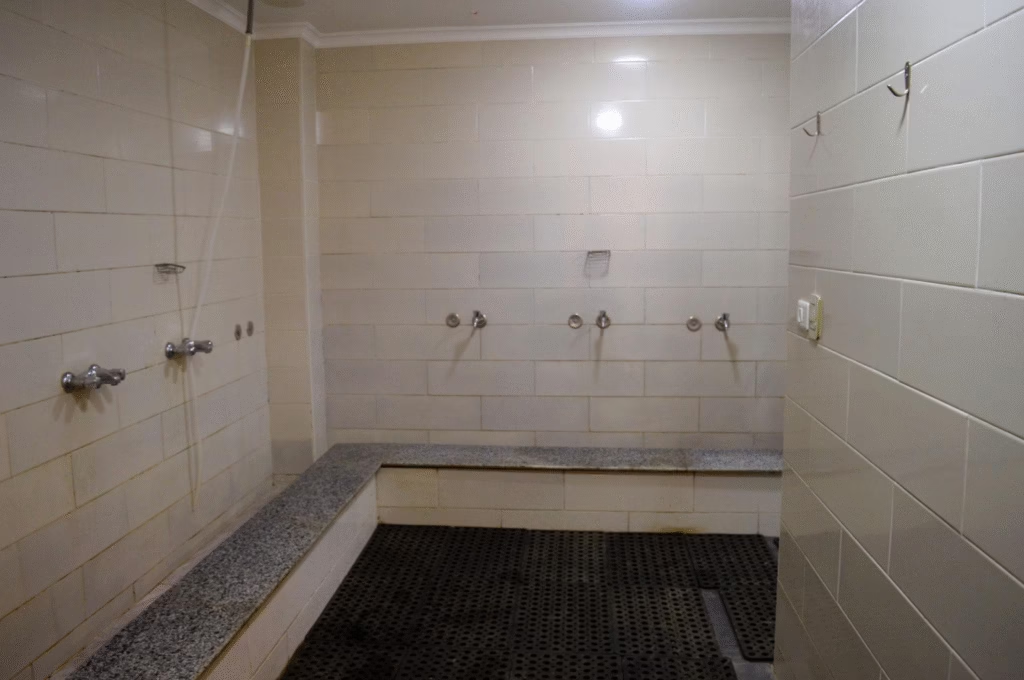
Why Poorly Designed Wudu Areas Are Naturally High-Risk Spaces
Ablution spaces mix various risk factors which are not found in other locations within the mosque:
- Continuous water use
- Barefoot movement or sole-less movement.
- End user turnover in brief time intervals.
- Users with disabilities and mobility limitations.
When design fails to manage these variables, even minor moisture is a big slip hazard during ablution. Notably, the majority of accidents do not happen at wudu itself, but during the movement in the space.
Wet Floors Are Not a Cleaning Problem, but a Design Failure
Continuous wet floor mosque practices tend to be attributed to cleaning practices. In the actual sense, cleaning teams are normally reacting to design mistakes as opposed to being the reason.
- Splash is not just restricted to basin areas.
- Drainage is located beyond actual waterways.
- Water is driven into circulation paths by the slopes of the floors.
Once the water gets to the walking paths, the chance of falls is extreme- particularly on the high-peak prayer times when they move swiftly.
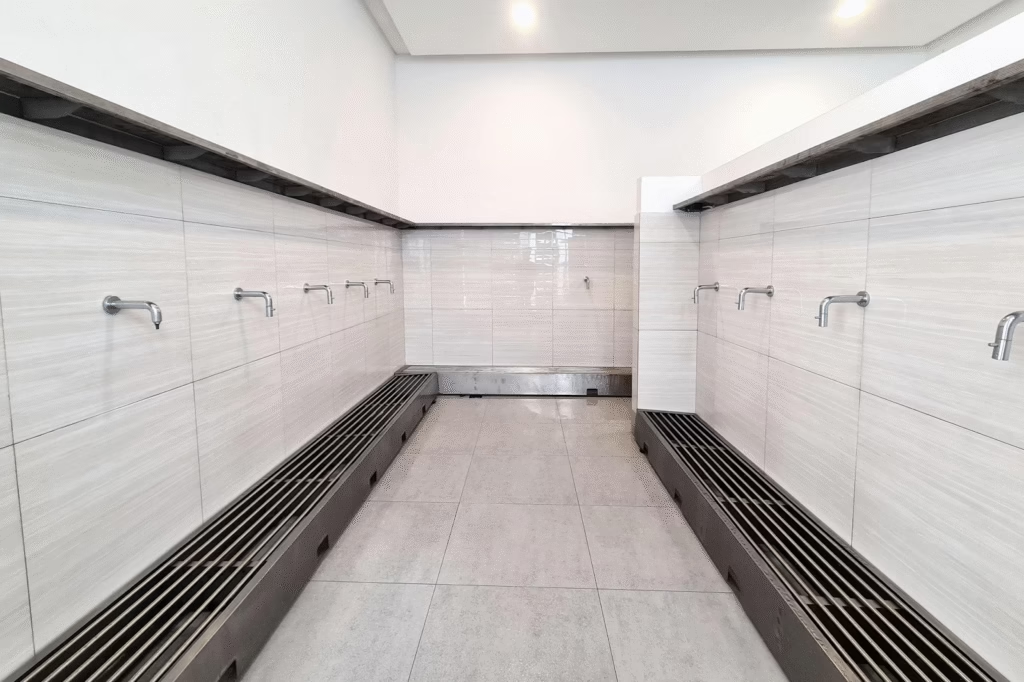
Control of Splashing is the Focus of Wudu Area Safety
One of the least anticipated sources of accidents in the wudu area is splashing out of control.
- Poorly designed basins usually:
- Spraying water when washing feet.
- Permit spillage to neighbours.
- Spray mist into the exit and waiting bays.
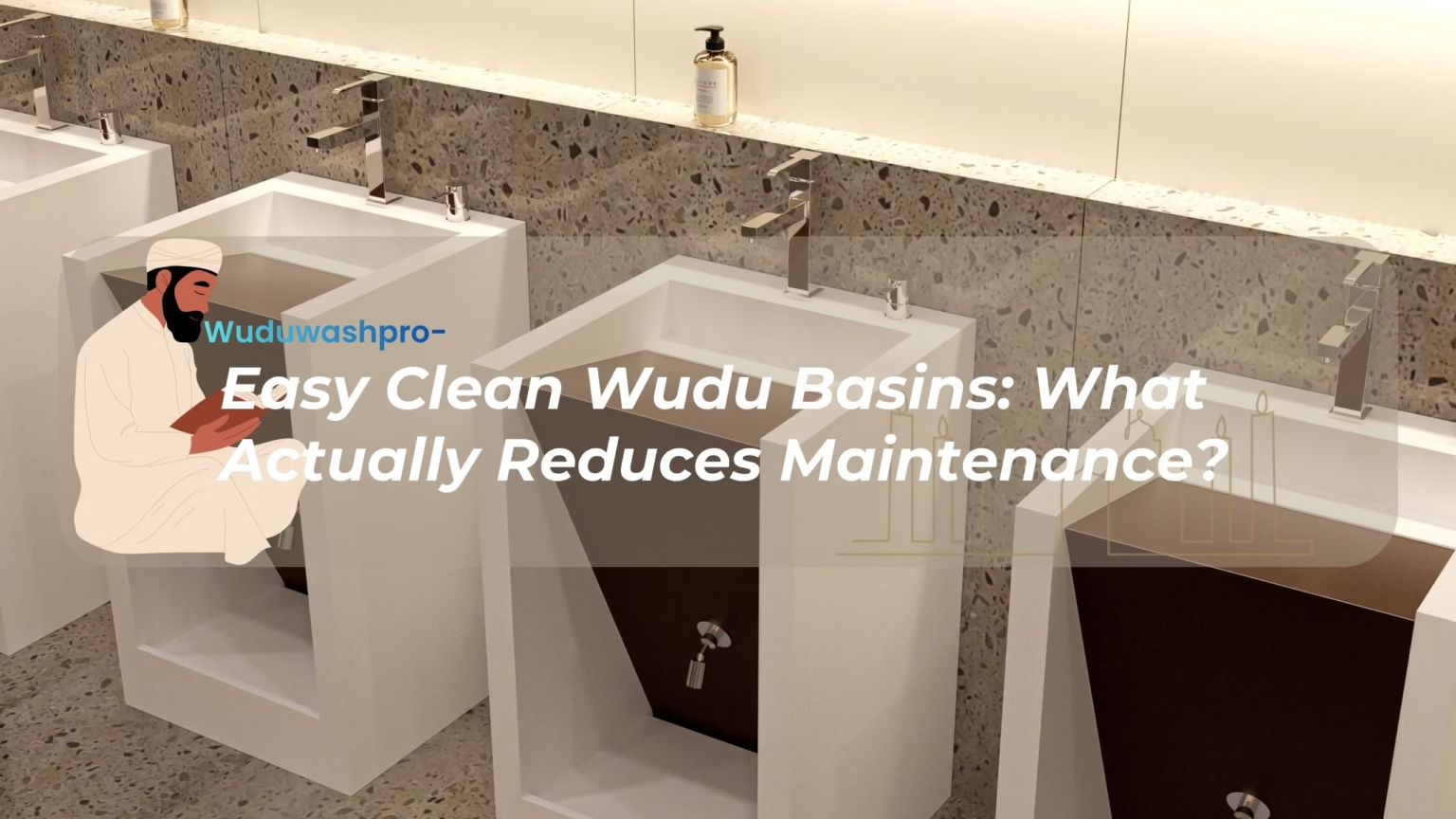
This generates cumulative wetness in the busy mosques, which cannot be fully controlled by cleaning using spots. The geometries, depth, and water control of basins have a direct influence on the water pathway.
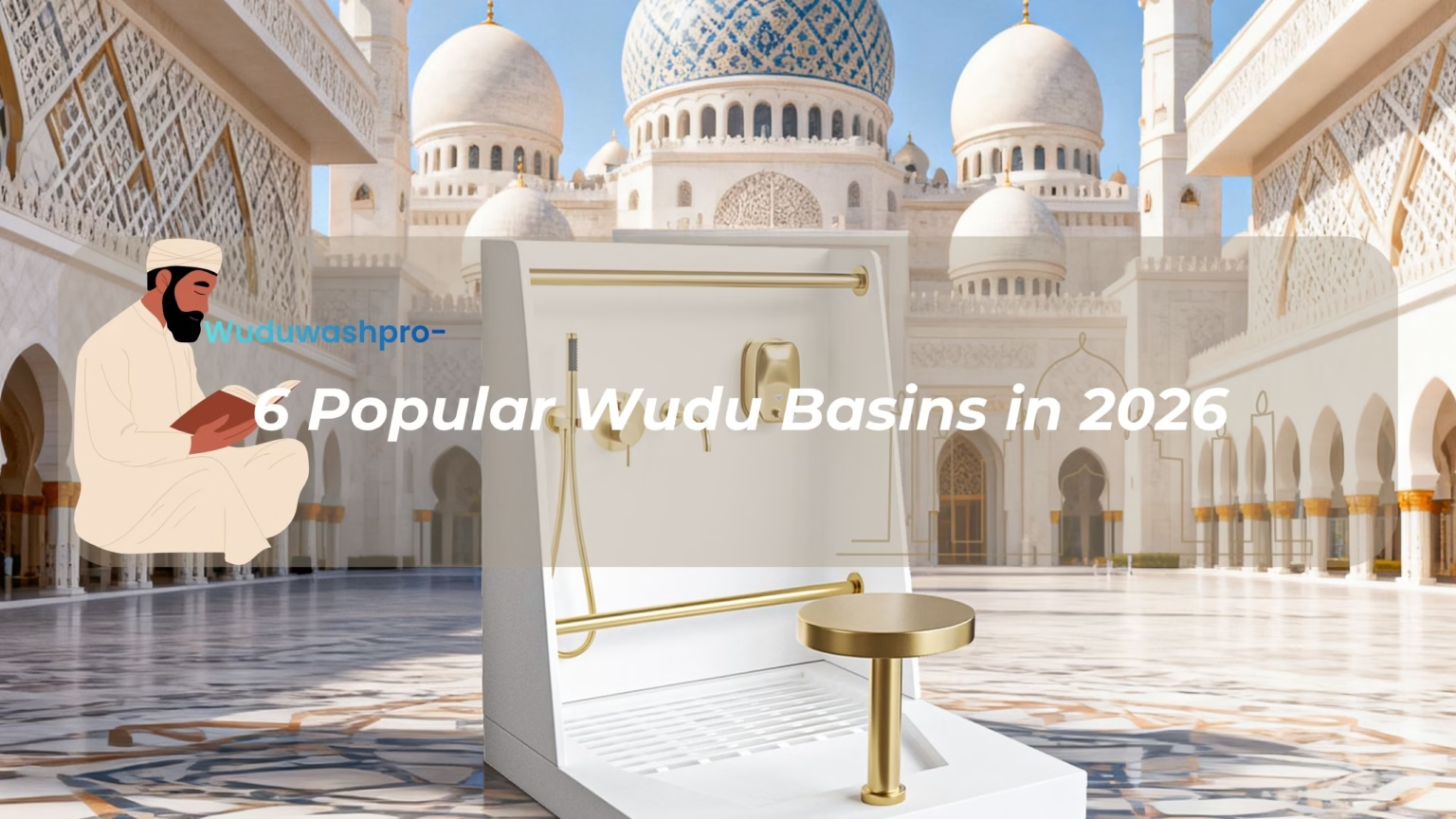
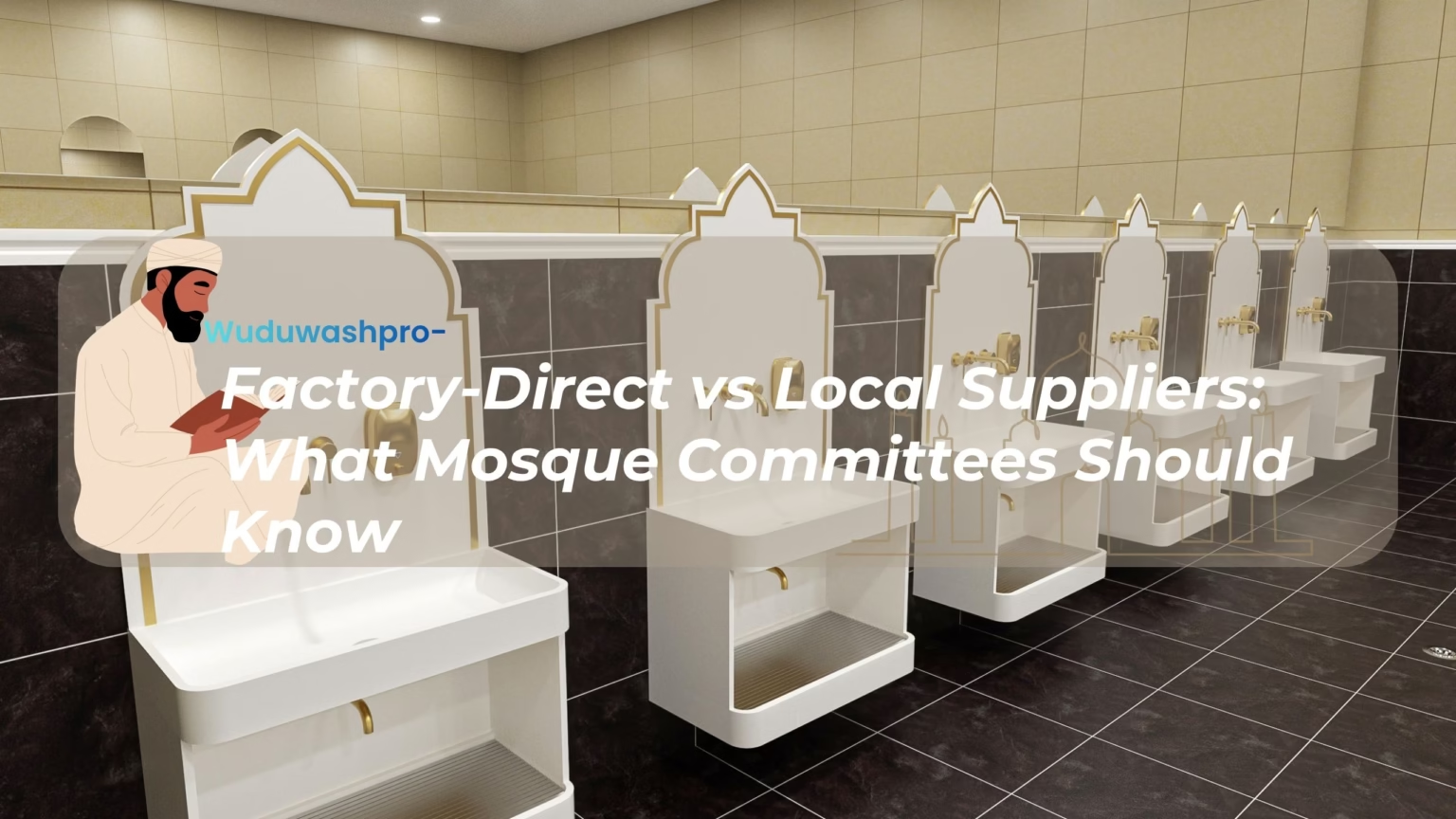
Considering the basin configurations of mosques early, which do not adjust residential sinks, but instead reviewing such configurations, can assist planners in accurately predicting splash behaviour.
Explore the best basin structures and design collections.
Slip Risk is determined by Drainage Placement
The issue of drainage is often considered a technical aspect that is introduced at the end of the process. Practically, it is among the leading safety restraints in the layout of the wudu area. Typical drainage-related safety failures.
Basins have drains constructed behind them, rather than below the splash zones.
- Flat pooling pool floors.
- Slopes which direct water to exits.
- Failure to drain when water is not intercepted results in the migration of moisture into routes of circulation, and this poses permanent slip risks.
The UK Health and Safety Executive (HSE) does not think that the risk of slips depends on contamination, traffic and drainage as opposed to flooring; however, it thinks that flooring is one of a number of other factors that are critical and are interdependent.
Even though the HSE states 90% of slips are done on the surface, which is wet or contaminated, in their model of Slip Potential, it brings about flooring as a central issue of risk management. The effect of these factors on the risk is as follows:
Flooring: HSE requires floors to be appropriate to their use and specifically recommends floors that are slip-resistant in places where contamination cannot be managed effectively, like in a kitchen or a bathroom.
Contamination: The HSE emphasises the fact that smooth floors are hazardous even with slight amounts of liquids or dust, which is involved in almost every slip accident.
Traffic and Environment: The behaviour of people, traffic density, and drainage (e.g., channels to avoid contamination of walkways) are critical factors that have to be considered in the environmental context.
Cleaning & Footwear: The suitability of cleaning regimes and the suitability of footwear (e.g. sole material) are also significant concerns in the risk assessment guidance provided by the HSE.
Wudu Area Safety Risk-Mapping: Where Accidents Actually Occur
The number of slip incidents does not occur uniformly throughout the ablution space. Based on facility audits and post incident reviews, risk does not occur in random areas but in foreseeable areas.
Hotspots of Zones in Usual Wudu Areas
| Zone | Risk Level | Reasons why this area become dangerous |
| Basin splash zone | High | Surface contamination occurs through constant spraying of water when washing feet. |
| Between adjacent basins | High | Close and overlapping splash spacing entrap water. |
| Exit paths | Very High | Customers get away fast and find their way to wet floors. |
| Waiting / queue areas | Medium-High | Traffic jams leave the users standing on wet roads. |
| Drainage gaps | High | The misalignment of drains causes water to pass through them. |
| Corners & dead ends | Medium | Low circulation decreases the rate of drying and keeps the moisture. |
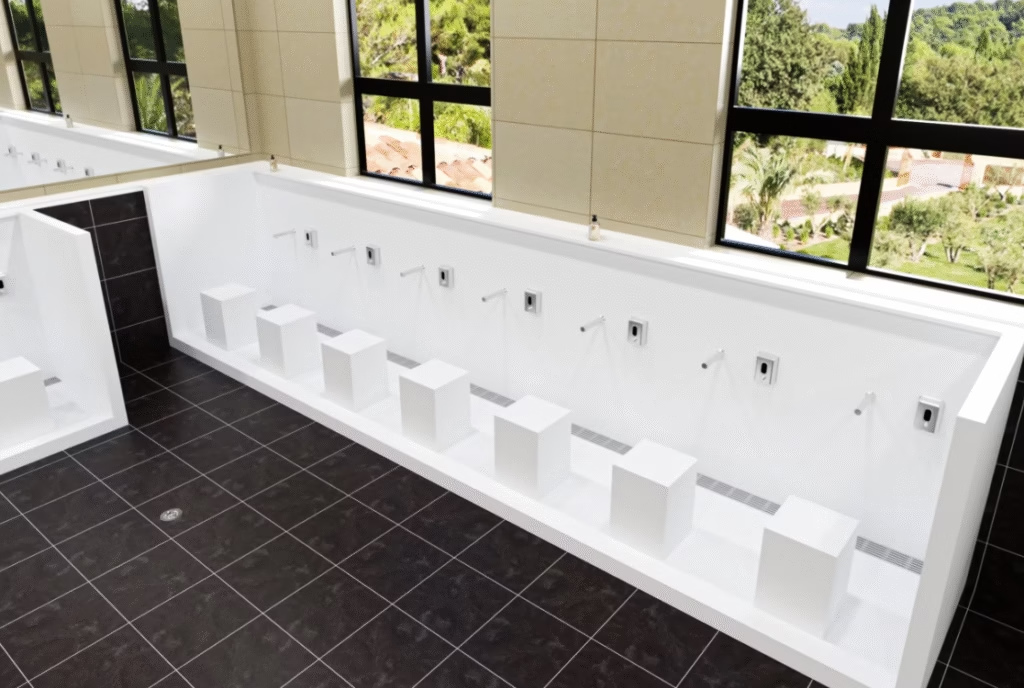
Designing for Safety Before Installation
Mosques which keep safe ablution spaces for long periods of time have the same pattern of planning:
- Basin selection provides information on layout choice.
- The circulation tracks are synchronised with drainage.
- There is a clear distinction between wet and dry zones.
- Prayer use is assumed to be at its highest point.
Specialist sources like WuduWashPro are commonly referred to during the planning process since the solutions have been designed to work with the public mosque setting, where safety, usability, and longevity are of paramount importance.
Can safety problems be solved by flooring?
Slip-resistant flooring alone does not solve safety issues.
A lot of mosques with textured flooring continue to slip due to:
- The exposure to water is not controlled.
- Cleaning residue builds up
- Sloans and drainage are not correct.
Wudu area safety effectiveness is achieved by integrating basin design, drainage, circulation and materials- not viewing them as independent decisions.
Conclusion
The majority of safety issues in the wudu area are predictable and preventable.
The accidents that are associated with slips, wet floors and accidents related to congestion are rarely a result of misuse. They occur due to the inability ofthe design to manage water, movement and pressure at peak usage.
To the administrators and facility managers of mosques, it is not about whether accidents can be mitigated but whether safety is taken care of at the right time.
Well-designed wudu areas:
- Protect worshippers
- Reduce liability
- Reduced maintenance interruption.
- Safe even after installation.
Frequently Asked Questions
Q1. How come slip accidents occur so frequently in the wudu areas in the mosques?
They are normally due to the uncontrolled wind dispersal of water, improper positioning of the drainages and overcrowding of the location during the busiest prayer hours- not the negligence of the users.
Q2. Is it possible that ablution slip can be prevented by improved flooring only?
No. Flooring is of assistance, although without appropriate splash control, design of drainage and circulation, the risks are not eliminated.
Q3. What are the most hazardous areas of the wudu place?
Most accidents happen in exit roads, waiting areas and areas between basins.
Q4. What influence on safety do basin designs have?
The distance water spreads into walking areas depends on basin depth, shape, and water control.
Q5. At what stage of the building process must safety be considered: design or renovation?
The consideration of safety should be considered at the stage of initial planning and specification. Retrofitting is also more disruptive and expensive.