Introduction
Are you tired of ongoing maintenance and water loss in your wudu areas in the mosque? Installing a traditional wudu basin for the mosque incurs higher costs, lower benefits, and higher water consumption bills.
High foot traffic and elevated user turnover time compromise the hygiene of worshippers. That is where mosque committees and decision-makers have to think outside the box. Consider modern, efficient, and long-term durable wudu basins for mosques.
If you are looking for such high-end wudu basins for mosques, you are at the right stop. We will shed light on commercial wudu basins and understand key factors that influence quality.
What is a Wudu Basin for mosque?
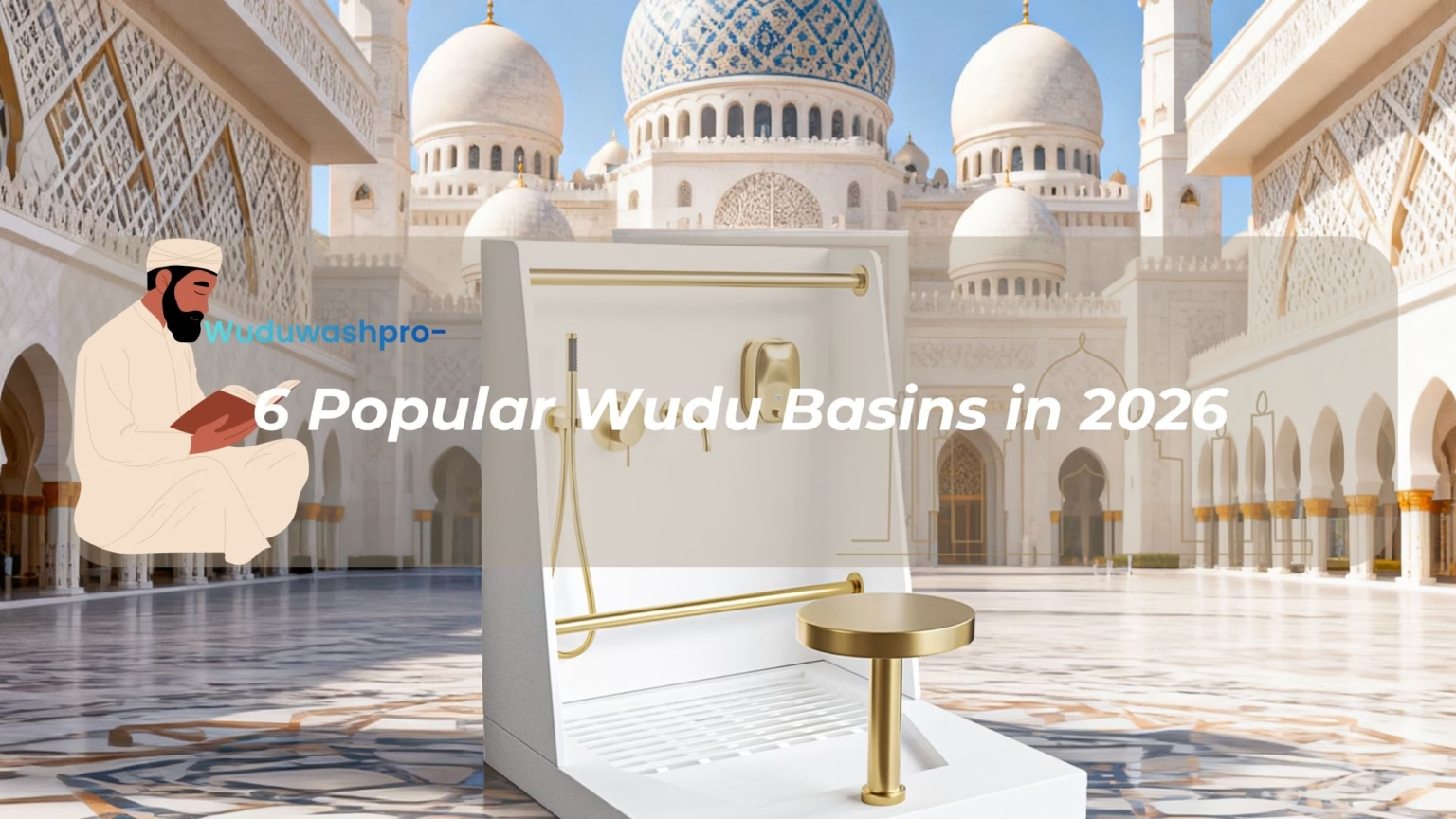
A wudu basin in a mosque is a special ablution fixture installed to facilitate Islamic purification for worshippers. Standard wudu basins offer the following features.
- Washing of feet, hands, face, and arms
- Frequent daily usage by large numbers of people
- Modesty, comfort, and safety during ablution
- Efficient water flow and controlled drainage
Remember, the commercial wudu basin offers more than a residential one. It provides hygiene, anti-slip surfaces, and durability.
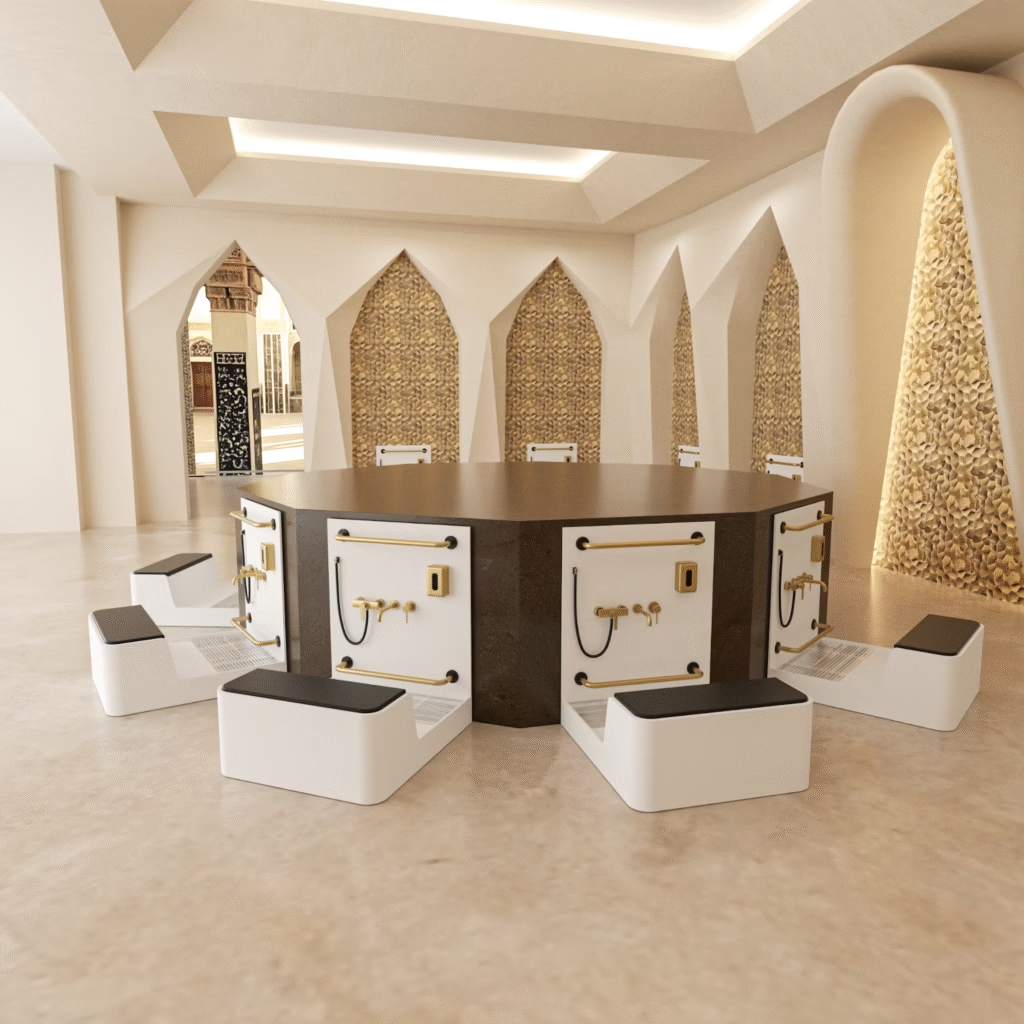
Types of a Wudu Basin for Mosques
Project decision-makers and mosque committees should be familiar with the various types of wudu basin for mosques before selection.
Wall-mounted wudu basins
As the name indicates, they are attached to walls with a space beneath them. They are ideal for small to medium mosques and limited floor area. Such wudu basins are suitable for standing users and offer better floor cleaning.
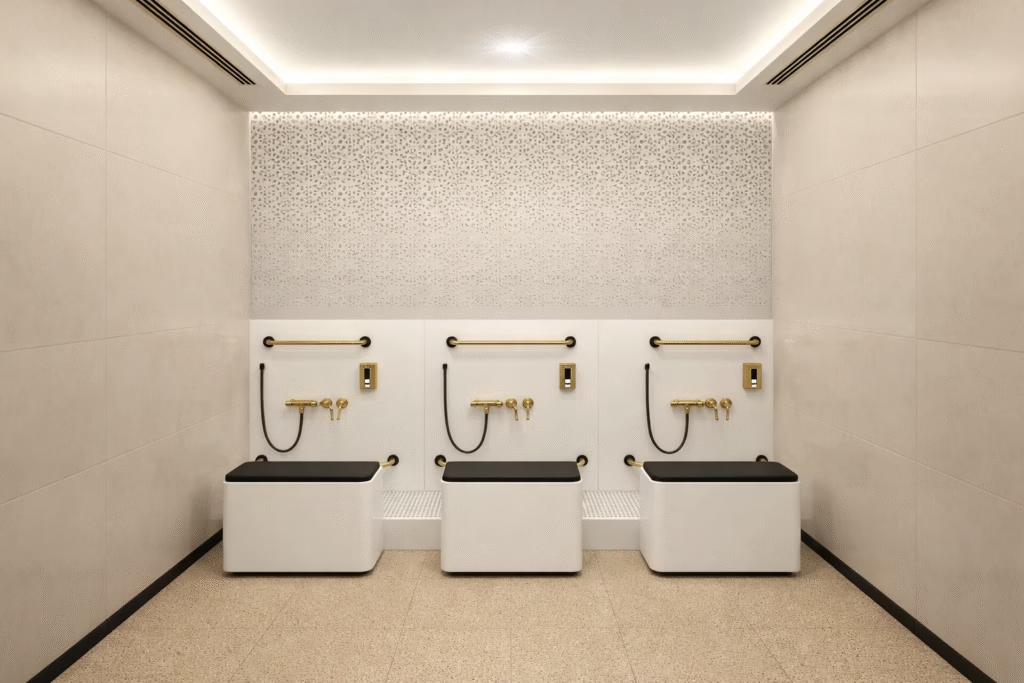
Floor-mounted wudu basins
Unlike wall-mounted basins, floor-mounted basins rest directly on the floor and provide greater support to the infrastructure. They are helpful for high-traffic mosques with plenty of space and structural integrity.
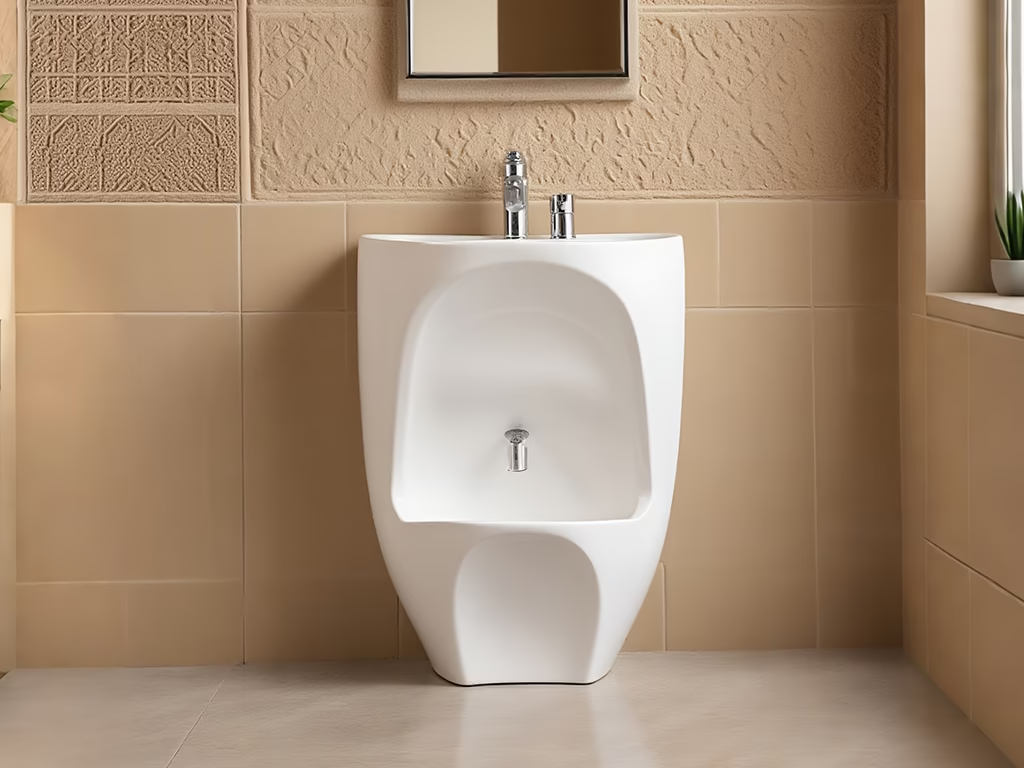
Seated wudu basins
Seated wudu basins are designed for ease of use. They provide a seating area for ablution and help reduce the risk of slipping or losing balance. However, they require more space per basin when installed on commercial scales.
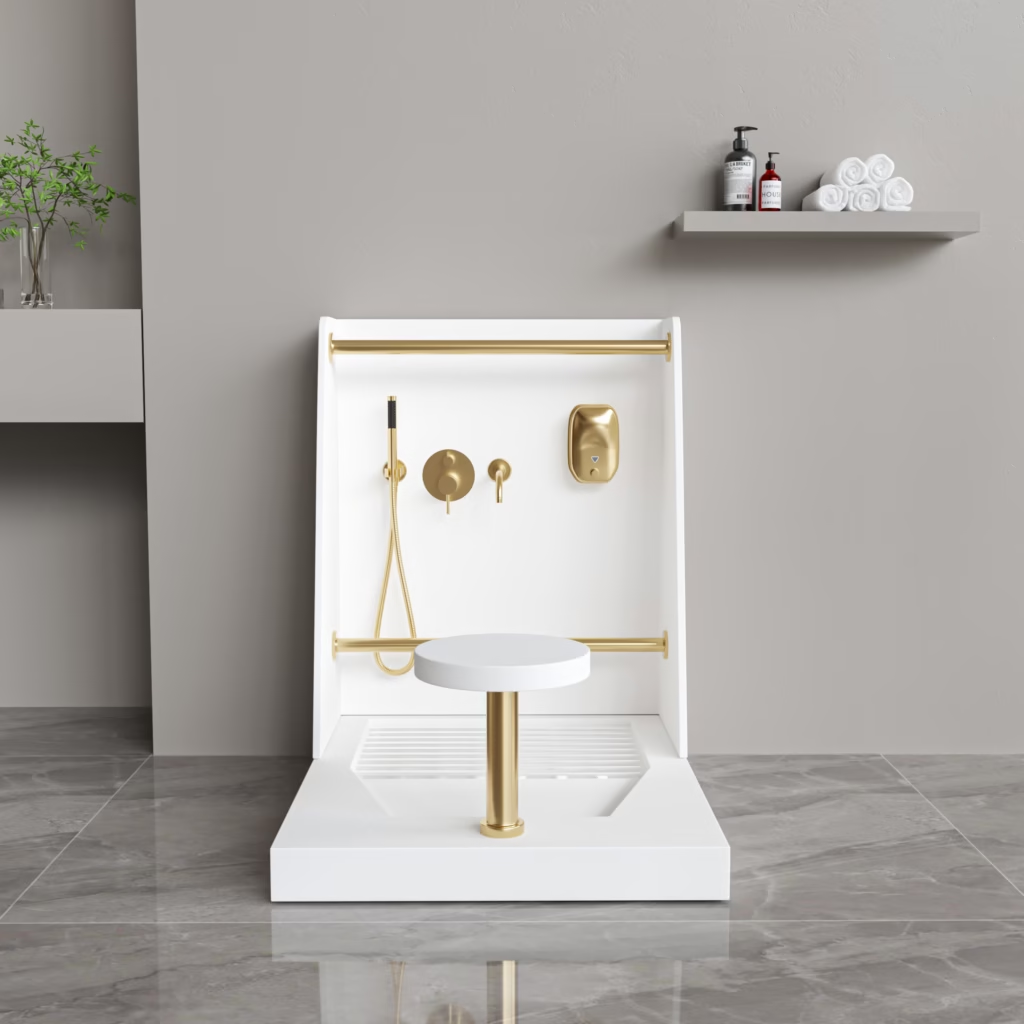
Standing wudu basins
Standing wudu basins for mosques allow the ablution while standing. They are ideal for younger congregations, mosques with limited space, and high-turnover prayer times.
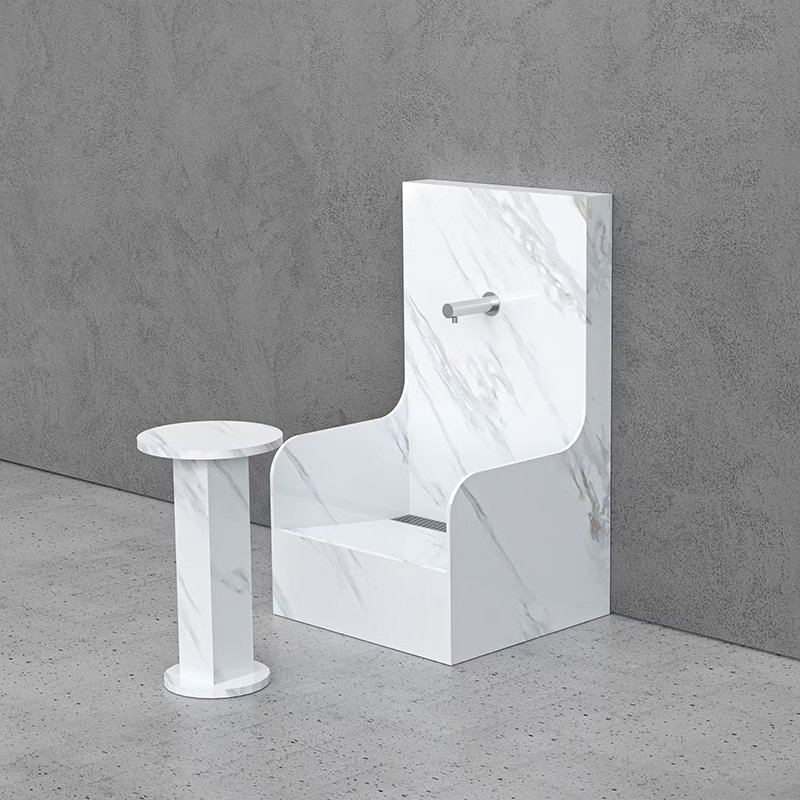
Multi-user wudu basin units
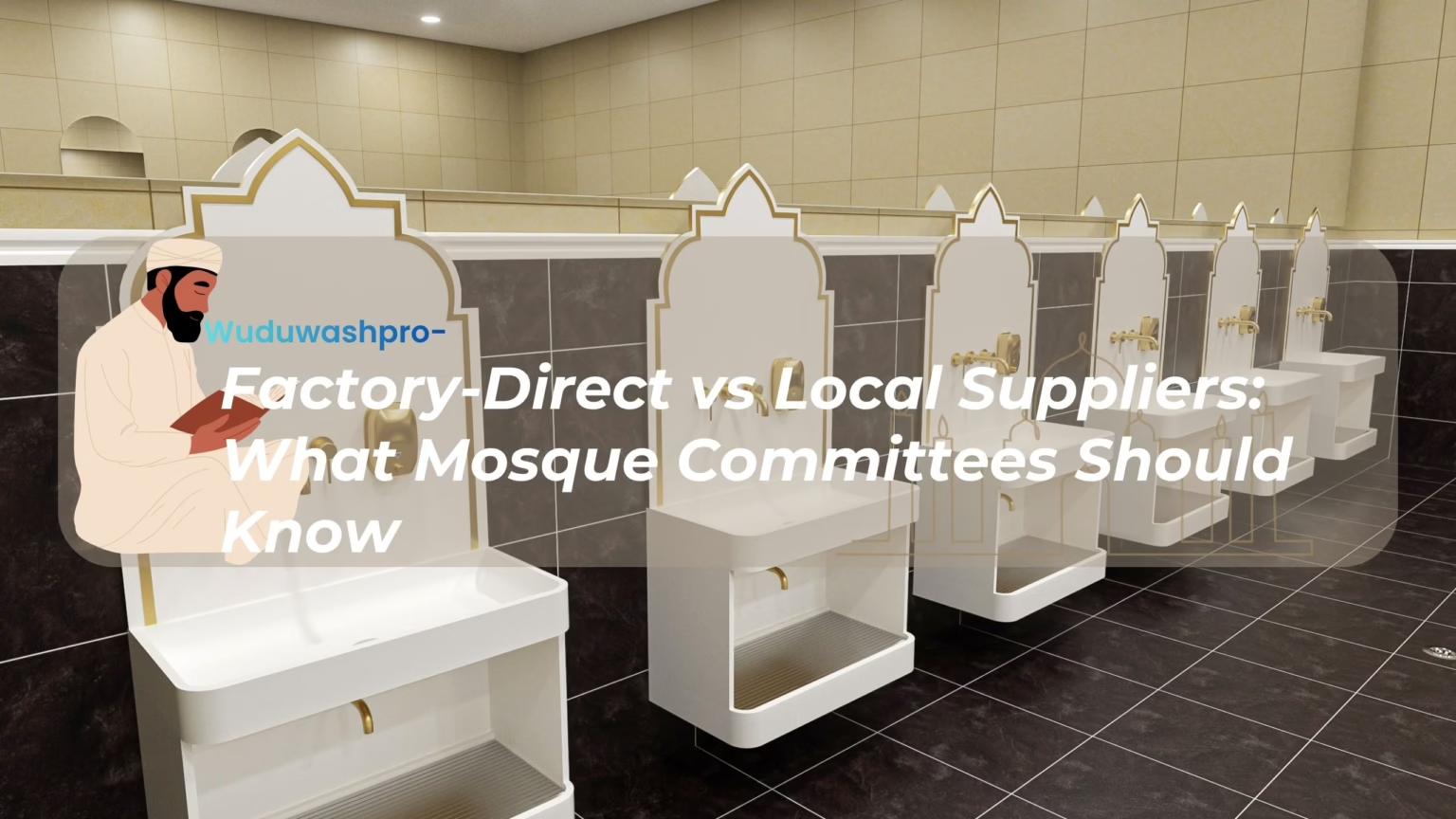
Large mosques have multi-user wudu basins. A series of wudu stations is installed in a single structure. It helps multiple worshippers to perform wudu simultaneously.
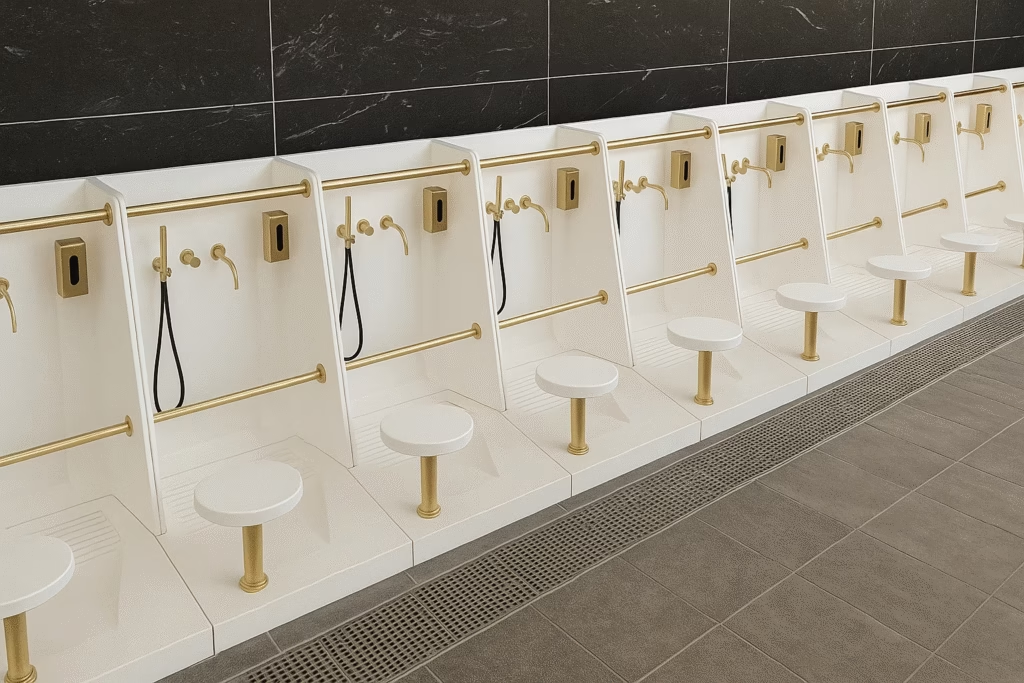
Understanding the Unique Demands of Mosque Wudu Areas
Every mosque has different needs depending on the traffic. Usually, high-traffic mosques require more comprehensive management compared to smaller mosques.
The unique needs of mosques include the following.
High daily usage and peak-time congestion
Mosques can handle a few people to hundreds of worshippers simultaneously. Their daily schedule of five prayer times increases overall traffic and congestion. Moreover, special days, such as Jumma or Ramadan, bring unusually high traffic. A wudu basin must serve all worshippers during peak times. It is often a challenge for the mosque committees.
Diverse user groups
There are no restrictions for users in the mosques. People of all ages, including children, adults, and the elderly, visit the mosque. Moreover, there may be people of different races unfamiliar with the mosque’s facilities. In such cases, one-size-fits-all basins fail. Decision makers have to think deeper.
Hygiene expectations in public religious facilities
Cleanliness has a prime importance in Islam. Worshippers come to cleanse their consciences and pray for themselves. Therefore, cleanliness is always the priority. In high-traffic areas, there should be enough facilities for worshippers.
Water management and drainage challenges
Water splashes are everyday during wudu. After wudu, stagnant water accumulates, leading to the growth of algae. Running tap water continuously increases water loss.
For water management and drainage, committees have to consider several factors.
High-priority Factors to Consider
You should consider critical factors to meet the unique demands of mosques. Let’s take a look.
Wudu Basin Material
Wudu basin material selection is a fundamental step, given the constant use of wudu spaces. The unique wudu basin material must control water flow and manage drainage systems. High foot traffic and frequent daily wudu basin use render residential-grade basins inefficient.
When choosing a commercial-grade wudu basin material, you should consider the following tips.
- Wudu basin material should resist cracking, chipping, and surface wear. It should provide structural strength for longevity.
- The basin material should have non-porous surfaces and prevent water absorption.
- It must withstand cleaning chemicals and temperature changes.
Size
The size of wudu basins matters a lot because of environmental compatibility. Buying a small wudu basin for mosque always results in splashing water and dirtying the floor. At the same time, an oversized basin is heavy on the pocket and restricts movements. The right size of basin depends on the mosque’s needs.
Follow the tips below when choosing a durable wudu basin for mosques.
- The wudu basin for the mosque should be deep enough to reduce splashing.
- Measure the floor space and buy a piece of furniture that fits. It should fit into the available floor space.
- The wudu basin for the mosque must be usable, seated or standing, depending on the design.
Faucet and Hygiene
Cleanliness is half of Islam. Therefore, you should choose a public ablution basin that ensures hygiene and maintains water flow. Faucets play a crucial role in water management and hygiene.
You should consider the following features.
- There should be easy operations for users of all ages. Even an unfamiliar person should know how to operate it.
- The faucet should have reduced touchpoints and improved hygiene.
- It should maintain a stable water flow without sudden pressure changes.
Water conservation
Water loss is a frequent issue due to high water usage during peak hours. Committees look for a public ablution basin that minimizes water consumption and manages it effectively.
Here are those features to consider when choosing a durable wudu basin for mosque.
- It should have adjustable flow rates suitable for wudu practices.
- Basin designs minimize splashing and runoff.
- Compatibility with water-saving faucet technologies is an ideal choice.
Medium-Priority Factors
Medium priority factors are secondary to core features but improve the efficiency of the wudu basin. Let’s take a look at these factors.
Accessibility
People of different ages and abilities visit for prayer. A comfortable seating system, proper standing areas, and efficient use of space can increase accessibility. You should consider a suitable height for public ablution basins for wheelchair users.
Installation and maintenance
Installation should be quick, seamless, and easy to use. Maintenance depends mainly on the material construction.
Durable wudu basin materials offer low maintenance and reduced repair costs. Therefore, choose high-quality material based on your mosque usage.
Water heater compatibility
During the winter season, the cold water can freeze the worshippers while performing wudu. It can be highly uncomfortable for the users. You must check the heater compatibility with the public ablution basin and bring those models that are compatible with the heater.
Low-priority factors
In addition to crucial factors, there are a few add-ons. Consider them if needed.
Aesthetic and spiritual appeal
Natural and straightforward designs look great when installed. However, you should consider the overall mosque theme and install a structure that aligns with it. It should be appealing and consistent with the mosque.
Initial Cost vs Long-term Value
Some public ablution basins come at a higher upfront cost but deliver long-term benefits. While a few appear low-cost, they are short-term and require frequent maintenance. You should focus on long-term value rather than pricing. A durable wudu basin solution is better than short-term solutions. We have a real case study here.

Case Study
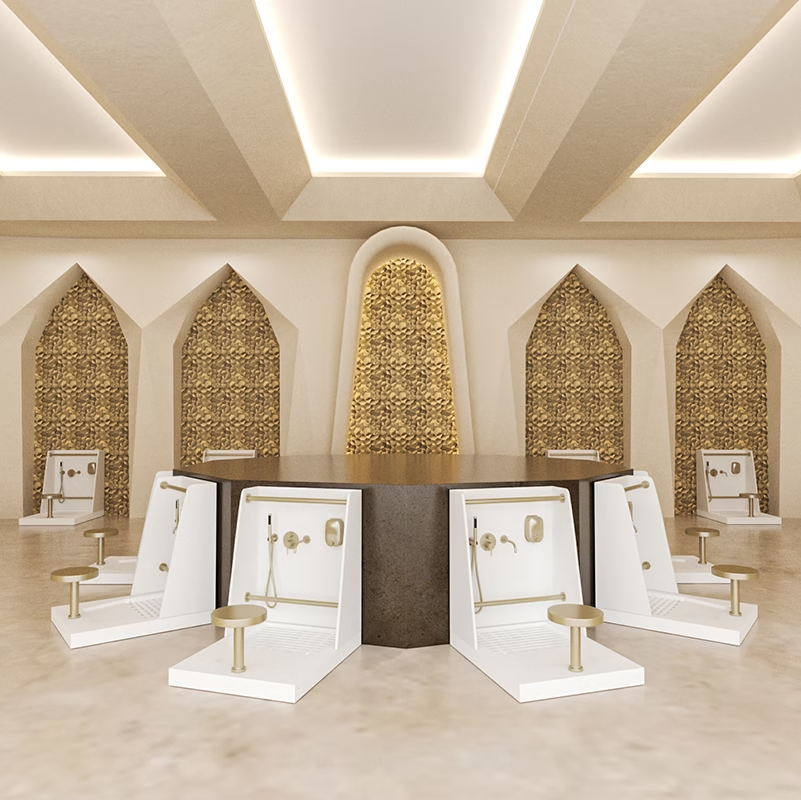
The Imam Al-BUKHARI mosque in Uzbekistan needed a consultation on a customized wudu basin. They request a personalized assessment of their needs, check out the availability of space, and meet the unique demands.
Wudu Wash Pro experts stepped forward to work on this project.
Requirements and Challenges
The Imam Al-BUKHARI mosque was facing serious challenges, such as:
- High daily usage
- Ergonomic design
- Easy cleaning
- Long service life
They need an affordable but long-standing wudu basin solution.
Product Supplied
As their experts, Wudu Wash Pro has delivered exceptional-quality, durable wudu basin materials for mosques.
We offered the following products.
- Custom-designed wudu basins with integrated splash control
- Solid surface basin body with seamless joints
- Ergonomic sitting-height configuration for comfortable ablution
- Coordinated basin layout to support simultaneous multi-user access
Long-term Benefits
Mosque committees got long-term benefits when they worked with us.
- The careful look at their needs provided them with the ultimate commercial wudu basins they needed.
- Ergonomic sitting helped their worshippers perform wudu safely.
- Faucet designs maintained a controlled flow of water and provided them with what they needed.
Benefits of the Installation of a Wudu Basin in a Mosque
Wudu basins are quite exceptional in terms of water management and hygiene during prayer times. Let’s uncover the critical benefits of installing a wudu basin.
Improved safety and reduced slip incidents
In most mosques, wudu areas face major issues, including uncontrolled water splashing, pooling around the feet, and poor drainage. During prayer times, the urgency and careless walking on the slippery floor lead to falls and accidents. This mostly happens in medium- to high-traffic mosques.
Wudu basins are timeless solutions for slip incidents. They enable proper water management by consistent flow and drainage. No water splashing and proper drainage prevent slippery floors and ensure the safety of the worshippers.
Faster wudu process during peak prayer times
During Ramadan, the number of worshippers suddenly increases. It causes long queues, increased wudu time per person, and rushed places.
Multi-user wudu basins are ideal equipment that provide multiple wudu stations for users. Turnover per person decreases, allowing well-managed transitions into prayers during peak seasons.
Lower water consumption
In traditional wudu basins, water consumption and loss is high due to inefficient systems. Continuously running tap water and excessive splashing during wudu cause more water loss than is used. It leads to high utility bills and unnecessary water loss.
Commercial wudu basins tackle this issue very well. Most basins have a sensor system that automatically turns off the taps after wudu. Moreover, there is a water conservation mechanism through reduced splashing and controlled-flow faucets. So mosque committees can save more on the utility bills with a better water management system.
Reduced maintenance workload
High maintenance is required when you install residential wudu fixtures. There are cracked surfaces, loose fittings, blocked drains, and constant water overflow. Frequent maintenance and repairs are a headache for mosque decision-makers.
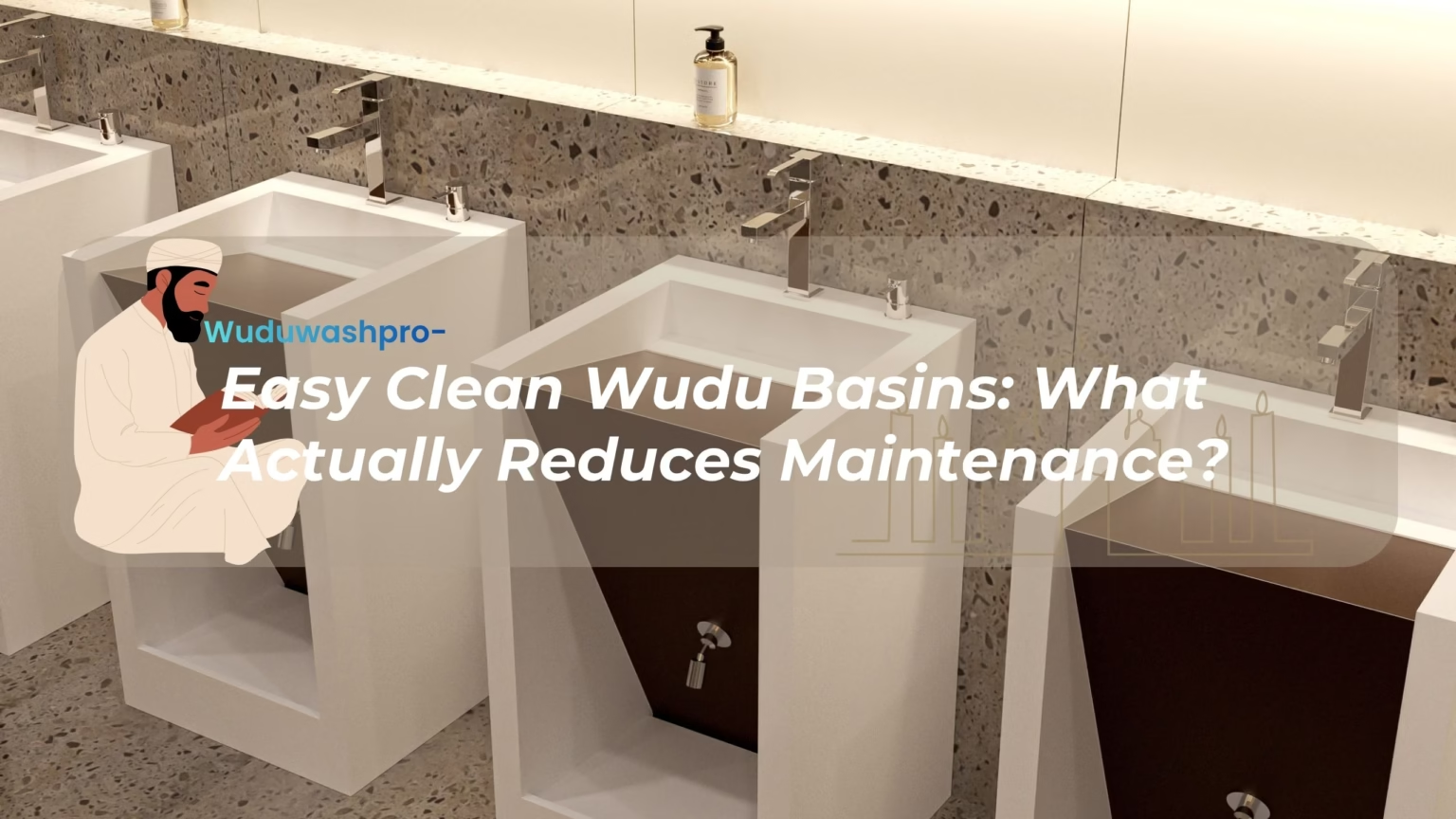
A commercial wudu basin is manufactured from high-grade materials that resist corrosion, reduce water splashing, and improve drainage. Therefore, there is less maintenance required and no more repairs in the short term.
Better hygiene standards
High foot traffic with standing water in the wudu comprises the hygienic standards. Over time, there is smell production, algae buildup in water areas, and bacterial growth speeds up.
To address this issue, commercial wudu basins use non-porous materials. It manages the water drainage and reduces water stagnation. The chances of bacterial production or algal growth are very low.
Improved worshipper experience
The purpose of the wudu basin for mosque is to provide a hygienic environment for prayer. Traditional basins compromise it with uncomfortable basin heights, awkward foot positions, and slippery floors. Older people are more prone to falls and get injured.
Thanks to the modern wudu basin system, which provides a seating area and ensures water accessibility. Worshippers perform wudu with more reliable cleaning activities and feel more comfortable.
Long-term financial savings
Why would you invest in low-cost wudu fixtures? Usually, low-cost wudu fixtures are attractive because of their low price, but they come with high maintenance costs. Their short life span causes repair and reinvestment.
Mosque committees can avoid this by bringing in more reliable, long-term deals—such as commercial wudu basins. They conserve water and cut utility bills. You should always consider high-quality wudu basin collections.
FAQs
- How long does a commercial wudu basin for mosque typically last?
A commercial wudu basin has a high durability of around 10 years or more. However, construction materials and maintenance can extend lifespan to 20 years or more in some cases.
- Which material is best for high-traffic mosques?
For high-traffic mosques, you should consider a more durable material with non-porous surfaces. An ideal material should have the following features.
- Resist water absorption to prevent stains
- Maintain structural integrity
- Withstand temperature changes and cleaning chemicals
- Are sensor faucets suitable for mosques?
Yes, 100%. Sensor faucets are very suitable for mosques because they improve cleanliness and hygiene maintenance. They can reduce water loss and provide consistent water flow.
- How many wudu basins does a mosque need?
The number of wudu basins varies depending on the mosque’s traffic. Consider factors such as the maximum congregation size and the average time to complete wudu.
- Can wudu basins be customized for space constraints?
Yes. Many commercial wudu basin solutions offer customization and can fit in the required space. Mosque committees and decision-makers can determine the size and meet unique space requirements.
Conclusion
Choosing a commercial wudu basin for a mosque is a strategic decision for mosque committees. You should consider usage, traffic, and critical factors, such as the installation area and proper drainage. Chase only high-end, durable wudu basin materials from top suppliers for mosques.
If you are looking for a customized public ablution basin for your mosques, request a personalized consultation with Wudu Wash Pro experts. Make your mosque wudu basin built to last!