Introduction
Across hundreds of mosque construction projects, only a few succeed after opening. Do you know why? The real-world use of the mosque areas, especially the wudu basin spaces, reveals the whole truth in a single peak prayer time.
What you expect is an excellent and sustainable wudu area layout turns out to be a hollow structure that accumulates water and compromises hygiene.
Therefore, you must gain experience with the mosque wudu project. Implement construction features that are durable and useful in real-world operations. Today, we will understand how the wudu area project lessons help mosque committees and decision-makers.
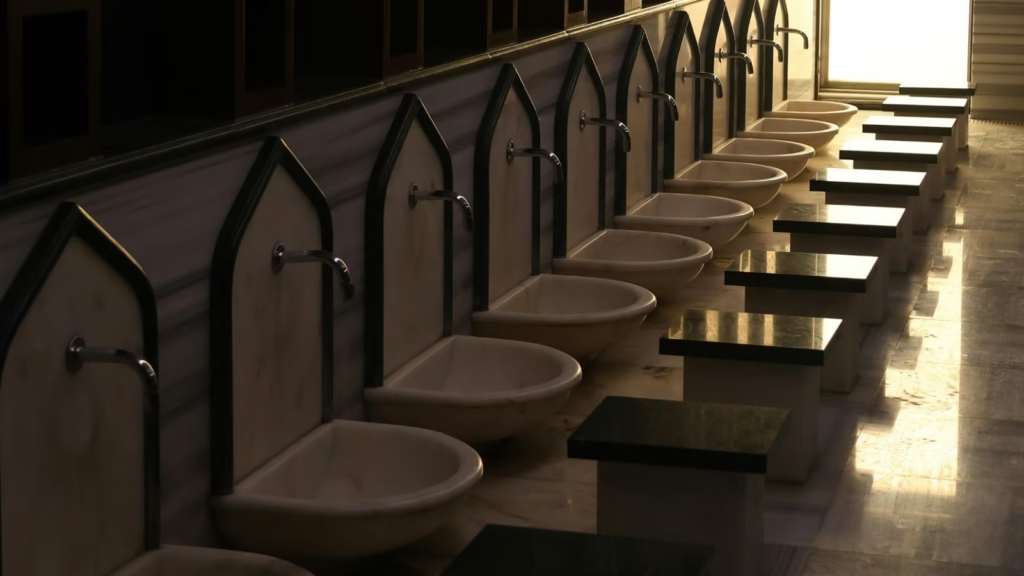
What Does Repeated Mosque Wudu Projects Reveal?
Remember, the flow of worshippers remains different. On regular days, you get an average count. On Friday, there is a sudden surge in people. A mosque wudu project experience reveals the following aspects efficiently.
Usage patterns differ drastically.
Assumptions fail when there is a sudden increase in the number of worshippers. Wudu projects clearly reveal:
- Average attendance is never everything, nor should it be considered a rule.
- There is a specific time when the user’s attendance reaches its peak.
Real mosque wudu project experience can help efficiently meet the needs. Mosque committees install solutions that are compatible with user attendance.
Peak times expose weak layouts fast.
In Islam, prayer is done five times a day. Peak attendance occurs at these five times a day. Rarely do people say their midnight prayers like Tahujud.
Therefore, these peak times expose the real use of the wudu areas. Moreover, Friday or Ramadan brings the seasonal peak attendance. During these periods, your low-quality wudu basins are badly exposed. Therefore, always prefer only the reliable solutions.
Maintenance teams often inherit avoidable design problems.
The maintenance team can consult, assess, and provide real-time solutions based on their experiences with the mosque wudu project.
Unfortunately, most mosque committees don’t even consult the maintenance teams. It leads to imminent failure in wudu basin projects.
Lesson 1: Wudu Area Layout Must Be Designed for Peak Congestion
Wudu area layouts are exposed during peak attendance. During quiet hours, it is less likely to overburden your mosque’s wudu projects. On busy days, there is more traffic and greater compromise of wudu areas.
Here is what happens during peak attendance.
- Friday and Eid traffic exceeds normal capacity
- Poor entry–exit flow causes crowding and stagnant water flow.
- Narrow walkways increase slip risk.
One of the first lessons from the wudu area project is to deploy a wudu basin project to handle peak traffic, not casual traffic.
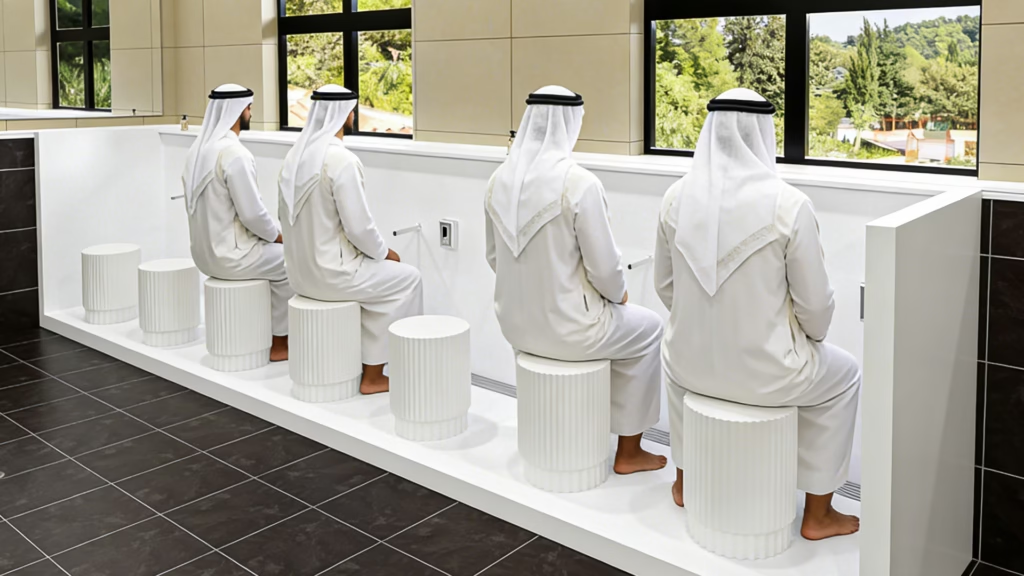
For example, the Al-BUKHARI mosque project helped the mosque committees consult Wudu Wash Pro engineers. We sorted out the peak congestion, assessed placement of basins, and provided the high-end basin solutions.
Lesson 2: Basin Quantity Matters More Than Basin Size
Basin quantity matters a lot depending on the traffic flow. Here is more to know.
- Fewer basins slow overall wudu flow if your traffic is high.
- Large basins encourage more extended usage but fail to improve turnover per person.
- More stations reduce waiting lines and increase the wudu spaces.
The second wudu area project lesson is to determine the number of basins needed for your mosques. Mosque wudu project experience can help evaluate and implement successful results.
In the Al-Bukhari mosque project, decision makers were worried about the increasing basin demands. However, we assess the total number of basins required and supplied almost 300 wudu basins for the overall project.
Lesson 3: Basin Height and Posture Directly Affect Safety
Large or small basin sizes work in variable conditions. Moreover, mounting matters. Here are a few things to know.
- Incorrect height causes imbalance and compromises the safety of worshippers.
- Elderly users struggle with poor posture and might fall in the wudu area.
- Splashing increases with awkward reach and causes an unhygienic environment.
Choose an appropriate basin height based on the number of worshippers. Provide a flawless wudu area space that streamlines prayer offerings.
Wudu Wash Pro featured the optimal height and installation space of the wudu basins. Whether worshippers are seated or standing, our wudu basins have ergonomic design with ultimate facilities.
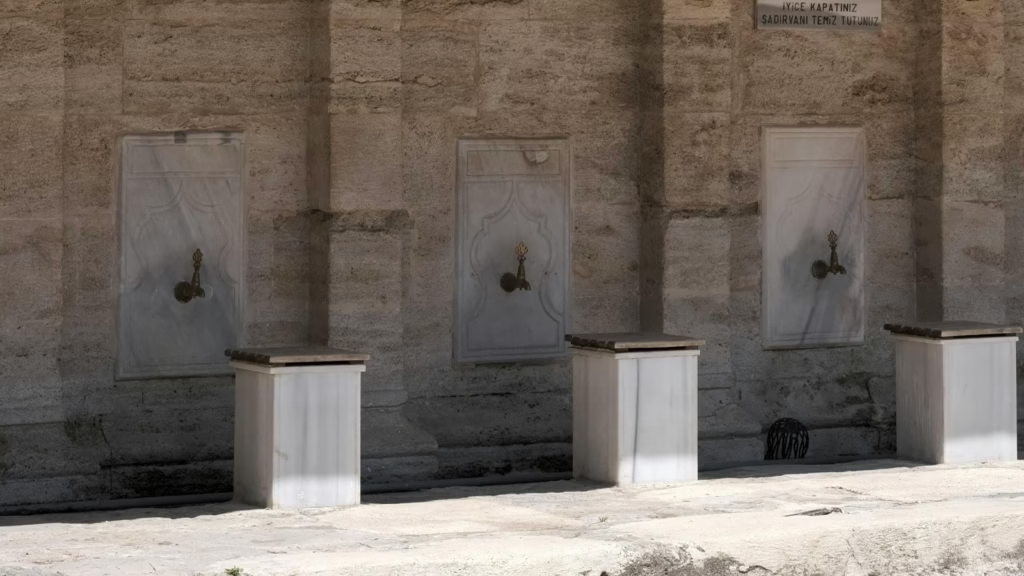
Lesson 4: Material Choice Impacts Long-Term Costs, Not Just Appearance
Having a low-quality wudu basin feels like a bargain but fails in the long term. Here is what low-quality basins cause.
- Low-quality surfaces stain quickly.
- Cracks lead to water seepage.
- Durable materials reduce repairs.
Wudu area project lessons include selecting high-quality, durable, non-porous materials. Focus on long-term effects rather than temporary benefits.
Wudu Wash Pro offered non-porous, mildew-resistant and highly durable material. Our high-end wudu basins eliminated risks of early wear with study wudu basins.
Lesson 5: Drainage and Water Flow Are the Most Common Failure Points
Stagnant water creates an unhygienic environment and might affect worshippers. Common causes include:
- Flat floors cause water to pool and slow its flow.
- Poor drain placement leads to water overflow and loss.
- Blockages appear early in heavy-use areas.
Wudu area project lessons deliver indispensable faucet systems and drainage opportunities. Consider sensor-controlled water faucets, reduce water waste, and optimize flow.
Wudu Wash Pro installed high-end faucets with advanced operations. Therefore, chances of water loss dropped efficiently while maintaining water flow. We also offered wudu basin soap to elevate user facilities.
Lesson 6: Hygiene Expectations Are Higher Than Committees Anticipate
Mosque committees consider visible cleanliness as hygiene. Remember, hygiene is more than just external cleanliness. Instead, several factors to consider when ensuring the cleanliness of mosques are given below.
- Splash zones spread water wider than expected. It affects nearby floors and walls, reducing their integrity as water seeps in.
- Shared touchpoints collect dirt rapidly under heavy use. It leads to internal water contamination and poor user hygiene.
- Most often, dirt is trapped in inaccessible components. Limited access for cleaning staff makes maintaining hygiene more difficult and time-consuming.
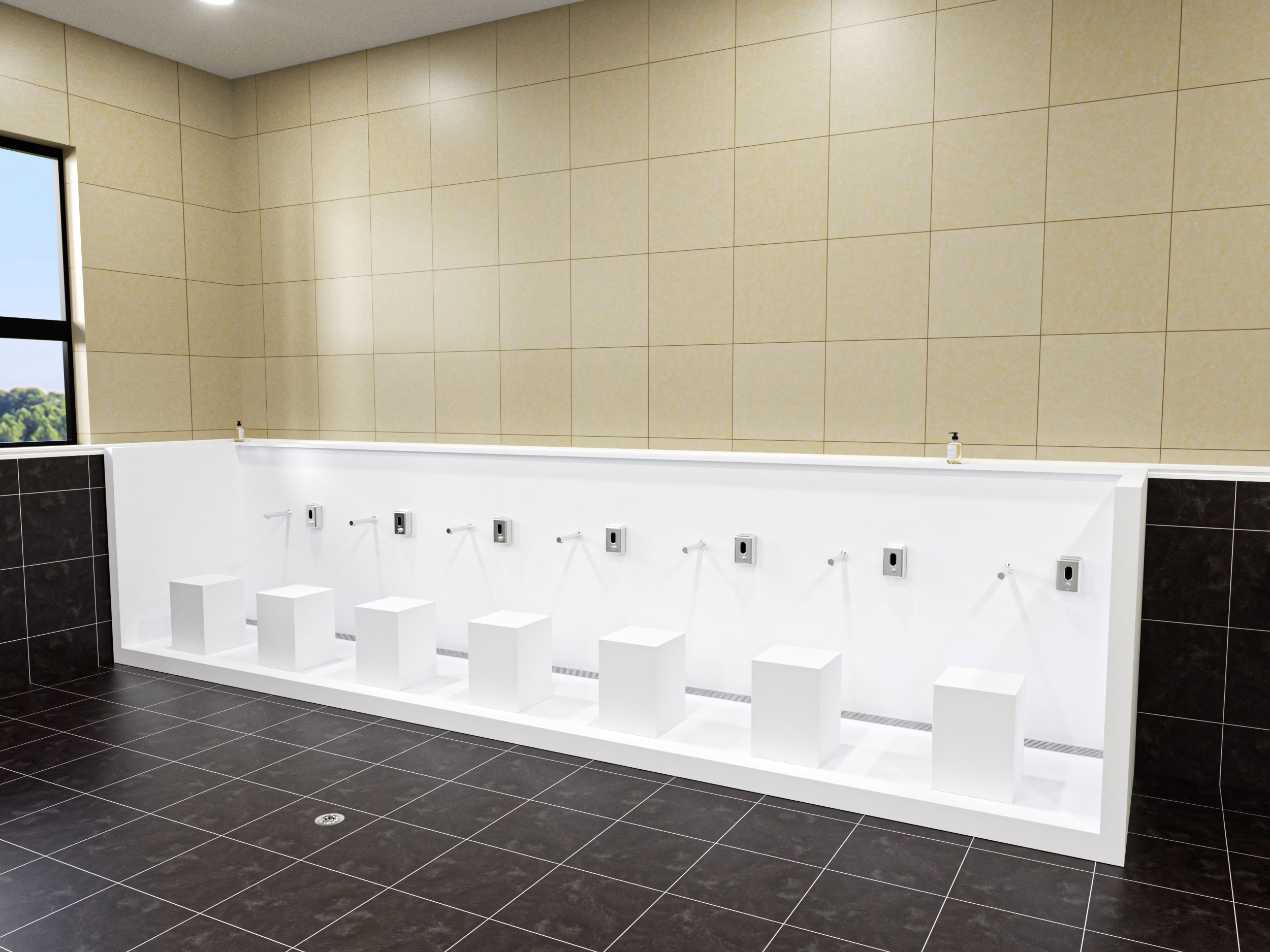
Our advanced installation system and drainage setup maintained water flow. There was no risk of stagnant water in the Al-BUKHARI mosque. Therefore, mosque committees appreciated our experts’ approach.
Lesson 7: Accessibility Is Often an Afterthought—And It Shows
Accessibility is often overlooked when choosing wudu basin project solutions. Most mosque committees overlook usage. Once the project is completed, the following issues arise.
- No seating options for elderly users causes disturbed wudu for older adults.
- Wheelchair access is poorly planned. Instead of special wudu spaces, they rely on the standard basins and spend more time during wudu.
- Retrofits are more suitable but increase project costs.
For accessibility, consider following the wudu area project lessons.
- Extend your audience range and think broader. Make special wudu basins for wheelchair users.
- Keep sitting basins for the elderly users. Reduce their discomfort and create ergonomic designs for their wudu.
Wudu Wash Pro solutions featured both standing and seated wudu basins. We aimed to serve people with special disabilities or older adults who need support at Al-BUKHARI mosque.
Lesson 8: Maintenance Teams Are Rarely Consulted—but Should Be
Do you know the main reason most wudu basin projects fail? Mosque committees install the best solutions but fail to maintain them. Every mosque requires an expert consultation for maintenance.
- Hidden plumbing points complicate repairs and lead to irregular maintenance.
- Complex designs require more cleaning and take longer.
- Simple layouts last longer, but acquire authentic facilities and durable components.
Here are a few practices to do when maintaining the basins.
- Get expert tips from the maintenance teams for the regular inspection.
- Make a daily, weekly, or monthly routine to inspect faucets, heaters, or drainage systems.
- Repair any pipelines or loose connections to reduce the water loss.
- Replace all worn-out components with new ones. Ensure new ones are authentic and of premium quality.
At Al-BUKHARI mosque, we completed our project successfully and added tips for maintenance. We even offered 24/7 available after-sale support services for required assistance.
Lesson 9: Supplier Experience Makes or Breaks the Outcome
One last thing is the supplier’s expertise and consultation. If you consult a generic supplier, they might miss mosque-specific needs. Your wudu basin fails in the primary phase due to poor compatibility with your needs.
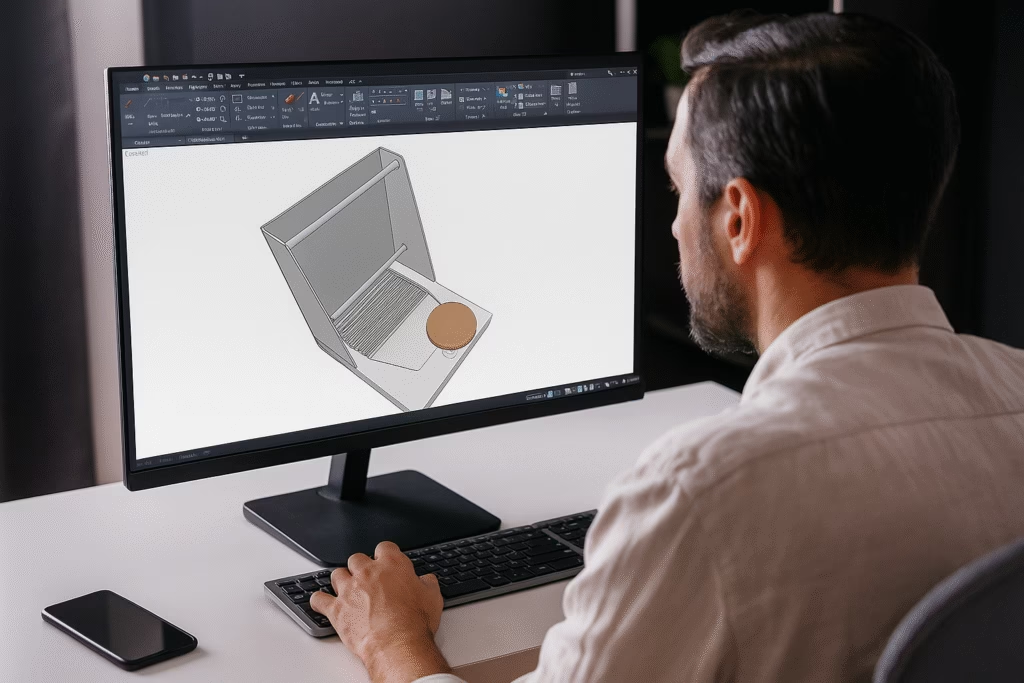
Wudu area project lessons have the following tips.
- Experienced suppliers plan for peak use. You get long-term and compatible solutions.
- Proven projects reduce design errors and provide feasible designs at affordable prices.
Because of more than a decade of experience, we were able to sketch out the increasing needs of the mosque. We eliminated any wudu basin project flaws and provide seamless installation processes.
How Committees Can Use Case-Based Learning to Build Supplier Confidence
The mosque wudu case study and lessons show how mosque committees can address meeting needs. They can choose the right suppliers and think critically before making decisions.
What they can do includes the following.
- You can request references, site photos, and completed projects from your suppliers. It gives high-performance suppliers with a successful track record.
- Comfort matters. You can choose sitting or standing wudu basins based on your traffic needs.
- Turn mosque wudu case study insights into safer decisions. There won’t be any more mistakes in the wudu basin projects.
FAQs
- What does the real mosque wudu project experience reveal that drawings do not?
Drawings fail to convey real-world experience. Real mosque wudu project experience reveals actual congestion behavior, maintenance challenges, safety risks, and hygiene realities.
- Why do many wudu areas fail during Friday and Eid prayers?
During Friday or Eid prayers, mosques experience the highest traffic—Wudu areas designed to handle regular traffic fail during these days.
- How many basins should a mosque realistically plan for peak times?
It should have enough numbers to eliminate the long queues of people waiting for wudu. Learn about the mosque wudu case study for realistic numbers.
- What are the most common layout mistakes seen in mosque wudu projects?
There are various issues, including poor flow, insufficient basin count, weak drainage, and lack of maintenance access. All these fail the wudu projects.
- Which basin materials perform best in high-usage mosque environments?
Your wudu basin should be made of a durable, non-porous material that does not absorb water. It should be resistant to staining, cracking, or water seepage.
Conclusion
The mosque wudu project experience exposes the whole truth in a single project. Mosque committees should think critically, assess project efficiency, and consult experts like the Wudu Wash Pro!
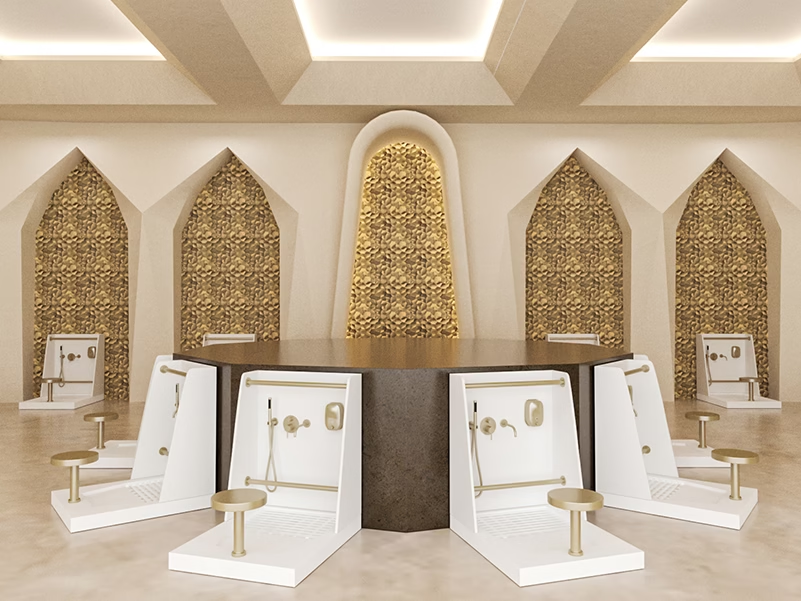
Our projects, such as the Imam Al-Bukhari Mosque wudu basin estimation and supply, build confidence. Keep your realistic demands on the table and consult our experts for highly affordable, efficient, and long-standing wudu basin projects now!