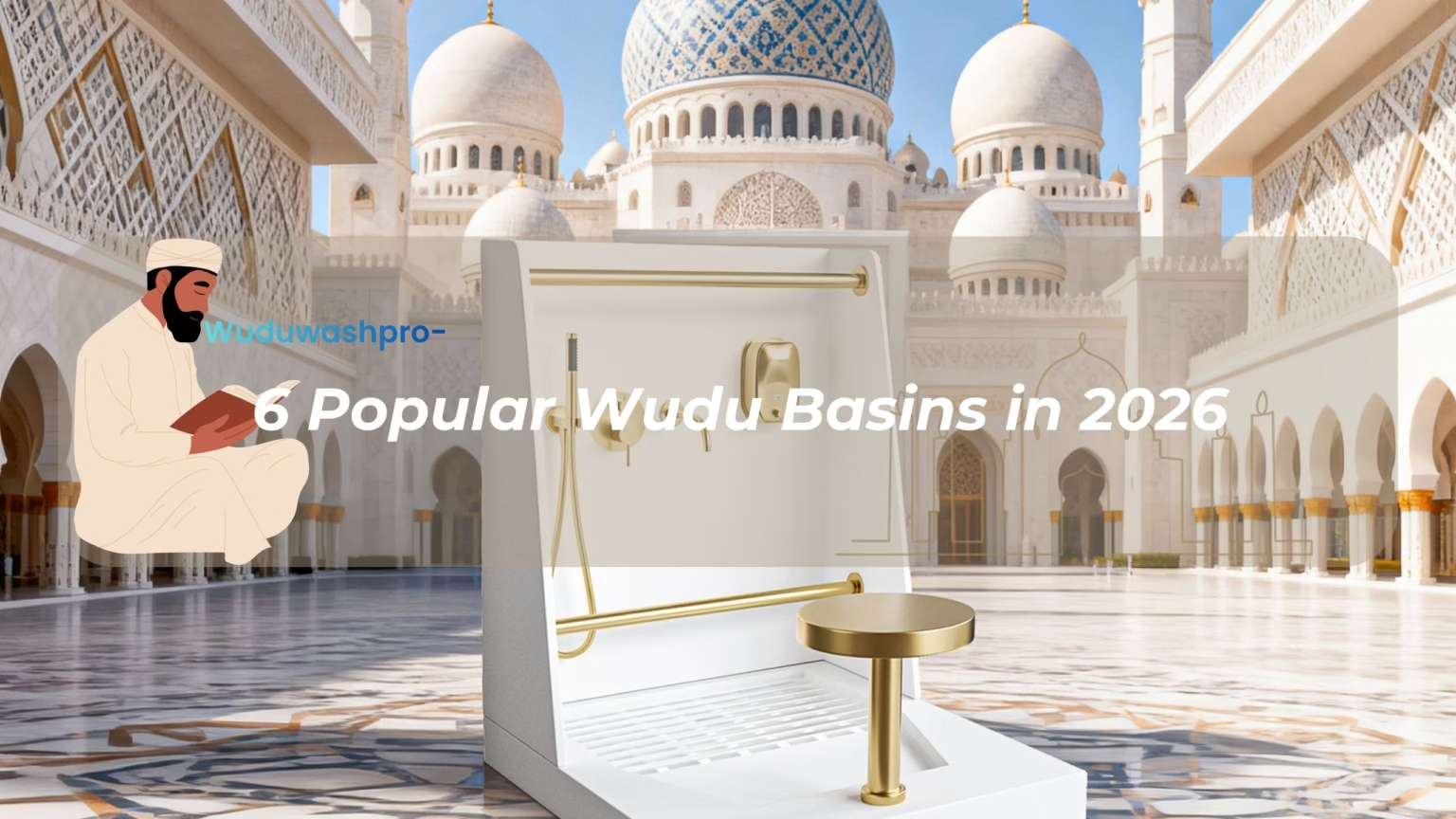
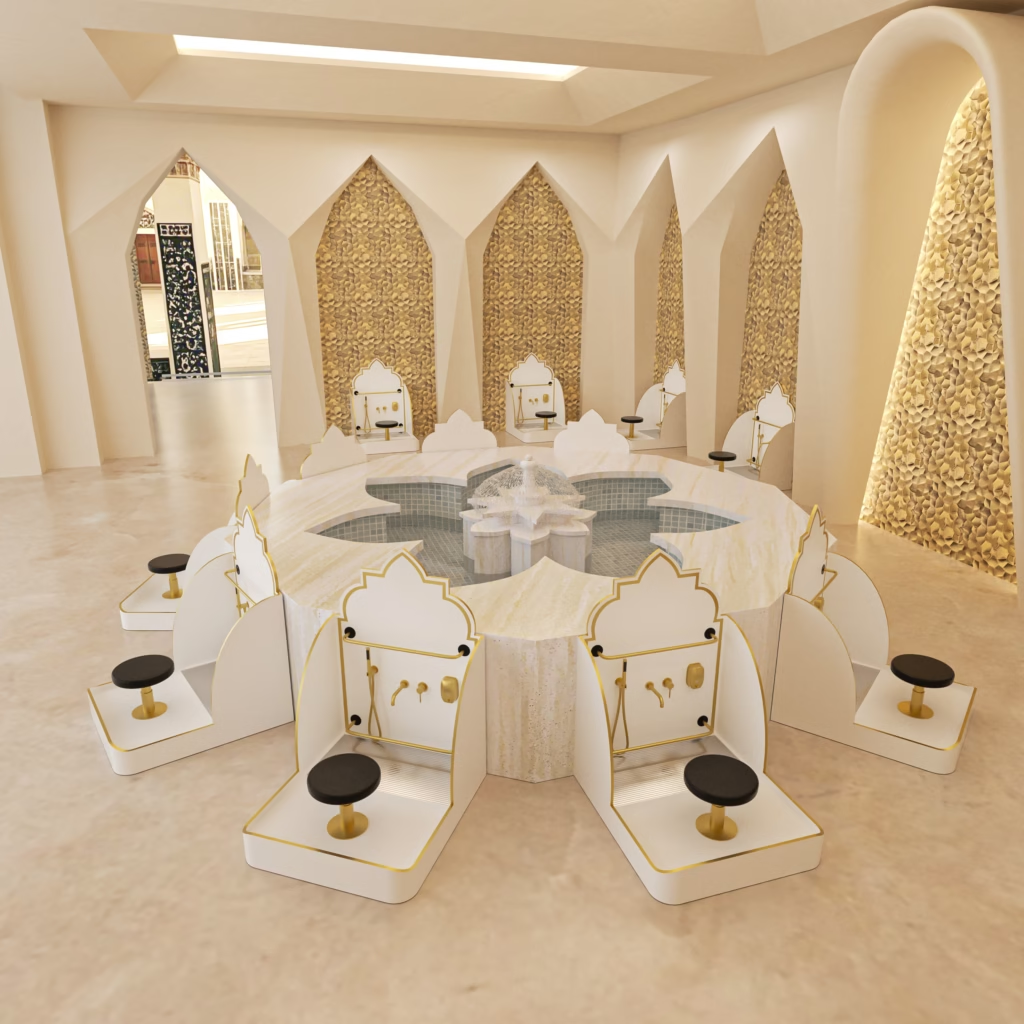
A wudu basin is a washing fixture designed to facilitate the ritual ablution that Muslims perform before prayer. In Wudu, the worshipper washes the hands, face, arms, and feet with water. Since foot washing is included in the process, the basin must allow a safe posture, controlled water flow, and effective drainage. This functional requirement distinguishes wudu basins from standard bathroom sinks.
The demand for wudu basins in mosque environments is significantly higher than in residential settings. Hundreds of worshippers need to perform wudu before the prayer in a short time. The basin system should therefore provide for repeated use of a water outlet, as well as a seated or stable washing posture, contain splashes and relate with floor drainage in a manner that is not congested or unhygienic.
This guide explains the core principles of the specification for mosque wudu basins. It will provide a systematic reference on basin type, basin height, material options, durability factors, drainage coordination, hygiene performance, and maintenance planning to assist decision makers in evaluating basin systems on a long-term functional basis within mosque environments.
What Is a Wudu Basin?
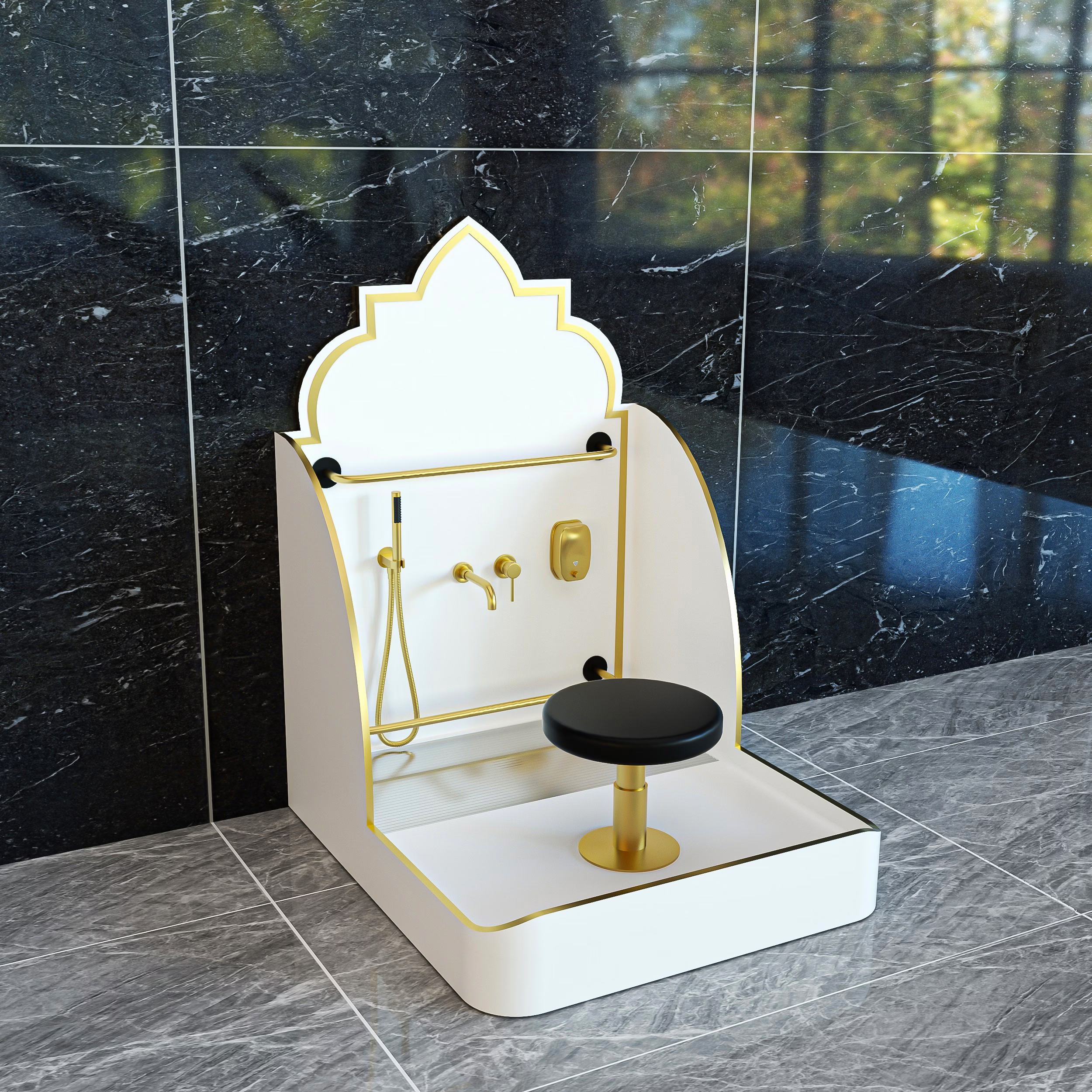
A wudu basin is a washing fixture specifically to clean the feet while controlling splash and drainage prior to praying in Islam.
It is necessary that the design permits an individual to maintain a safe posture while containing water splashes and directing runoff to floor drainage systems.
Most mosque wudu basins incorporate the following functional characteristics:
- Deep basin geometry to contain water during washing
- Edge profiling that prevents excessive splash
- Seating integration for safe and stable posture
- Drain alignment compatible with floor drainage systems
- Durable materials capable of withstanding continuous wet conditions
These features differentiate the design elements of wudu basins from conventional sinks and help explain the use of specialized systems in mosques.
Basin Geometry and Splash Control
Basin geometry plays a critical role in the performance of a mosque wudu area. The shape and depth of the basin determine how effectively water is contained during washing and how much splash reaches the surrounding floor. Because worshippers wash their feet as part of wudu, water movement is more dynamic than in a standard sink. Basin geometry must therefore be designed to manage this motion while keeping the wash area safe and easy to maintain.
Several geometric factors influence splash control:
- Basin depth: Deeper bowls provide a larger water landing zone, reducing the likelihood that water will spill over the edge during foot washing.
- Edge profiling: Carefully shaped basin edges direct water back into the basin rather than allowing it to flow outward onto the floor.
- Seat-to-basin alignment: Proper positioning between the seating and the basin ensures that the user’s foot remains within the basin area during washing.
When basin geometry is well designed, water remains contained within the washing zone and flows predictably toward drainage points. This reduces wet floor areas, improves safety, and lowers the daily cleaning effort required in mosque wash areas.
Types of Wudu Basins Used in Mosques
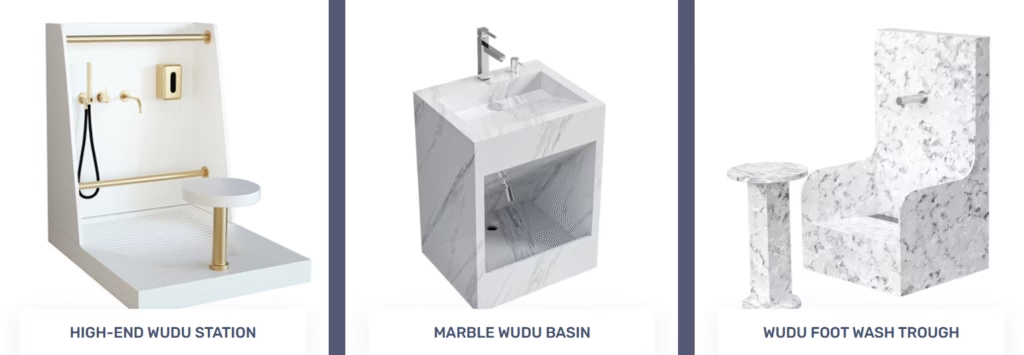
The configuration of wudu basins depends on mosque size, user volume, and spatial layout. When designing a mosque wash area, different configurations of wash basins may be required depending on the type of space available, the number of worshippers utilizing them, and the overall layout of your mosque.
Seated Wudu Basins
One of the most common styles of wash basins used in mosques is that they have seats attached to the wash basins. This allows worshippers to sit down as they wash their feet.
Advantages include:
- Improved balance and safety
- Reduced splash compared to standing washing
- Greater accessibility for elderly users
The use of seated basins in medium- and large-sized mosques can be found frequently, where comfort and safety are the main focus.
Wall-Mounted Wudu Basins
Wall-mounted basins attach directly to the wall, allowing a clear floor surface below the basin. Having a clear floor surface below a wall-hung basin makes it much easier to keep the floor clean and allows for drainage of water down through the floor drains.
Compact wash spaces, such as prayer rooms, often use wall-hung installations, where every inch of space must be utilized efficiently.
Floor-Mounted Wudu Basins
Floor-mounted basins rest directly on the ground, providing more structural stability as they are able to have a wider variety of materials and be built with integrated seating into their structure.
They are typically used in purpose-built mosque wash areas where durability and reliability are key considerations
Multi-User Wudu Basin Systems
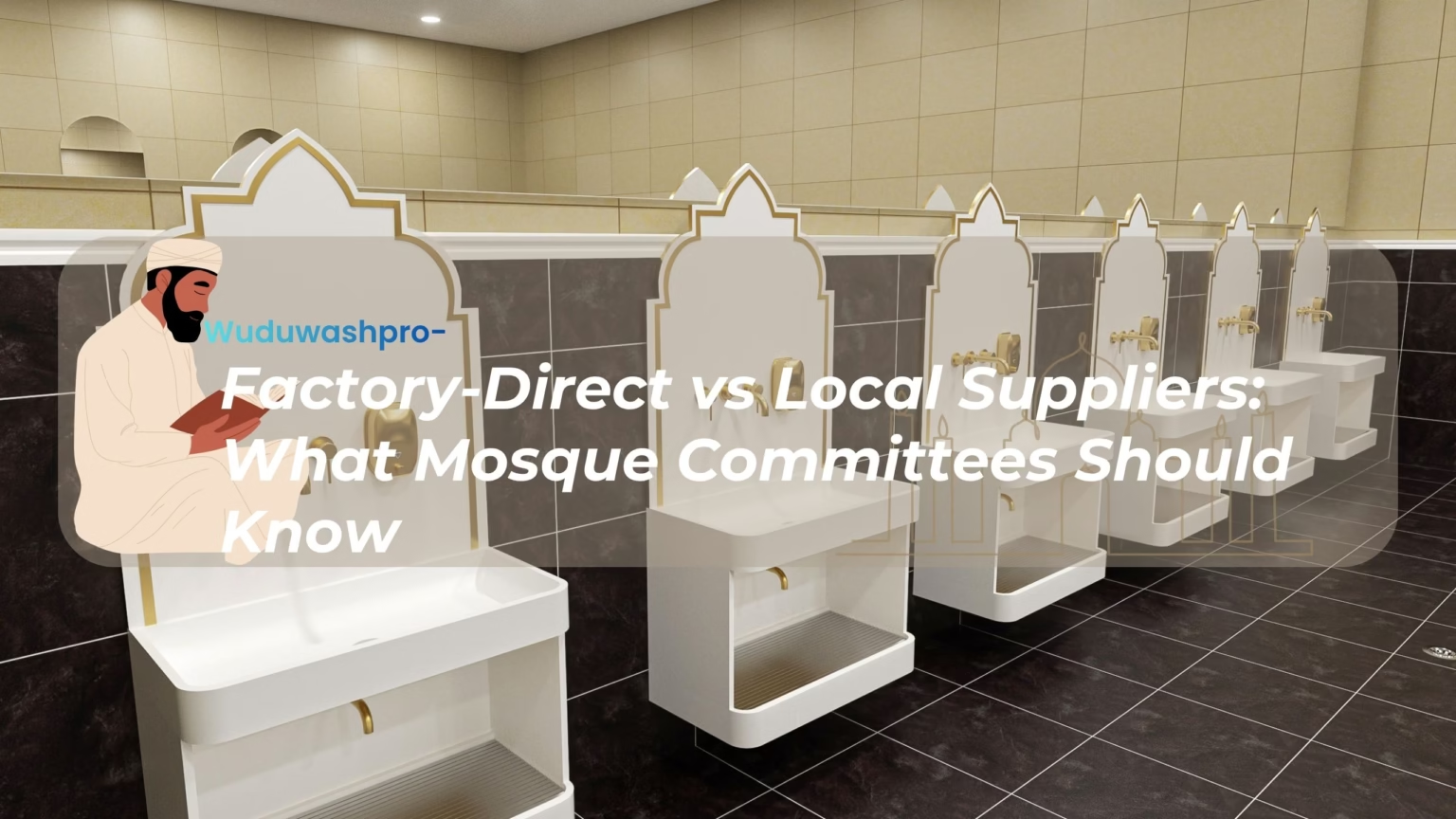
It is common for large congregational mosques to incorporate multi-user systems, which facilitate simultaneous wudu for several individuals. This is usually accomplished with several basin stations placed in a row or circular pattern.
Multi-user systems increase capacity during peak prayer periods and reduce congestion when properly spaced.
Determining the Correct Wudu Basin Height
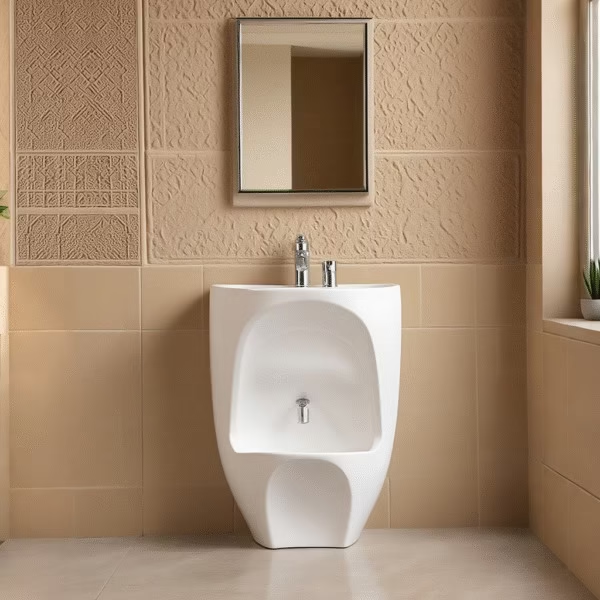
Basin height significantly affects usability and safety. Incorrect height forces users into awkward postures that increase splash and reduce stability. In many mosque installations, seated basin heights typically range between 400 mm and 500 mm, depending on seating configuration.
Height selection must account for seated washing posture rather than standing reach alone.
Typical considerations include:
- Seat height relative to basin edge
- Leg lifting clearance for foot washing
- Comfortable reach distance for water taps
If the height of the basin is too high, the user will be forced to lift his/her legs, and if the height of the basin is too low, the user will be forced to bend forward, which is quite uncomfortable and unstable.
The process of specification involves the assessment of the posture of the user while seated and the basin height in terms of ablution movements.
Materials Used for Mosque Wudu Basins
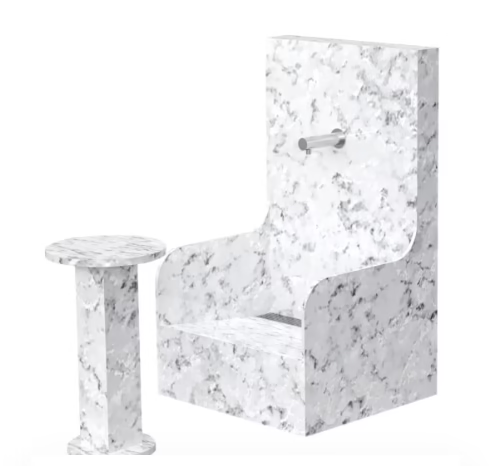
The material used in the basin determines the durability, hygiene, and maintenance of the basin.
Ceramic
The use of ceramic material in the basin is common due to the material’s availability and aesthetic look. It is quite inexpensive and commonly used in basin installations.
The drawback of using ceramic material in the basin is that the edges of the basin chip over time due to the usage of the basin.
Stainless Steel
The use of stainless steel in the basin provides the material with good impact and durability properties.
Some applications may also require consideration of aesthetic and temperature-related factors for stainless steel basin materials.
Solid Surface
Solid surface materials have become increasingly common in modern mosque installations. For modern mosque projects, solid surface materials are increasingly specified due to their non-porous and seamless characteristics. These materials offer several advantages in high-use wash areas:
- Non-porous surfaces that resist moisture absorption
- Seamless fabrication that reduces joints and water traps
- Edge durability under repeated contact
- Ability to refinish surfaces if minor wear occurs
Material choice should be based on operational requirements rather than appearance alone.
Durability Factors in Mosque Wudu Basins
Mosque wash areas operate under constant exposure to water and repeated physical contact. Basin durability must therefore be evaluated carefully.
Durability considerations include:
Edge Strength
Edges experience frequent contact during foot washing. Materials and construction must withstand repeated impact without chipping or weakening.
Structural Support
Many basin systems incorporate seating or support surfaces. These elements have to bear the body’s weight safely and, at the same time, be in line with plumbing and drainage installations.
Resistance to Moisture Degradation
Repeated water contact weakens the materials that absorb water or depend on surface coatings for protection. So, materials must maintain structural integrity under constant exposure to water and repeated physical contact.
Resistance to wear and tear is what decides the lifespan of a basin system before you have to repair or replace it.
Drainage Compatibility and Water Management
In a mosque, wudu basins are just a part of the overall water management system. They need to be located where the floor drains and plumbing lines are.
Important factors include:
- Floor slope directing water toward drains
- Alignment between basin outlets and drainage points
- Splash containment to prevent water spreading beyond wash zones
Mix-ups between the basins and drainage lead to wet floors that do not dry up for a long time, which pose a hazard for slips and require more cleaning.
Good planning makes sure that water flows automatically from the basin to the drainage system without it coming out on the ways of circulation.
Hygiene Considerations
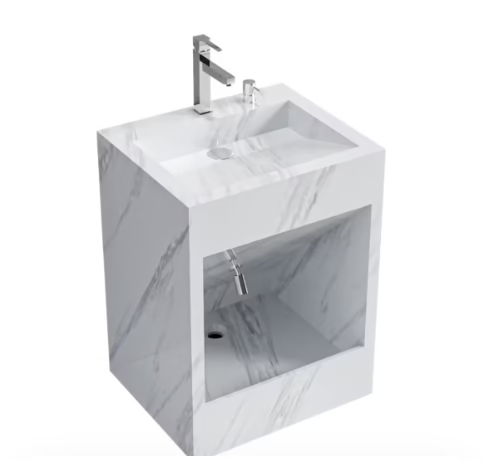
The degree of hygiene in mosque washrooms is mostly related to how easily surfaces can be kept clean and how well moisture is controlled.
Basins should be designed in such a way that the cleaning staff can carry out their work simply and efficiently.
Surface Cleanability
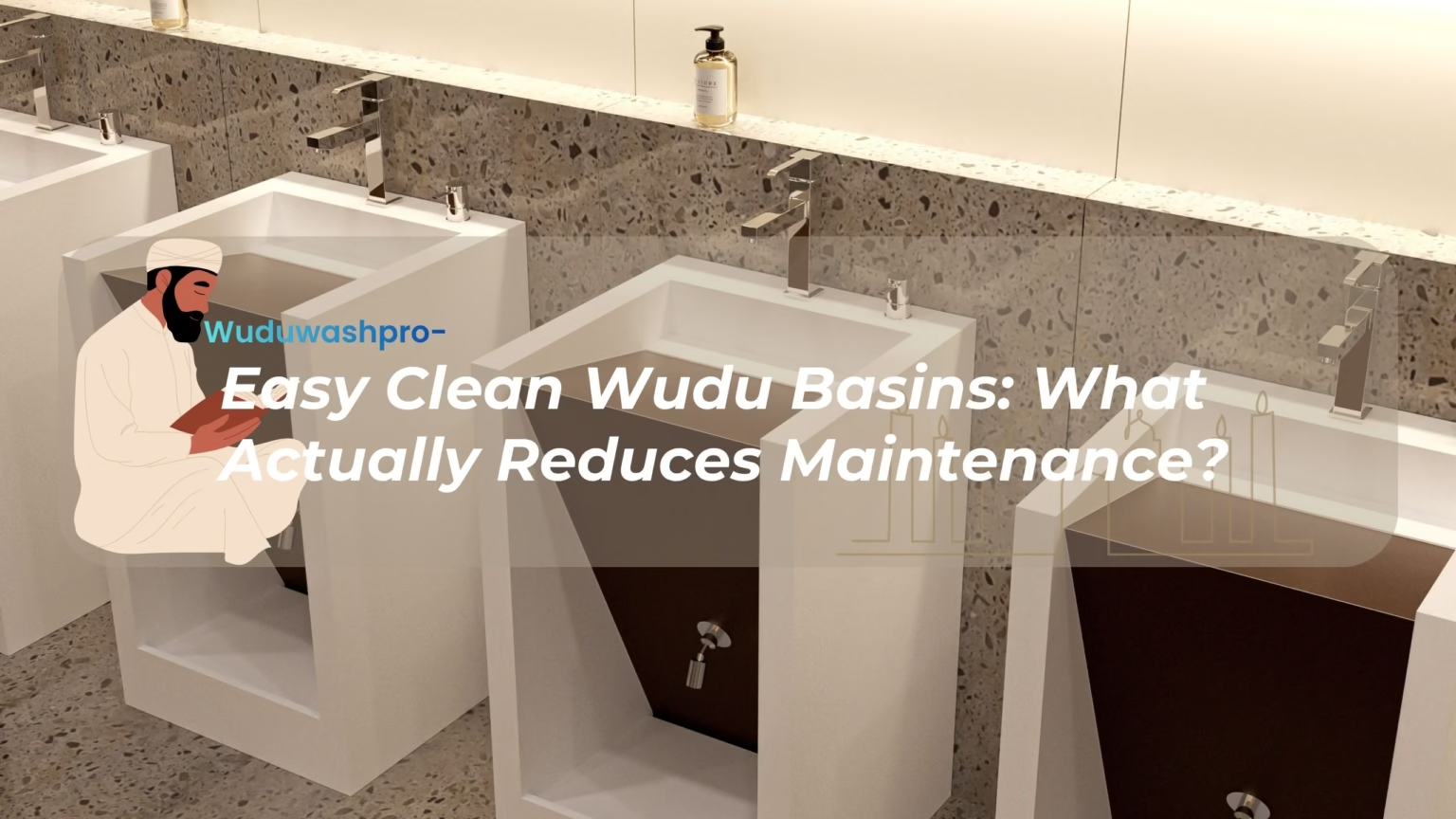
Smooth surfaces make the regular cleaning easier. Also, it has been shown that the fewer joints and seams, the fewer places for hiding moisture and dirt.
Moisture Containment
Basin geometry influences how effectively water remains within the washing area. Deeper bowls and carefully shaped edges help control splash.
Material Resistance to Staining
Materials that do not absorb moisture and cleaning chemicals keep both the look and cleanliness intact for a longer time.
Taking hygiene into account results not only in deciding on the material used but also in forming the basins.
Maintenance Planning for Mosque Wudu Areas
The maintenance level shows if the wudu basin system specification was a good one.
Wash areas in mosques must be cleaned frequently, sometimes multiple times per day. Basin design should therefore reduce cleaning effort rather than increase it.
Maintenance planning typically evaluates:
- Cleaning frequency required to maintain hygiene
- Resistance of materials to chemical cleaning agents
- Access to spare parts in case the pieces get old or damaged
Certain materials can be repolished or locally surfaced when the surface wears, whereas others must be replaced completely.
Maintenance care not only has an effect on the running costs but also on the plans for the future of the facility.
Selecting the Right Wudu Basin System
Choosing the appropriate basin system involves balancing several specification factors:
- User capacity during peak prayer periods
- Available floor area within the wash zone
- Compatibility with drainage infrastructure
- Material durability and hygiene performance
- Long-term maintenance requirements
Planners and mosque management normally check out basin systems before the rest to be sure that the wash areas will not only be large enough to accommodate the congregation but also function without any difficulty during use.
The most effective basin systems treat the wudu area as an integrated system rather than a collection of separate fixtures.
Specifying Wudu Basin Systems for Mosque Projects
The effectiveness of wudu basin systems is specified as part of a coordinated wash area. Basin height, basin geometry, material durability, drainage alignment, and seating configuration must be effective in conjunction with one another in the mosque environment.
To architects and mosque planning committees, the coordination of the basin system and the wash area layout can help avoid operational issues such as the spread of water splashes, drainage inefficiency, and material deterioration. Basin system specification allows these issues to be considered at the design stage.
Specialized designers of mosque wash areas, such as WuduWashPro, provide basin systems designed for high-frequency usage. Fabrication of the basin material, basin geometry, and configuration can be designed to ensure the effectiveness of the basin system in the mosque environment.