There are different types of wudu basins in the market, and each type of wudu basin is suitable for a specific type of environment. Generally, wudu basins are classified into:
- Residential basins
- Commercial basins
- Public basins
Different types of wudu basins available in the market are a reflection of the different conditions in which wudu is performed. For instance, a basin that is suitable for use in a home environment may not function as effectively in a mosque where hundreds of people perform their wudu in a short period of time. Similarly, basins used in public spaces are designed to accommodate people who may not be aware of how to use a basin.
Wudu basin types available in the market can help mosque committees understand which type of basin is best for their use, instead of using a basin that may not function effectively in a public environment.
What Is a Wudu Basin?
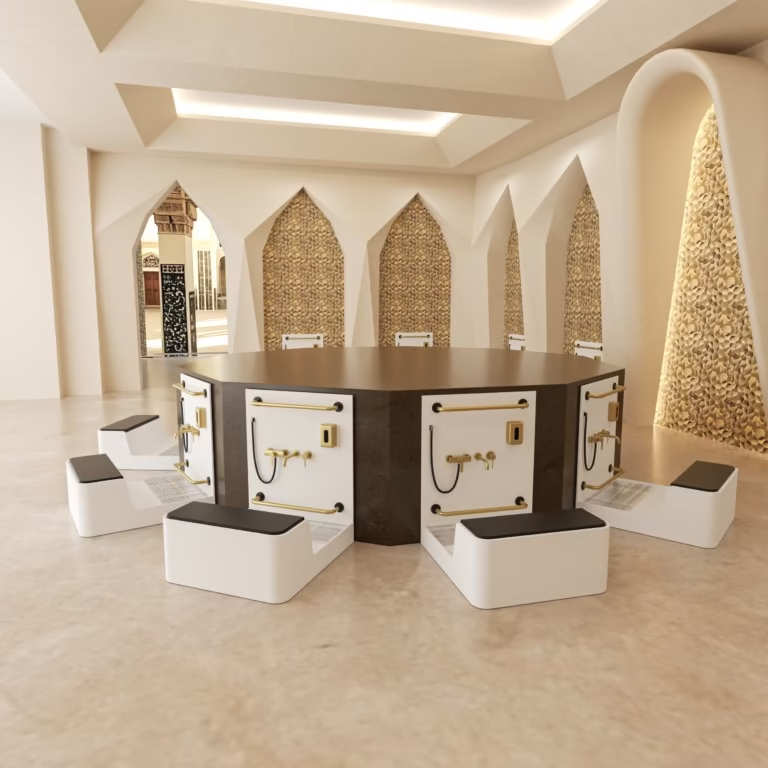
A wudu basin is a special fixture designed to facilitate the ritual of washing that precedes the practice of Islamic prayers. A wudu basin is different from an ordinary bathroom sink in that it has to facilitate the entire ablution process, including the washing of hands, face, arms, and feet.
The ablution process necessitates the design of the wudu basin to allow for the easy washing of feet without splashing the water excessively.
The common features of well-designed wudu basins can be identified as follows:
- Water containment: The basin’s design has to facilitate the containment of water to reduce splashing when the feet are washed.
- User stability: The basin’s design has to facilitate the user’s stability to allow easy movement.
- Efficient drainage: Ensures that water is easily drained from the wash area.
- Durability: The wudu basin must be made from a material that can withstand its intended use.
These are the distinguishing factors between a wudu basin and a normal basin, and this is the reason why there are specialized wudu basins for specific environments.
Residential Wudu Basin Types
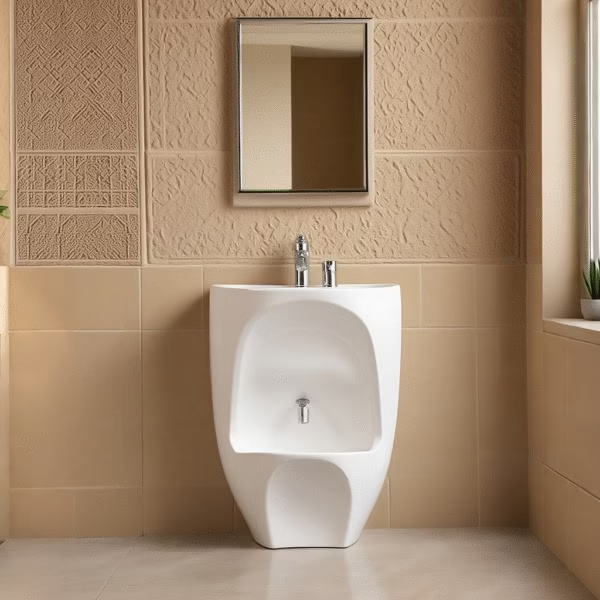
A private bathroom is usually all it takes for residential wudu practices. Wudu is limited to the members of the household, and the daily number of users per bathroom for wudu is relatively small. As a result, most residential wudu basins are designed to be small enough to fit into pre-existing bathroom layouts.
Compact Home Wudu Basins
For use in the home, the compact basin is generally the easiest choice. These basins look just like regular sinks but sometimes have a deeper bowl or splash-controlling edge to allow a person to wash their feet while using them. They are suitable for homes with limited space and for times when only one person is making their wudu at once.
Dual-Level or Pedestal Basins
Dual-level plumbing fixtures can be installed in homes where there are separate wash areas for hands and feet. The upper wash area is similar to a standard sink. However, it does provide an area for washing, cleaning, and rinsing feet.
These types of fixtures improve comfort for the user with less potential for splashover; however, they do require additional room compared to the compact fixtures.
Portable Wudu Units
Portable wudu units are sometimes used in small apartments or temporary prayer spaces. They consist of a small basin and removable oversize tanks for water. While portable units provide you with flexibility, they are designed to be used individually and do not have enough durability for use in a communal environment.
A residential wudu unit will primarily focus on providing convenience/ease of use and space efficiency.
Commercial Wudu Basin Types (Mosques)
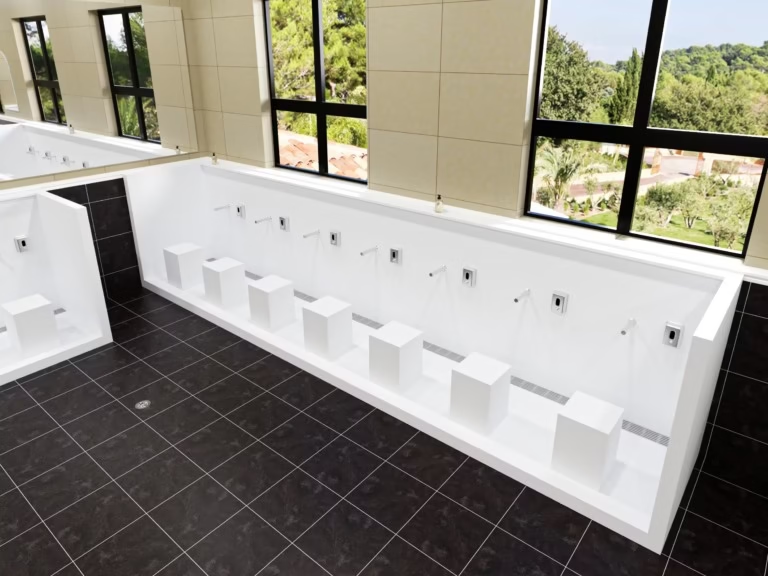
Many mosques require wudu units that will allow them to accommodate the daily use of multiple worshippers preparing for prayer. Therefore, commercial wudu basin products will emphasize durability, splash containment, and effective user flow.
Wall-Mounted Wudu Basins
Basins fixed to a wall have their own structural load and do not have any structure below the unit, allowing you to clean the floors more efficiently and provide drainage of water to the floor drainage system more freely.
Generally, wall-mounted basins are used in smaller mosques or prayer areas where space is limited and efficient use is desired.
Floor-Mounted Wudu Basins
Floor-mounted washbasins are fixed at the floor level and provide better support to the structure as they can carry heavier materials and even have integrated seating.
They are commonly found in mosque areas for cleansing purposes, where durability and the ability to withstand wear and tear are main concerns.
Seated Wudu Basins
Seated basins are equipped with a seat so that worshippers can sit down while washing their feet. It is quite helpful for the elderly, as this way they can maintain their balance and are less likely to get tired.
The seated layouts are generally praised to be one of the most sensible choices for mosques as besides safety, they also reduce water splashing.
Standing Wudu Basins
Standing basins are ideal for people who wish to continue with the cleaning process by washing their feet without the need to sit down. Standing basins are mostly found in small prayer halls where there is no space for a seating plan.
Nevertheless, a standing layout on its own might involve water splash control measures to avoid water on the floor.
Multi-User Wudu Basin Systems
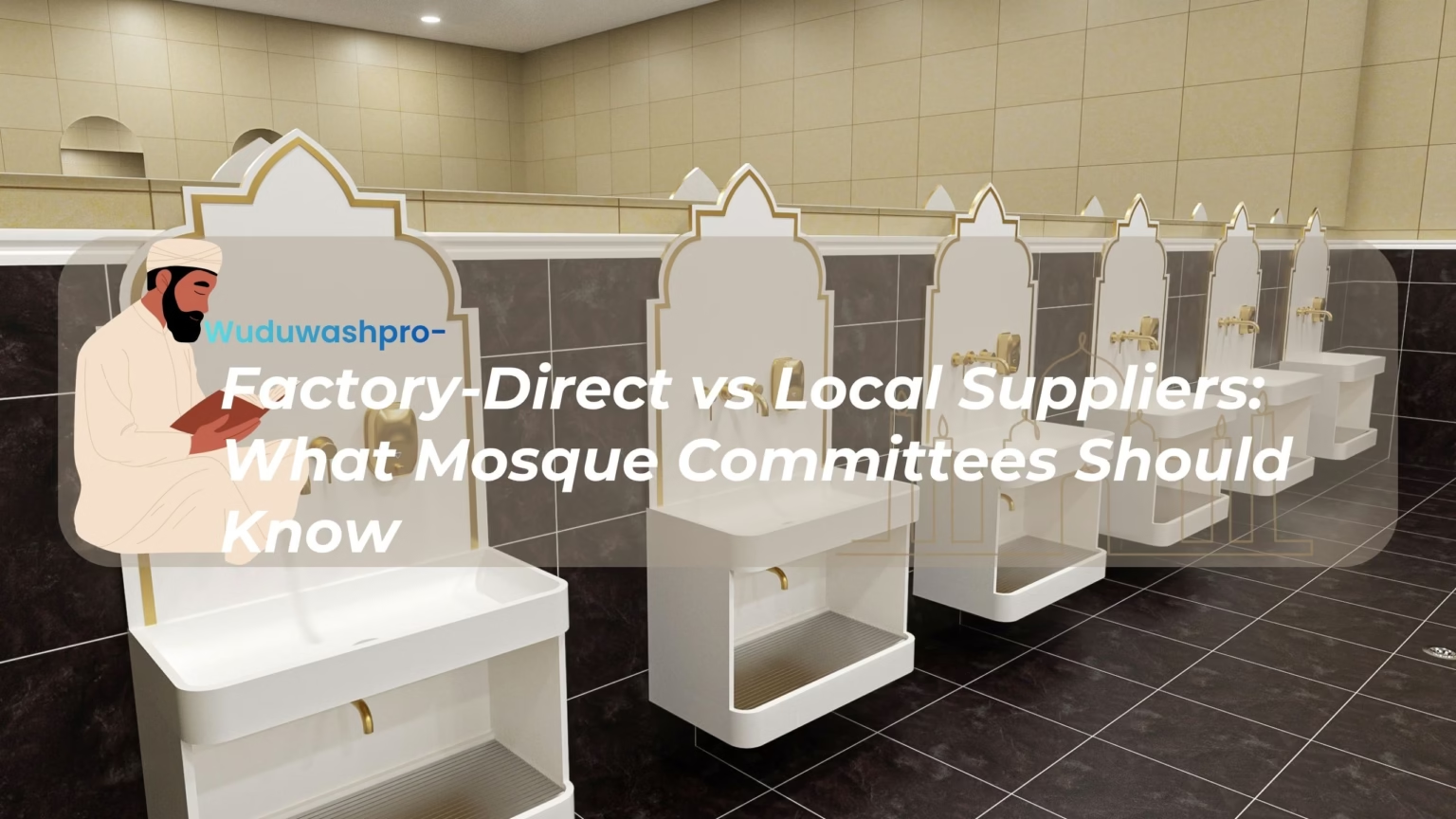
Very big mosques have a multi-user system to allow worshippers to do their spiritual cleansing simultaneously. These systems may be rows of long basins with several seats or stations.
The plus point of this method is accommodating more people at peak hours for prayer. Proper spacing and drainage are important considerations for these installations.
Public Ablution Basin Types
Wudu facilities are also needed in public buildings such as airports, universities, and commercial complexes. These places need user-friendly and easy-to-maintain wudu areas.
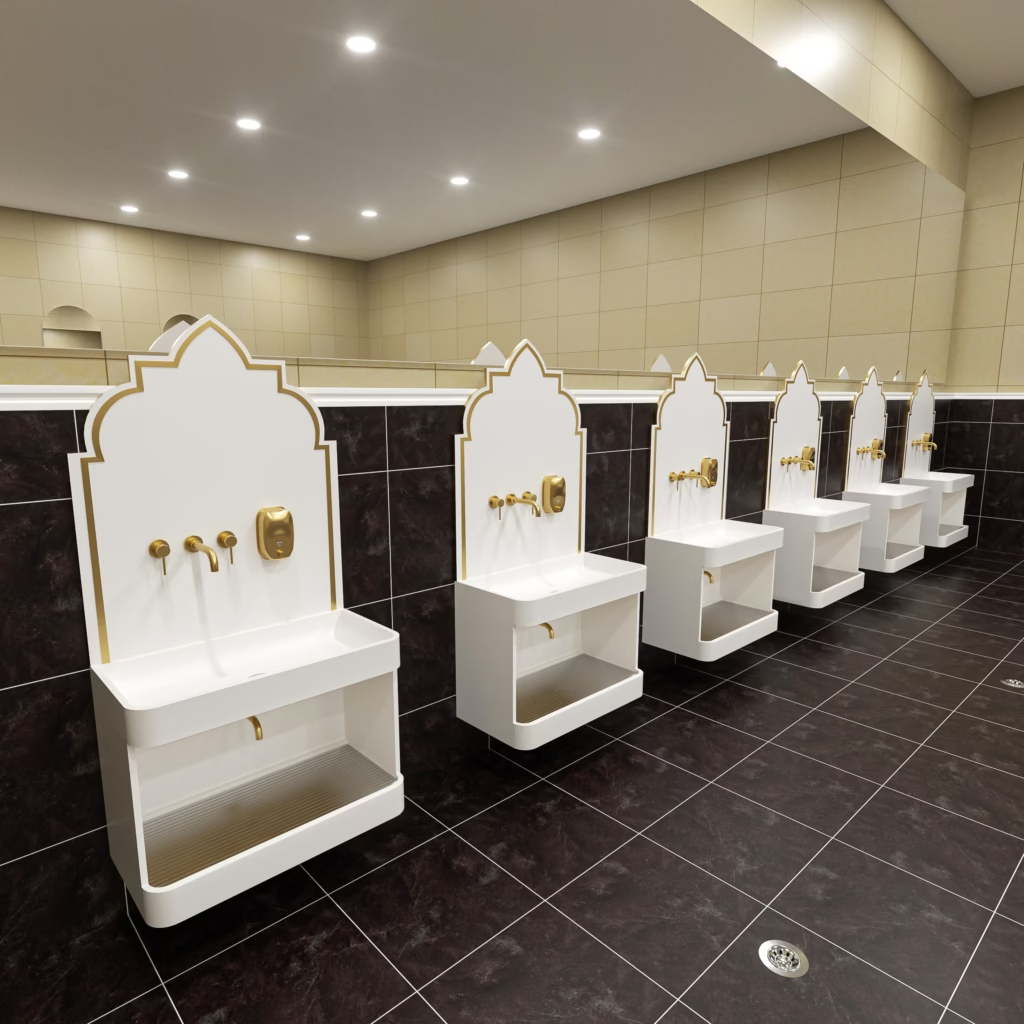
Modular Wudu Stations
Modular units are prefab structures that can be installed rapidly in multi-faith prayer rooms. Normally, they integrate basin, seating, and drainage parts within one system.
The provisioning of these units is straightforward. However, they have to maintain a sufficient level of splash control as well as be durable.
Continuous Trough Basins
A trough-type washbasin is a shared washing surface for multiple users. Taking into account the fact that an individual basin was not provided, a long trough allows several people to wash simultaneously.
This layout can handle a large volume of users, but it is essential to consider water containment and drainage very carefully.
Accessible Wudu Basins
Accessible basins are designed for elderly worshippers or individuals with limited mobility. These units may include seating support, ergonomic basin height, and clear approach space.
Accessibility features improve safety and ensure that all worshippers can perform wudu comfortably.
Comparison of Wudu Basin Types
The table below summarizes the main characteristics of different wudu basin types.
| Basin Type | Location | User Capacity | Main Advantage | Limitation |
| Compact Home Basin | Residential homes | 1 user | Space efficient | Limited capacity |
| Dual-Level Basin | Residential homes | 1 user | Improved ergonomics | Requires more space |
| Wall-Mounted Basin | Small mosques | 1 user | Easy floor cleaning | Limited seating |
| Floor-Mounted Basin | Mosques | 1 user | Strong structural support | Larger footprint |
| Seated Basin | Mosques | 1 user | Comfortable and safe | Requires seating space |
| Multi-User | Large mosques | Multiple | High capacity | Needs larger layout |
| Modular Station | Public building | 1–2 users | Easy installation | Limited customization |
| Trough Basin | Public facilities | Multiple users | Efficient shared space | Requires good drainage |
When Each Type of Wudu Basin Is Suitable
The type of basin you choose will depend mainly on how large the facility is and its context. If the facility you are adding a basin to is a domestic space, then you could choose compact-type basins to save on floor area. If you are adding basins to mosque wudu areas, then convenient access to the washing facilities is more urgent than capacity.
For small mosques or prayer areas, wall-mounted or standalone basins would work with the limited space available to provide advantages. For medium-sized community mosques, seated-type basins tend to give a more comfortable experience to the users and will greatly reduce the amount of splash by the feet during the washing process.
Selecting the appropriate basin type involves balancing user capacity, safety, maintenance, and spatial constraints.
Plan the Right Wudu Basin System for Mosques
While choosing the right kind of wudu basin is one part of the challenge, the real challenge comes in making sure that the design of the wudu basin, material, seating, and layout come together in such a way that the wudu area of the mosque is safe, hygienic, and easy to maintain, even during peak prayer times.
WuduWashPro assists mosques, committees, architects, and planners in choosing the right kind of wudu basins that can be used for public use. Since WuduWashPro offers direct fabrication of solid surfaces, there is the possibility of matching the design of the wudu basins, their layout, and material with the requirements of the mosque.
Consult with the WuduWashPro team for planning the wudu basin installation for your mosque’s wash area.