Introduction
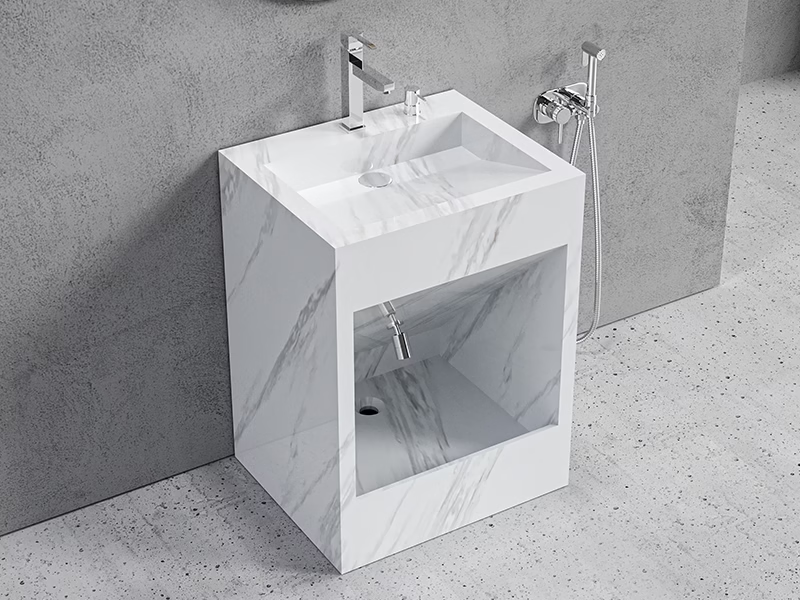
As hotels, mosques, airports, and workplaces increasingly focus on creating inclusive and durable prayer facilities, the demand for modern wudu basin design has grown significantly. Among the many material options, solid surface has emerged as the preferred choice for architects, contractors, and facility managers. Its unique combination of durability, hygiene, and design flexibility makes it ideal for meeting the functional and aesthetic needs of modern wudu spaces.
Why Material Choice Matters in Wudu Basins
A wudu basin is not just another fixture; it must withstand heavy daily use, exposure to water, and high hygiene standards. Poor material selection can result in cracks, stains, mold growth, and costly replacements. This is why modern projects are turning toward engineered surfaces like solid surface, which outperform traditional ceramic, stainless steel, or concrete.
Key Benefits of Solid Surface in Wudu Basin Design
Seamless and Hygienic Surface
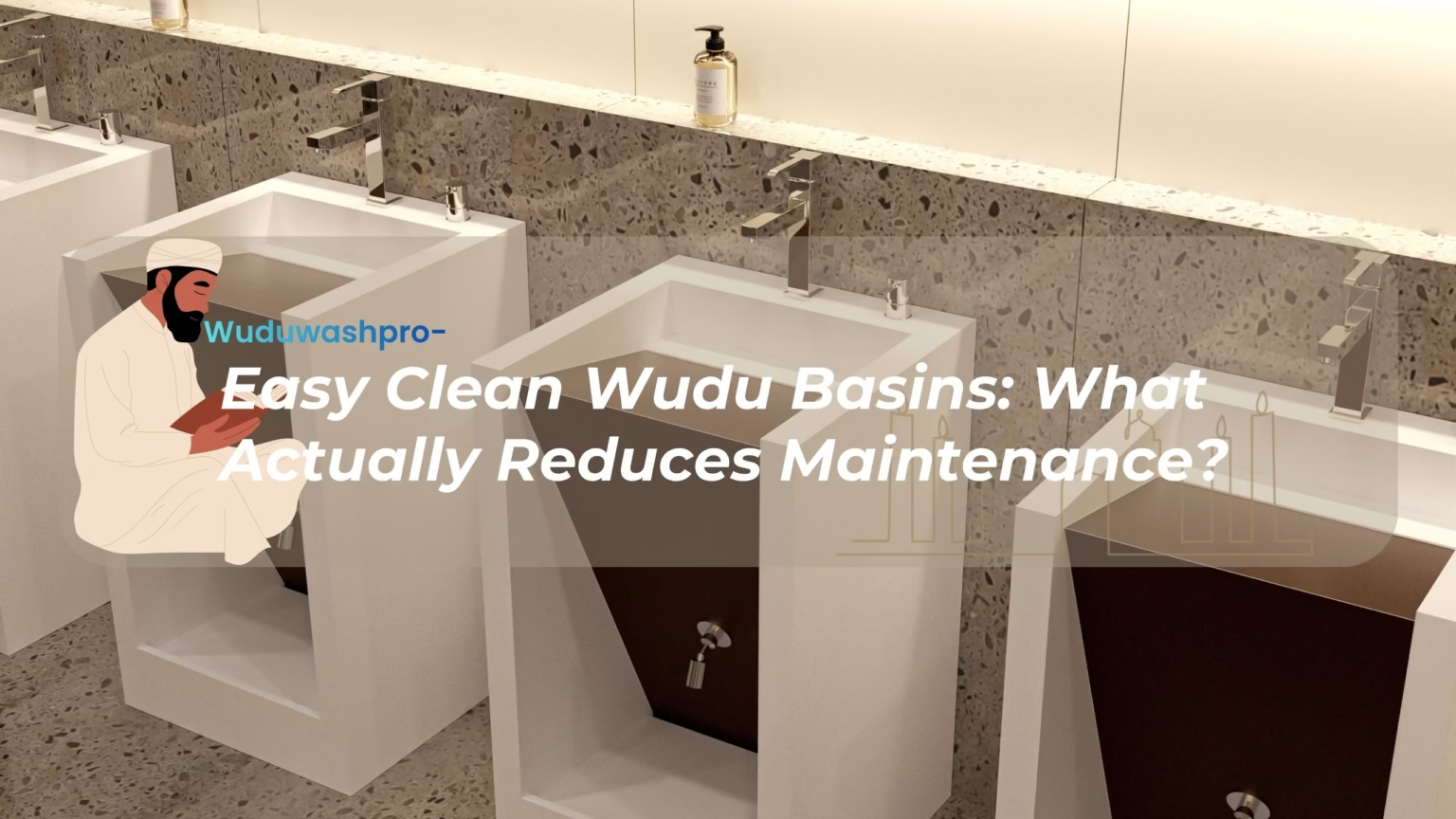
Solid surface basins are non-porous, meaning they resist water absorption and mold growth. The seamless construction prevents dirt and bacteria from accumulating in joints or grout lines, making cleaning simple and effective.
Durability and Longevity
Unlike ceramic that can crack or stainless steel that dents, solid surface is engineered to withstand impact, scratches, and daily wear. This ensures a long service life, even in high-traffic facilities such as mosques or airports.
Custom Design Flexibility
One of the strongest advantages of solid surface is design freedom. It can be thermoformed into:
- Wall-mounted compact basins for hotels or offices
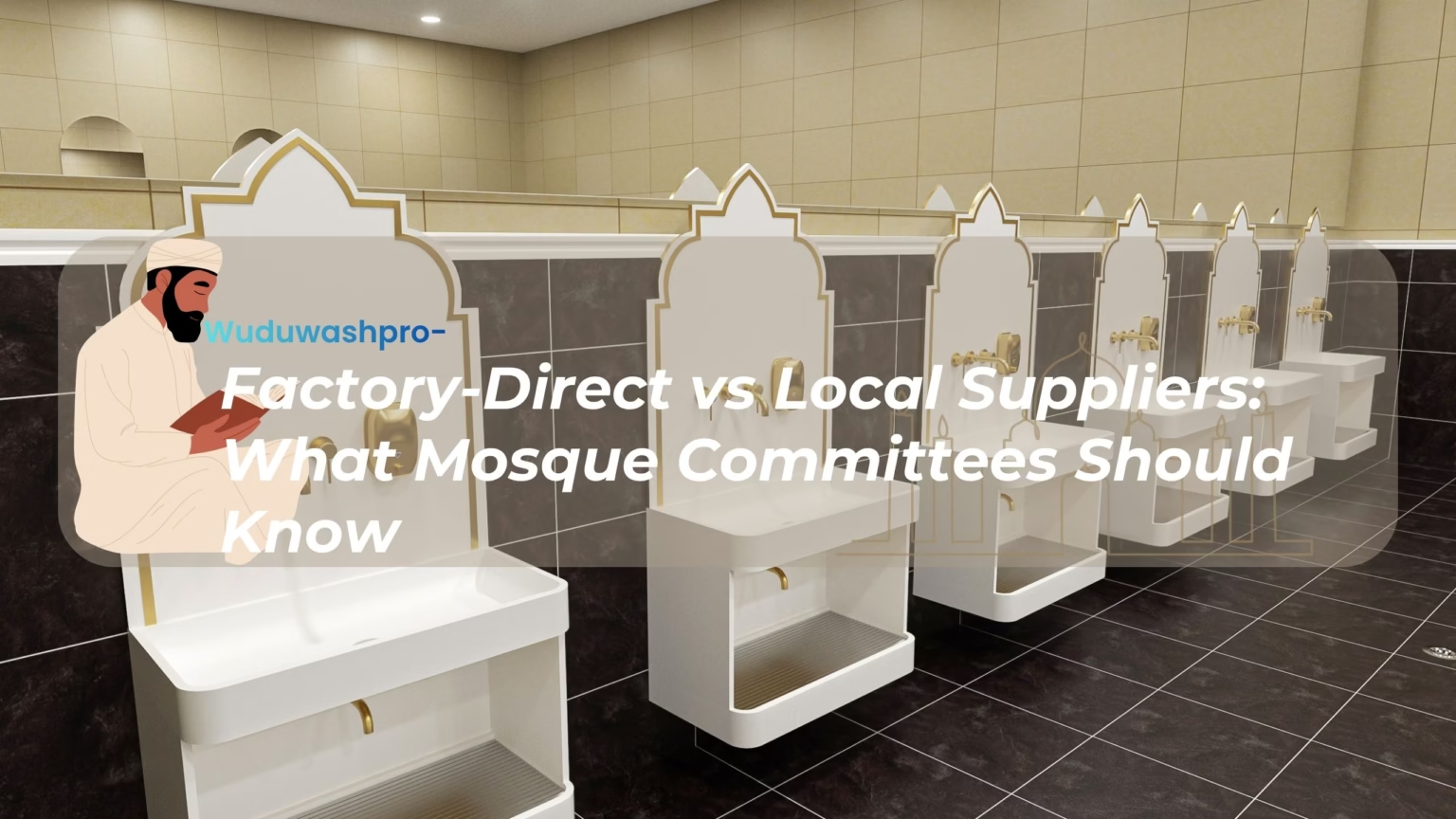
- Multi-station wudu units for mosques and universities
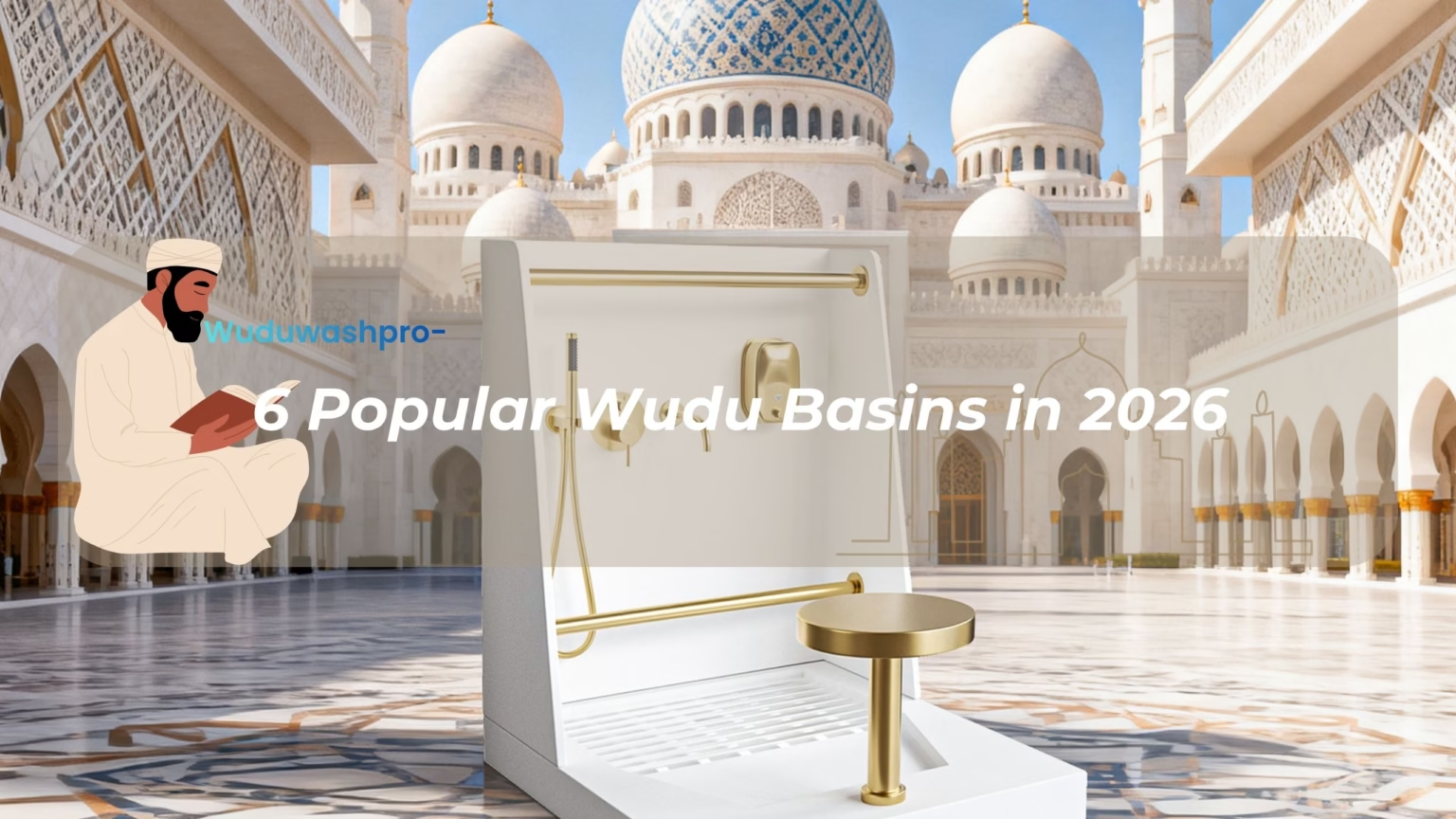
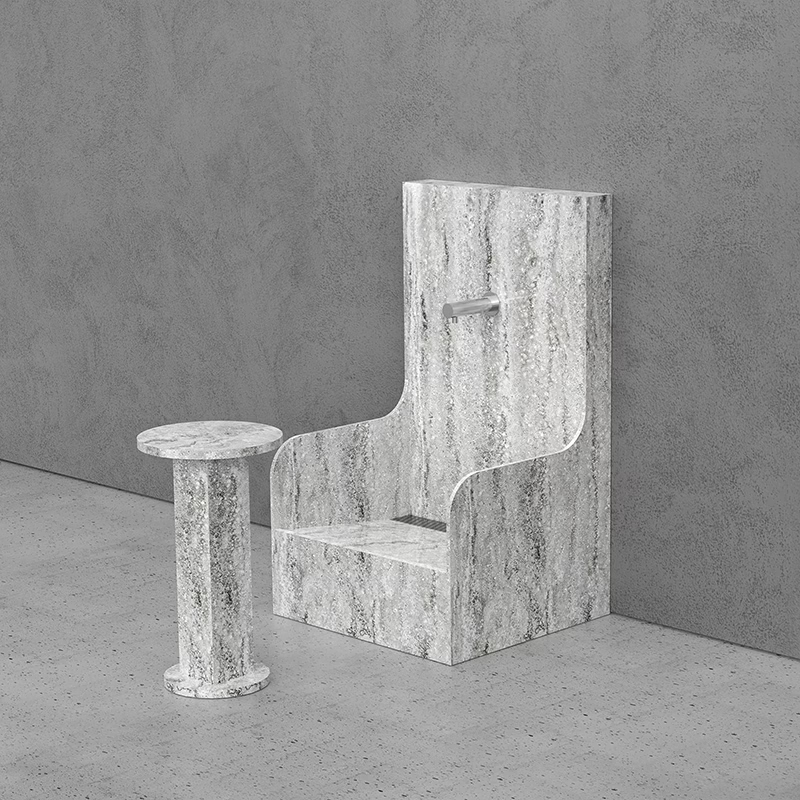
- Freestanding basins with integrated seating for accessible design
This versatility allows architects to tailor wudu facilities to space constraints and cultural needs.
Aesthetic Versatility
Solid surface can be finished in various colors, marble effects, or stone-like textures. For luxury hotels and resorts, this ensures wudu facilities blend harmoniously with premium interiors instead of appearing purely utilitarian.
Repairable and Sustainable
Scratches or minor damages can be easily sanded and restored, extending the basin’s lifespan and reducing waste. In large projects, sustainability is becoming a key factor—and solid surface supports long-term eco-friendly goals.
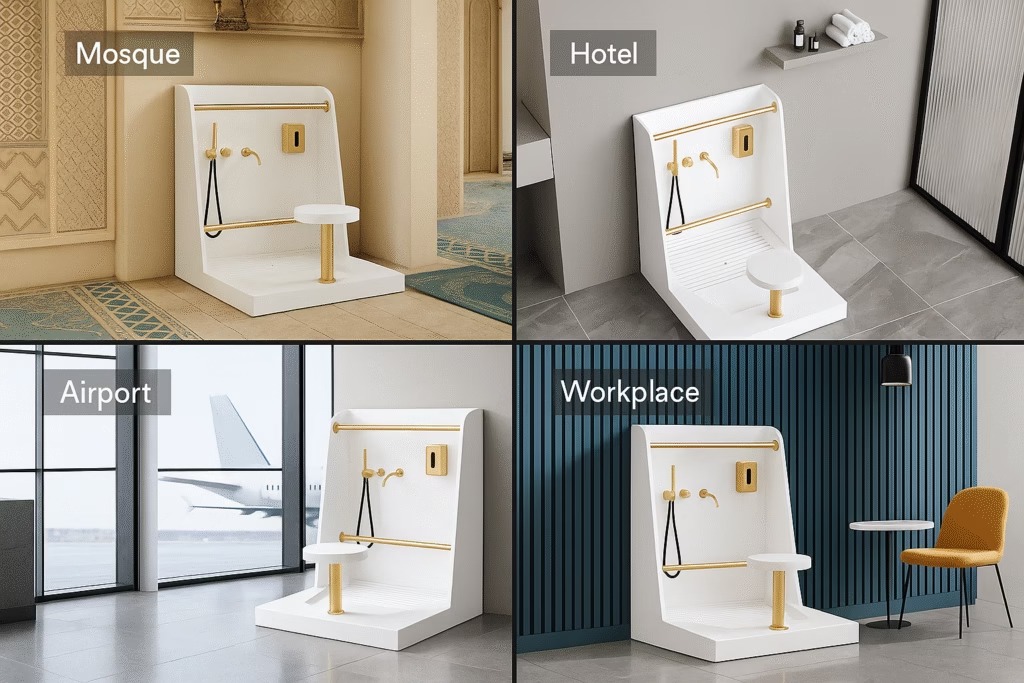
Applications of Solid Surface in Wudu Facilities
- Mosques: Multi-user wudu stations designed for high volume
- Hotels and Resorts: Compact, discreet basins in prayer rooms or designated areas
- Airports and Public Buildings: Heavy-duty installations where durability is critical
- Workplaces: Ergonomic basins for employees, combining function and aesthetics
Design Considerations for Contractors and Architects
When designing wudu facilities with solid surface, attention should be given to:
- Drainage design for proper water flow
- Slip-resistant flooring integration
- Height variations for accessibility
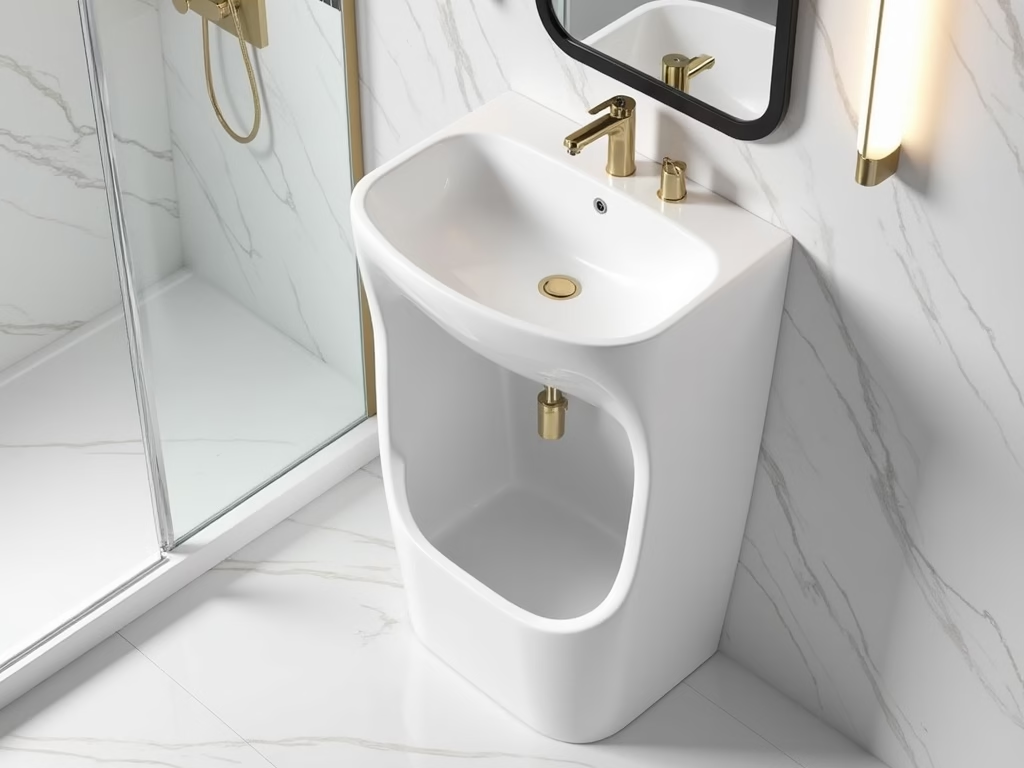
- Integration of modern features such as sensor taps and soap dispensers
These considerations ensure that the solid surface wudu basin is not only visually appealing but also practical and compliant with universal design standards.
Conclusion
The role of solid surface in modern wudu basin design goes far beyond aesthetics—it provides a hygienic, durable, and customizable solution that meets the spiritual, cultural, and practical needs of diverse users. For hotels, mosques, and public spaces looking to create long-lasting and inclusive facilities, solid surface is no longer an option but a necessity.
By combining engineering strength with design flexibility, solid surface is shaping the future of wudu facilities worldwide.
FAQ
Q1: Why is solid surface better than stainless steel or ceramic for wudu basins?
A1: Solid surface is non-porous, seamless, and highly durable. Unlike ceramic that cracks or stainless steel that dents, it offers long-term performance while maintaining hygiene.
Q2: Can solid surface wudu basins be customized for different facilities?
A2: Yes, solid surface can be thermoformed into wall-mounted, freestanding, or multi-station designs, making it suitable for mosques, hotels, airports, and workplaces.
Q3: Is solid surface easy to maintain in wudu facilities?
A3: Absolutely. Its seamless surface resists stains and mold. Minor scratches can also be sanded and repaired, making it low-maintenance and cost-effective.
Q4: What design options are available for solid surface wudu basins?
A4: Solid surface offers a wide range of colors, marble-like effects, and custom textures, allowing wudu basins to blend with both modern and luxury interiors.
Q5: Are solid surface wudu basins sustainable?
A5: Yes, they are long-lasting, repairable, and reduce replacement needs, which makes them an eco-friendly option for large-scale and long-term projects.