
Introduction
For Muslims around the world, wudu (ablution) is an essential part of daily life and worship. While it is primarily a spiritual practice that prepares the believer for prayer, wudu also brings a wide range of health and hygiene benefits that many people do not realize. Modern science increasingly highlights how the daily act of cleansing through wudu contributes to personal well-being, skin health, and overall hygiene. This makes wudu not only a religious requirement but also a holistic lifestyle habit that supports physical and mental health.
The Connection Between Faith and Cleanliness
Islam places strong emphasis on cleanliness, both spiritually and physically. The Prophet Muhammad (peace be upon him) stated that “cleanliness is half of faith,” which underlines its importance in Muslim life. Wudu serves as a bridge between these two dimensions, ensuring that believers approach prayer in a state of purity while also protecting their health in daily routines.

Cleansing the Skin and Removing Impurities
One of the primary hygiene benefits of wudu is its role in removing dirt, dust, and impurities from the skin. Washing the face, hands, arms, and feet several times a day prevents the buildup of bacteria and pollutants that could otherwise lead to infections or skin issues. This frequent cleansing routine functions much like a natural skincare regimen, keeping pores clear and the skin refreshed.
Preventing Illness Through Hand and Face Washing
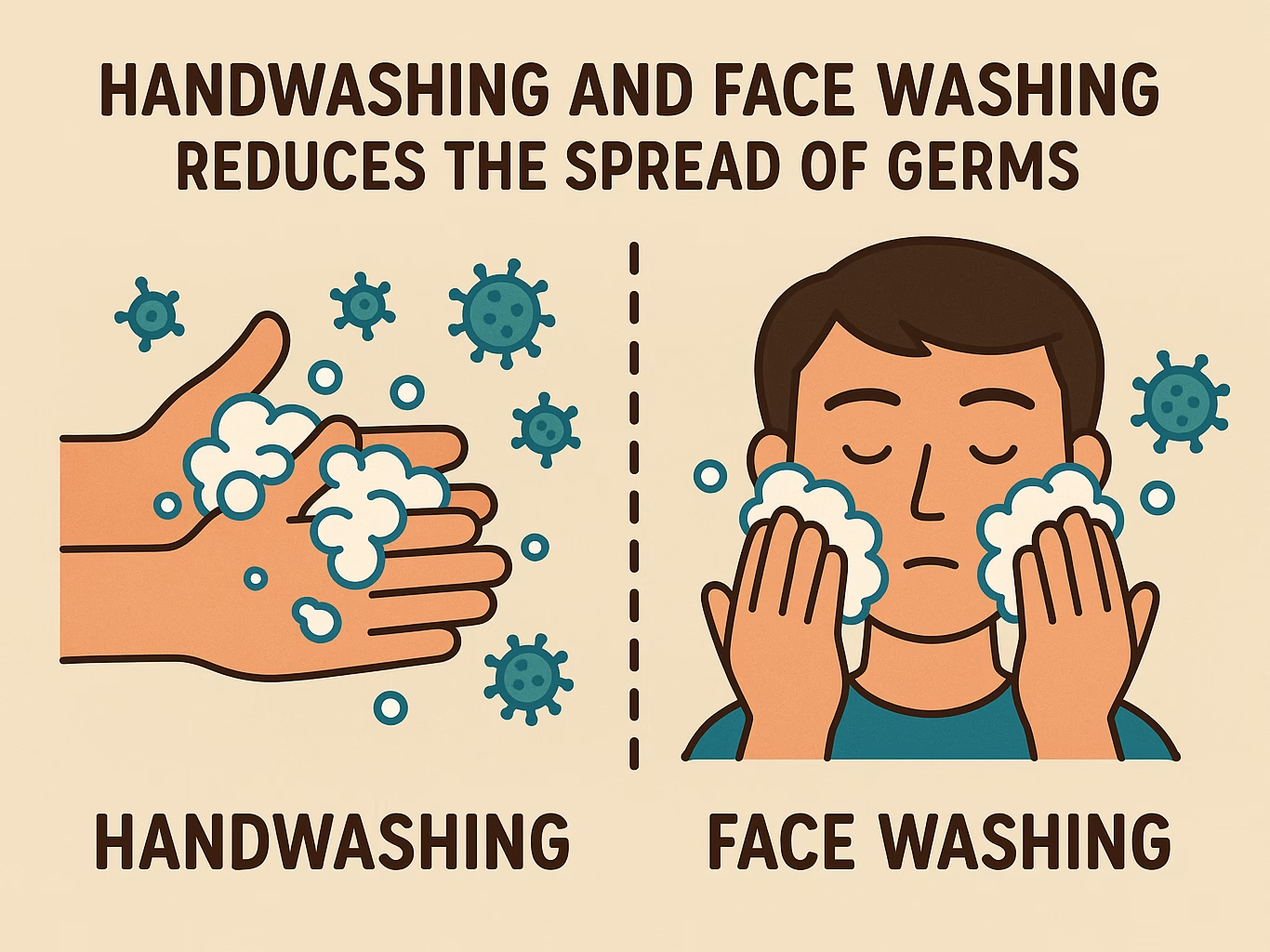
Scientific studies confirm that regular hand and face washing reduces the risk of respiratory and gastrointestinal diseases. Wudu requires washing the hands up to the elbows and rinsing the mouth and nose, which effectively removes germs before they can spread. In public settings such as mosques, schools, and workplaces, this collective habit of frequent washing helps reduce the spread of illness among communities.
Properly maintained basins ensure that wudu remains both hygienic and safe for users, check “How to Maintain and Clean a Wudu Basin for Long-Term Use”
Oral and Nasal Hygiene
During wudu, Muslims rinse their mouths and clean their nostrils, which offers unique health benefits.
- Mouth rinsing helps remove food particles, reduces bad breath, and promotes oral hygiene.
- Cleaning the nose clears out dust, allergens, and potential pathogens, which reduces the likelihood of respiratory infections.
This routine supports healthy lungs and overall respiratory wellness, especially in regions with high pollution or dust.
Improving Circulation and Refreshing the Body
The act of washing multiple body parts with cool water stimulates blood circulation and refreshes the body. Many believers report feeling energized and mentally alert after performing wudu. This can help reduce fatigue, improve concentration during prayer, and even enhance productivity in daily tasks.
Mental Health and Stress Relief
Beyond physical hygiene, wudu has psychological benefits. The repetitive, mindful act of washing with water creates a sense of calm, reducing stress and anxiety. It acts as a form of mental reset during the day, especially before prayers. This balance of cleanliness and mindfulness contributes to a healthier lifestyle both spiritually and emotionally.
Preventing Skin and Foot Problems
Feet are often neglected in daily hygiene, but wudu ensures they are washed regularly. This prevents fungal infections, foot odor, and other common issues. For people who walk frequently or live in hot climates, this habit provides ongoing protection and comfort.
Hygiene in Modern Contexts: Workplaces, Schools, and Travel
In today’s busy lifestyle, wudu also plays a role in maintaining hygiene in modern spaces. Whether in offices, schools, airports, or hotels, having access to wudu facilities encourages frequent washing and cleanliness. This aligns closely with public health guidelines that promote handwashing to prevent disease transmission.
Hotels, airports, and workplaces increasingly install dedicated wudu stations to accommodate Muslim travelers and employees. Check this: “Designing Inclusive Spaces: Wudu Facilities in Hotels & Resorts”

Scientific Perspectives on Wudu and Hygiene
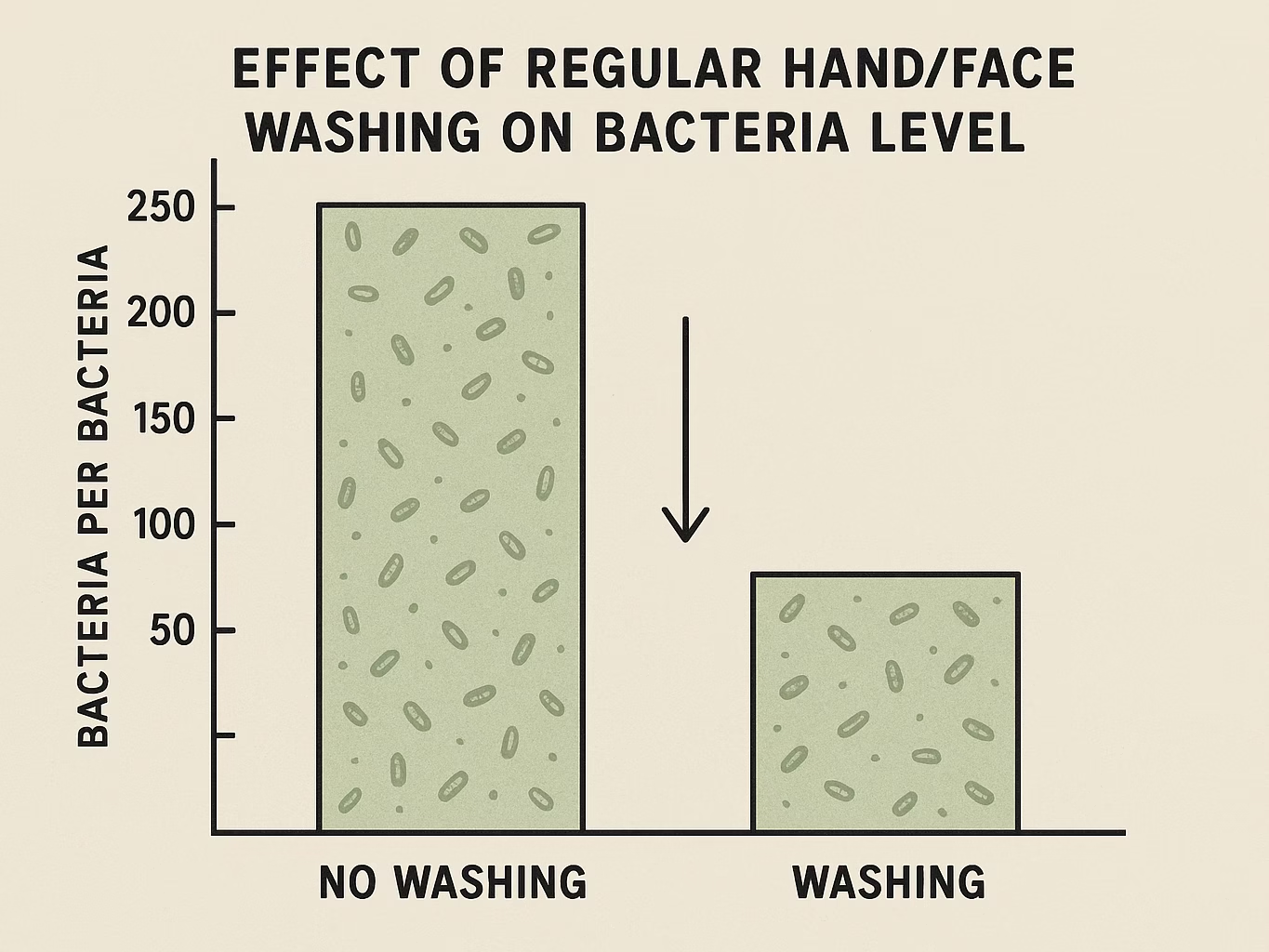
Research in health sciences increasingly supports the physical benefits of wudu. Studies highlight how regular ablution lowers microbial load on the skin, reduces risks of infections, and supports personal hygiene practices. Wudu has also been linked with preventive health measures, aligning Islamic practices with global hygiene standards.
Conclusion
Wudu is much more than a ritual cleansing before prayer—it is a comprehensive hygiene practice that benefits the body, mind, and community. By cleansing the skin, improving circulation, preventing illness, and supporting mental clarity, wudu demonstrates the wisdom behind Islamic teachings on cleanliness. In an era where public health is increasingly valued, wudu stands out as both a spiritual duty and a timeless health practice that benefits everyone.
For mosques, hotels, or workplaces planning to create inclusive facilities, choosing the right wudu basin design is essential. Check this:The Ultimate Buyer’s Guide to Wudu Basins for Mosques
FAQ
Q1: How does wudu improve personal hygiene?
A1: Wudu requires washing the face, hands, arms, and feet several times daily, which removes dirt, bacteria, and impurities, helping maintain overall cleanliness.
Q2: Does wudu have proven health benefits?
A2: Yes. Studies show that frequent washing reduces the spread of germs, prevents infections, improves circulation, and supports oral and nasal hygiene.
Q3: Can wudu help with mental health?
A3: Performing wudu offers a calming effect, reduces stress, and creates a mental reset during the day, improving focus and emotional balance.
Q4: Why is rinsing the mouth and nose during wudu important?
A4: Mouth rinsing reduces bad breath and supports oral health, while cleaning the nose removes dust and pathogens, lowering the risk of respiratory issues.
Q5: How does wudu benefit feet health?
A5: Washing the feet during wudu prevents fungal infections, odors, and other foot problems, keeping them healthy and fresh even in hot climates.