Introduction
In Islam, water is a sacred element—essential to both physical cleanliness and spiritual purity. The act of wudu (ablution) reflects this dual meaning: it is a daily ritual that connects hygiene with faith. Yet, as global water scarcity intensifies, mosques and public prayer facilities are rethinking how wudu spaces are designed. The 21st century calls for water-saving innovations that preserve both environmental resources and the dignity of religious practice.
This article explores how modern wudu facilities integrate smart engineering, material science, and sustainable design to reduce consumption while enhancing comfort and hygiene.

The Challenge: Balancing Faith and Sustainability
Traditional wudu areas, particularly in large mosques, can consume hundreds of liters of water per day. The problem is not wudu itself—it’s inefficiency. Leaky faucets, uncontrolled water flow, and poor drainage often lead to waste.
From an Islamic perspective, this contradicts the Prophet Muhammad’s guidance:
“Do not waste water, even if you are performing ablution beside a flowing river.”
Thus, sustainability is not only an environmental responsibility but also a religious duty. The goal of modern design is to optimize every drop without altering the sacred ritual.
Smart Faucets and Sensor-Based Systems
Motion-Controlled Water Flow
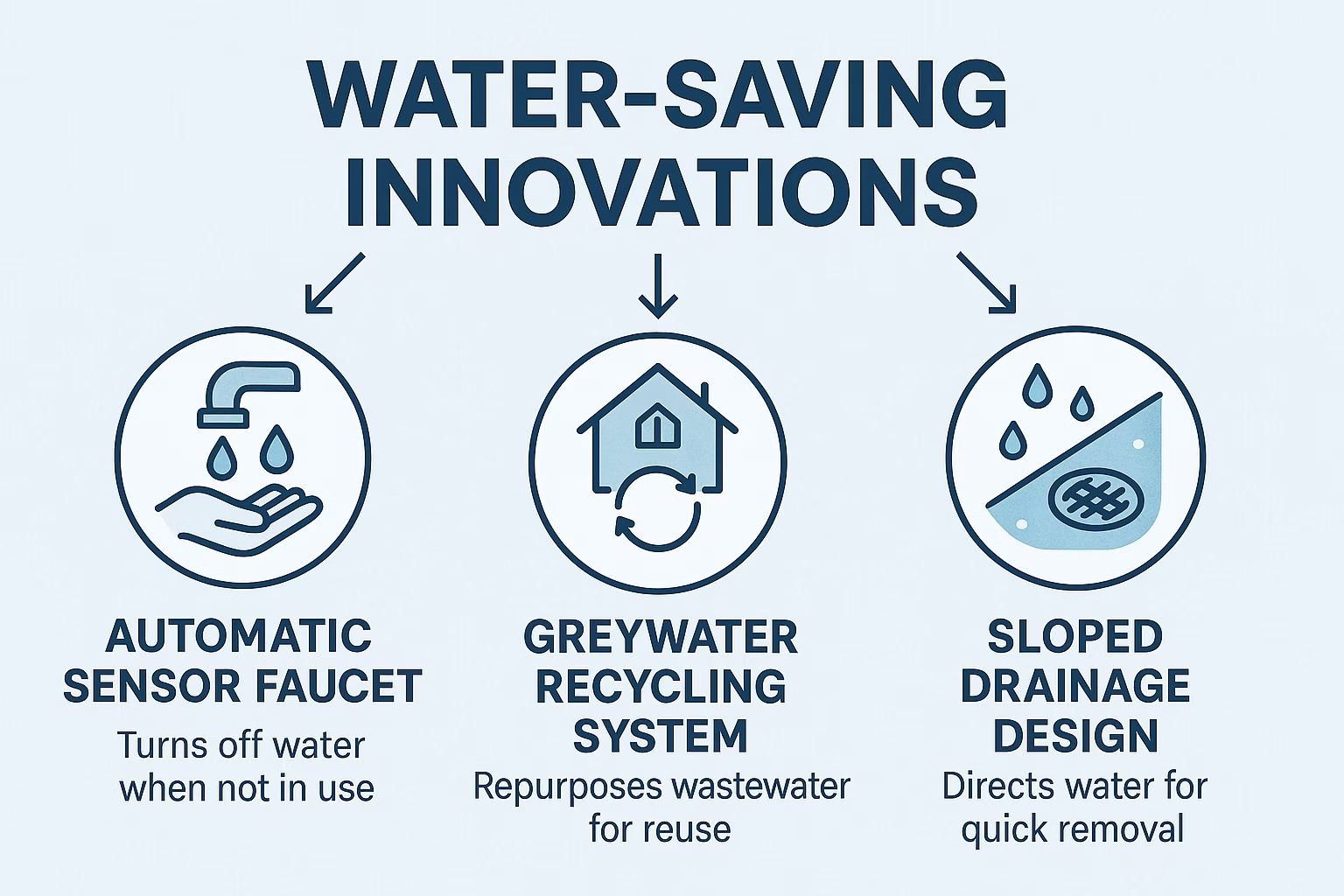
The most effective innovation in wudu facility design is sensor-based automation. Infrared or motion-detection faucets automatically start and stop water flow, minimizing waste while maintaining ease of use.
Advantages include:
- Reduced contact surfaces: Enhances hygiene and lowers contamination risk.
- Automatic shut-off: Prevents water from running when not in use.
- User comfort: Provides consistent temperature and pressure control.
👉 See related: The Future of Smart Wudu Facilities: Sensors, Hygiene, and Automation.
Flow-Rate Regulation
Many facilities now use aerators and flow restrictors to limit discharge to around 2 liters per minute, compared to 10 liters in conventional taps. These simple attachments can save up to 80% of total consumption without compromising performance.
Water Recycling and Reuse Systems
Greywater Reclamation
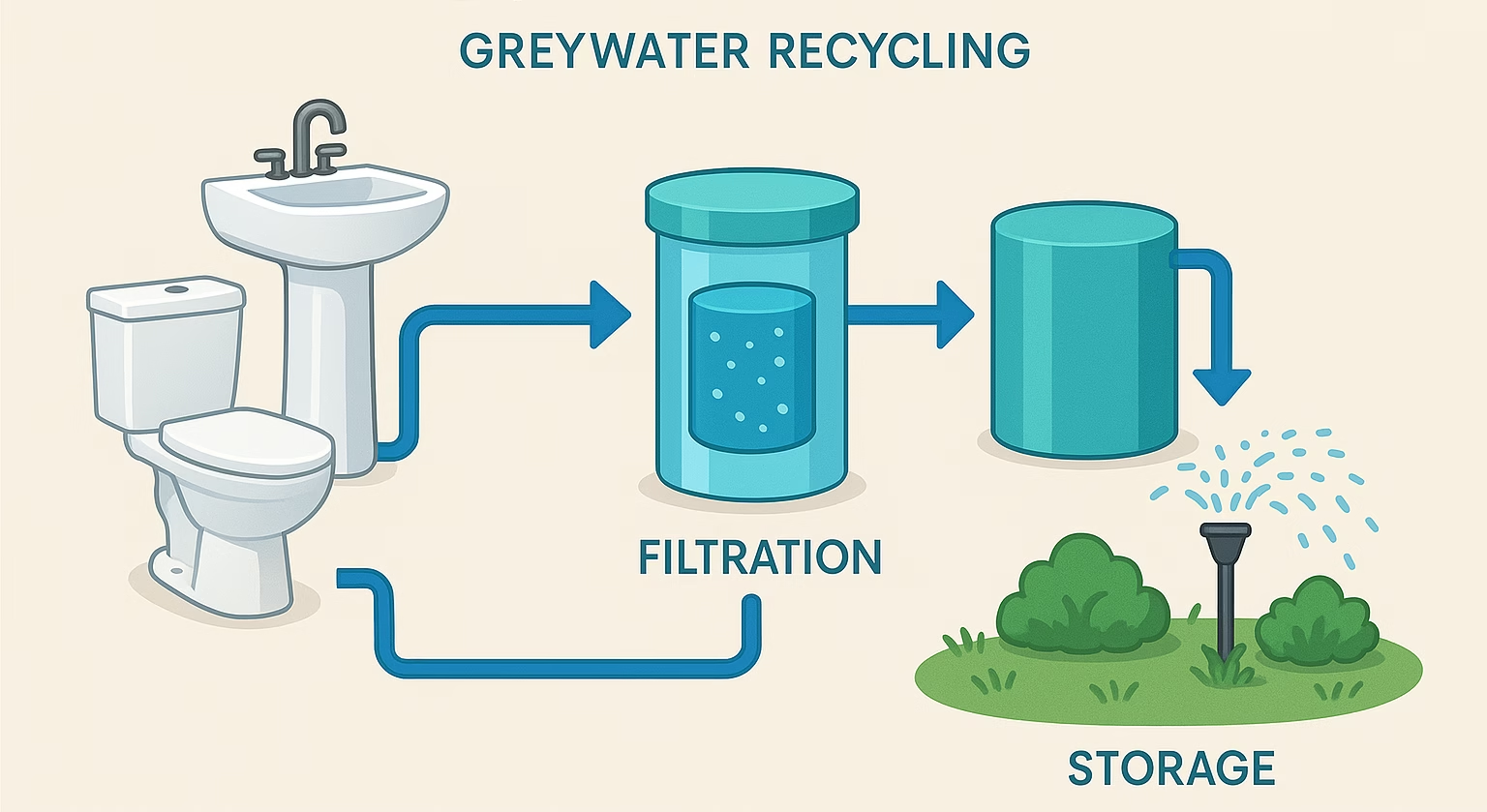
In high-traffic mosques and public buildings, greywater recycling captures used ablution water and filters it for secondary uses, such as flushing toilets or irrigation.
- Filtration systems remove soap and impurities.
- Storage tanks regulate volume and safety.
- Monitoring controls ensure hygiene compliance.
This approach, already implemented in eco-conscious mosques in the UAE and Malaysia, demonstrates how technology and faith can collaborate for conservation.
Rainwater Harvesting
In new construction projects, rainwater collection systems can supplement wudu water supplies. Collected rainwater, once filtered, becomes a renewable source for ablution, reducing dependency on municipal systems.
Material and Fixture Innovations
Solid Surface Wudu Basins
Materials play a crucial role in sustainability. Solid surface basins offer seamless design, durability, and easy maintenance—limiting long-term replacement waste. Their non-porous structure prevents leakage and bacterial growth, extending lifespan and reducing cleaning frequency.
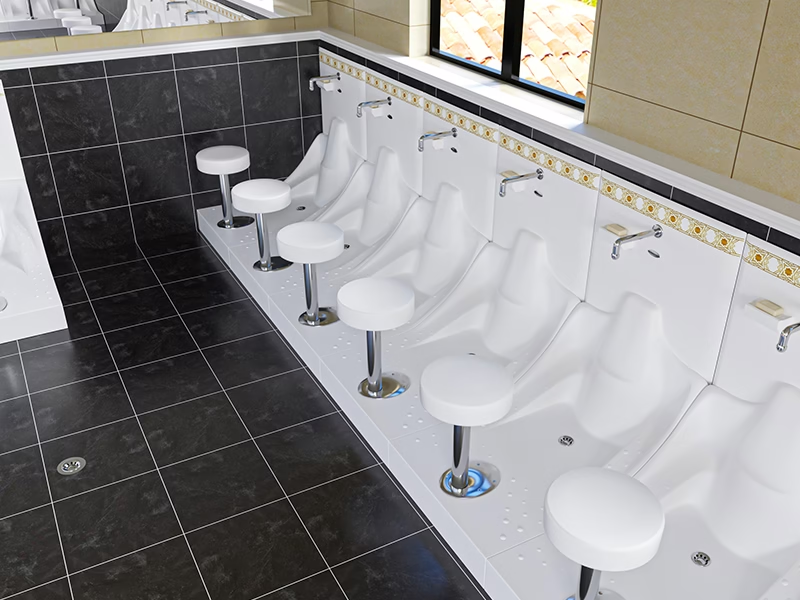
👉 Read more: Why Solid Surface is the Best Material for Wudu Basins.
Modular Compact Designs
Modern compact wudu stations allow for water-efficient usage in small spaces, using internal drainage channels to recycle and redirect water flow. They are ideal for multi-faith environments and public facilities with limited space.
👉 Related: Designing Wudu Spaces for Multi-Faith Environments.
Smart Monitoring and Maintenance
Smart IoT-based monitoring systems now help facility managers track real-time water consumption. These platforms detect leaks, measure user patterns, and automatically adjust water delivery schedules.
For example:
- Smart meters provide daily water-use analytics.
- Maintenance alerts flag irregular consumption or leaks.
- Predictive systems reduce long-term operating costs.
This data-driven approach ensures sustainability while enhancing transparency and accountability within religious institutions.
Integrating Design with Spiritual Experience
A water-saving facility should never feel mechanical. The design must preserve spiritual tranquility and ritual flow. Architects achieve this balance through:
- Quiet, sensor-based fixtures that maintain serenity.
- Soft lighting and natural materials that evoke purity.
- Controlled temperature and ergonomic seating for comfort.
When sustainability is woven into the design language, conservation itself becomes an act of worship — a reflection of gratitude for divine resources.
Conclusion
Water-saving innovations in wudu facility design represent more than technological progress — they symbolize the harmony between faith and sustainability. From sensor automation and greywater recycling to solid surface materials and modular architecture, every advancement contributes to the sacred duty of stewardship (khilafah).
As the world faces mounting environmental challenges, these innovations prove that even in ritual, Muslims can lead by example — purifying not just the body, but the planet itself.
👉 Explore modern, eco-friendly wudu basin solutions designed for mosques, schools, and public facilities at WuduWashPro.com.
FAQ
1. How much water does a traditional wudu use?
Typically, manual wudu with running taps can consume 7–10 liters per person. With smart faucets, usage can be reduced to under 2 liters.
2. What is the most effective way to save water during wudu?
Installing motion-sensor faucets and flow restrictors significantly reduces waste without changing the ritual process.
3. Can wudu water be reused?
Yes. Filtered greywater from wudu can be reused for non-potable applications such as toilet flushing or landscaping.
4. Are water-saving wudu facilities expensive to install?
While initial costs are higher, the long-term savings on water bills and maintenance make them highly cost-effective.
5. Does using less water affect the validity of wudu?
No. Islamic teachings emphasize using water wisely. Reducing waste does not compromise the validity of the ritual as long as all required parts are washed properly.