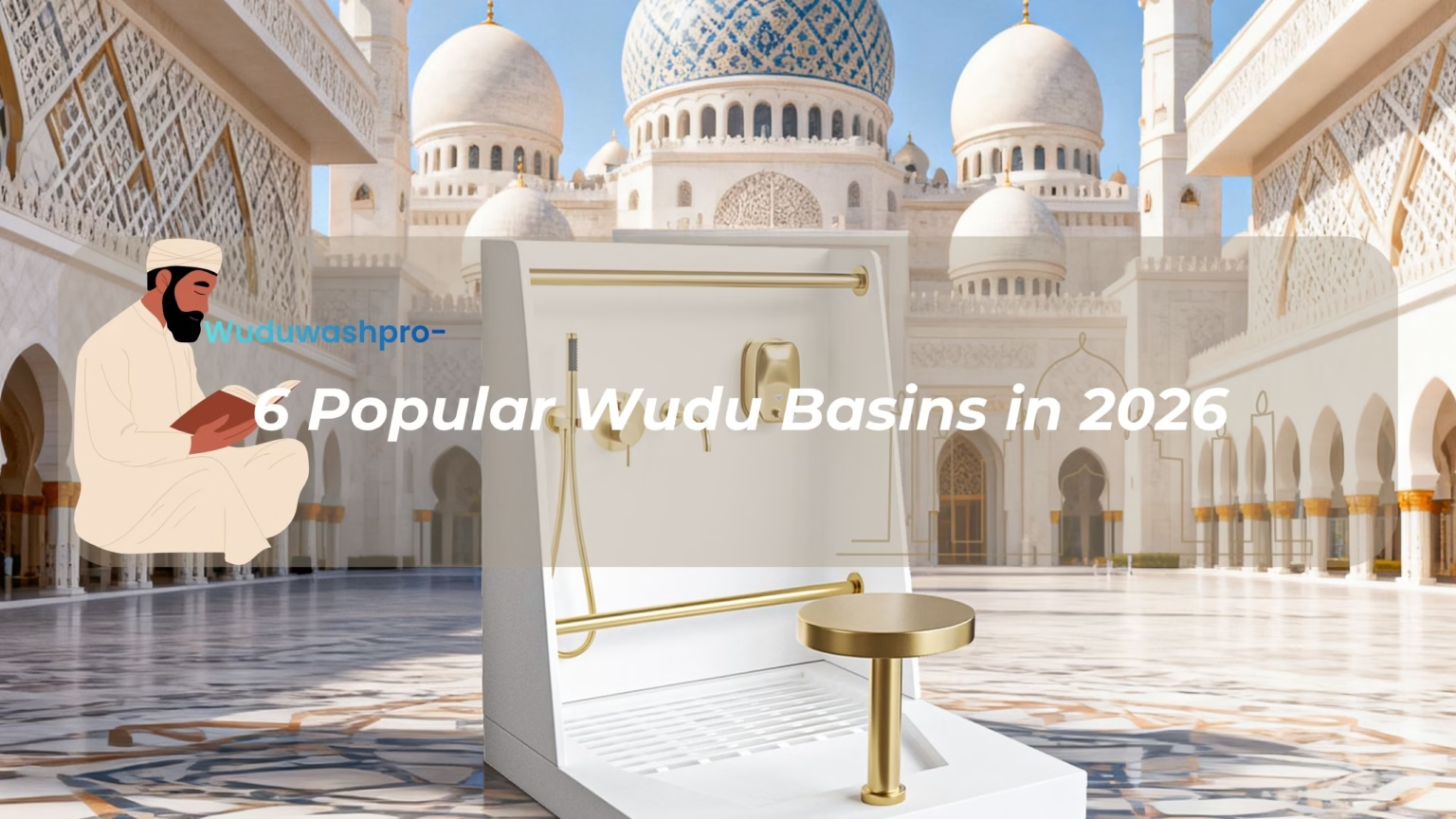
The best basin for wudu depends on where and how it will be used. A basin suitable for a private home may not perform well in a mosque where hundreds of worshippers perform wudu daily. The most effective wudu basins are designed to support seated foot washing, control water splash, and withstand continuous moisture and heavy use.
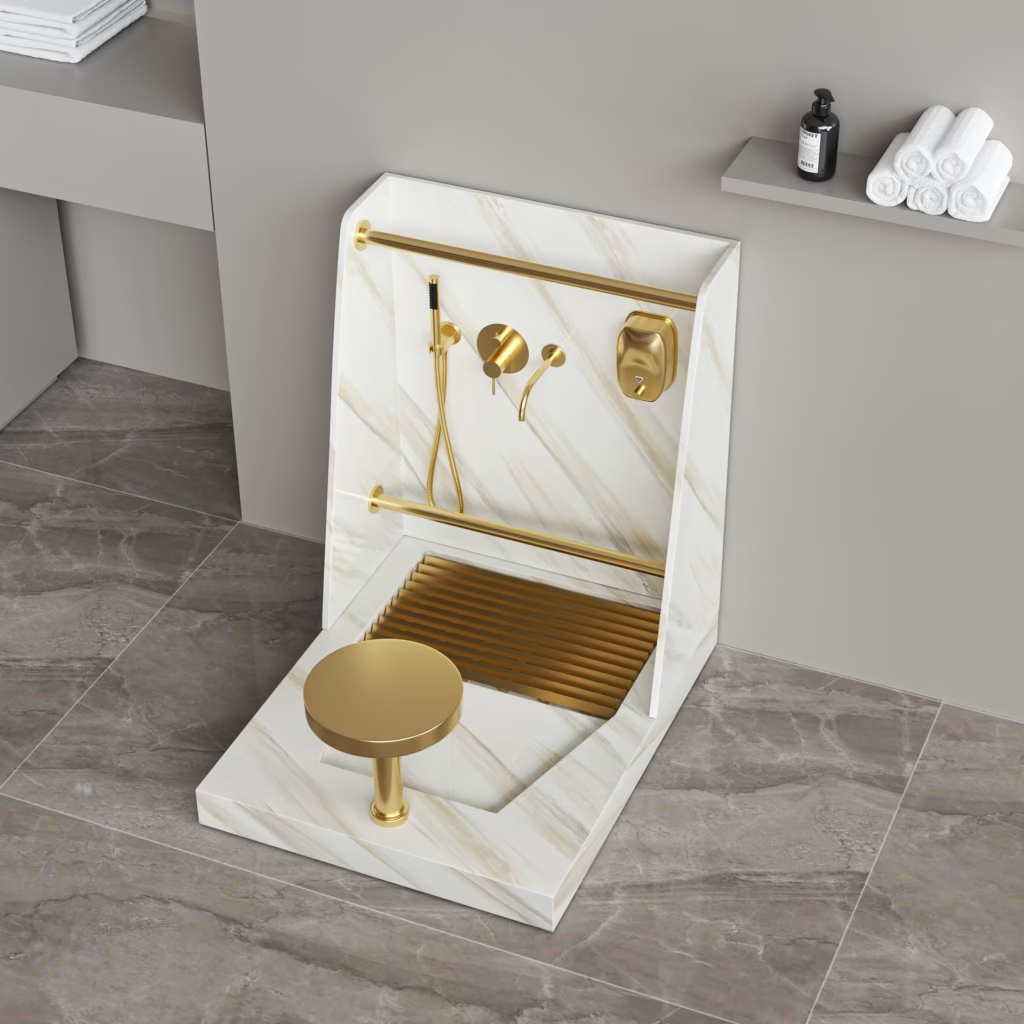
One wash basin is typically shared by two or more people in home settings. But the very same wash basin in mosques and public facilities is expected to be used frequently and to handle the situation of multiple people using the space at the same time.
Based on the location of use, the advantages and disadvantages of basins need to be evaluated in order to identify which basin is most suitable for wudu.
The “Best” Basin Depends on Context
The concept of the “best” basin becomes meaningful only when the conditions of use are defined. A basin that functions correctly at a single-family dwelling may not function appropriately as a basin that is used to wash by hundreds of people each day at a mosque.
The suitability of a basin is generally determined by three factors:
- Usage frequency: The number of times per day that a basin will be used at home is relatively low, while at a mosque, it is used hundreds of times.
- User Group Size: A communal environment means many basins must be working at once without disturbing each other.
- Install Environment: A dedicated wudu area requires a drainage system, a place to sit, and wet floor conditions. Standard bathroom fixtures cannot be used in these conditions.
Because these factors vary widely between locations, the most appropriate basin design changes accordingly.
Commercial vs Residential Wudu Basins
Residential and commercial wudu environments operate under very different conditions. This difference significantly affects basin design.
Residential Wudu Basins
In most houses, the act of performing wudu occurs in the standard bathroom sink. There is enough predictability and consistency to provide reasonable water usage volumes. Normally, only one or two persons will complete wudu at a given time, and the basin would normally be cleaned in the regular course of house cleaning activities.
The characteristics residential basins have in common are:
- Smaller dimensions
- Limited splash control
- Standard plumbing alignment
- Basic ceramic construction
While these basins work well for infrequent household use, they are not suitable for communal washing environments.
Commercial or Mosque Wudu Basins
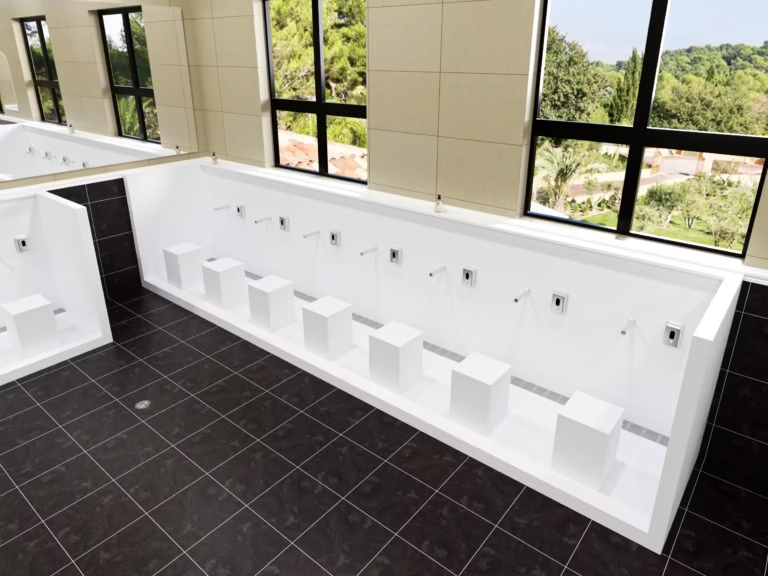
Mosque environments introduce entirely different operational demands. Worshippers may arrive in large numbers within a short period before prayer. Multiple users must access the wash area simultaneously while maintaining safe movement and controlled water flow.
As a result, commercial wudu basins typically incorporate:
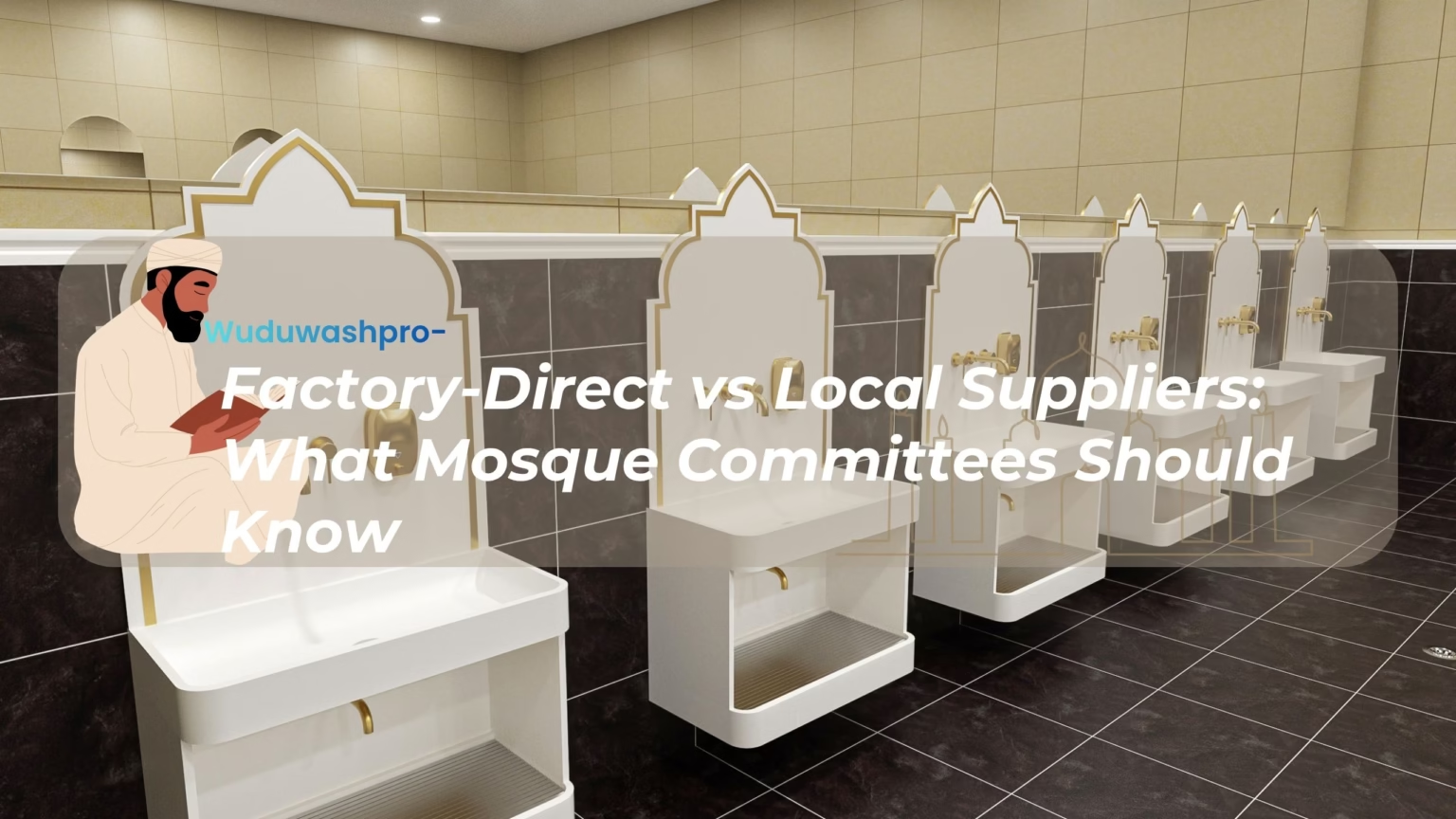
- Integrated seating for foot washing
- Larger basin geometry to contain water
- Reinforced structures to handle frequent contact
- Layout compatibility with drainage systems
The difference is not cosmetic but functional. Commercial wash basins are built to withstand repeated use cycles as well as continued maintenance of hygiene within a shared environment.
Material Comparison for Wudu Basins
Material choice plays a central role in basin performance. Different materials respond differently to moisture exposure, cleaning chemicals, and physical contact.
| Material | Advantages | Limitations |
| Ceramic | Widely available, familiar appearance, relatively affordable | Can chip at edges, porous glazing may stain over time |
| Stainless Steel | Durable and resistant to impact, hygienic surface | Can feel cold to touch, may show water marks easily |
| Solid Surface | Non-porous, seamless construction, easy to clean | Higher initial cost |
Ceramic basins have been commonly used in mosques for a long period. However, ceramic edges may chip under heavy contact in high-traffic environments.
Stainless steel is a good option for basins in mosques. It is strong and can withstand impacts. However, its use in mosques is affected by aesthetics and comfort.
In modern mosque projects, solid surface materials are increasingly specified for commercial wudu basins. Solid surface wudu basins have been recognized in modern basin design in mosques. They are non-porous and seamless. This means that fewer parts make cleaning much easier.
Basin Geometry and Splash Control
Beyond material selection, basin geometry plays an important role in determining how effectively a wudu basin performs in real use. The shape and depth of the basin influence how water behaves during foot washing and how well splash can be contained within the washing zone.
In mosque environments where multiple users perform wudu simultaneously, uncontrolled splash can spread moisture into circulation paths and create safety risks. Proper basin geometry helps limit water movement and improves overall hygiene control.
Key geometric considerations include:
Basin depth
Deeper basins help contain water when worshippers wash their feet. Shallow basins may allow water to splash outward onto surrounding floors.
Edge design
Rounded or raised edges reduce outward water movement and help guide water back toward the basin interior.
Foot washing clearance
Adequate space within the basin allows users to wash comfortably without striking basin walls or forcing water outward.
Alignment with seating position
When basins are used in seated configurations, the basin height and distance from the seat must support natural posture and stable movement.
Well-designed basin geometry reduces splash, improves drainage efficiency, and supports safer movement within wudu areas. For high-traffic mosque environments, geometry often influences performance as much as material selection.
Durability Factors That Determine Basin Performance
Basin durability depends on how well the design withstands repeated use in wet environments.
Edge Strength
The edges of a basin experience repeated contact during foot washing. People stand on their feet when using a basin. However, people stand close to the basin edge to maintain their balance. Thin basin edges can chip when people stand on them.
Resistance to Moisture Exposure
Wudu areas operate in consistently wet conditions. Basins should be able to withstand water contact. However, some basin materials can absorb moisture and cause staining.
Structural Stability
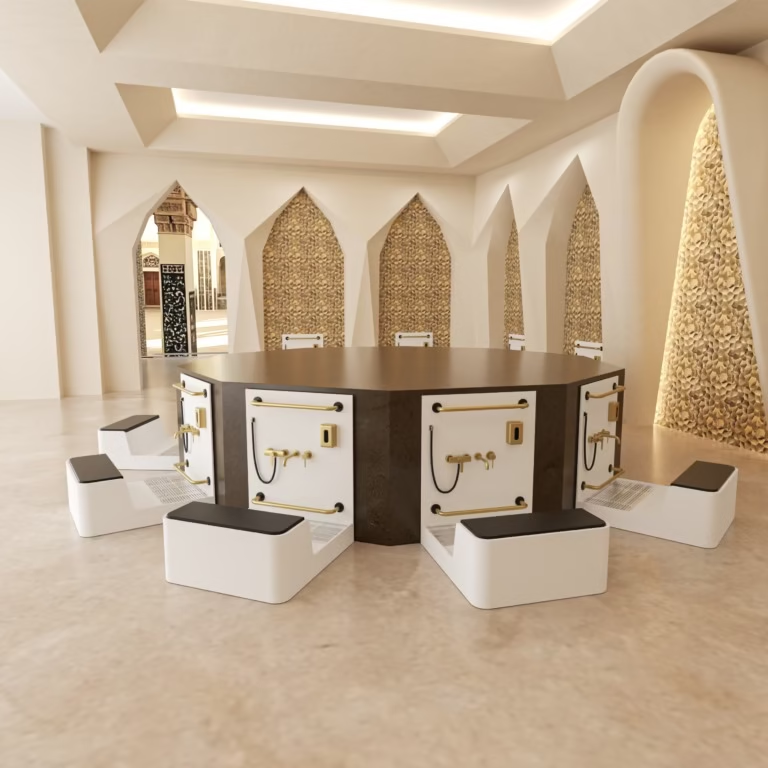
Many wudu basins include seating elements or integrated supports. These elements must be able to hold weight while remaining aligned with drainage outlets.
Durability is a critical concern, especially if a single basin will be used thousands of times a month, such as in a mosque.
Maintenance Considerations
Maintenance requirements can be a good indicator of a basin’s usability for public bathers. The ideal basin will not only be durable but also easy to clean and maintain on a daily basis.
There are a number of maintenance considerations to take into account when selecting a basin for a mosque.
Cleanability
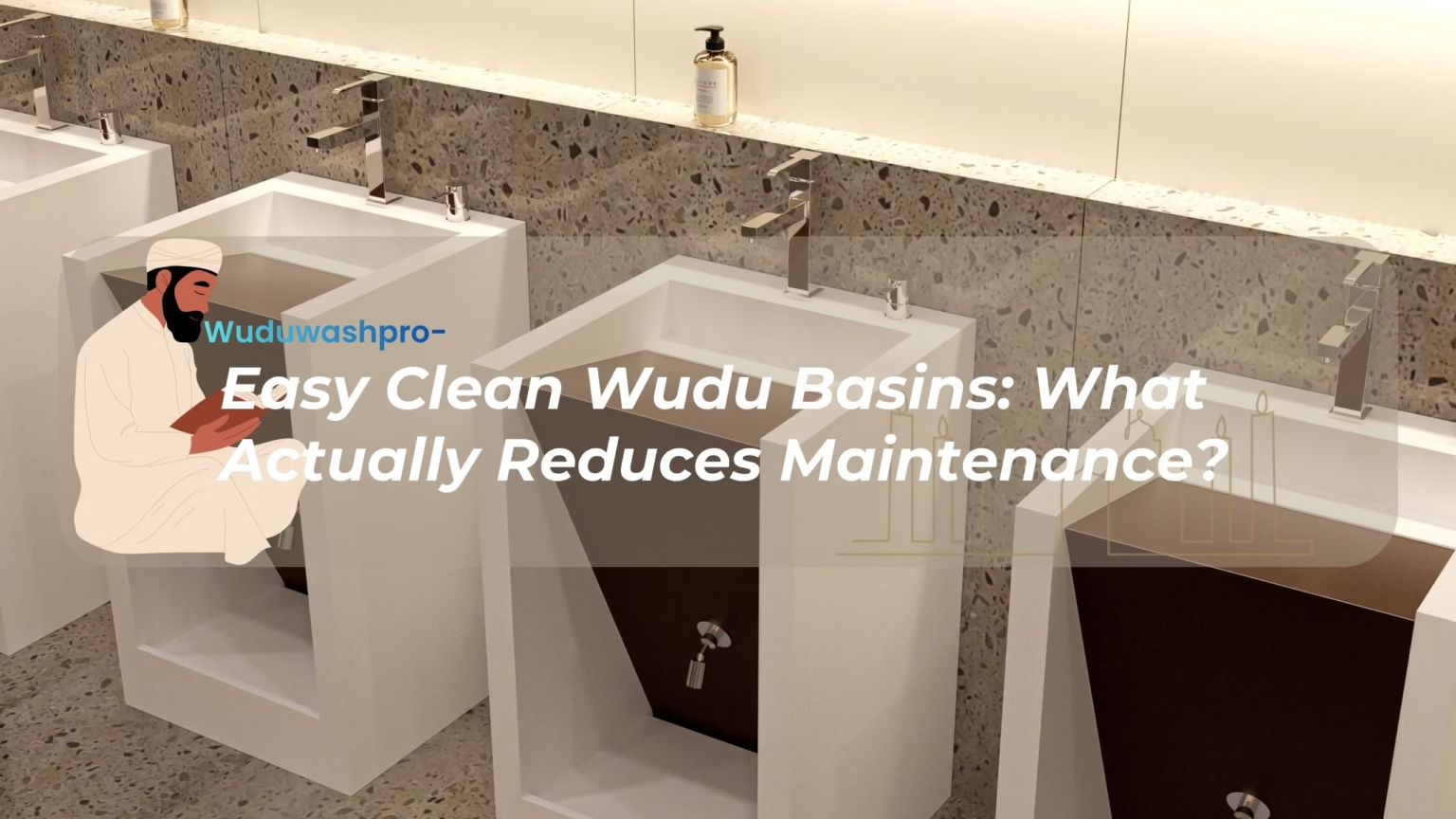
A smooth, non-porous surface can greatly reduce maintenance requirements since it prevents dirt, soap residue, and moisture from collecting on the surface. In a high-usage wudu area, water splashes onto the surface frequently, and tiny debris can collect around the edges and joints of a basin. If a basin has a large number of seams or a rugged transition between different surfaces, these areas can become maintenance nightmares.
Basins with minimal joints and surfaces enable easy cleaning by removing residue with routine wiping rather than scrubbing. This improves hygiene consistency and minimizes daily labor. In communal wash areas, it is essential to clean surfaces frequently, especially if they must be cleaned multiple times a day. This is because surfaces that are easy to clean enable the maintenance of both the appearance and hygiene of the wash area.
Chemical Resistance
Communal wash areas need different cleaning products, such as disinfectants and antibacterial products. These products play a key role in hygiene maintenance as the areas get wet very often. Nevertheless, some materials eventually get damaged by these products. Basins made of materials resistant to chemicals can still look good and be hygienic after very long usage.
Chemically-sensitive surfaces may be damaged by fading and by the removal of their protective layer. Eventually, they can be a problem to clean since they may easily get stained. Using materials with high chemical resistance can enable the maintenance of both appearance and hygiene.
Repairability
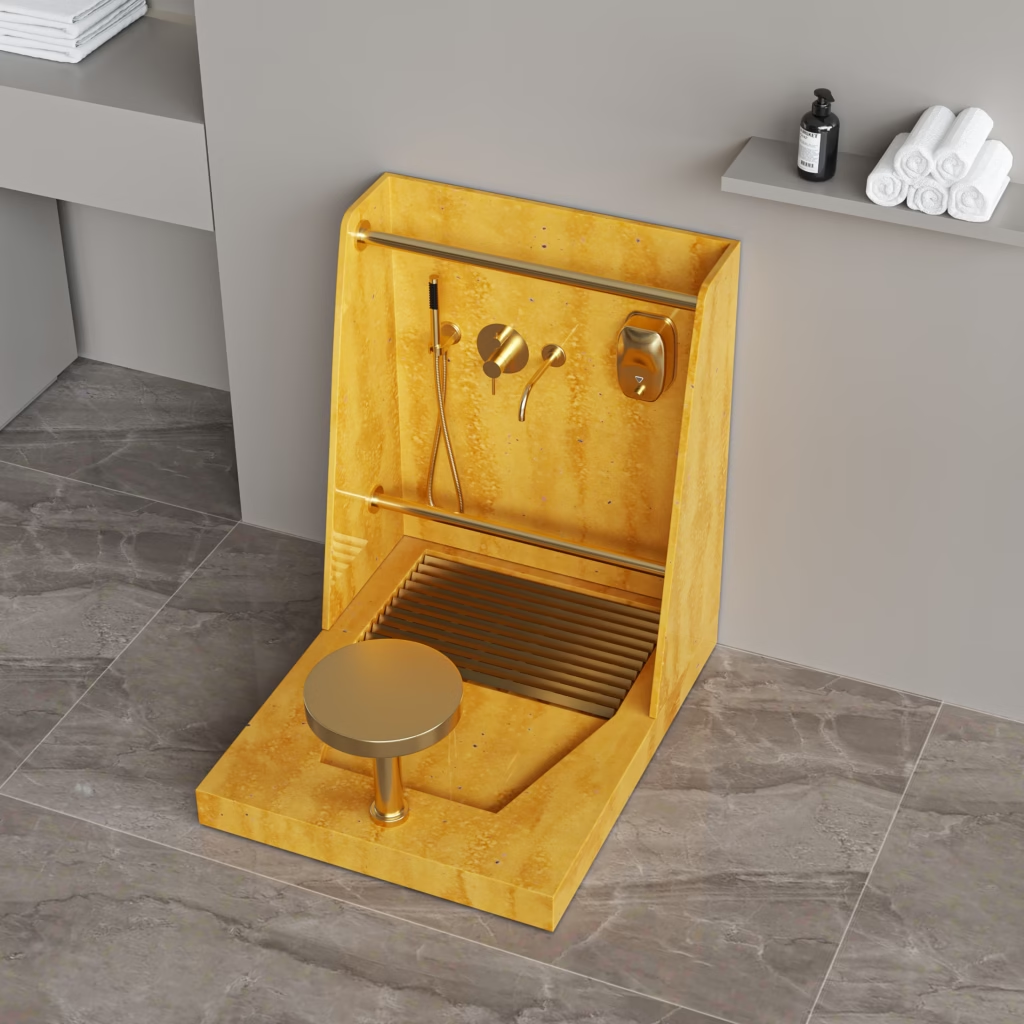
Some materials allow refinishing or localized repair if damage occurs. Others require complete replacement of the basin. The ability to make repairs can greatly reduce overall costs.
For instance, a solid surface basin can be refinished if scratches occur. However, a ceramic basin may have to be replaced if chipping occurs.
The planning process for maintenance can greatly affect which type of basin is best for a facility.
Lifecycle Cost Considerations
The initial cost of a basin is not always indicative of the overall cost of a basin. Facilities that only consider the initial costs of a basin may actually increase their costs in the long run.
Lifecycle cost generally includes three components:
- Installation Cost: The initial cost of a basin.
- Operational Cost: Cleaning costs, water management costs, and overall maintenance.
- Replacement Cost: The overall cost of replacing a basin when materials begin to degrade or become difficult to clean.
A basin that is initially more expensive may actually prove to be less expensive in the long run if fewer repairs are needed and less overall maintenance is required to keep a basin clean.
Planning for a facility in terms of long-term needs may consider basins that are long-lasting and easy to clean.
Select Wudu Basins Designed for High-Use Environments From WuduWashPro
In the end, the decision of which basin to choose for wudu comes down to which one is best suited over time. In mosque settings, basins need to support repeated daily washings, maintain the highest hygiene standards, and be highly resistant to dampness. The quality of materials, the shape of the basin, and the ease of cleaning are factors that will determine whether a washing area can still perform its functions efficiently even several years after installation.
WuduWashPro team collaborates with mosque committees, architects, and project planners to specify wudu basin systems that are up to the task in high-use environments. Through direct factory solid surface fabrication and with layouts designed for communal washing, basin design can match real operational needs.
Get in touch with the WuduWashPro team if you want to organize wudu basin spot installations that are very durable, hygienically manageable, and effective in the long run.