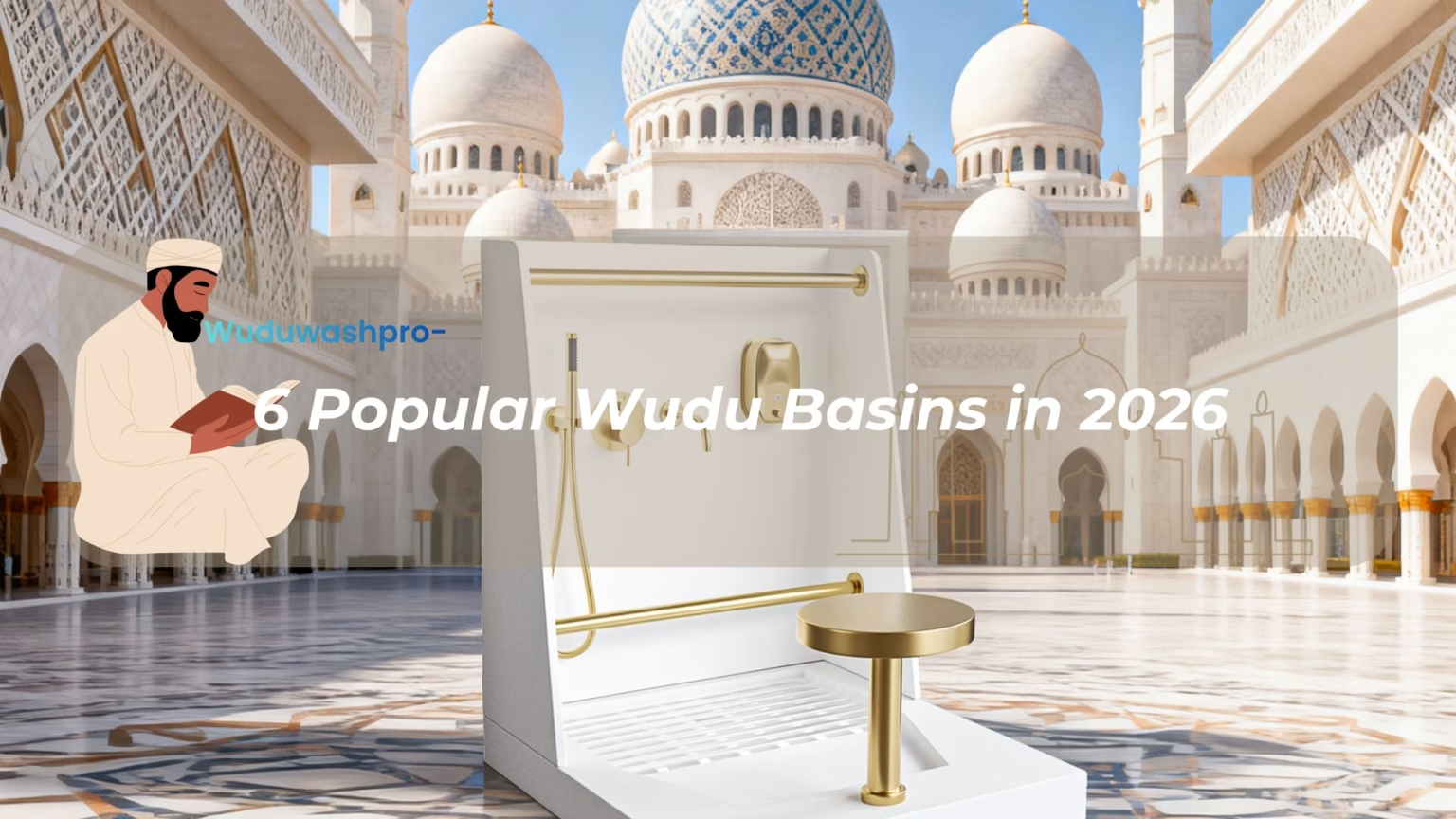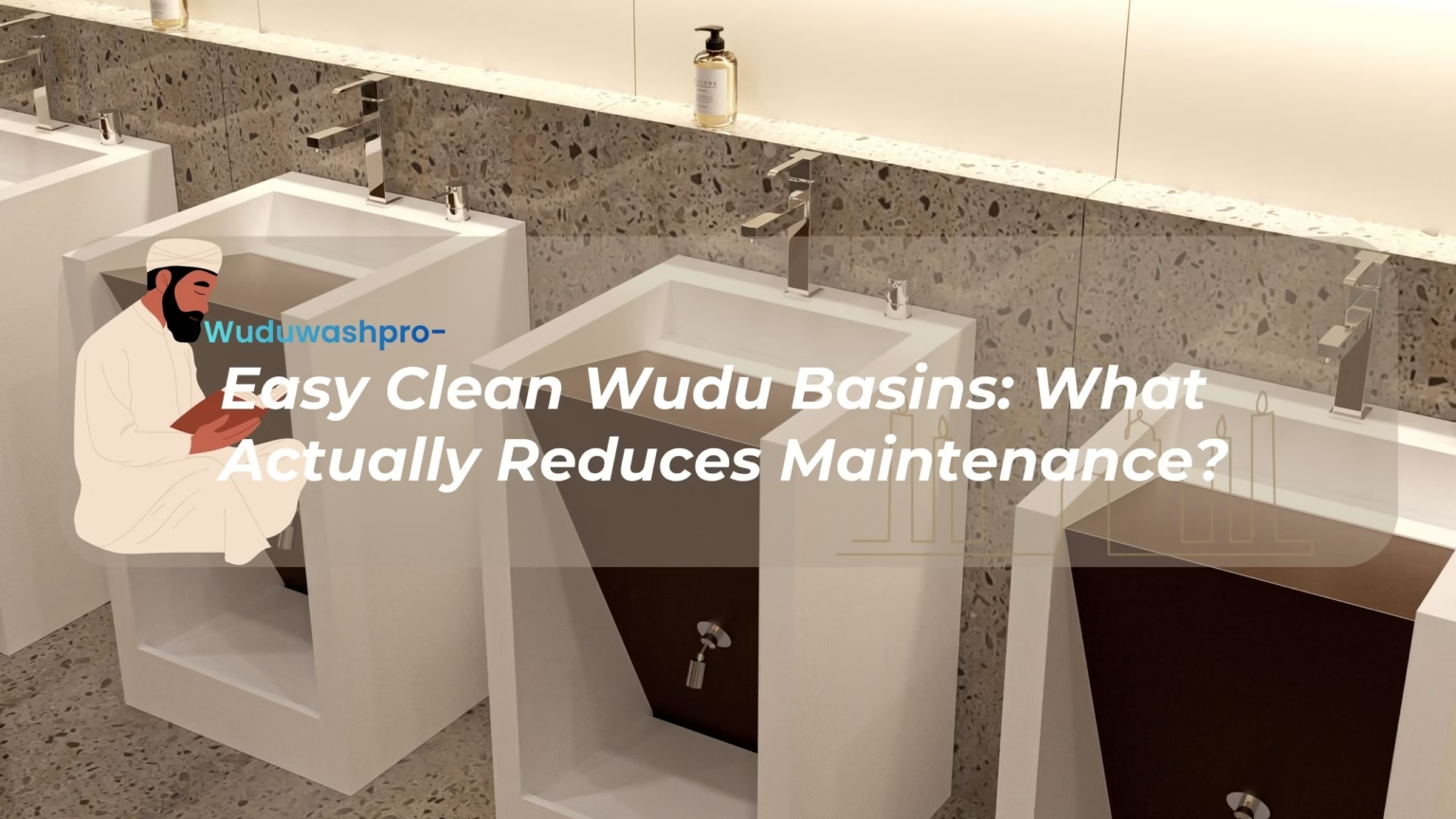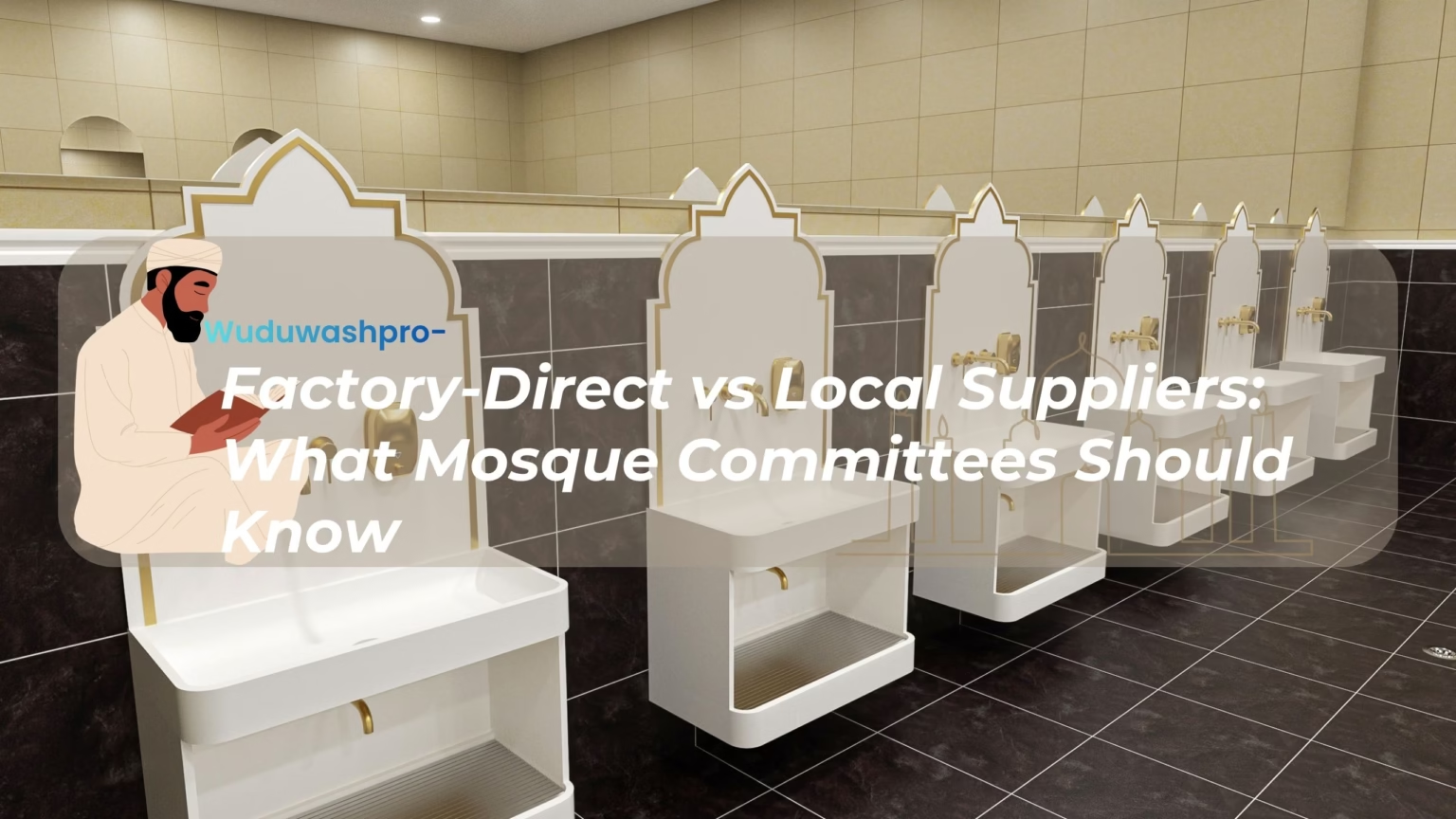
Performing wudu (ablution) is an essential act of purification in Islam, required before offering salah (prayer). A properly designed wudu basin or ablution sink helps Muslims carry out this ritual with ease, hygiene, and dignity. For mosques, Islamic centers, hotels, and even private homes, knowing the rules of wudu and how a basin can support them is crucial.
What Is a Wudu Basin or Ablution Sink?
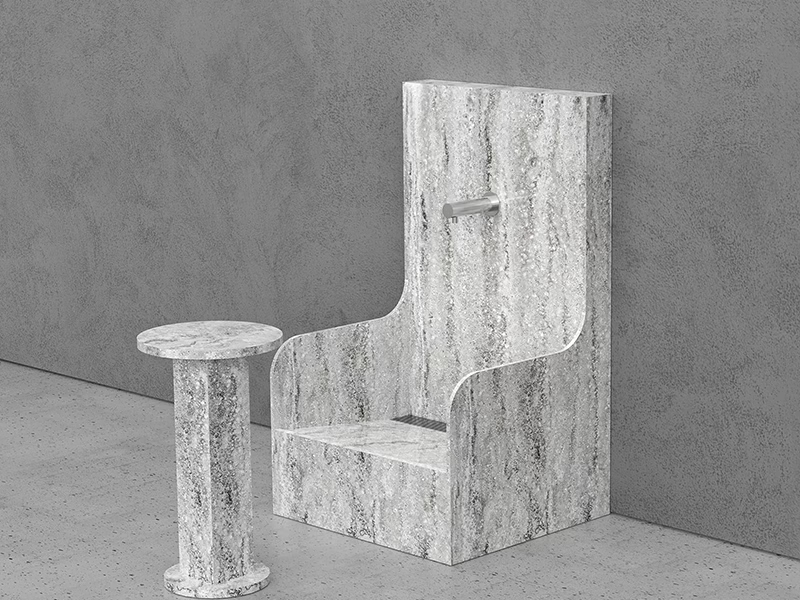
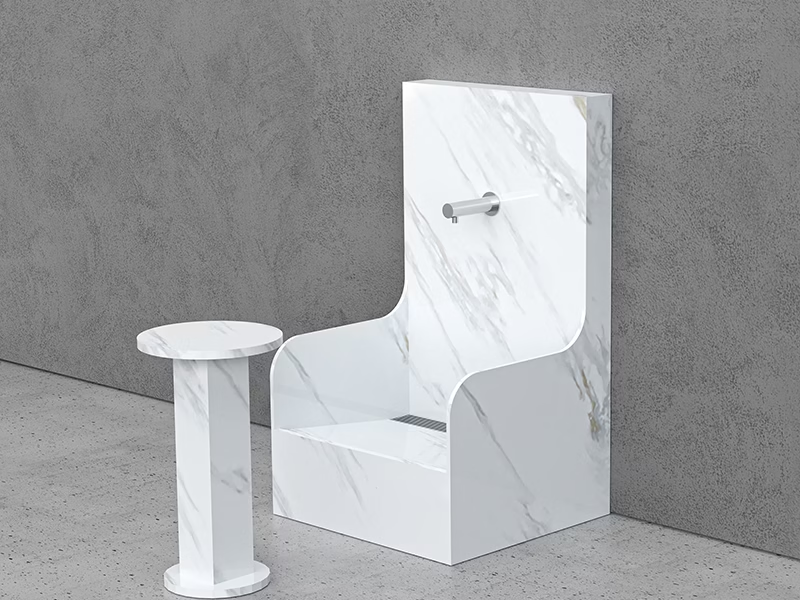
A wudu basin (also known as an ablution sink) is a specially designed fixture that allows Muslims to perform the washing ritual of wudu comfortably and hygienically. Unlike a standard washbasin, a wudu basin is built with features that accommodate washing the face, hands, arms, and feet without excessive splashing or strain.
Typical features include:
- Lower foot-washing area for ease of use.
- Sloped or anti-splash design to keep surroundings clean.
- Durable, non-porous materials such as solid surface or ceramic for hygiene.
- Wall-mounted or floor-mounted options for different spaces.
👉 Explore more about modern wudu basin designs on our website.
The Rules of Wudu in Islam
Before using a wudu basin, it is important to know the Islamic rules of ablution. These steps are derived from the Sunnah and are required before prayer:
- Make intention (niyyah) – purification for the sake of Allah.
- Wash hands – up to the wrists three times.
- Rinse the mouth three times.
- Rinse the nose – inhale water gently and expel it three times.
- Wash the face – from forehead to chin and ear to ear three times.
- Wash the arms – up to the elbows, starting with the right arm.
- Wipe the head once, including passing wet hands over the hair.
- Wipe the ears – inside and behind.
- Wash the feet – up to the ankles, beginning with the right foot.
A wudu basin ablution sink ensures these steps are done with comfort and without water spillage, especially when washing feet.
Why Use a Wudu Basin Instead of a Regular Sink?
Many Muslims face challenges when using a traditional sink for wudu: water splashes on the floor, awkward bending to wash feet, and lack of hygiene in public places. A dedicated ablution sink solves these issues by:
- Providing ergonomic design for both adults and children.
- Ensuring hygienic use with easy-to-clean materials.
- Offering safety features like anti-slip flooring and smooth edges.
- Allowing multiple installations in mosques or prayer rooms to accommodate crowds.
For hotels, airports, or workplaces, installing proper wudu facilities is a way of showing respect and inclusivity for Muslim guests and employees.
Designing a Wudu Basin for Islamic Spaces
When designing or choosing a wudu basin ablution sink, consider:
- Compliance with Islamic requirements (comfortable for washing hands, arms, and feet).
- Space efficiency – wall-mounted basins are ideal for smaller prayer areas.
- Durability – solid surface basins resist stains, mold, and cracks.
- Accessibility – options for children, elderly, and wheelchair users.
👉 Read also: Designing Inclusive Wudu Facilities in Hotels & Resorts.
FAQs About Wudu Basin Rules and Ablution Sinks
Q1: Can wudu be performed at a regular sink?
Yes, but a regular sink is not designed for foot washing, which often causes inconvenience. A wudu basin is more practical and hygienic.
Q2: Is it mandatory to have a special wudu basin in mosques?
Not mandatory, but highly recommended for cleanliness, safety, and to facilitate proper ablution for worshippers.
Q3: What material is best for a wudu basin?
Non-porous, durable materials like solid surface, ceramic, or stainless steel are ideal to prevent water damage and maintain hygiene.
Q4: Can wudu basins be customized for different spaces?
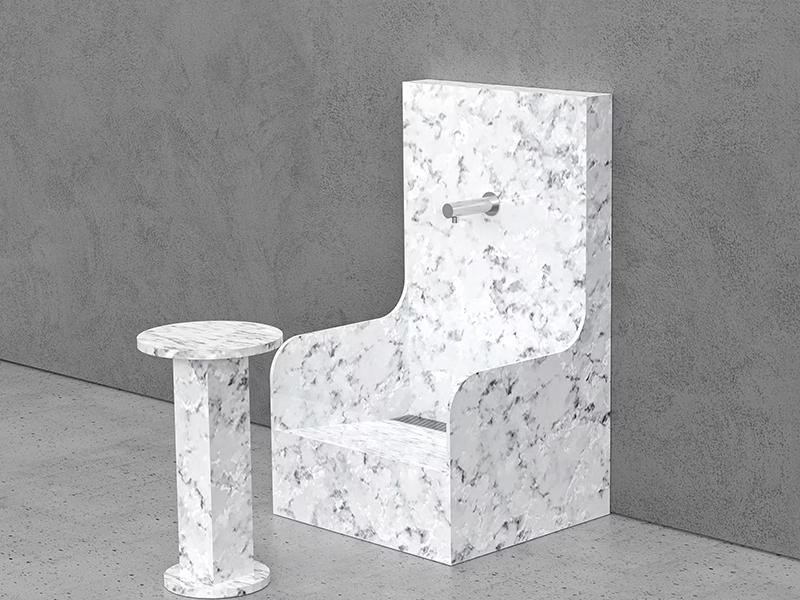
Yes, many manufacturers offer custom wudu basins in various sizes, shapes, and colors to suit mosques, hotels, or private homes.
Q5: Do wudu basins follow a universal design standard?
While no strict global standard exists, the design should respect Islamic rules of wudu, ensure accessibility, and provide a safe, hygienic environment.
Conclusion
Understanding the rules of wudu in Islam and choosing the right wudu basin ablution sink ensures Muslims can perform their ablution comfortably and with dignity. Whether for mosques, schools, hotels, or homes, investing in a well-designed ablution sink is not only practical but also a sign of respect for faith and tradition.
👉 Interested in modern, hygienic, and customizable wudu basins? Visit WuduWashPro.com to explore our full collection.