Introduction
For Muslims, wudu (ablution) is a vital act of purification before prayer. With the growth of mosques, schools, workplaces, and even hotels incorporating ablution facilities, wudu basins (also called ablution sinks) have become increasingly common. But what rules guide their use in Islam? This article explores the Islamic rulings, etiquette, and practical considerations around wudu basins.
What Is a Wudu Basin?
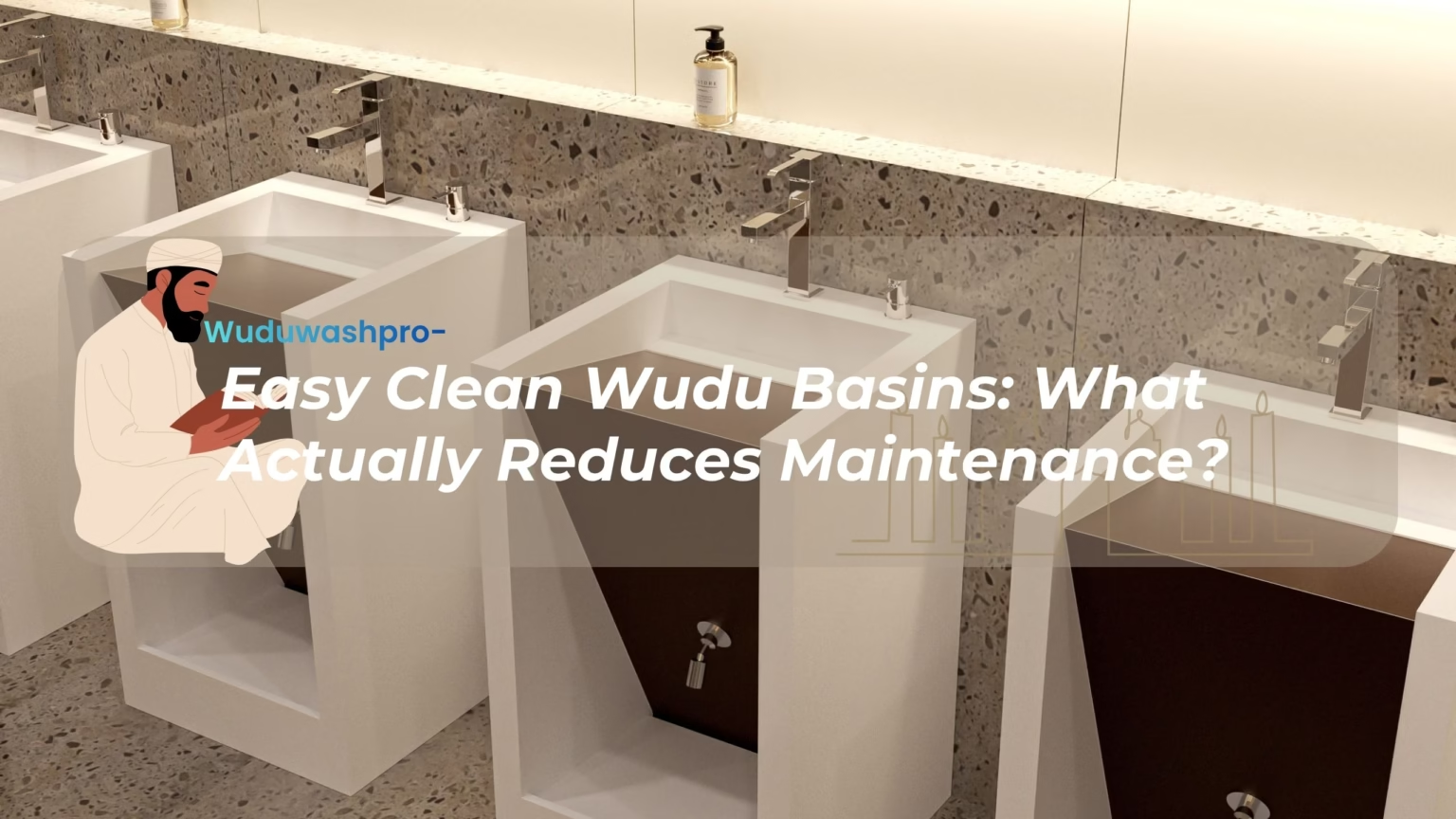
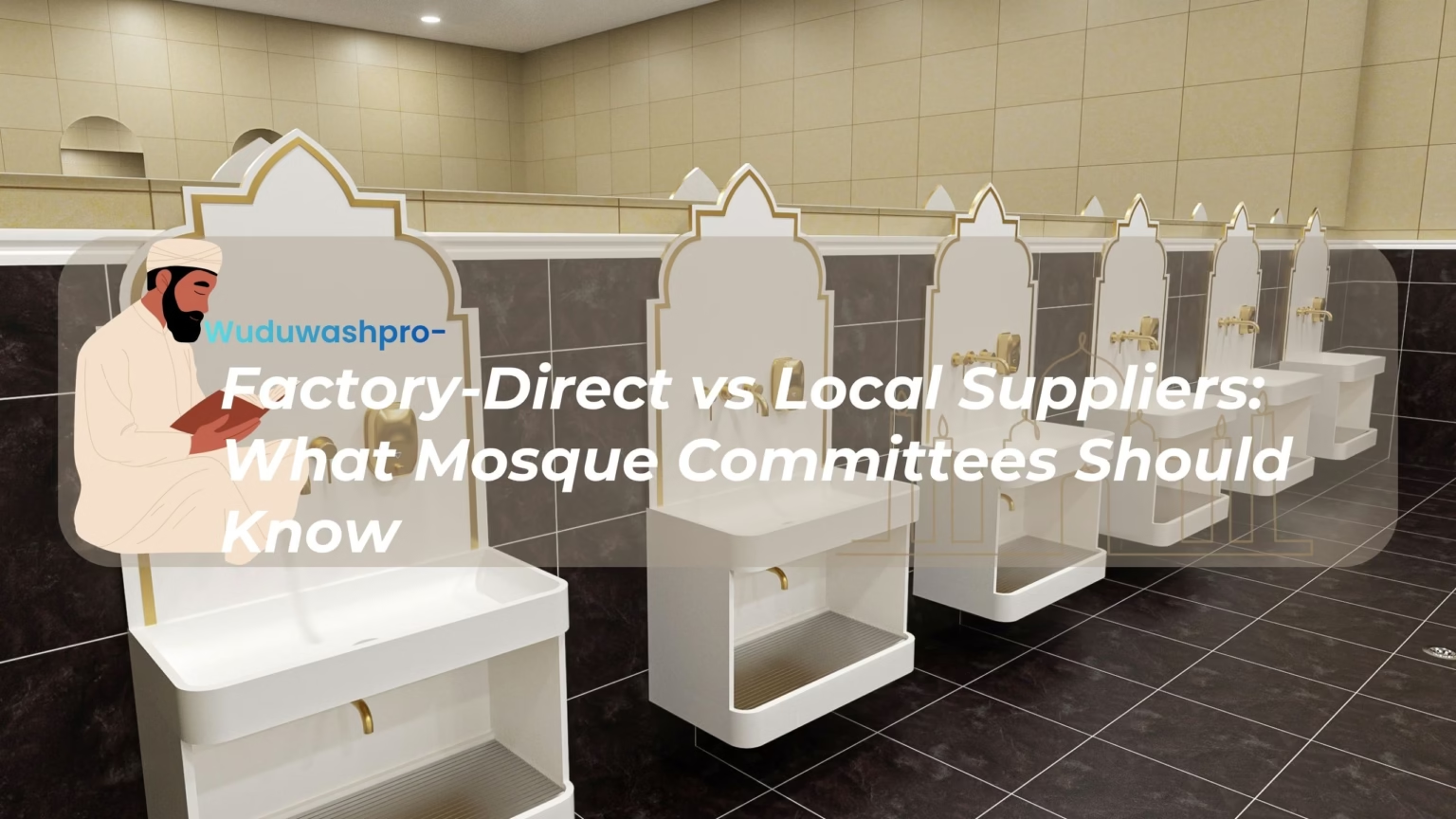
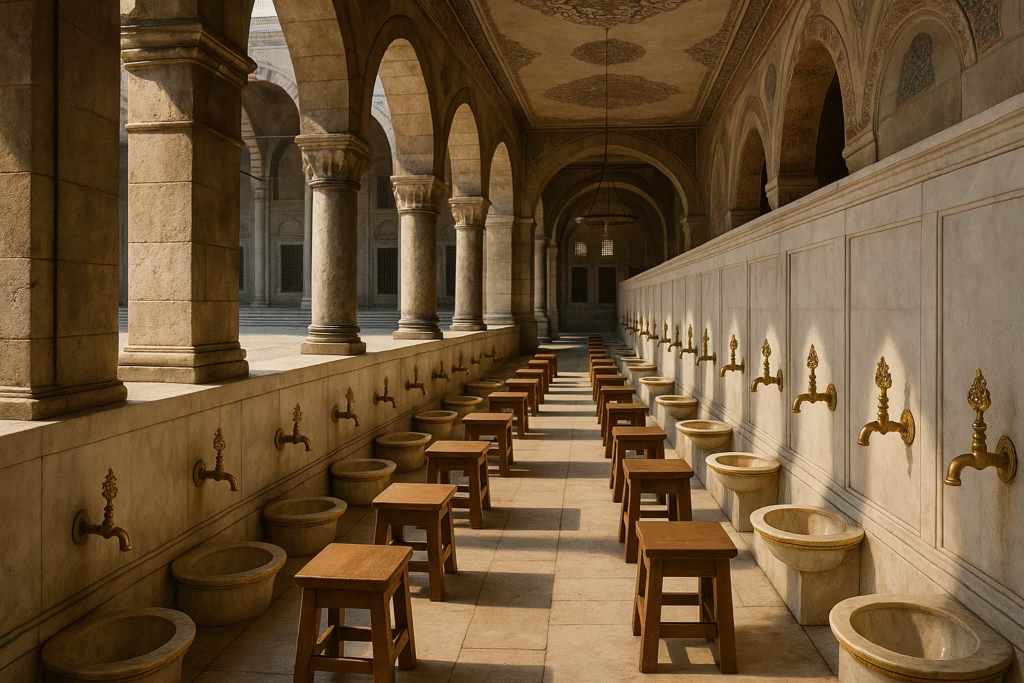
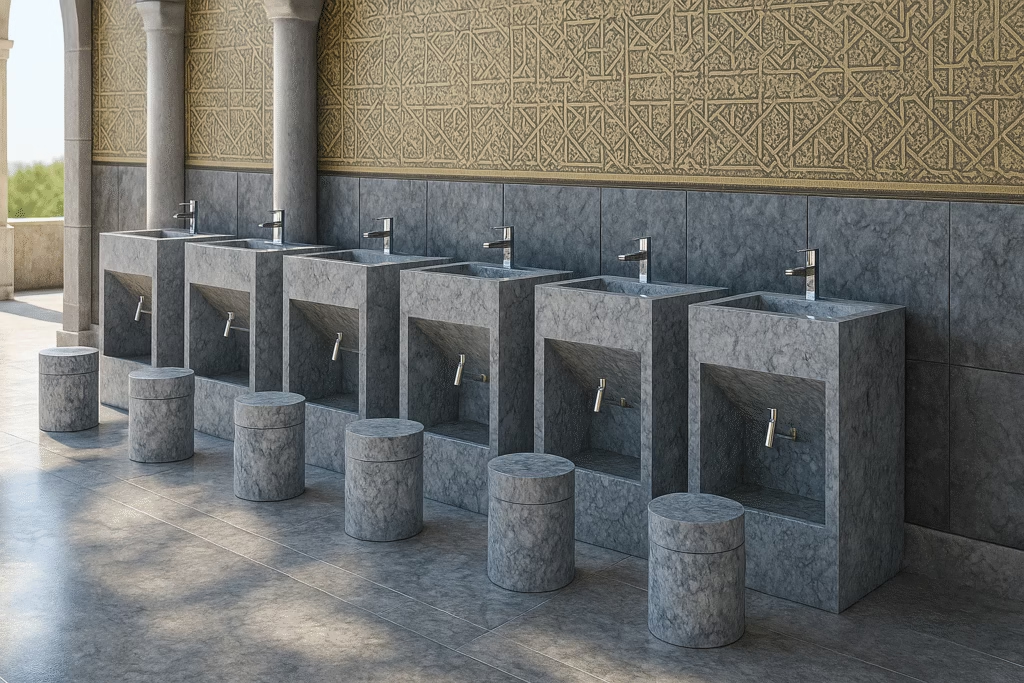
A wudu basin is a specially designed sink or trough used for performing ablution before salah. Unlike ordinary sinks, they are structured to accommodate both hand and foot washing, making them practical for daily prayer needs.
📖 Read more: What is a Wudu Basin?
The Role of Wudu in Islam
Wudu is not just a ritual—it is a requirement before salah. The Qur’an (Surah Al-Ma’idah 5:6) outlines the steps: washing the face, arms, wiping the head, and washing the feet.
- Spiritual Purpose: Ensures cleanliness before standing in front of Allah.
- Physical Benefit: Promotes hygiene and refreshes the body.
📖 Related reading: The Importance of Wudu in Daily Muslim Life
Core Rules of Using a Wudu Basin in Islam
1. Correct Intention (Niyyah)
Before beginning, one must form the intention to perform wudu for prayer. Simply washing hands or feet without niyyah does not fulfill the obligation.
2. Follow the Prescribed Order
Islamic wudu has a specific sequence:
- Wash face
- Wash arms up to elbows
- Wipe head
- Wash feet up to ankles
Ablution sinks are designed to make this sequence easier and more hygienic.
📖 See also: Step-by-Step Wudu Basin Installation Guide for Contractors
3. Avoid Wasting Water
Prophet Muhammad (peace be upon him) emphasized avoiding water waste, even when performing ablution at a river. Wudu basins often include water-saving designs to support this principle.
4. Cleanliness and Respect
- Do not spit or dispose of waste into wudu basins.
- Ensure the basin is kept hygienic for the next person.
- Mosques and institutions are encouraged to schedule regular cleaning.
📖 Related: How to Maintain and Clean a Wudu Basin for Long-Term Use
Practical Benefits of Modern Wudu Basins
- Ergonomic Design: Comfortable for both adults and children.
- Durability: Materials like solid surface resist mold and stains better than traditional ceramic.
- Inclusivity: Dual-level or wall-mounted designs accommodate people with limited mobility.
📖 Explore more: The Role of Solid Surface in Modern Wudu Basin Design
Conclusion
The rules of wudu remain unchanged in Islam, but modern wudu basins help Muslims perform ablution more comfortably, hygienically, and sustainably. From mosques to workplaces, these basins ensure spaces are equipped to support faith and practice.
👉 Looking for reliable, customizable solutions? Explore our wide range of Wudu Basins — factory-direct, customizable in size, material, and design, with flexible MOQ and free samples.
FAQ (SEO-Friendly)
1. Are wudu basins necessary in Islam?
No, but they make performing wudu easier and more hygienic, especially in mosques and institutions.
2. Do wudu basins change the rules of ablution?
No, the Islamic steps of wudu remain the same. The basin is simply a tool for convenience.
3. Can I use a normal sink for wudu?
Yes, but dedicated wudu basins are designed to accommodate proper foot washing and prevent water spillage.
4. Is it permissible to install wudu basins in schools or offices?
Yes, many institutions now add wudu basins to support Muslim students and staff.
5. What is the best material for a wudu basin?
Solid surface is often preferred for durability, hygiene, and modern aesthetics.