Introduction
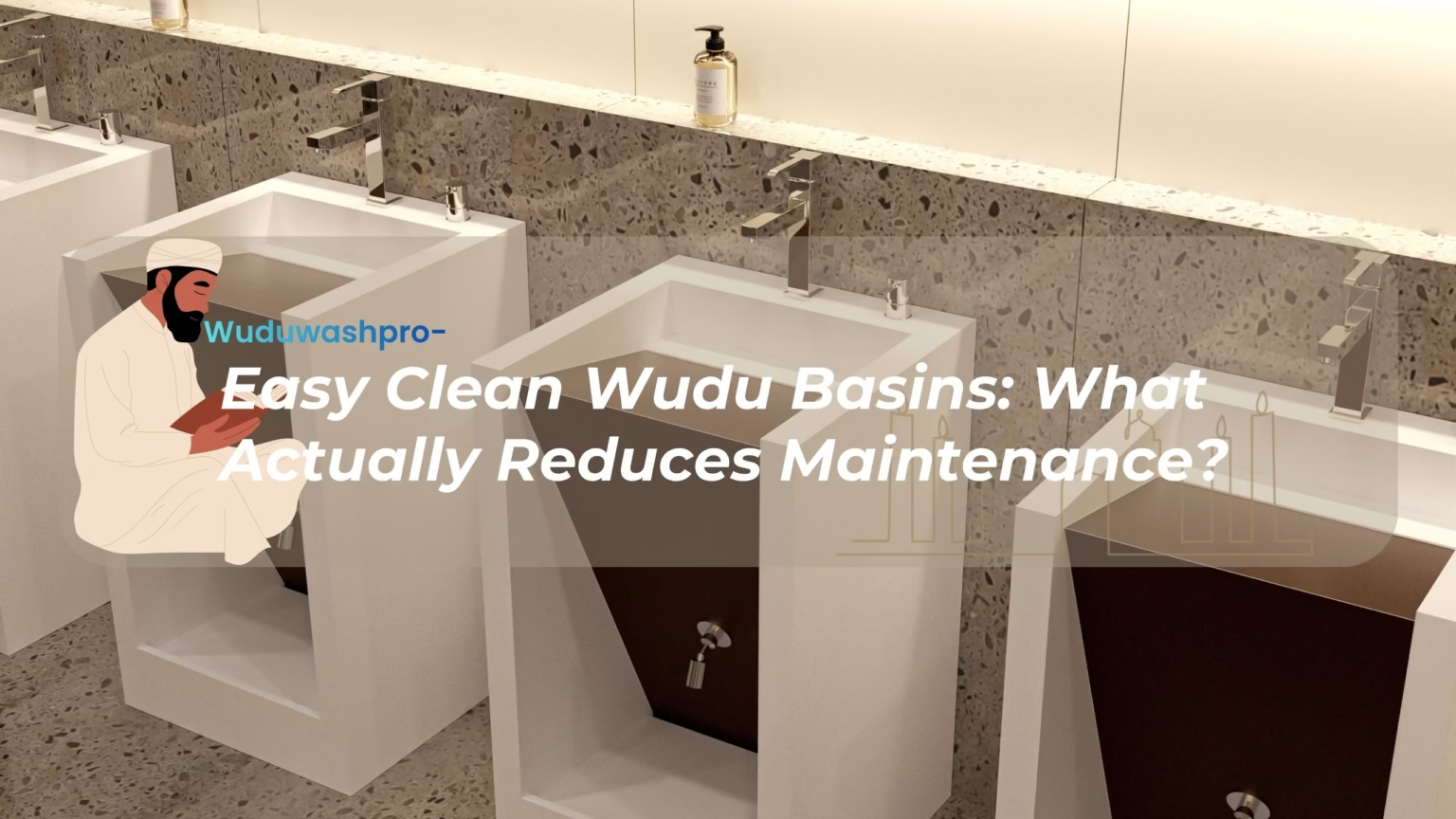
A wudu basin is one of the most frequently used facilities in a mosque, Islamic center, or even in Muslim households. With worshippers performing ablution multiple times a day, the basin must withstand heavy use while maintaining hygiene, safety, and durability.
Proper cleaning and maintenance not only ensure that the wudu area remains welcoming and pleasant but also extend the life of the basin, saving the community time and resources in the long run. This guide covers the essential tips for maintaining and cleaning a wudu basin, including daily care, deep cleaning practices, recommended cleaning agents, and long-term maintenance strategies.
Why Maintenance of Wudu Basins Matters
A wudu basin is more than just a sink—it’s a facility that supports worship. Neglecting its upkeep can lead to problems such as unhygienic conditions from bacteria or mold buildup, unpleasant odors from clogged drains, water damage due to poor drainage, and premature wear and tear.
By following regular maintenance routines, mosques and facilities can ensure their wudu stations remain clean, safe, and spiritually uplifting.
Daily Cleaning Practices for Wudu Basins
Keeping the wudu basin fresh and hygienic requires consistent daily cleaning.
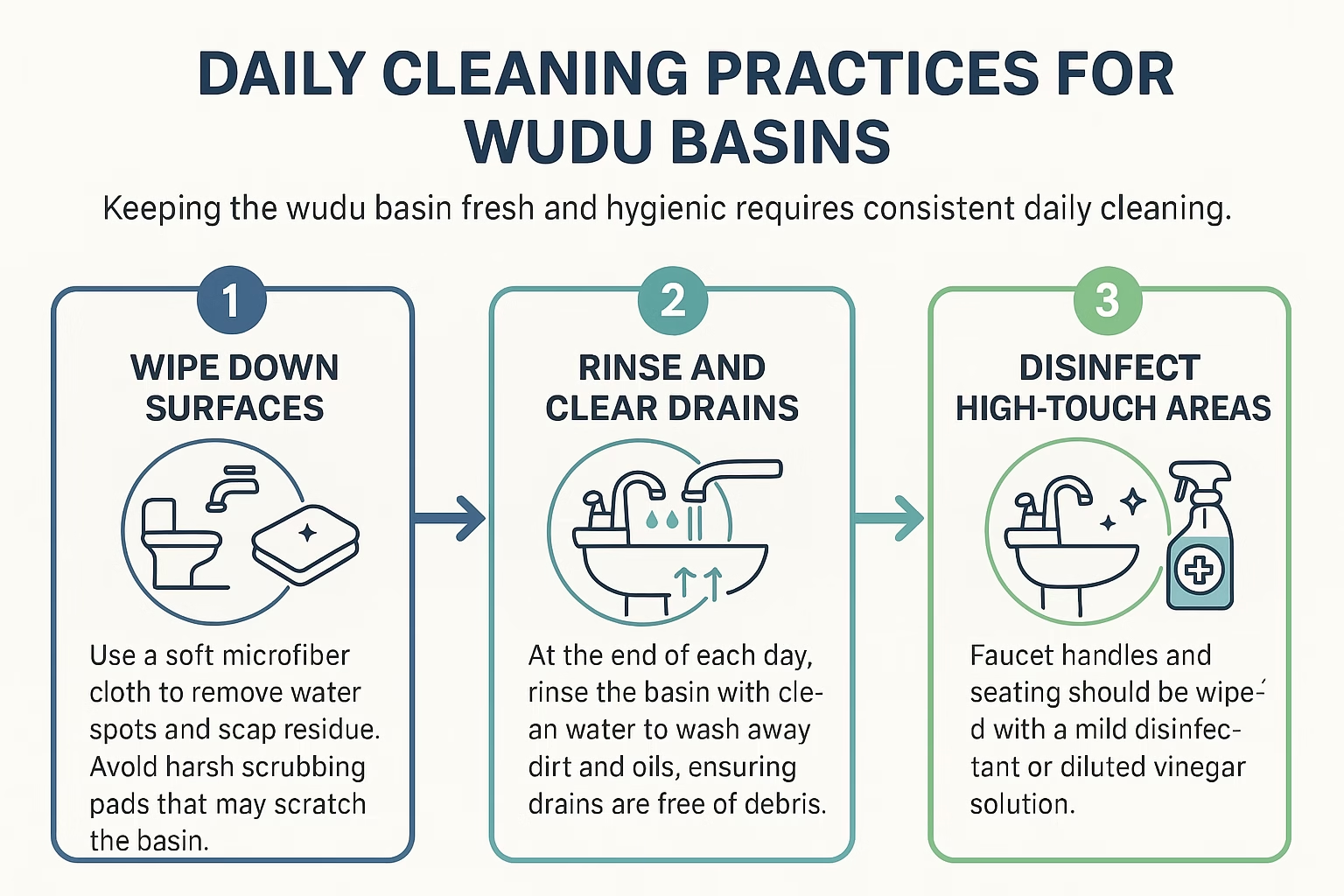
1.Wipe Down Surfaces
Use a soft microfiber cloth to remove water spots and soap residue. Avoid harsh scrubbing pads that may scratch the basin.
2.Rinse and Clear Drains
At the end of each day, rinse the basin with clean water to wash away dirt and oils, ensuring drains are free of debris.
3.Disinfect High-Touch Areas
Faucet handles and seating should be wiped with a mild disinfectant or diluted vinegar solution.
Weekly Deep Cleaning Tips
In addition to daily care, mosques and facilities should perform weekly deep cleaning.
1.Use Non-Abrasive Cleaners
Select pH-neutral or antibacterial cleaners, avoiding bleach or harsh chemicals.
2.Scrub Drainage and Edges
Clean edges, corners, and drain covers with a small brush to remove buildup. Flush drains with hot water to prevent odors.
3.Check for Mold or Mildew
Moist areas encourage mold. Wipe down walls, seats, and flooring with a vinegar-water mix or eco-friendly anti-mold spray.
Long-Term Maintenance for Durability
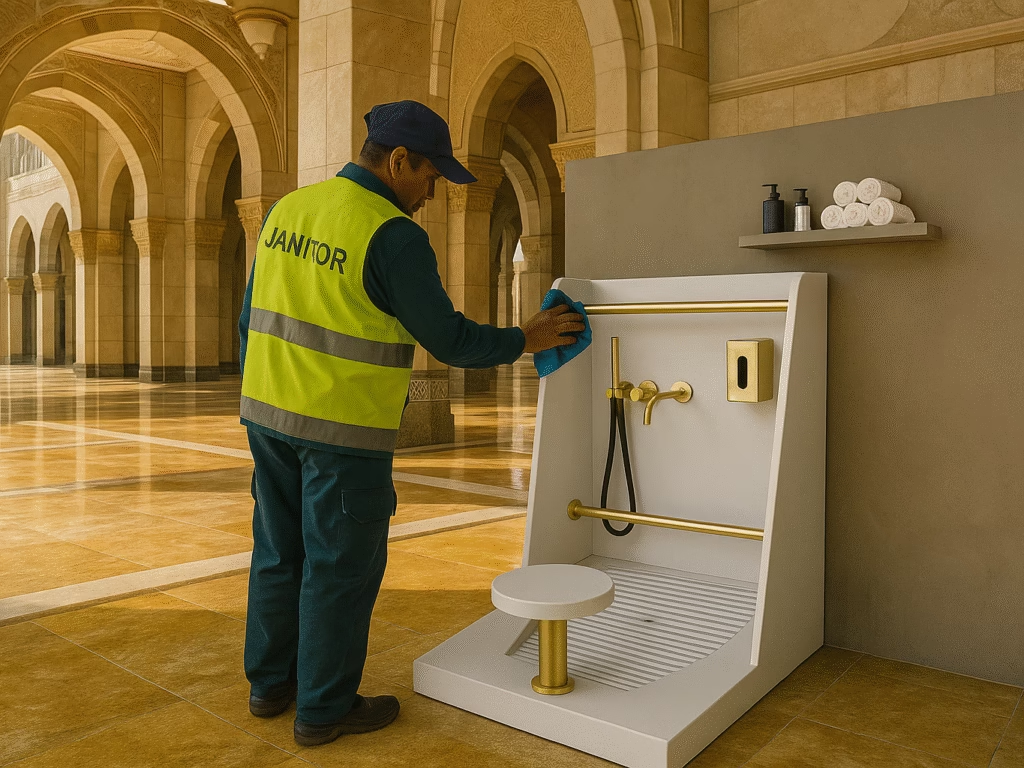
To ensure a wudu basin lasts for many years, long-term care should not be overlooked.
1.Inspect Plumbing Regularly
Schedule inspections of faucets and drainage, fixing small leaks promptly.
2.Protect Surfaces
Polish solid surface basins to restore shine and apply protective coatings when recommended.
3.Ensure Proper Ventilation
Good airflow prevents humidity and bacterial growth. Install exhaust fans or dehumidifiers in enclosed wudu areas.
Recommended Cleaning Products
When selecting cleaning products, keep in mind that the wudu station is a sacred facility—harsh or harmful chemicals should be avoided. Safe and effective options include mild soap or detergent, diluted vinegar, baking soda paste, and eco-friendly disinfectants.
Always test new products on a small area first to ensure compatibility.
Common Mistakes to Avoid
Many facilities unintentionally damage their wudu basins through improper cleaning. Mistakes to avoid include:
- Using abrasive scrubbers that scratch surfaces
- Applying bleach or chlorine, which may corrode or discolor the basin
- Ignoring small leaks until they escalate
- Forgetting to clean seating areas and flooring around the basin
- Overlooking water-saving features such as checking sensor taps or aerators
Conclusion
Maintaining a wudu basin is about more than just cleanliness—it reflects the respect and care a community places on its worship space. With consistent daily cleaning, weekly deep care, and preventive long-term maintenance, a wudu station can remain hygienic, safe, and durable for many years.
By avoiding harsh chemicals, using the right products, and ensuring proper ventilation and plumbing, mosques can save costs while providing a comfortable ablution facility for all worshippers.
Call to Action
At WuduWashPro, we design durable and hygienic wudu basins that are easy to clean and maintain. Whether you are upgrading your mosque facilities or planning a new installation, our solutions are built for long-term use.

Contact us today to learn more about our products and get expert advice on wudu basin care.
FAQ
1. How often should a wudu basin be cleaned?
A wudu basin should be wiped down and disinfected daily to maintain hygiene. Weekly deep cleaning is recommended for drains, edges, and surrounding areas.
2. What cleaning products are safe for wudu basins?
Mild soap, diluted vinegar, baking soda paste, and eco-friendly disinfectants are safe options. Avoid bleach and abrasive chemicals that can damage surfaces.
3. How can we prevent mold in the wudu area?
Good ventilation is key. Install exhaust fans or dehumidifiers, and wipe down walls and floors regularly with vinegar-water or anti-mold sprays.
4. Can bleach be used to clean a wudu basin?
Bleach is not recommended because it can corrode surfaces, discolor the basin, and harm plumbing. Instead, use pH-neutral cleaners for long-lasting protection.
5. How do you remove bad odors from a wudu basin?
Flush drains with hot water weekly and use a mix of baking soda and vinegar to neutralize odors. Regular cleaning prevents buildup that causes unpleasant smells.
6. What is the best way to maintain stainless steel or solid surface wudu basins?
For stainless steel, polish with a microfiber cloth and avoid abrasive scrubbers. For solid surface basins, use gentle cleaners and occasional polishing to maintain shine.
7. Why is regular maintenance important for mosque wudu facilities?
Routine maintenance ensures hygiene, prevents costly repairs, and reflects respect for the worship space. It also extends the lifespan of the basin.