Introduction
In the 21st century, mosques and public prayer facilities are embracing a quiet revolution — one that fuses spirituality with technology. The evolution of smart wudu facilities represents a milestone in how Muslims maintain purity, conserve water, and perform ablution (wudu) in cleaner, safer, and more inclusive environments.
For centuries, wudu has been a manual and deeply personal ritual. Today, with the rise of automation, sensors, and sustainable design, that same act of purification is being enhanced — not replaced — by innovation.
How Technology Is Transforming Religious Spaces
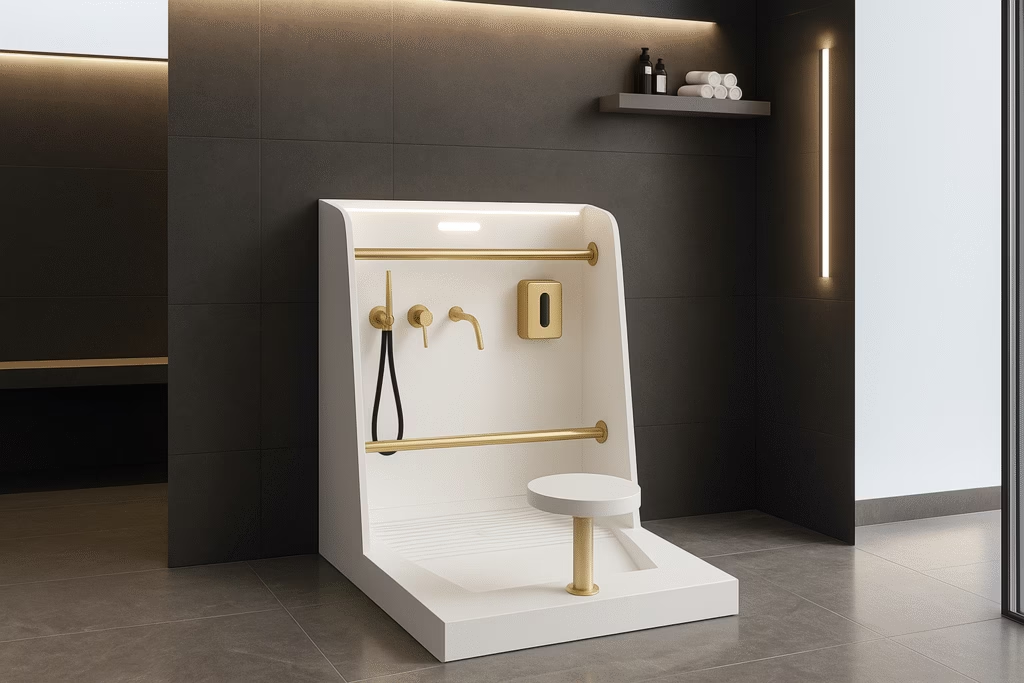
Modern religious architecture has always adapted to its time. Just as early mosques integrated advanced ventilation or acoustic systems, today’s designers incorporate sensor-based ablution stations, automated faucets, and self-cleaning surfaces.
These features do more than add convenience — they reinforce the Islamic values of hygiene (taharah) and stewardship (amana). Automated wudu stations regulate water flow precisely, prevent splashing, and reduce physical contact, aligning technology with faith.
👉 Related reading: The Evolution of Mosque Architecture in the 21st Century
Sensor Innovation: The Foundation of Smart Wudu Design
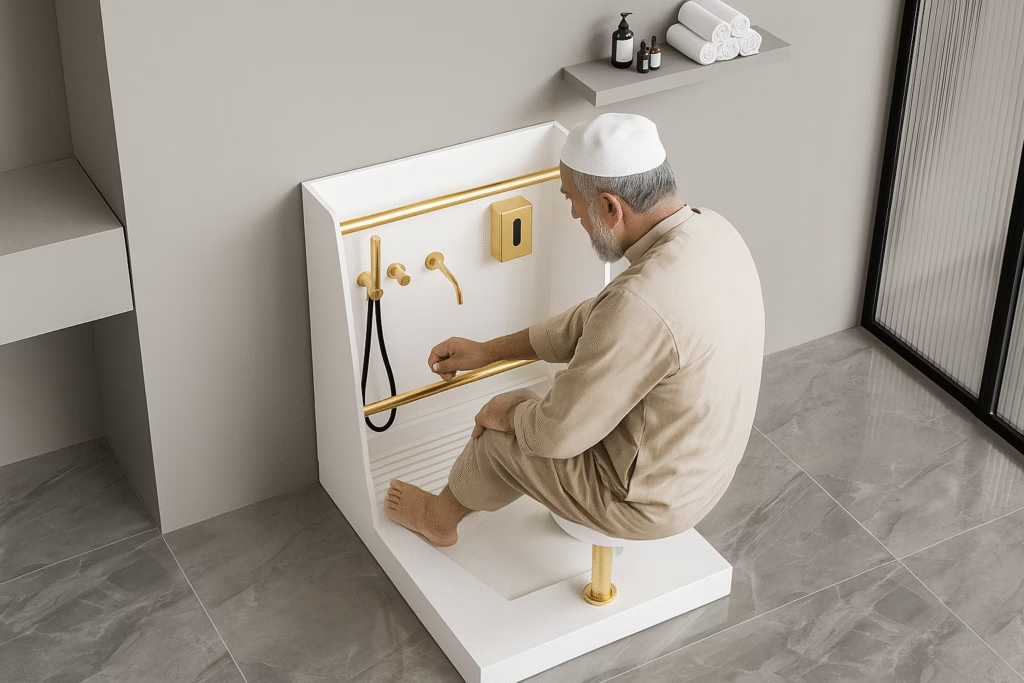
Sensor integration is the heart of any smart facility. In smart wudu basins, motion and infrared sensors control faucets, soap dispensers, and dryers automatically.
Benefits include:
- Hygiene: Reduces surface contact, preventing bacterial transmission.
- Water efficiency: Sensors deliver water only when needed.
- Accessibility: Simplifies ablution for children, elderly, and people with disabilities.
- Durability: Automatic shut-off systems reduce misuse and water overflow.
Materials like solid surface enhance the experience by being seamless, non-porous, and easy to disinfect — ideal for high-traffic mosques, airports, and universities.
👉 Learn more: Why Solid Surface is the Best Material for Wudu Basins
Automation and the Ethic of Sustainability
Water conservation is not a modern trend — it’s a prophetic principle. The Prophet Muhammad (peace be upon him) warned against wasting water, even beside a river.
Automation helps modern facilities honor that ethic. By using smart water meters, flow limiters, and automatic shut-off valves, wudu areas can reduce water use by up to 60%. Some institutions even employ IoT-based monitoring to track daily usage and maintenance alerts.
This convergence of technology and Islamic teaching makes smart wudu systems both ethical and eco-conscious.
Designing for Accessibility and Universal Comfort
Ablution facilities serve diverse users — children, the elderly, and those with mobility challenges. Automation enhances inclusivity by introducing:
- Adjustable-height basins for wheelchair access
- Dual-level stations for hand and foot washing
- Temperature-regulated faucets for safety
- Soft LED lighting for comfort and visibility
These designs uphold the Islamic principle of ease in worship (taysir). Modern dual-level wudu basins combine form and function, offering comfort for both seated and standing users.
👉 Read: Exploring Dual-Level Wudu Basins: Comfort for Hands and Feet
Smart Maintenance: Self-Cleaning and Data-Driven Hygiene
Beyond sensors, the next frontier in wudu design is self-regulation. Self-cleaning coatings, UV sterilization, and real-time maintenance alerts are transforming how facilities operate.
Imagine a mosque where wudu areas automatically disinfect surfaces every few hours or notify staff when cleaning is required — this is not futuristic; it’s already being implemented in advanced mosque designs in the UAE, Malaysia, and Europe.
Smart systems also allow caretakers to track usage patterns, helping them plan cleaning cycles more efficiently while minimizing labor and water waste.
The Role of Design in Preserving Spiritual Dignity
Smart wudu facilities are not only technological spaces — they are spiritual thresholds. Every design choice, from faucet placement to lighting tone, shapes how worshippers prepare for prayer.
The goal is balance: embracing innovation without diminishing ritual essence. A well-designed smart wudu area should feel peaceful, effortless, and respectful, not mechanical.
In this sense, automation serves faith — it does not replace it.
The Future Outlook
In the next decade, expect wudu facilities to become fully connected ecosystems:
- IoT-enabled water systems that report maintenance needs.
- Touchless, voice-assisted basins for improved accessibility.
- AI-driven energy management to optimize consumption.
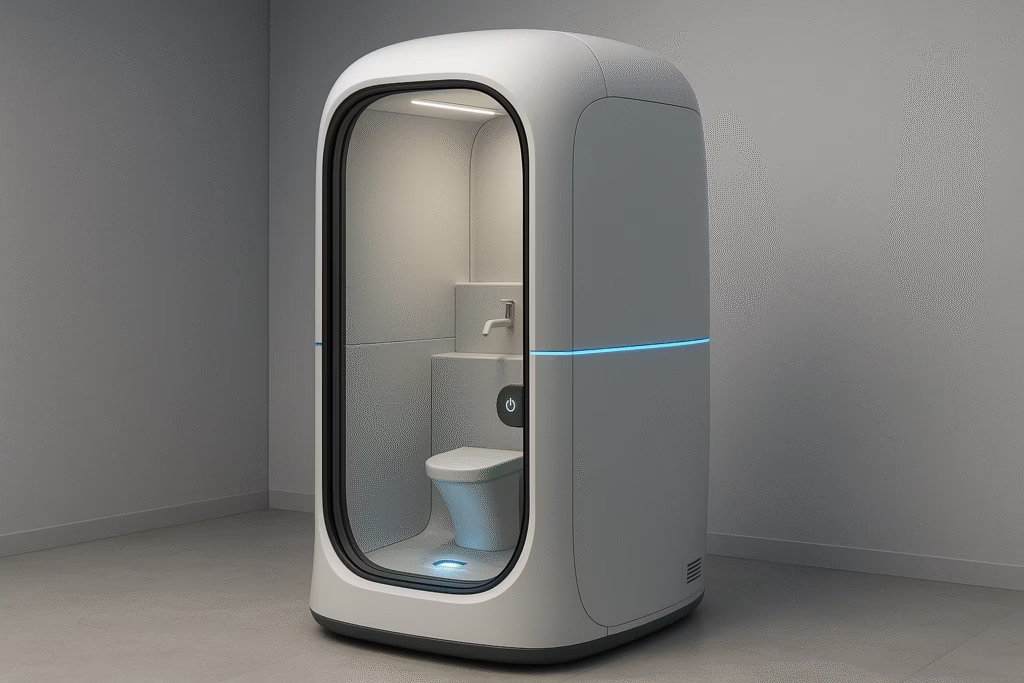
- Modular ablution pods for easy installation in urban spaces.
The fusion of design, data, and devotion will define the next generation of Islamic architecture — where every drop of water, every motion, reflects mindfulness and respect.
Conclusion
The future of wudu is intelligent, sustainable, and deeply human-centered. Smart wudu facilities embody Islam’s timeless emphasis on cleanliness, stewardship, and dignity — enhanced through innovation that respects the sanctity of faith.
Technology will never replace the spiritual essence of wudu, but it can elevate how believers experience it — with purity, precision, and purpose.
👉 Explore the next generation of smart wudu basin systems at WuduWashPro.com
FAQ
1. What is a smart wudu facility?
A smart wudu facility integrates sensors, automation, and sustainable materials to enhance hygiene, comfort, and water efficiency during ablution.
2. How do sensor-based faucets improve hygiene?
They minimize surface contact, reducing germ transmission and maintaining cleaner wudu areas.
3. Are smart wudu basins suitable for mosques and public buildings?
Yes. They are ideal for mosques, airports, schools, and offices due to their durability, efficiency, and ease of maintenance.
4. Can smart wudu systems help save water?
Absolutely. Automated faucets and flow control can reduce water use by up to 60%, supporting Islamic principles of conservation.
5. What materials are best for smart wudu facilities?
Solid surface materials are highly recommended because they are seamless, non-porous, and easy to sanitize — perfect for modern ablution design.
6. Are smart wudu facilities expensive to maintain?
Although the initial setup may cost more, automation lowers long-term maintenance and water bills, making it a cost-effective investment for large facilities.