Mosques have always been more than buildings: they are civic organs that hold ritual, education, social care, and identity. In the 21st century, mosque architecture is undergoing a meaningful transformation — not a break with tradition, but a conversation between heritage and the demands of contemporary life. The central theme is clear: design that preserves spiritual continuity while responding to social, environmental, and technological realities.
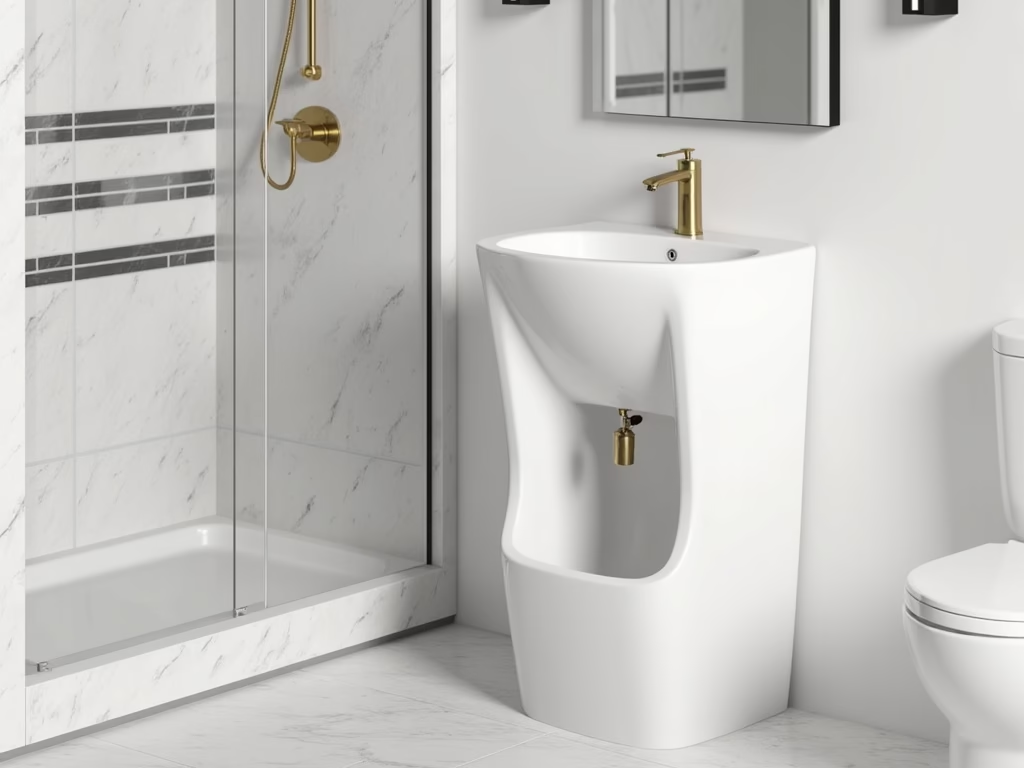
This article maps the main drivers of change, the design responses, and what it means for architects, communities, and those who supply mosque infrastructure (including ablution systems and wudu basins).
From Symbol to Systems: A New Framework for Mosque Design
Historically, the mosque’s architecture has encoded symbolic elements — domes, minarets, courtyards, and oriented prayer halls. In the 21st century the focus has broadened: form remains important, but so does performance. Modern mosques are expected to be high-performing buildings that:
- Facilitate ritual (clear, calm prayer spaces and accessible wudu areas),
- Serve as community hubs (education, social services, events),
- Meet sustainability targets (energy, water, materials),
- Integrate smart building systems (security, comfort, booking),
- Accommodate diverse users with dignity and accessibility.
The result is mosque architecture that thinks like both sanctuary and infrastructure.
Drivers of Change
1. Demography & Urban Context
Rapid urbanization, migration, and greater Muslim populations in diverse cities mean mosques must adapt to dense, mixed-use environments. Small urban plots require creative vertical, subterranean, or multi-use solutions that keep prayer spaces dignified while optimizing land use.
2. Inclusivity & Social Function
Contemporary mosques emphasize inclusivity: accessible prayer areas, prayer spaces in universities and workplaces, gender-sensitive circulation, and community programming. Design now privileges flexible spaces that can be reconfigured for education, counseling, or civic use.
3. Technology & Smart Buildings
From HVAC optimized for prayer times to integrated scheduling systems for community rooms, technology helps mosques perform better and serve users more efficiently. Touchless fixtures and sensor taps in ablution areas improve hygiene while respecting ritual needs.
4. Sustainability & Resilience
Climate-aware design — passive cooling, rainwater harvesting, greywater reuse for landscaping or wudu area flushing, and low-carbon materials — is increasingly central. Mosques are shifting from symbolic sustainability gestures to measurable performance targets.
5. Material Innovation & Craft
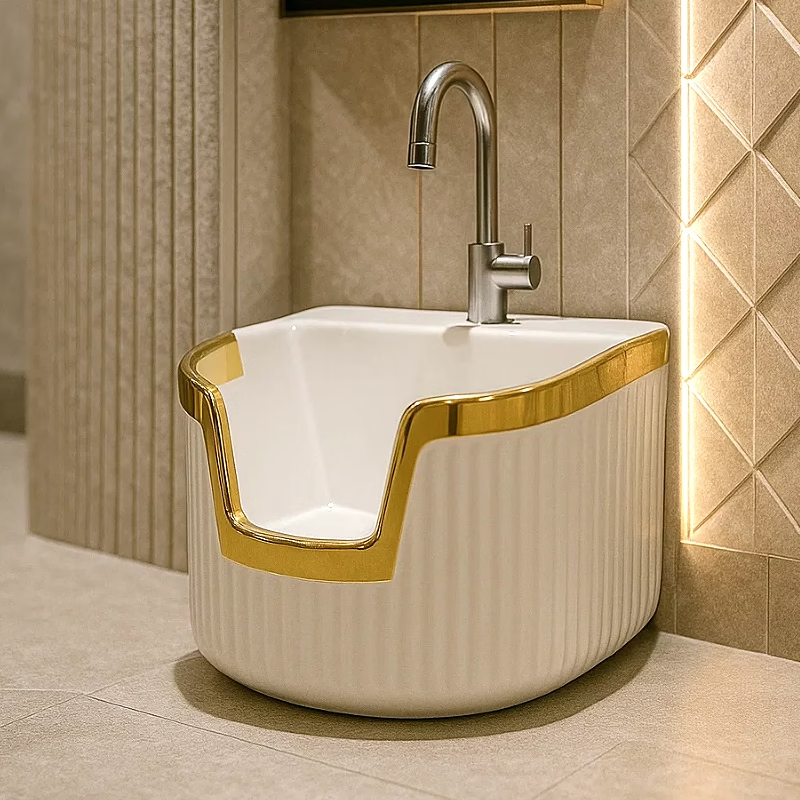
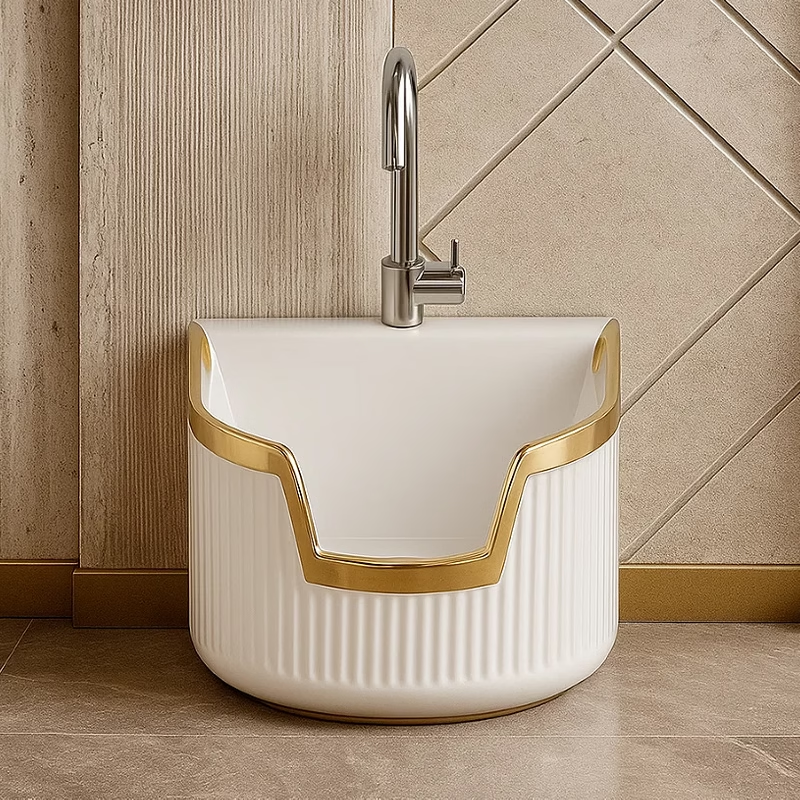
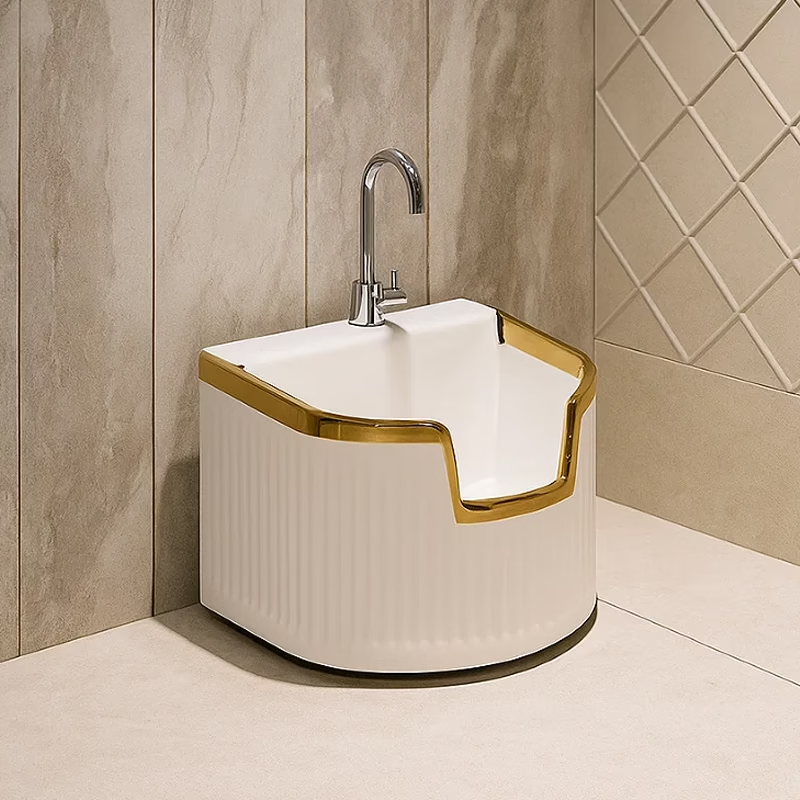
New materials and fabrication techniques allow traditional motifs to be reinterpreted. Engineered stone, solid surface basins, and composite claddings can echo marble and stone while offering better hygiene, durability, and customization for ablution spaces.
Design Responses & Principles
Reinterpreting Symbolic Elements
Domes and minarets persist symbolically but are often reimagined — as light wells, acoustic volumes, or environmental devices (venting/stack effect). The lesson: symbolic language need not be literal to be meaningful.
Daylight, Acoustics, and Orientation
Natural light — filtered through mashrabiya, perforated screens, or scaled skylights — supports contemplative atmospheres without glare. Acoustic design ensures clarity of the imam’s voice while preserving quiet for meditation.
Integration of Ablution & Sanitation
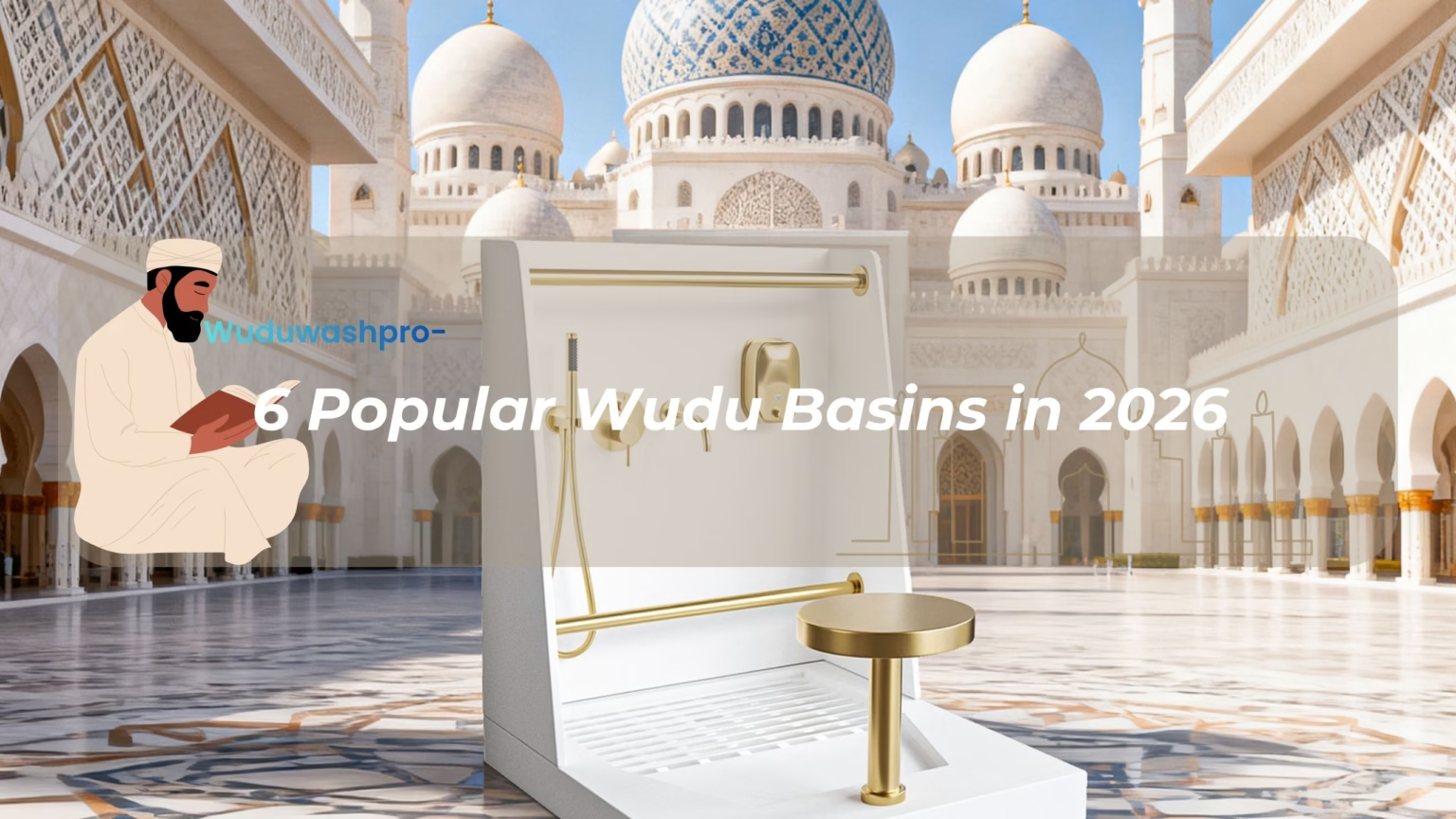
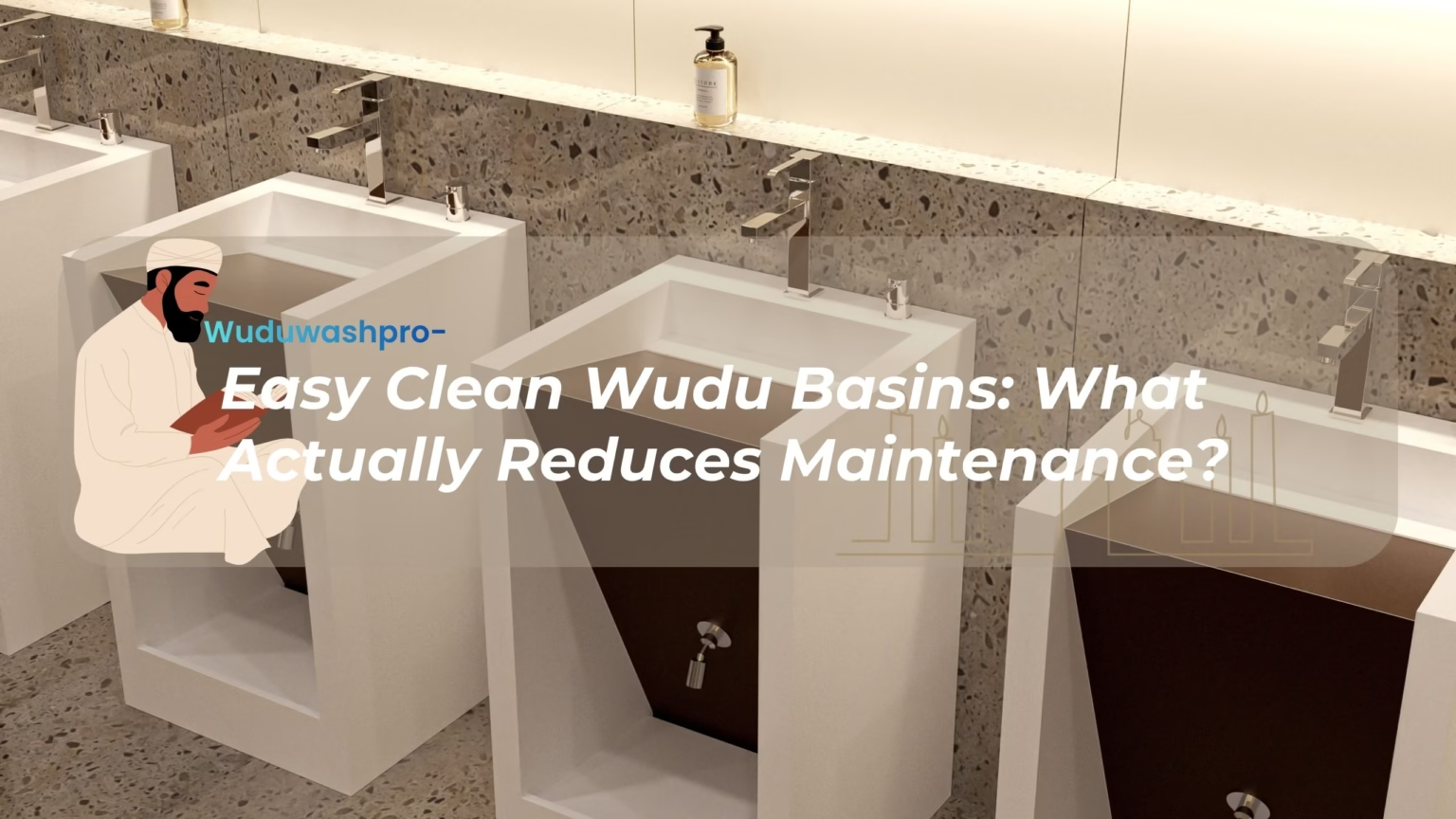
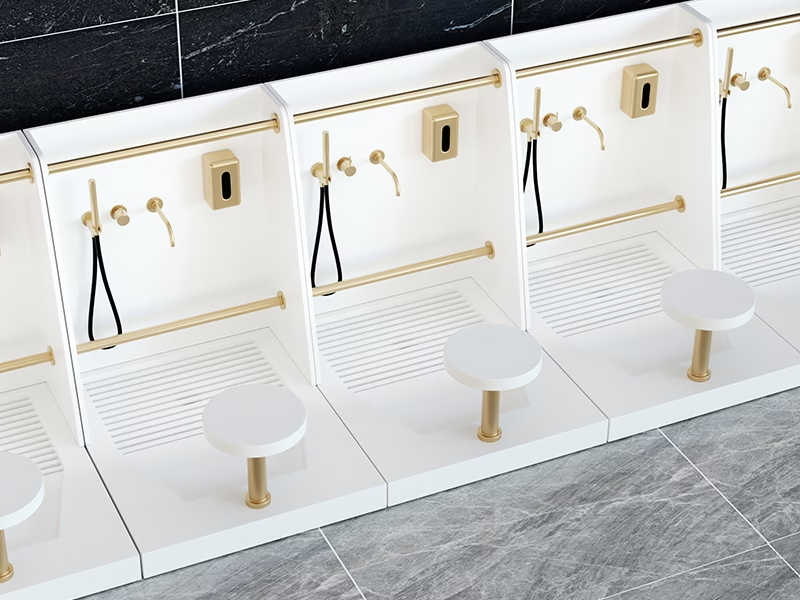
Ablution areas are no longer an afterthought. Thoughtful placement reduces circulation conflicts, improves privacy, and controls moisture. Innovations such as dual-level wudu basins, solid surface materials, and efficient drainage create hygienic, dignified, low-maintenance solutions. For practical guidance on planning ablution areas, see our detailed guide: The Complete Guide to Designing Wudu Areas in Mosques.
Flexibility & Multi-functionality
Prayer halls that double as classrooms or community halls require careful acoustics and adaptable furniture. Retractable screens, mobile qibla indicators, and modular seating help reconcile ritual formality with multi-use demand.
Accessibility and Universal Design
Design teams now embed universal design principles: ramps and level thresholds, adjustable ablution units, clear signage, and discrete family/children’s prayer rooms. These features are essential to serve elders, children, and people with disabilities with dignity.
Materiality: Tradition Meets Performance
Material choices now balance cultural resonance with performance. Natural stone evokes heritage but can be heavy and costly; engineered surfaces give similar aesthetics with better hygiene and repairability. Solid surface wudu basins and marble-pattern finishes are emblematic of this trend — they preserve a refined look while offering seamless, non-porous, and customizable solutions. Learn more about this material shift here: The Role of Solid Surface in Modern Wudu Basin Design.
Case Studies of Conceptual Approaches (Typologies, Not Projects)
- The Urban Micro-Mosque: A compact, vertically stacked facility with a ground-floor multi-faith room, mid-level ablution and utility zones, and a top-level prayer suite that captures daylight.
- The Campus Mosque: Integrated with university life: flexible prayer hall, classrooms, counseling rooms, and robust ablution stations for student flows.
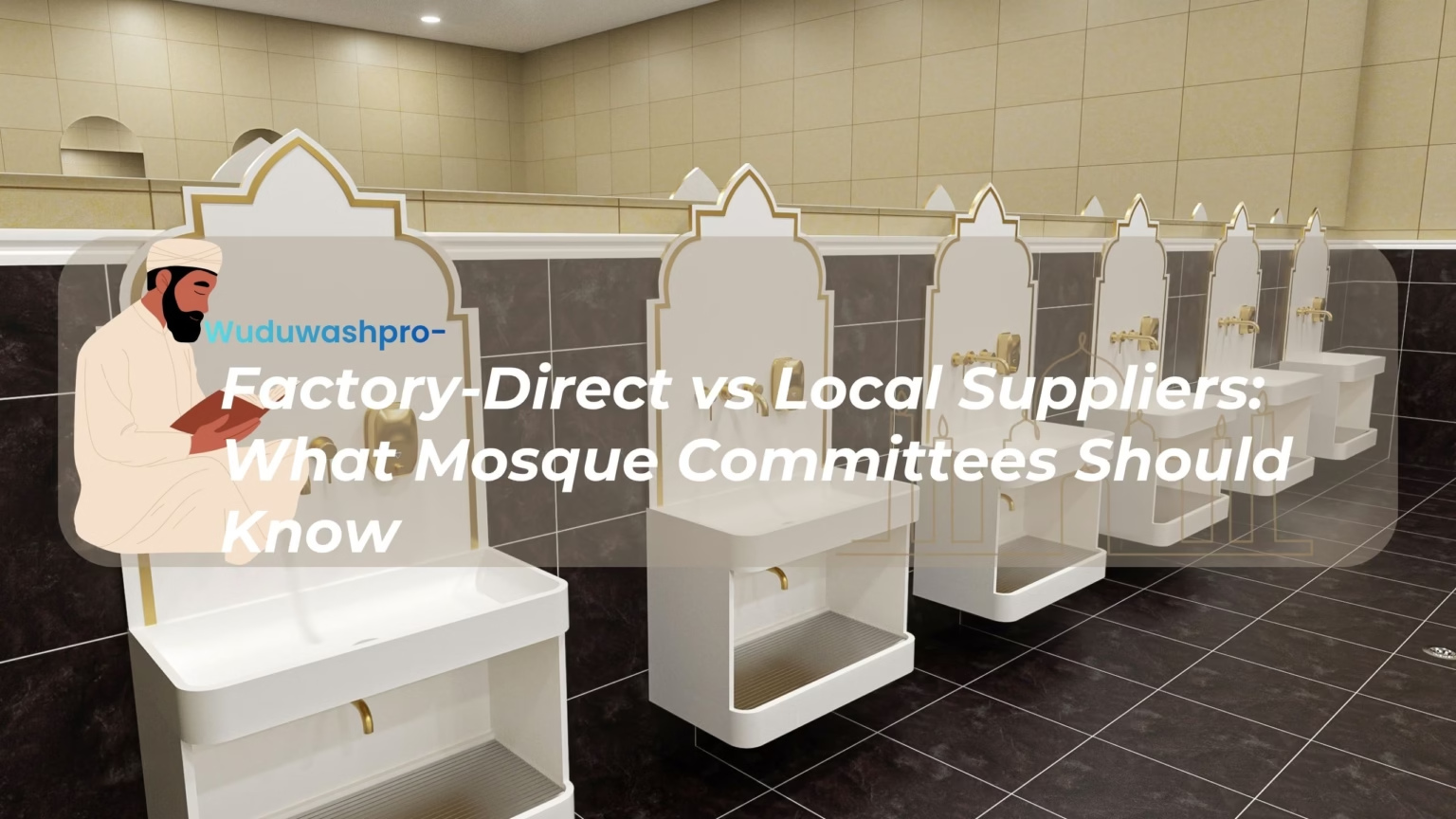
- The Airport Prayer Hub: Modular prayer cells, signage, and high-durability trough-style wudu stations designed for rapid turnaround and hygiene.
Each typology prioritizes circulation, privacy, and the dignity of ritual within its specific context.
The Social & Cultural Impact of Contemporary Mosque Design
Architecture shapes behavior. Thoughtful mosque design encourages greater civic participation, smoother interfaith engagement, and better public perception. When mosques outwardly embody stewardship — through sustainable systems, public programs, and welcoming design — they become urban assets rather than isolated enclaves.
Challenges & Ethical Considerations
- Authenticity vs. Innovation: How to innovate without eroding cultural memory? Designers must consult communities and religious authorities to ensure appropriateness.
- Funding & Governance: Long-term upkeep is as important as initial design — sustainable operations models matter.
- Security vs. Openness: Balancing safe, secure facilities with an open, welcoming posture is a nuanced design and policy question.
A Design Manifesto for 21st-Century Mosques (Five Principles)
- Sacred Performance: Prioritize spiritual atmosphere — light, acoustics, and orientation that foster presence.
- Civic Integration: Design mosques as community infrastructure offering services beyond prayer.
- Hygienic Dignity: Make ablution and sanitation seamless, accessible, and beautiful — not utilitarian. (See practical examples in Modern Ablution Sink Design: From Functionality to Aesthetics.)
- Environmental Stewardship: Embed water- and energy-saving systems with transparent performance metrics.
- Participatory Design: Engage worshippers and local stakeholders from concept to completion.
Looking Forward: The Next Decade
Expect mosque architecture to continue evolving along these vectors: more adaptive reuse (converting existing rooms to prayer hubs), data-informed facility management, increased use of prefabrication for quality and speed, and deeper collaborations between architects, religious scholars, and community organizers.
For suppliers and fabricators, this evolution opens opportunities: customizable, hygienic wudu solutions; durable, low-maintenance finishes; and modular systems that fit diverse typologies. If you’re planning an upgrade or a new facility, practical resources on planning and procurement are available in our series, including guides on designing wudu areas and selecting materials.
Conclusion
The 21st-century mosque is neither a museum piece nor a mere functional box. It is a living institution whose architecture must translate ritual continuity into responsive, sustainable, and inclusive form. Good mosque design honors tradition while embracing the practical realities of modern life — from water-wise ablution systems to spaces that welcome all members of a community.
If you’re working on a mosque, campus prayer room, or public prayer facility and want solutions that marry respect for tradition with modern performance (including hygienic wudu basins and customizable ablution stations), start with practical design references such as The Complete Guide to Designing Wudu Areas in Mosques or explore modern material choices in The Role of Solid Surface in Modern Wudu Basin Design.
FAQ
1. What defines mosque architecture in the 21st century?
21st-century mosque architecture balances tradition with modern needs such as sustainability, inclusivity, smart technology, and hygienic wudu areas.
2. How are modern mosques different from historical ones?
Modern mosques focus not only on symbolic elements like domes and minarets but also on functionality, accessibility, and environmental performance.
3. Why is sustainability important in mosque design?
Sustainable mosque design helps reduce energy and water use, integrates eco-friendly ablution systems, and reflects Islamic values of stewardship.
4. What role do wudu basins play in mosque design?
Wudu basins are essential for ablution. Modern designs emphasize hygiene, accessibility, and materials like solid surface for durability.
5. How can mosques be more inclusive in the 21st century?
By creating accessible spaces for women, children, and people with disabilities, and by integrating prayer facilities in schools, workplaces, and public areas.