Introduction
The design of a wudu station—the sacred space where Muslims perform ablution before prayer—has evolved dramatically over the past decade. Once a simple fixture, it is now a symbol of thoughtful engineering, hygienic innovation, and spiritual refinement.
In 2025, architects and developers across the Middle East, Europe, and Asia are adopting modern wudu station designs that blend ergonomics, automation, sustainability, and aesthetic harmony. This guide explores the Top 5 design features that define the new generation of ablution facilities, ensuring both form and function align with Islamic principles of cleanliness and respect.
1. Ergonomic Layout and User Comfort
A well-designed wudu station begins with understanding the human body. Ergonomics ensures that worshippers—young, old, or differently abled—can perform wudu comfortably and safely.
Key considerations include:
- Dual-level designs: accommodate standing and seated users simultaneously.
- Seating integration: non-slip benches or wudu chairs for elderly worshippers.
- Optimal basin height: typically between 850 mm (standing) and 700 mm (seated).
- Knee clearance for wheelchair accessibility.
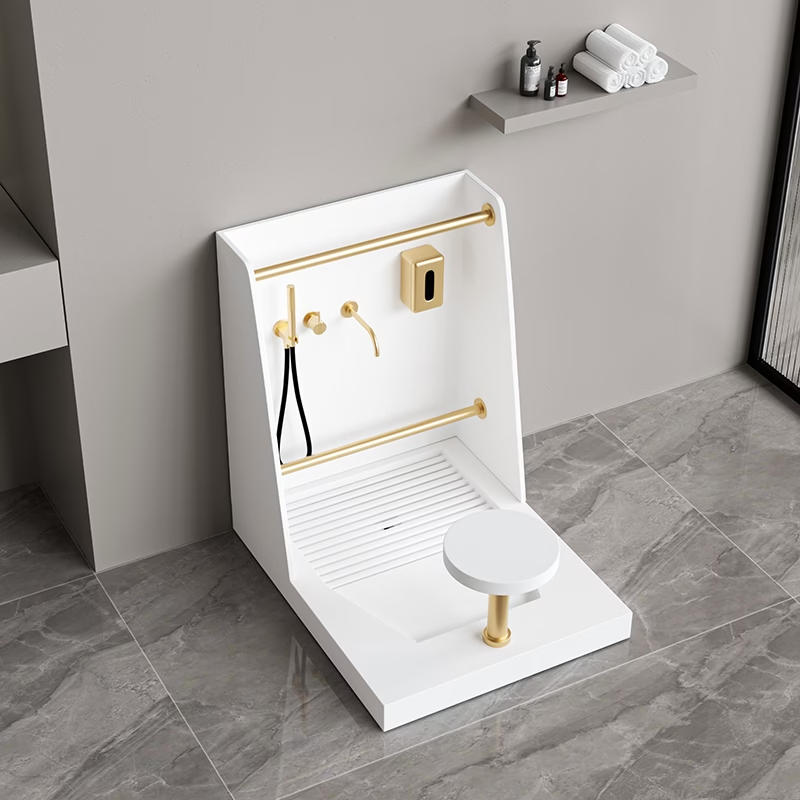
These features reduce physical strain and improve overall flow, especially in high-traffic mosques and community centers.
👉 Learn more: Designing Accessible Wudu Facilities for the Elderly and Disabled
2. Touchless Technology for Hygiene and Ease
In a post-pandemic world, contactless design has become standard in religious facilities. Smart wudu stations integrate sensor-activated faucets, soap dispensers, and dryers to minimize touchpoints and improve hygiene.
Benefits of touchless technology:
- Prevents cross-contamination and bacterial transfer.
- Reduces water consumption with timed sensors.
- Enhances comfort for users with limited mobility.
Some advanced setups now include LED indicators, automatic temperature control, and app-based water monitoring—combining convenience with sustainability.
👉 Related reading: The Future of Smart Wudu Facilities: Sensors, Hygiene, and Automation
3. Seamless and Non-Porous Materials
Material choice is critical to hygiene and maintenance. Traditional tiles or marble often trap moisture and bacteria in joints. By contrast, solid surface materials—composed of acrylic and natural mineral blends—offer a smooth, non-porous, and repairable finish.
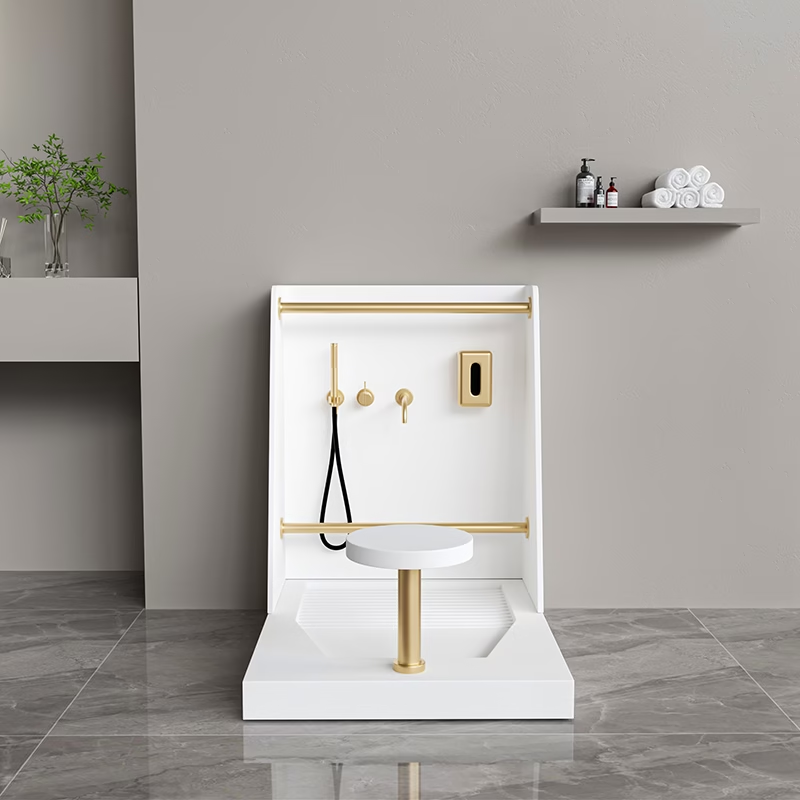
Advantages of solid surface for modern wudu basins:
- Seamless jointing eliminates mold-prone gaps.
- Non-porous surface prevents water absorption.
- Resistant to discoloration and thermal shock.
- Available in marble textures, matte tones, or custom hues.
This material not only elevates cleanliness but also enhances the visual serenity of the wudu area—an essential quality in spiritual architecture.
👉 Explore: Why Solid Surface is the Best Material for Wudu Basins
4. Efficient Water Management and Sustainability
Islam encourages moderation in water usage, even during sacred rituals. Modern wudu facilities embrace this principle with eco-efficient systems that conserve resources without compromising comfort.
Design strategies include:
- Low-flow or aerated faucets to control water output.
- Sloped counters and concealed trench drains for efficient drainage.
- Greywater recycling systems for landscape irrigation.
- Sensor-based water regulation to avoid waste.
Implementing these sustainable measures reduces operating costs and aligns the facility with environmental stewardship—an Islamic virtue of protecting the Earth (khalifah).
👉 Learn more: Water-Saving Innovations in Wudu Facility Design
5. Aesthetic Integration and Architectural Harmony
The visual and spiritual experience of a wudu space is as important as its function. A beautifully designed ablution area encourages mindfulness and tranquility before prayer.
Modern design cues include:
- Geometric symmetry inspired by Islamic art.
- Natural light and ventilation to create calmness.
- Harmonized color palettes—white, stone grey, or sand tones.
- Curved basins and flowing lines to represent purity.
- Integration of Arabic calligraphy or marble accents for cultural continuity.
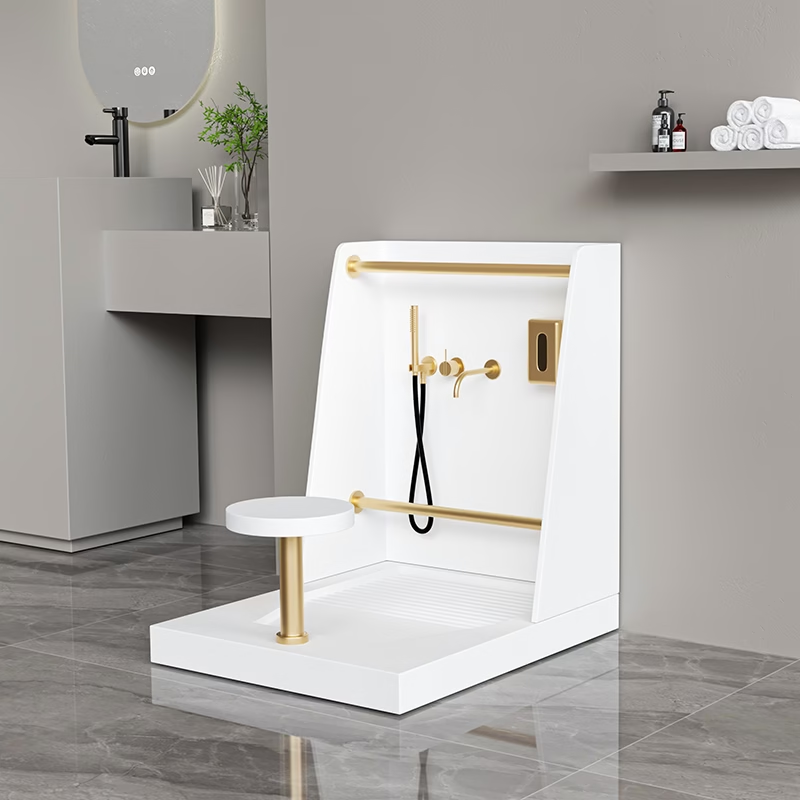
A wudu station should not feel purely mechanical—it should reflect sakina (spiritual serenity) through balance, proportion, and beauty.
👉 Related reading: Modern Ablution Sink Design: From Functionality to Aesthetics
Conclusion
The modern wudu station stands at the crossroads of faith and innovation. From ergonomic comfort to smart automation, each design feature enhances not only the act of purification but also the dignity and inclusivity of worship.
As mosque projects grow more sophisticated across the Middle East and beyond, the materials, technology, and design principles used in wudu spaces will continue to evolve—anchored by one timeless truth: cleanliness is half of faith.
👉 Explore customizable solid surface wudu solutions for your next project at WuduWashPro.com.
FAQ
1. What makes a modern wudu station different from a traditional one?
Modern wudu stations integrate ergonomic layouts, sensor technology, and sustainable materials, offering a balance of comfort, hygiene, and design elegance.
2. Why is solid surface the preferred material?
It is seamless, non-porous, and easily repairable, ensuring long-term hygiene and aesthetic consistency.
3. How can wudu areas be made more accessible?
By using dual-level designs, supportive seating, grab bars, and correct basin heights to serve all worshippers comfortably.
4. Is automation necessary in religious spaces?
Yes, touchless technology enhances hygiene and supports Islamic principles of cleanliness without diminishing spiritual meaning.
5. How can sustainability be incorporated in wudu design?
Through water-efficient fixtures, greywater recycling, and environmentally friendly materials—all aligning with the Islamic ethic of resource preservation.