Introduction
Hygiene is central to both the practice of wudu (ablution) and the overall experience of worship. In Islam, cleanliness is not only a physical requirement but also a spiritual one — the Prophet Muhammad (peace be upon him) emphasized that “Cleanliness is half of faith.”
In today’s modern world, as public wudu facilities appear in airports, universities, mosques, and shopping centers, maintaining hygiene standards has become a professional design and operational challenge. It requires a combination of smart design, proper materials, regular maintenance, and user-friendly engineering to ensure safety, dignity, and comfort for everyone who uses these spaces.
The Importance of Hygiene in Wudu Spaces
Unlike standard washrooms, wudu facilities experience continuous foot traffic, water usage, and direct physical contact. Poor hygiene can lead to unpleasant odors, water pooling, mold growth, and even contamination — issues that directly contradict the principles of purity in Islamic practice.
Maintaining hygiene in these areas not only preserves religious integrity but also promotes public health, user comfort, and respect for shared spaces in multi-faith environments.
Key Design Principles for Hygienic Wudu Facilities
1. Non-Porous, Easy-to-Clean Surfaces
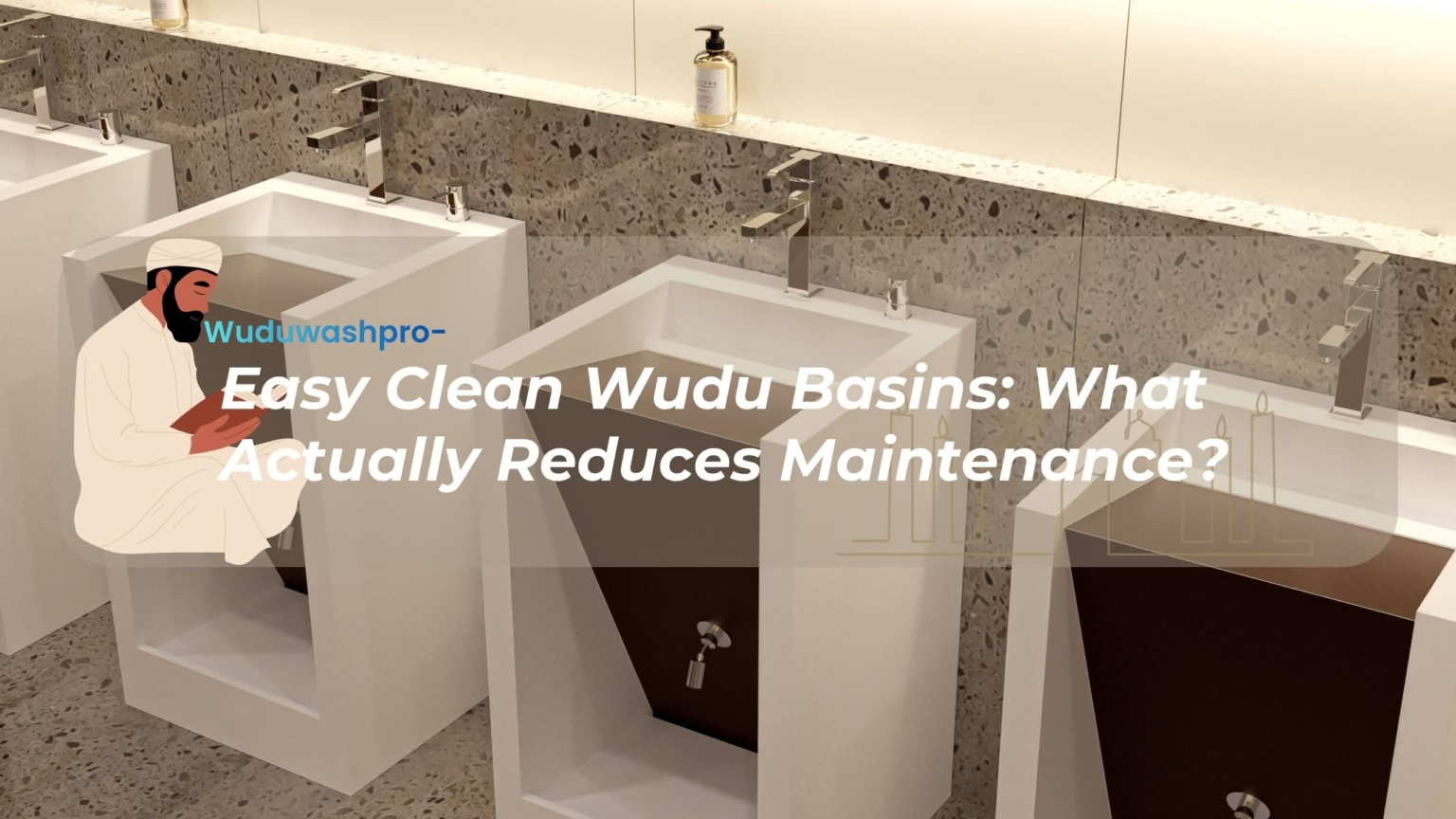
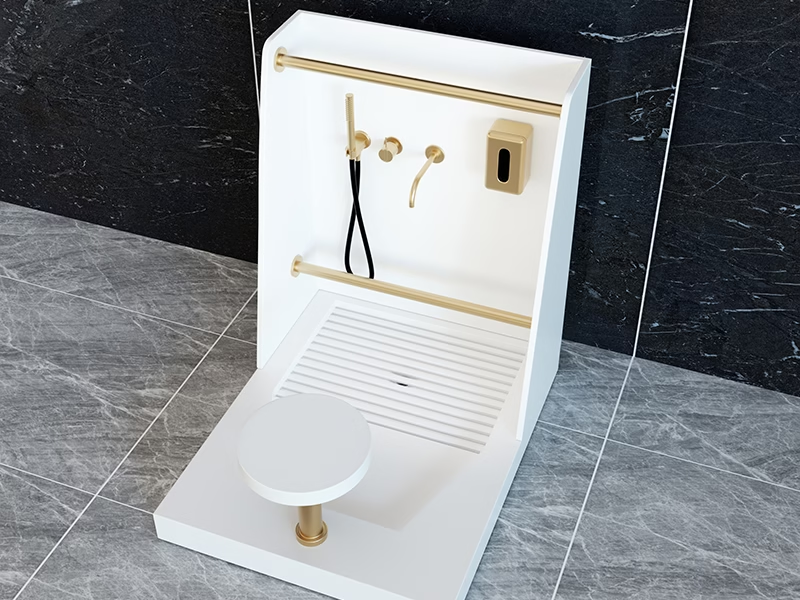
Selecting the right material is the foundation of hygiene. Solid surface materials are ideal for wudu basins and countertops because they are:
- Seamless and non-porous — preventing bacterial buildup.
- Resistant to stains, water damage, and discoloration.
- Easy to clean with mild detergents, reducing the need for harsh chemicals.
👉 Related reading: Why Solid Surface is the Best Material for Wudu Basins.
2. Smart Water Management
Water left standing is a primary cause of microbial growth and unpleasant odors. Effective hygiene management starts with smart drainage and water flow systems:
- Sloped flooring directs water into concealed drains.
- Sensor-based faucets reduce unnecessary splashing and contact.
- Automatic shut-off systems prevent overflow and water pooling.
- Anti-slip coatings maintain safety while allowing quick drying.
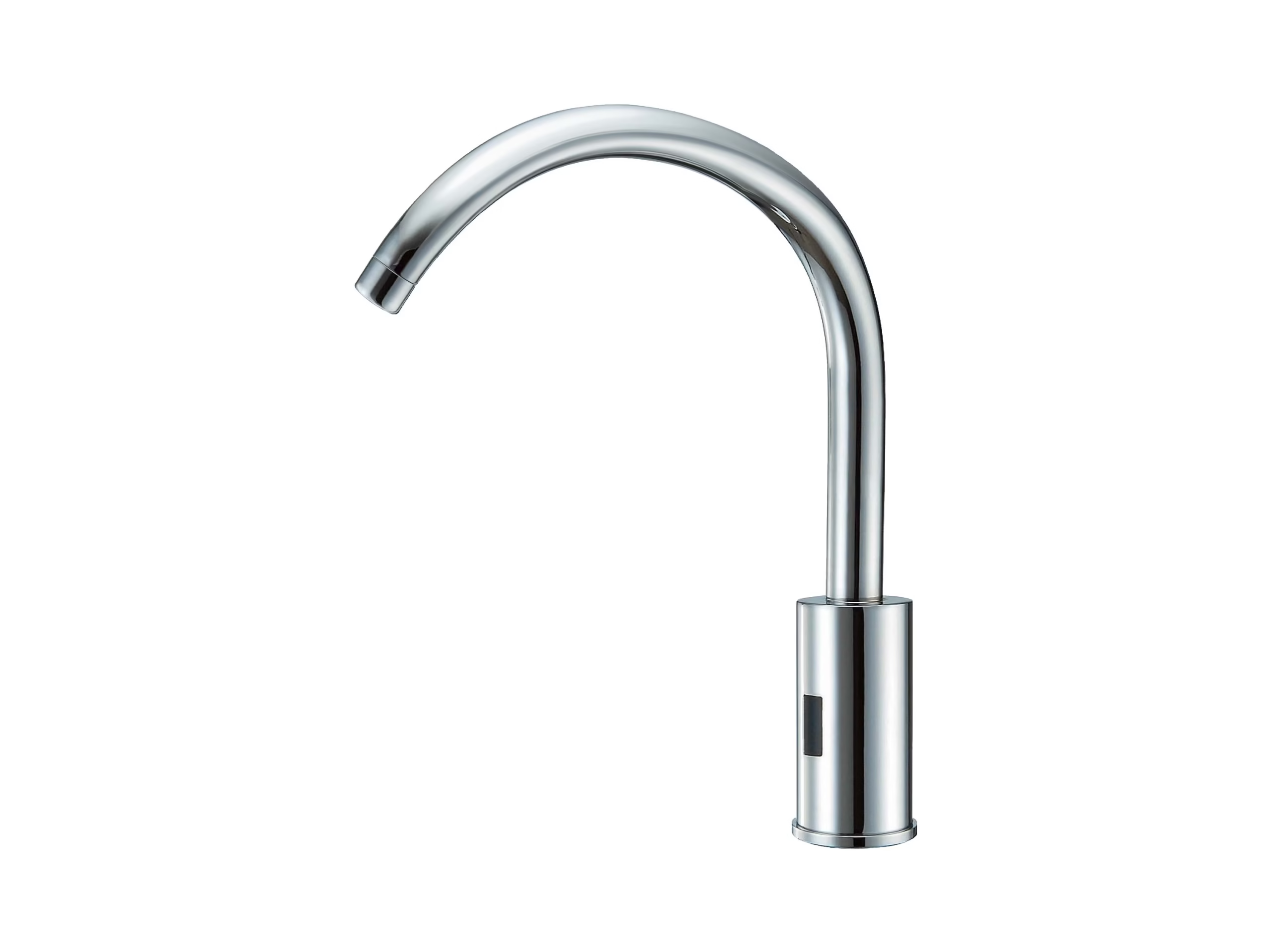
Modern wudu basins with integrated drainage channels also minimize spillage and make daily cleaning faster.
👉 Read more: The Future of Smart Wudu Facilities: Sensors, Hygiene, and Automation.
3. Ventilation and Air Quality
Humidity and poor airflow are major contributors to mildew and mold. Proper ventilation systems—both natural and mechanical—are essential for keeping wudu areas dry and odor-free.
- Mechanical exhaust fans should operate continuously during peak hours.
- Dehumidifiers in closed environments (like basement mosques or malls) help control moisture levels.
- Natural ventilation through louvers or clerestory windows enhances air circulation while maintaining privacy.
4. Layout and Spatial Zoning
A hygienic layout separates “wet” and “dry” zones to control water spread. For example:
- Entrance zones remain dry for shoe removal or preparation.
- Washing areas are contained with splash barriers or slightly lower flooring levels.
- Transition corridors lead directly to prayer areas, ensuring a logical and clean flow.
Proper spatial planning minimizes cross-contamination between users and simplifies cleaning schedules.
5. Touchless Technology
Automation is transforming hygiene management in public wudu spaces. Touchless systems are now standard in modern facilities:
- Motion-sensor faucets and soap dispensers eliminate shared contact points.
- Automatic air dryers prevent towel waste and bacterial transfer.
- Smart cleaning alerts using IoT sensors notify staff when maintenance is required.
These systems improve both hygiene and user experience while reinforcing sustainability goals.
Maintenance Strategies for Long-Term Cleanliness
Daily Cleaning Routine
- Wipe down all surfaces with non-corrosive disinfectant.
- Clear drains to avoid blockage and odor.
- Refill soap dispensers and ensure water flow is smooth.
Weekly and Monthly Tasks
- Inspect silicone seals, joints, and corners for signs of wear.
- Deep clean with steam or antibacterial agents to remove invisible buildup.
- Test sensors, faucets, and drainage efficiency.
Staff Training
Maintenance staff should be trained not only in cleaning methods but also in understanding the religious importance of purity. This ensures respect for the space and consistency in sanitation standards.
User Education and Signage
Hygiene also depends on users. Thoughtful signage can promote awareness:
- “Please dry the area after use.”
- “Report leaks to maintenance.”
- “Use water wisely — cleanliness is faith.”
These messages can be displayed in multiple languages to accommodate international visitors, particularly in airports and universities.
The Role of Design in Perceived Cleanliness
A well-designed space feels cleaner. Bright lighting, neutral colors, and minimal clutter make hygiene visible and maintain user confidence. Using solid surface in white or light tones, combined with soft LED lighting, reinforces the perception of purity and care.
👉 Related article: Designing Wudu Spaces for Multi-Faith Environments.
Conclusion
Maintaining hygiene standards in public wudu facilities requires more than cleaning schedules—it’s a synergy between design, technology, materials, and human behavior. From seamless solid surface basins to smart ventilation and touchless systems, every element contributes to a space that embodies both spiritual purity and modern practicality.
When done right, these spaces don’t just serve worshippers; they reflect the values of respect, discipline, and sustainability embedded in Islamic tradition.
👉 Explore hygienic and customizable wudu basin solutions for public facilities at WuduWashPro.com.
FAQ
1. What makes public wudu facilities different from regular restrooms?
Wudu areas are designed for ritual washing before prayer, requiring specialized basins, seating, and drainage systems to handle repeated water use and maintain hygiene.
2. How often should public wudu areas be cleaned?
They should be lightly cleaned several times a day, with deep cleaning at least once per week, depending on usage levels.
3. What materials help maintain hygiene in wudu facilities?
Solid surface materials and stainless steel are best—they’re non-porous, seamless, and easy to sanitize.
4. How can automation improve hygiene?
Sensor faucets, automatic dryers, and IoT monitoring reduce human contact and ensure consistent cleaning standards.
5. What role does ventilation play in wudu hygiene?
Proper ventilation prevents moisture buildup, mold growth, and unpleasant odors, maintaining a fresh and safe environment.