Introduction
In Islamic architecture, the design of a wudu basin is not just about form — it’s about faith, functionality, and hygiene. The material you choose defines how easily the basin can be maintained, how long it will last, and how gracefully it fits into its environment.
As mosques, schools, and public prayer facilities across the world modernize, new materials are being introduced to enhance comfort, cleanliness, and sustainability. In 2025, five materials dominate the global market for wudu basins — each with its own unique blend of strength, beauty, and spiritual appropriateness.
1. Solid Surface — The Modern Benchmark for Hygiene and Customization
Why it leads the market:
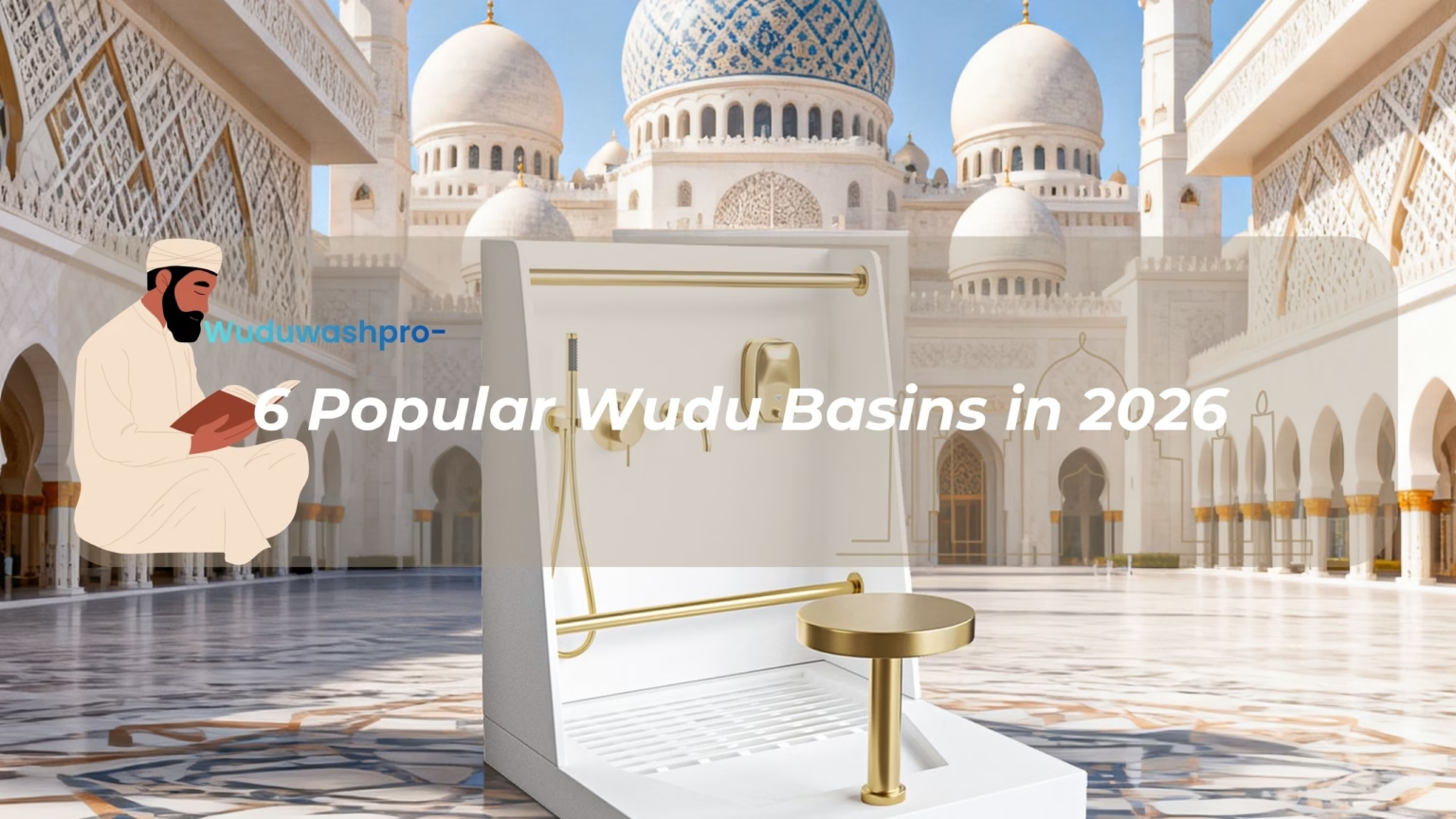
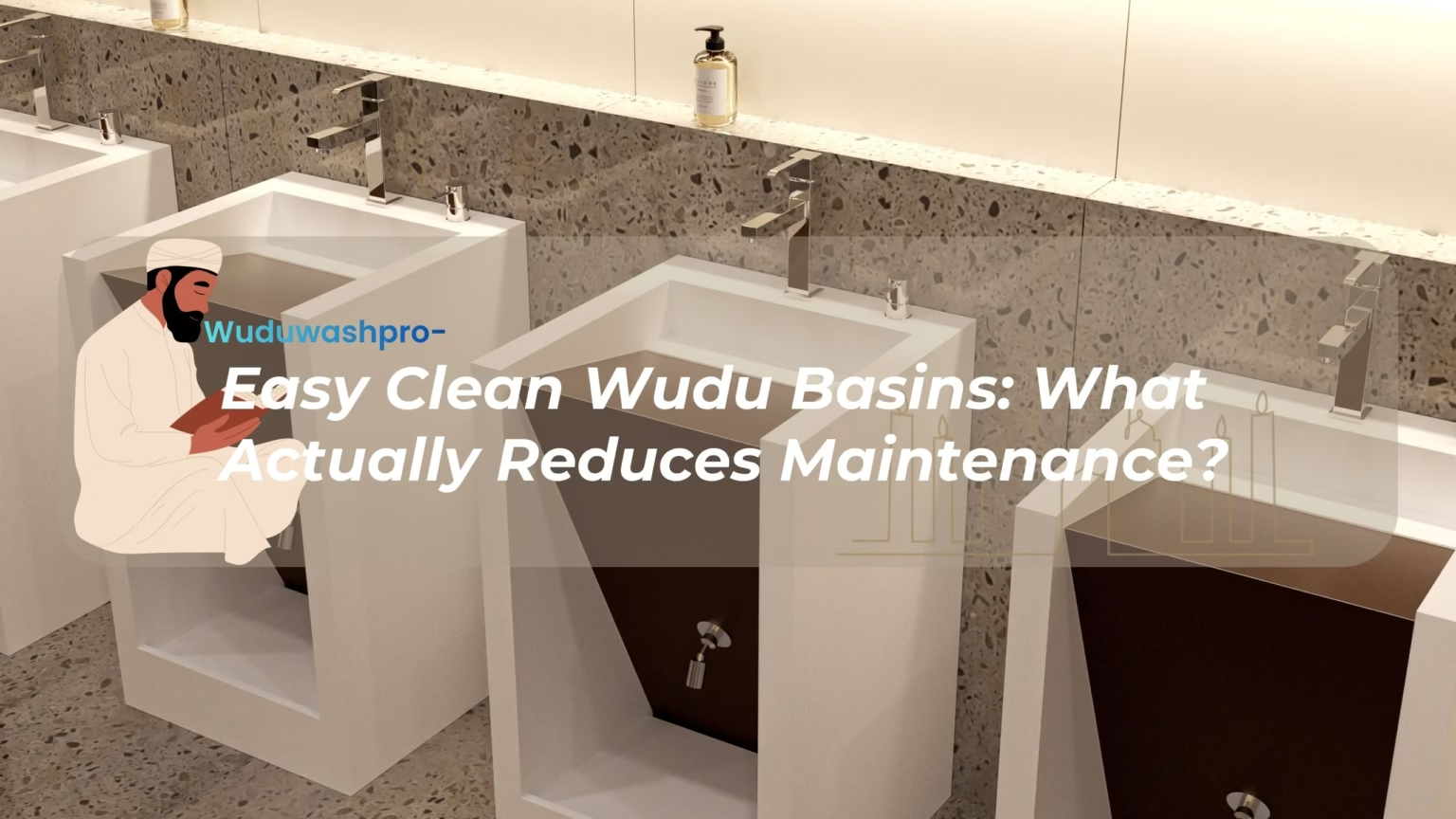
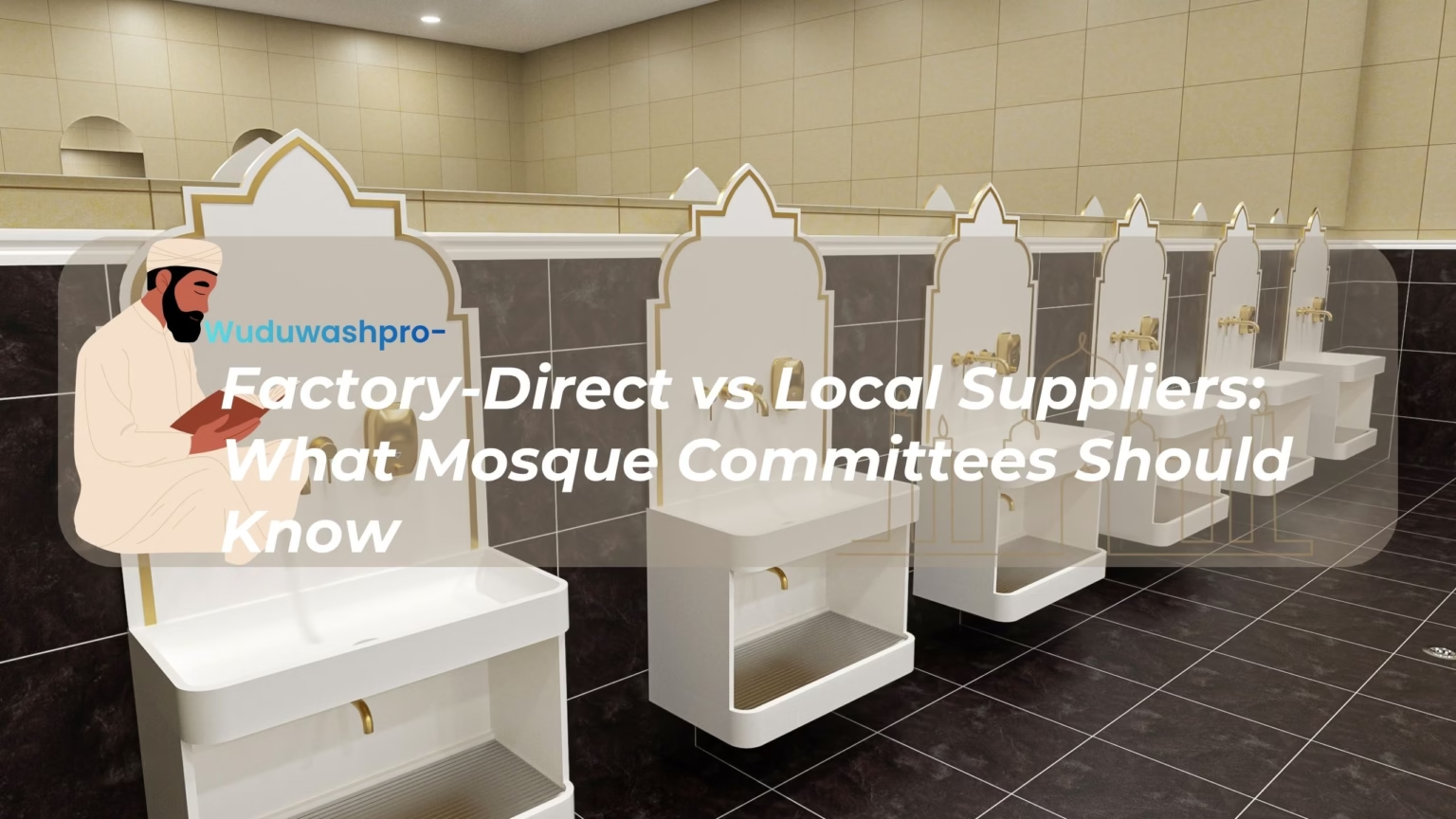
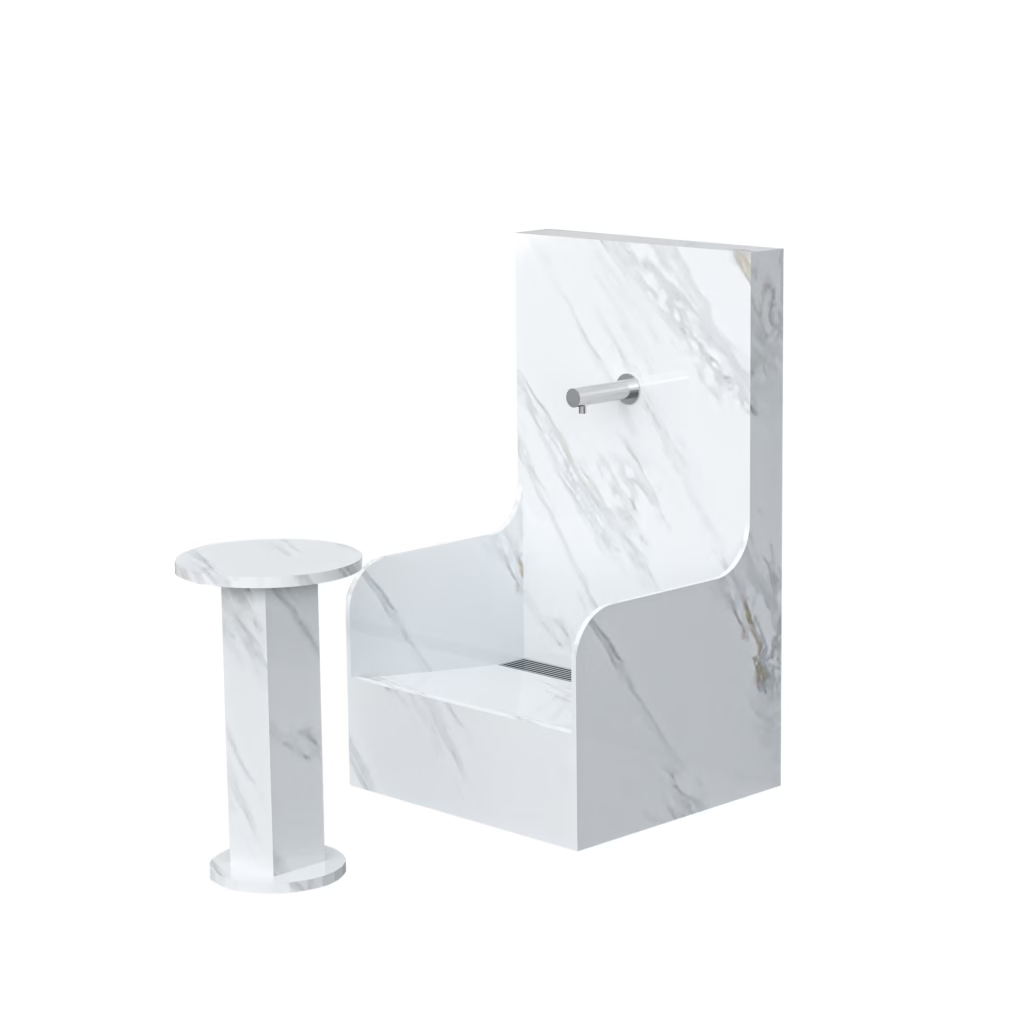
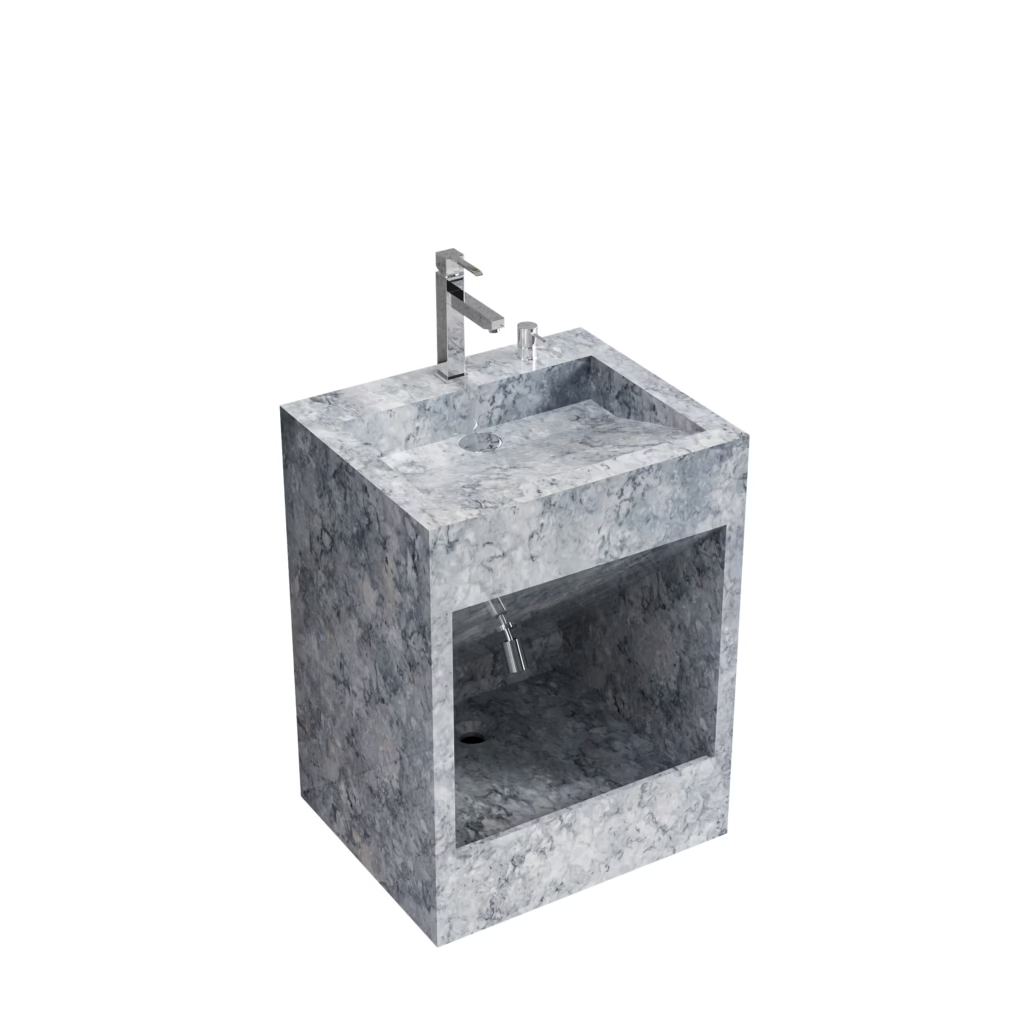
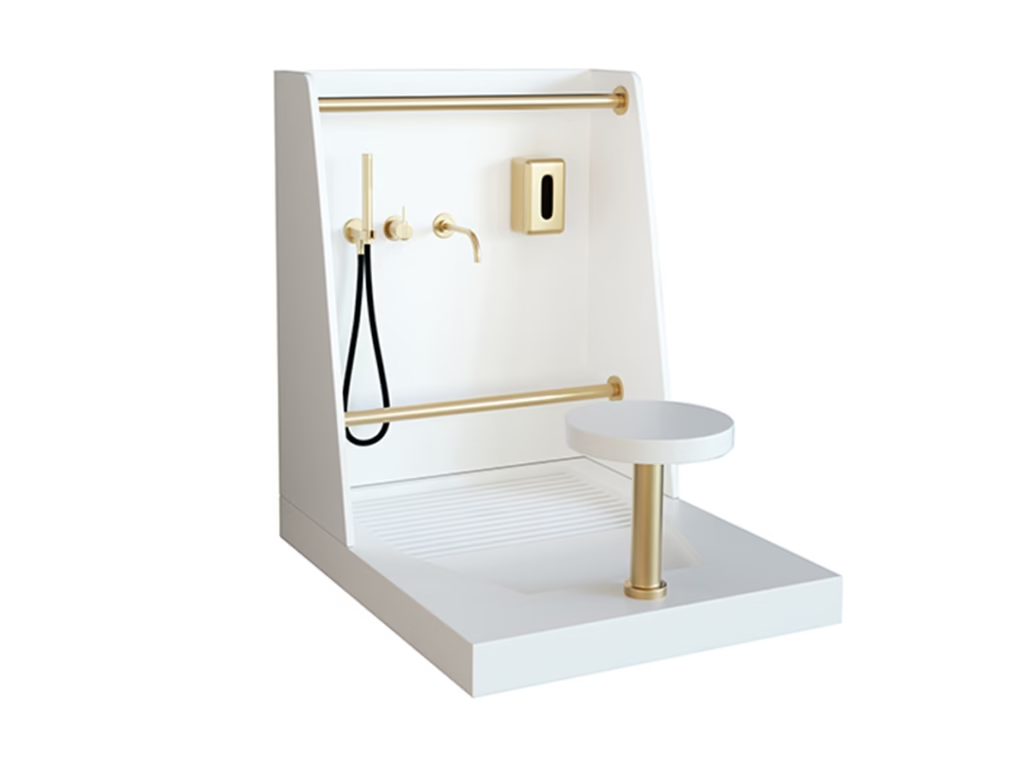
Solid surface has rapidly become the premium choice for contemporary wudu facilities thanks to its seamless finish, non-porous structure, and design flexibility. Unlike ceramic or stone, it can be molded into any shape — from minimalist singular bowls to curved multi-user stations — without visible joints.
Key advantages
- Bacteria-resistant, easy to clean surface
- Customizable color and marble texture options
- Repairable and renewable finish (longevity > 15 years)
- Ideal for high-traffic mosques and public wudu zones
Ideal applications: Mosques in the Middle East, airports, and multi-faith facilities where a modern, hygienic look is required.
👉 Related reading: Why Solid Surface is the Best Material for Wudu Basins
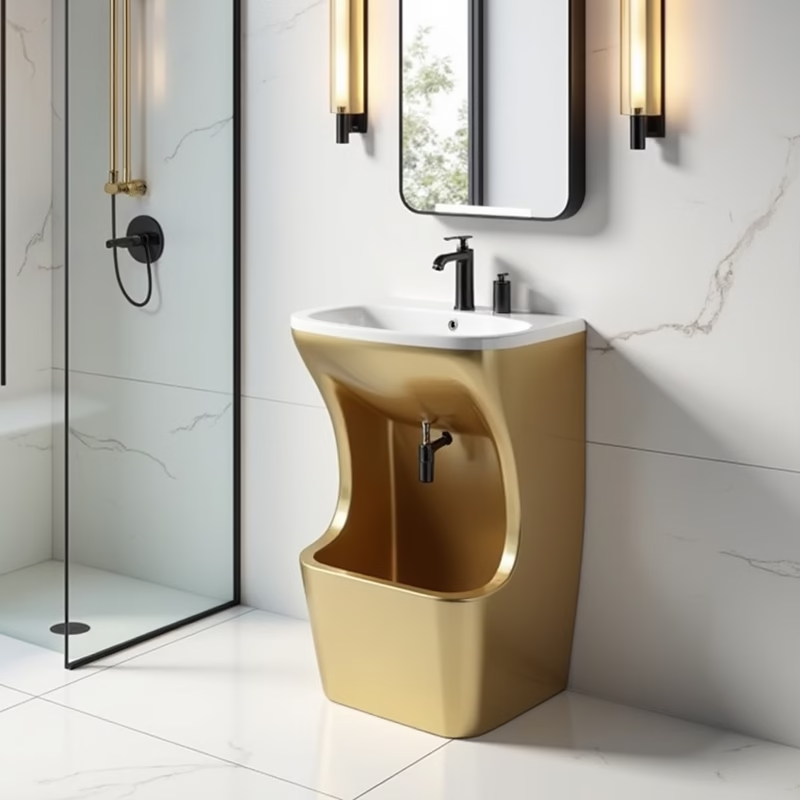
2. Ceramic and Porcelain — Classic Elegance for Traditional Mosques
Why it remains relevant:
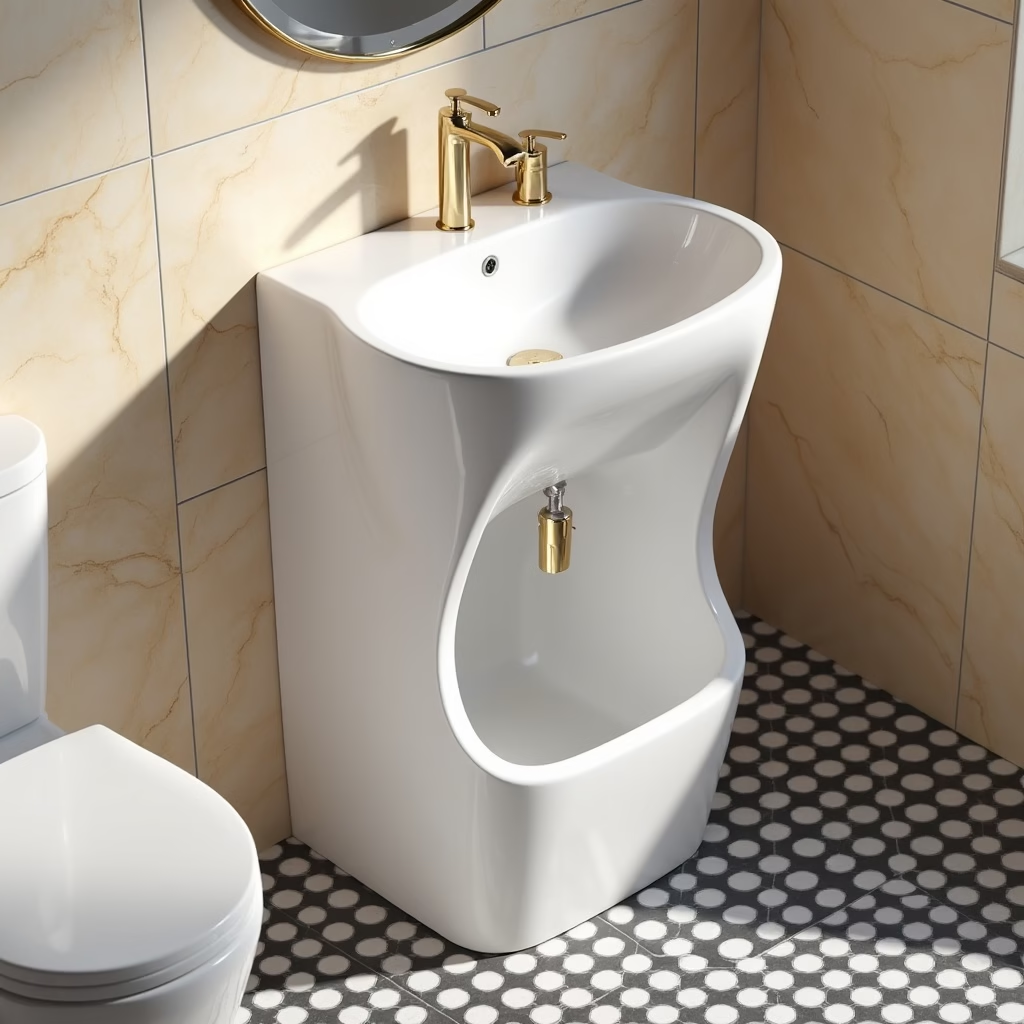
Ceramic and porcelain basins represent the most classic option — widely used for centuries in Islamic facilities. Their smooth, white glazed finish symbolizes purity and simplicity.
Key advantages
- Affordable and readily available worldwide
- Resistant to staining and chemical cleaners
- Timeless appearance that matches traditional architecture
Limitations
- Prone to cracks and chipping under heavy use
- Visible grout lines can harbor dirt in multi-unit installations
Ideal applications: Small community mosques or private prayer rooms where classic design is preferred and usage is moderate.
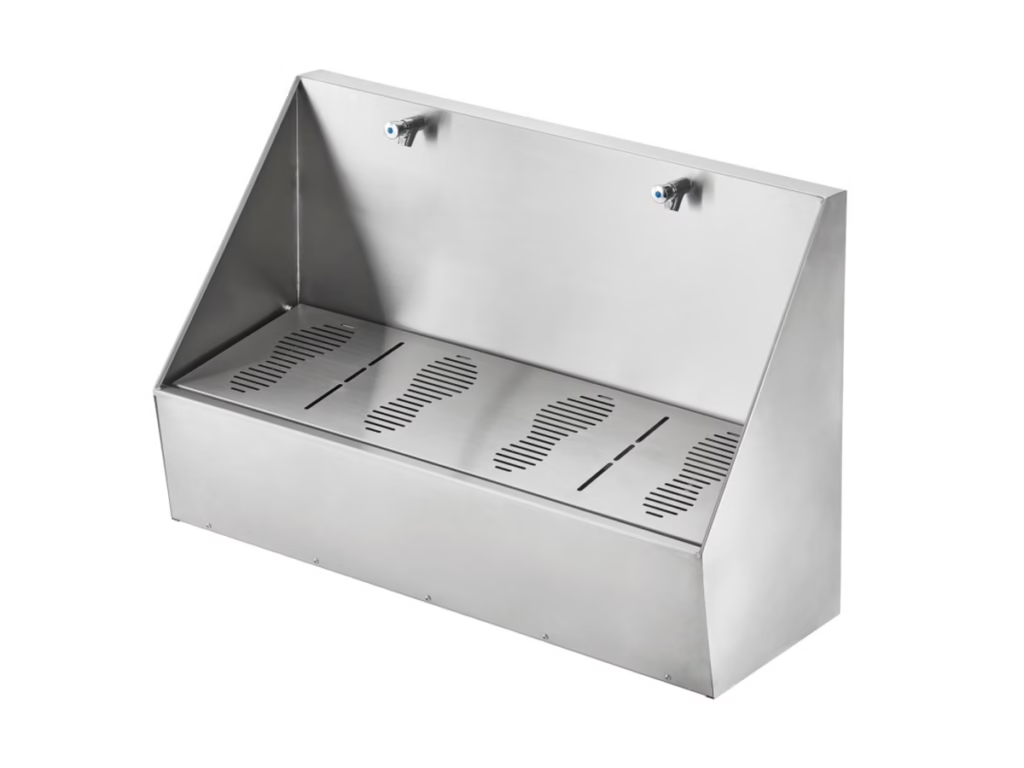
3. Stainless Steel — Durability and Industrial Strength
Why it’s popular in public facilities:
Stainless steel is renowned for its resistance to corrosion and impact, making it ideal for heavy-use environments such as universities, factories, and transport hubs.
Key advantages
- Long-lasting and virtually unbreakable
- Non-porous and easy to sanitize
- Available in brushed or matte finishes to reduce water marks
Limitations
- Can look industrial rather than decorative
- Conducts heat and cold, which can be uncomfortable to touch
Ideal applications: High-traffic public wudu facilities requiring low maintenance and maximum longevity.
👉 Explore related topics: Maintaining Hygiene Standards in Public Wudu Facilities
4. Eco-Composite & Recycled Materials — The Sustainable Future
Why it’s gaining momentum:
With the growing emphasis on green mosque design, manufacturers are developing composite materials made from recycled stone, resin, and bamboo fiber. These options offer strength and eco-credentials without sacrificing design.
Key advantages
- Made from recycled or renewable resources
- Low carbon footprint production process
- Aesthetic variety — can mimic stone or solid surface
Limitations
- Less widely available than traditional materials
- May require specialized installation techniques
Ideal applications: New eco-certified mosques and educational institutions that prioritize sustainability.
👉 Read more: Sustainable Materials for Modern Wudu Facilities: Beyond Aesthetics
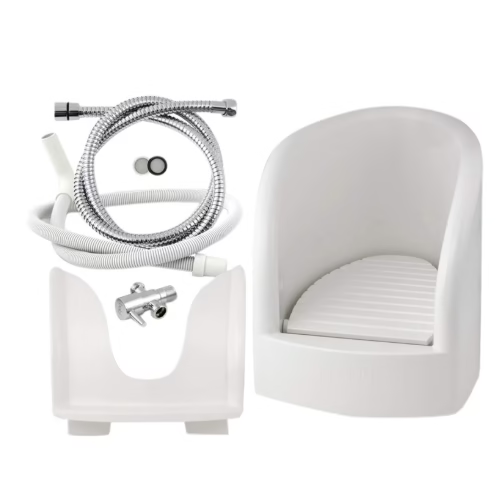
5. Acrylic and Lightweight Alternatives — Compact and Cost-Effective
Why it’s practical:
Acrylic and other lightweight synthetic materials serve as affordable alternatives for portable or compact wudu stations. They’re easy to transport, simple to install, and visually versatile.
Key advantages
- Lightweight for temporary or mobile installations
- Budget-friendly and easy to customize
- Smooth gloss finish mimicking ceramic
Limitations
- Less durable for long-term heavy use
- Prone to surface scratches over time
Ideal applications: Portable wudu units in event spaces or multi-faith rooms within airports and offices.
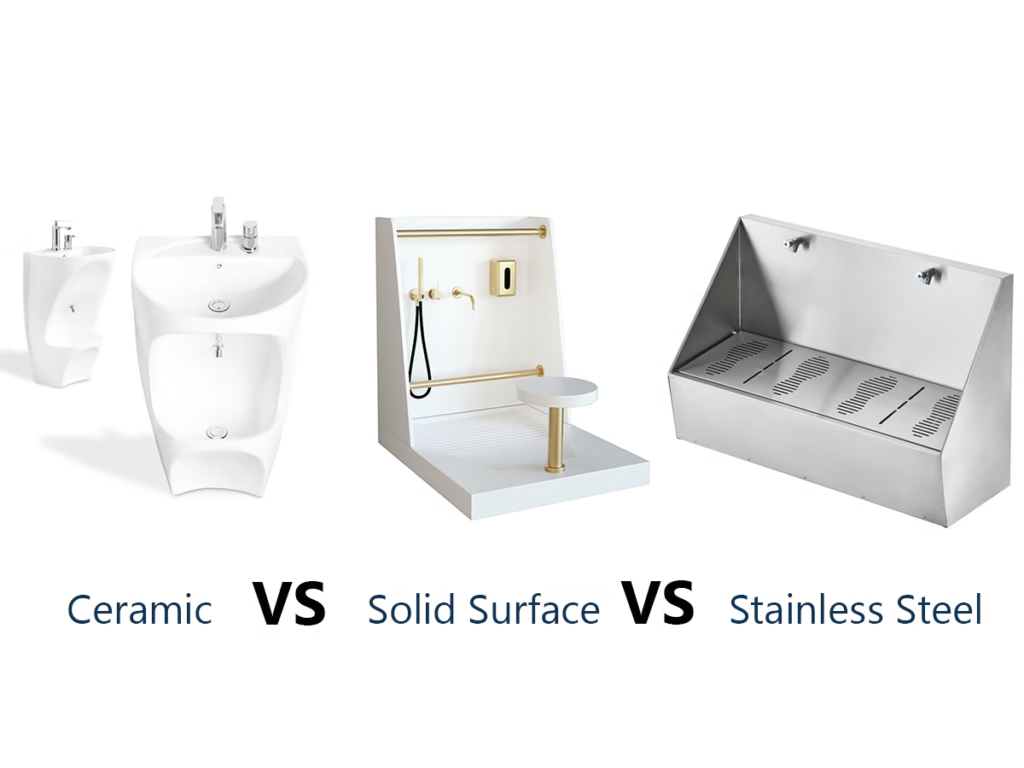
How to Choose the Right Material
- For high-traffic mosques: Solid surface or stainless steel.
- For luxury and custom designs: Solid surface with marble textures.
- For eco-friendly projects: Recycled composite materials.
- For budget-limited spaces: Ceramic or acrylic options.
Conclusion
Material choice is not just a technical decision — it’s a reflection of faith and responsibility. The best wudu basins of 2025 combine purity, precision, and purpose through modern materials like solid surface and eco-composites.
As architects and mosque developers strive for beauty and sustainability, selecting the right material becomes a spiritual and design statement.
👉 Explore customizable solid surface wudu solutions at WuduWashPro.com.
FAQ
1. What is the most hygienic material for wudu basins?
Solid surface is the most hygienic due to its non-porous surface and seamless jointing, which prevent bacteria growth.
2. Are ceramic wudu basins still used in modern mosques?
Yes. They remain popular for their traditional look and affordability, especially in smaller mosques.
3. Which material is best for outdoor wudu areas?
Stainless steel or UV-resistant solid surface perform best in outdoor conditions.
4. Are eco-friendly materials durable?
Yes. Modern recycled composites combine strength with low environmental impact, making them suitable for long-term use.
5. Can wudu basins be customized for different architectural styles?
Absolutely. Solid surface materials can be molded, textured, and colored to match any mosque’s interior aesthetic.