The wudu basin is an essential fixture in any mosque, Islamic center, or personal prayer space. Choosing the right material not only affects durability and hygiene but also impacts aesthetic appeal and long-term maintenance. In this 2025 guide, we explore the most common materials used for wudu basins, helping facility planners, architects, and homeowners make informed decisions.
If you are new to this topic, you may want to start with our detailed explanation in What is a Wudu Basin?.
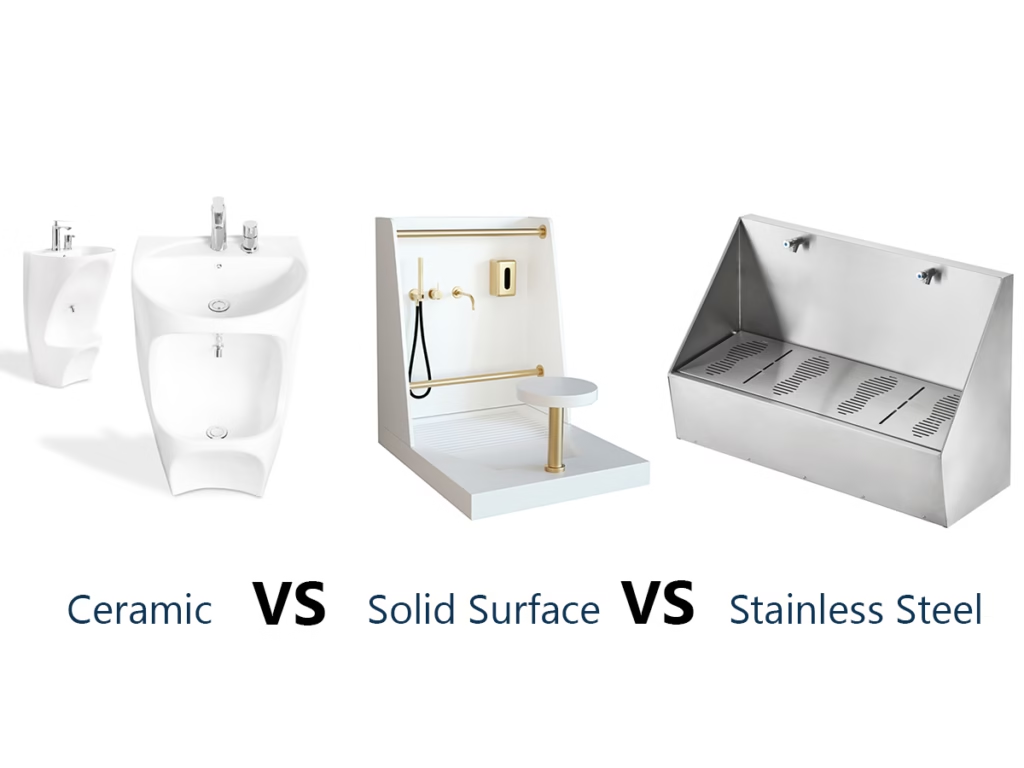
1. Ceramic / Porcelain Wudu Basins
Ceramic and porcelain basins are the traditional choice for wudu areas. They have been used for decades due to their affordability, ease of cleaning, and classic appearance.
Advantages:
- Smooth, non-porous surface for easy maintenance
- Resistant to most everyday stains
- Widely available in different sizes and shapes
Limitations:
- Can crack or chip under heavy use
- Limited customization options
- Typically single-level designs with basic aesthetics
Despite these limitations, ceramic basins remain popular in smaller mosques and community prayer areas. For modern design trends, you can check our article on Top 5 Design Features of Modern Wudu Basins.
2. Solid Surface Wudu Basins
In recent years, solid surface materials have become a preferred choice for mosques, hotels, and high-traffic facilities. Unlike ceramic, solid surface offers durability, hygiene, and flexibility in design.
Advantages:
- Seamless design for a sleek, modern look
- Non-porous and antibacterial, preventing mold and bacteria
- Customizable in size, shape, color, and marble-pattern finishes
- Dual-level options for ergonomic use of hands and feet
Solid surface basins are also popular for luxury mosques and high-end hotels, combining functionality with aesthetics. For a deep dive into this material, see The Role of Solid Surface in Modern Wudu Basin Design.
3. Stainless Steel Wudu Basins
Stainless steel is a modern alternative used mostly in public spaces and high-traffic areas. Its strength and resilience make it ideal for facilities that need low-maintenance solutions.
Advantages:
- Extremely durable and resistant to impacts
- Hygienic and easy to sanitize
- Modern industrial aesthetic, suitable for airports, schools, or public mosques
Considerations:
- Limited design versatility compared to solid surface or marble-pattern finishes
- Can feel cold and less inviting in certain architectural contexts
For a detailed comparison between stainless steel and solid surface, you can read Stainless Steel vs. Solid Surface Wudu Basins: Which Is Better?.
Above options are typically chosen for custom projects or special design requirements. If you want guidance on selecting the right basin, check How to Choose the Best Wudu Basin for Your Mosque and 10 Key Aspects to Choose a Good Wudu Basin.
How to Choose the Right Material
When selecting a wudu basin, consider the following factors:
- Location and traffic – high-traffic mosques may benefit from solid surface or stainless steel
- Maintenance – ease of cleaning and resistance to mold or cracks
- Design and aesthetics – matching mosque interior or prayer space
- Budget – balance upfront cost with long-term durability
- Customization needs – dual-level, engraved patterns, or marble finishes
For more tips on design and layout, see The Complete Guide to Designing Wudu Areas in Mosques.
Conclusion
Choosing the right wudu basin material is essential for functionality, hygiene, and aesthetics. Ceramic/porcelain remains a classic choice, solid surface leads in modern design and customization, and stainless steel is ideal for durability in public areas. Other materials like acrylic or quartz offer additional flexibility for specialized needs.
For trusted suppliers and customizable options, check out Best Wudu Basin Brands 2025: Top Suppliers You Should Know.
FAQ
Q1: What are the most common materials for wudu basins?
A: Ceramic/porcelain, solid surface, stainless steel
Q2: Which material is most durable for high-traffic mosques?
A: Solid surface and stainless steel are the most durable and low-maintenance options.
Q3: Can wudu basins be customized?
A: Yes, especially solid surface basins can be customized in size, shape, color, and engraving.
Q4: Are ceramic wudu basins still a good choice?
A: Yes, for smaller facilities or budget-conscious projects, ceramic is still reliable.