Introduction
An Ablution Basin is a specialised, low-mounted fixture designed to serve Muslim worshippers. It is designed to handle a large volume of water and sudden surges in user traffic during peak times, compared to standard bathrooms.
An ablution basin should be of high quality and must handle users on special days, such as Friday or Eid prayers. Therefore, multiple types of wudu basins serve the users.
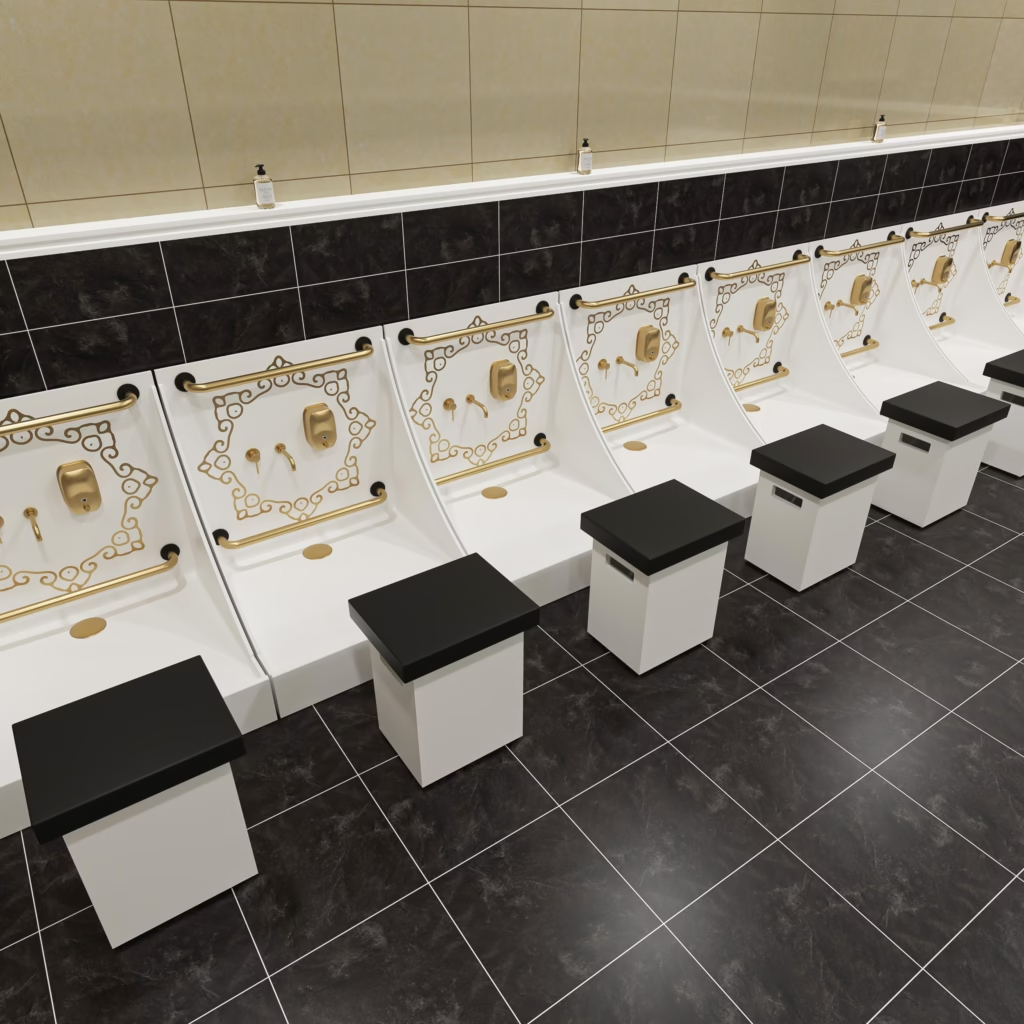
Today, we will explore various types of wudu basins, discuss durable materials, and outline a framework for selecting a high-quality wudu basin.
What is An Ablution Basin?
An ablution basin, often referred to as a wudu basin, is a specially designed fixture used for ritual washing before prayer. These basins are equipped with low-mounted faucets and specific features that make them ideal for ablution, ensuring accessibility, hygiene, and comfort.
Compared to a standard bathroom, an ablution basin has several unique features.
- The Wudu basin has plenty of space for washing feet, unlike standard washroom sinks.
- Many basins have incorporated seating areas for comfort. On the other hand, standard bathrooms are suitable for standing and washing face and hands.
- Wudu basins feature a design that handles more water and enables frequent use. At the same time, standard washrooms handle low traffic and less water.
Types of Ablution Basin
There are various types of Ablution basins. We have included four critical types necessary for your mosque projects.
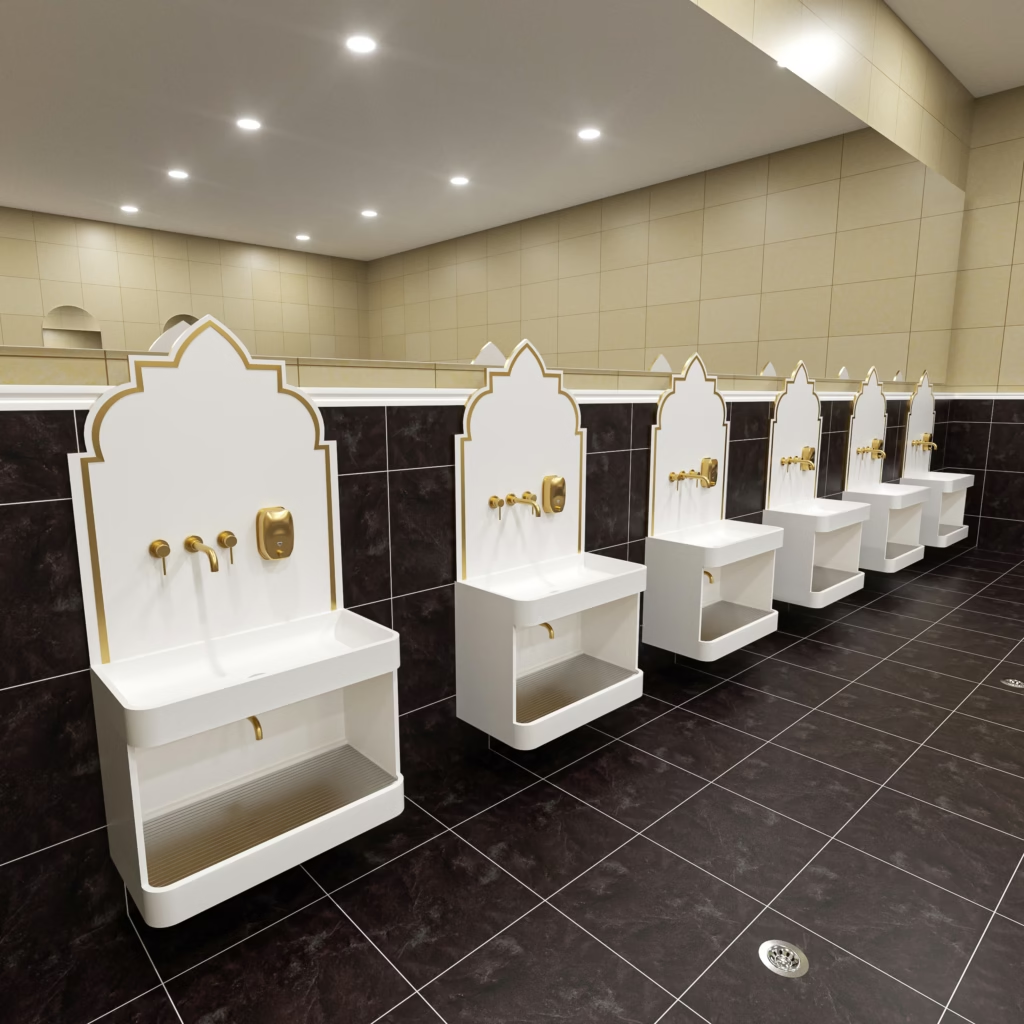
Wall-mounted ablution basins
Wall-mounted Ablution basins are installed directly on the wall. It helps save space and make a more structured design.
Such basins are often installed lower than standard washroom sinks and feature the following.
- Space-saving installation
- Simple plumbing connections
- Easy cleaning and maintenance
- Suitable for small prayer facilities
Floor-mounted or seated ablution basins
Another type is the floor-mounted wudu basins. It lies directly on the ground, takes up a little more space, but offers better structural support.
These basins have seating areas and provide a more ergonomic design for washing feet and performing wudu. They have the following benefits.
- Improved comfort
- Reduced strain on knees and back
- Better accessibility for elderly users
- Safer foot washing
Multi-user ablution stations
A few high-traffic mosques see high user counts even on normal days. On Eid or Friday, they get humongous worshippers.
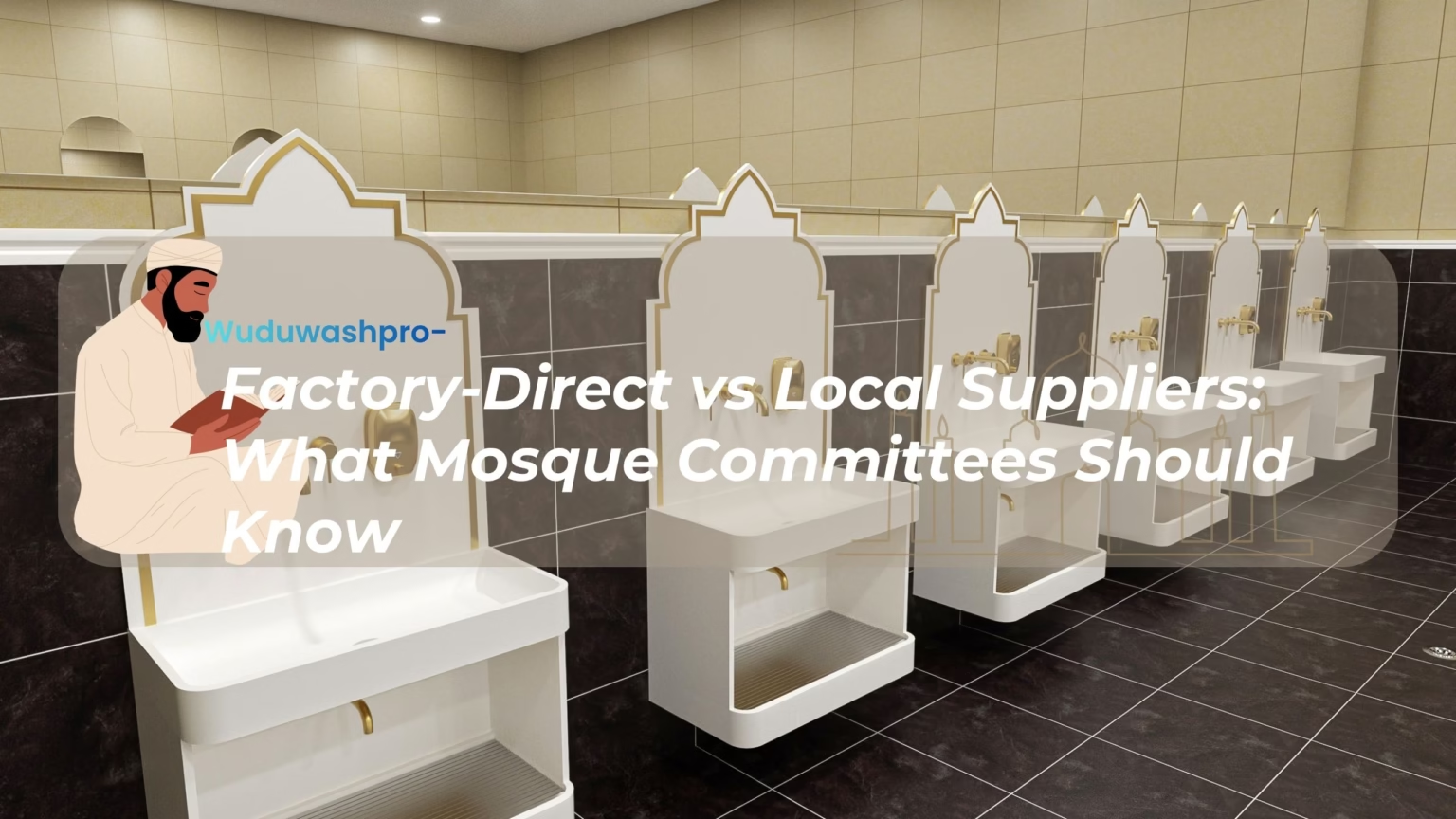
Multi-user ablution stations have a series of wudu basins installed in parallel, often attached to the floor or walls.
The benefits include:
- Multiple washing points
- Efficient water drainage systems
- Durable construction
- Designed for heavy usage
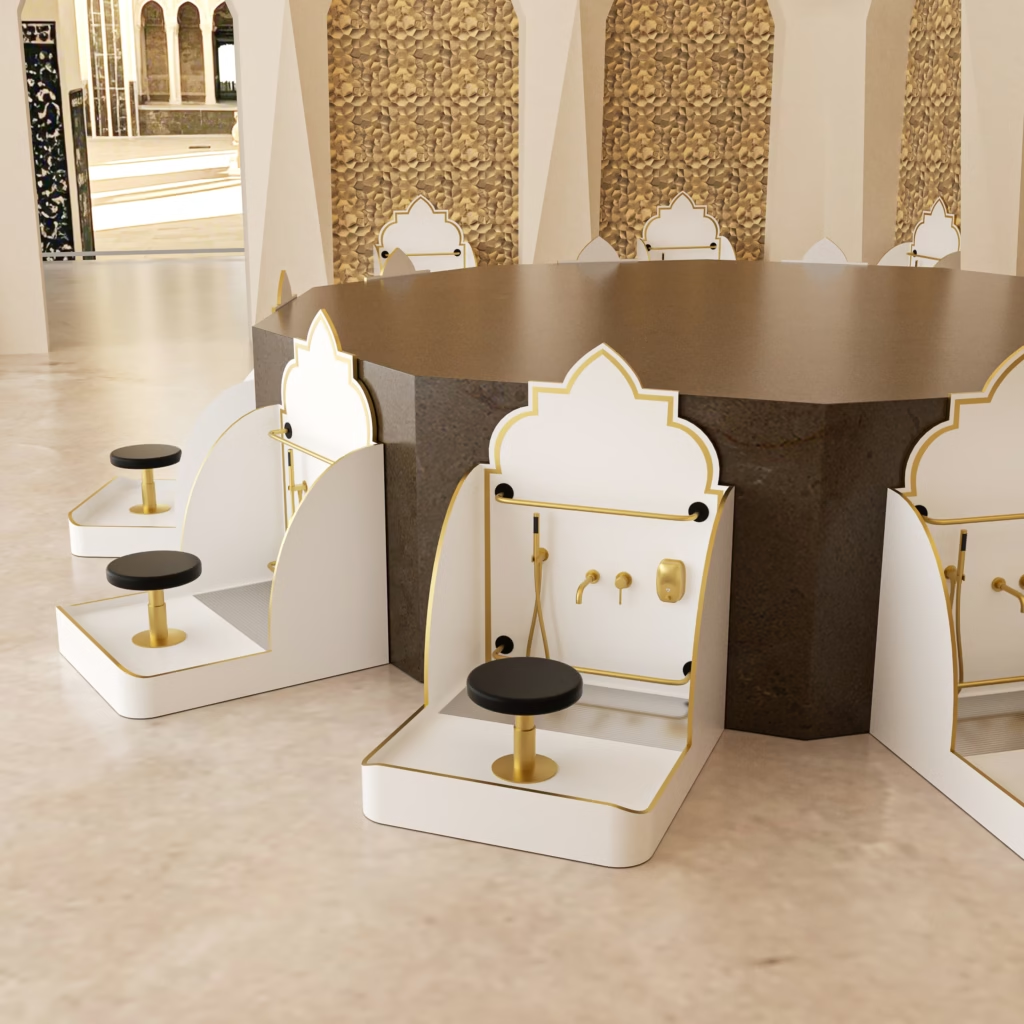
Integrated ablution units with seating
If you are looking for an all-in-one solution, integrated ablution units are the ultimate option. They have seating, foot-washing space, drainage systems, and water controls in a single design.
Such basins are carefully designed to offer a more comfortable wudu environment and high durability. They have the following features.
- Built-in seating
- Foot platforms
- Splash guards
- Anti-slip surfaces
- Efficient drainage
Use in Public Mosques
Wudu basins are fundamental structures in the public mosques and help worshippers prepare themselves for prayers.
The key features of a public mosque include:
Placement in mosque architecture
Mosque architecture has a few places where you can place the wudu basins. These include:
- In a dedicated washing room
- In an outdoor courtyard
- In a separate facility connected to the mosque
There are specialized wudu areas in mosques where you can install the wudu basins and handle wudu tasks.
Designed for high user traffic
Mosques often handle large traffic on normal days. There is peak traffic on Friday, Eid Days, and religious gatherings.
To handle large volumes of foot traffic and users, wudu basins feature advanced features. For example, there are excellent drainage systems and solid-surface materials, with a series of wudu stations. They can handle:
- Frequent daily use
- Large groups of users
- Continuous water flow
- Rapid drainage
Hygiene and water management considerations
Pre-planned drainage systems with sloped floors in the wudu area enable quick water drainage and reduce the risk of water stagnation and contamination. It creates a hygienic environment due to the maintained water flow.
In short, wudu basins have the following features.
- Smooth surfaces are easy to clean.
- Proper drainage systems
- Splash control designs
- Water-efficient faucets
Accessibility and comfort for users
One of the best things about the high-quality wudu basins is the accessibility for the elderly and disabled people.
They often have:
- Seated systems to allow comfortable foot washing.
- Handrails for support
- Non-slip floors in wudu areas to prevent slips and falls.
Materials Used
There are different types of wudu basins, each with its own material. We will evaluate each type and understand its fundamental differences.
Stainless steel basins
Stainless steel basins are made from a mixture of steel and chromium, providing exceptional durability and resistance to corrosion. These basins are particularly ideal for high-traffic areas such as mosques and public prayer spaces. They are resistant to rust and easy to maintain, although they may lack the aesthetic appeal of other materials like porcelain or solid surfaces.
The differentiating features of such wudu basins include:
- High Durability. It is highly durable compared to porcelain or ceramic basins, thanks to its robust structure and longevity.
- Corrosion resistance. Stainless steel basins are immune to wet environments. They don’t react with water and don’t readily go away.
- Lightweight. Wudu basins are lighter than ceramic or solid-surface materials.
The applications include:
- Large mosques and Islamic centers
- Airports and public prayer facilities
- Schools and universities
- Commercial ablution stations with heavy traffic
Ceramic or porcelain basins
Ceramic and porcelain wudu basins are made from fired clay materials, known for their smooth, glazed finish. While they are more aesthetically pleasing and resistant to stains compared to stainless steel, they are more prone to chipping and cracking. Additionally, they are more porous, which can lead to moisture absorption over time, affecting their longevity and cleanliness.
The prominent features of ceramic wudu basins include:
- Smooth finish. The glazed finish of porcelain wudu basins is elegant and more attractive than that of stainless steel basins.
- Stain resistance. Compared to stainless steel, they are more resistant to stains and watermarks. It is because of the glazed coating.
- Affordable Option. Ceramic wudu basins are more affordable than stainless steel or solid surface materials.
The ceramic wudu basins are suitable for small-scale basins. For example:
- Residential bathrooms with ablution areas
- Small mosques with moderate user traffic
- Prayer rooms in homes or offices
- Renovation projects with limited budgets
Solid surface materials
One of the best and most modern materials for wudu basins is the solid surface. It has composite materials that combine natural minerals and resins. They have a non-porous surface and don’t allow water or bacterial buildup to accumulate inside the materials.
Solid surface materials have the following critical features.
- High Design Flexibility. Solid surface materials offer greater structural customisation than ceramic or stainless steel. Engineers can mold it into various shapes and sizes. The seating designs are seamless to create with these materials.
- Moisture and Stain Resistance. Solid surface materials don’t react to water or stains. Moreover, a solid surface prevents the settlement of stains. Therefore, they are more resistant compared to stainless steel or ceramic materials.
- High Hygiene. Solid surface materials don’t allow bacteria to settle in the pores. It leads to reduced contamination, greater tile durability, and better hygiene.
- Modern Aesthetic Appeal. Solid surface materials have an aesthetic look and quality designs. It makes them blend into mosque themes and look elegant.
The common applications of these materials include:
- Modern mosque construction projects
- High-end Islamic centers
- Architect-designed ablution areas
- Premium residential installations
Comparison Table
Before you consider each material, you should understand how each is useful and which one should be your primary choice.
| Feature | Stainless Steel | Ceramic / Porcelain | Solid Surface |
| Durability | Very high, resistant to impact | Moderate, can chip or crack | High but depends on thickness |
| Appearance | Modern and industrial | Classic and decorative | Modern and premium |
| Cost | Moderate | Usually more affordable | Typically most expensive |
| Maintenance | Easy but shows water marks | Easy and stain resistant | Easy with seamless surfaces |
| Best Use | High-traffic mosques | Homes and small mosques | Modern architectural projects |
FAQs
- Why do some ablution basins include seating areas?
Wudu basins with seating areas feature a more ergonomic design and offer better accessibility for children, adults, and people with disabilities.
- How do ablution basins help improve hygiene in mosques?
Wudu basins feature an efficient design that handles large water volumes and maintains proper drainage. Large capacity pipelines and sloped floors enable water drainage and maintain hygiene.
- Are there accessible ablution basins for elderly or disabled users?
Yes. Many modern wudu basins have accessibility features for the elderly and disabled users. For example, they have seating, handrails, lower basins, and wider spaces between stations.
- Are ablution basins designed differently for homes and mosques?
Yes. Mosque wudu basins are often multi-station and serve many people simultaneously. They enable quick drainage while handling large water volumes. On the other hand, residential wudu basins serve only a limited number of users and handle low water volumes.
- Where are ablution basins typically installed?
There are many spaces where you can install the wudu basins. For example, mosques, Islamic centers, prayer rooms, schools, airports, and sometimes private homes have wudu basins.
Conclusion
Choosing the right wudu basin is essential for ensuring long-term hygiene, safety, and functionality. By selecting durable materials, efficient drainage systems, and ergonomic designs, you can improve the ablution process for worshippers and maintain a clean, hygienic environment in the mosque.
If you are looking for high-end wudu basin solutions, look no further, as Wudu Wash Pro experts are here. We offer a wide range of wudu basin solutions to help you meet your needs. Consult our experts regarding your mosque wudu projects right away!