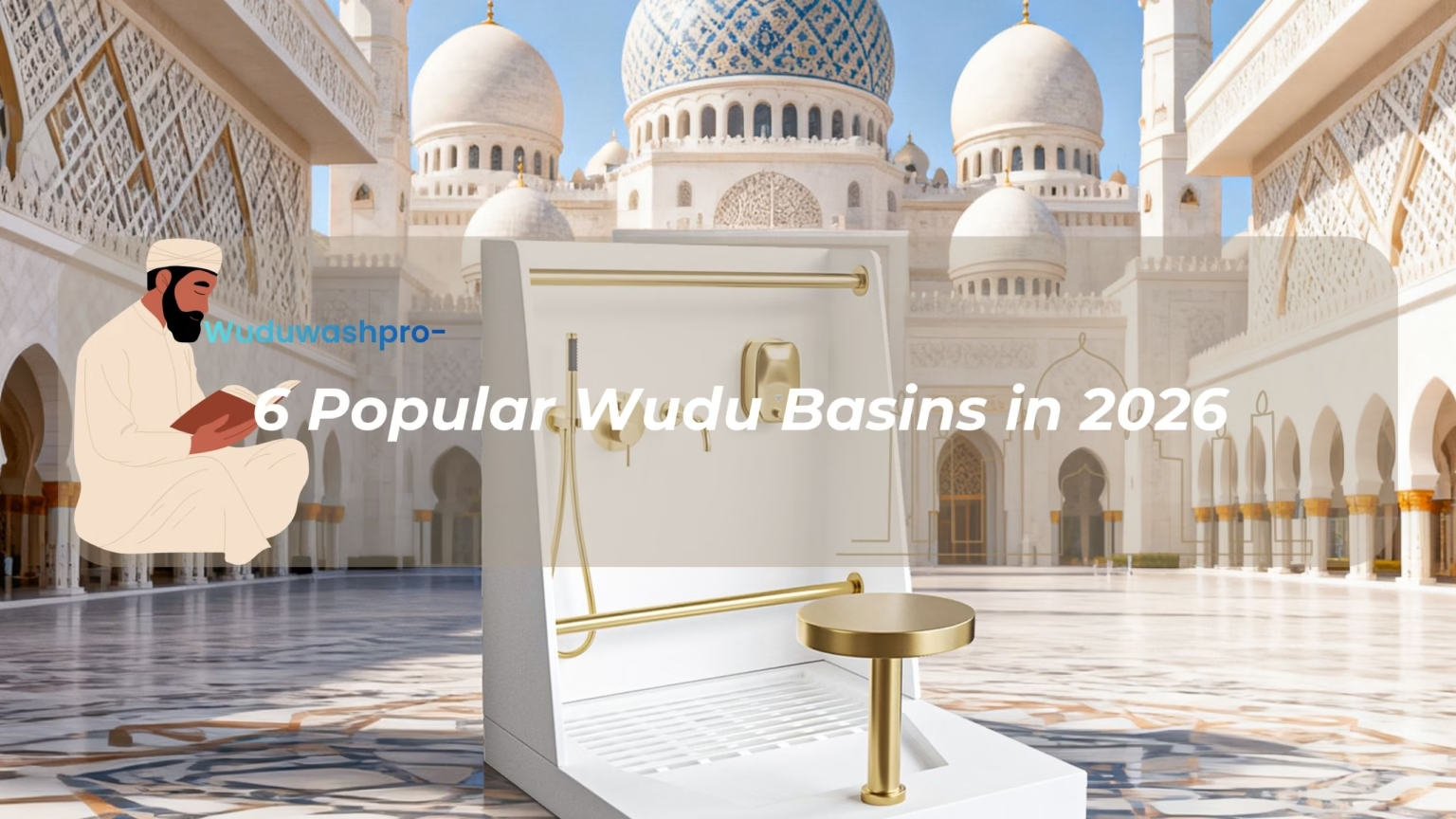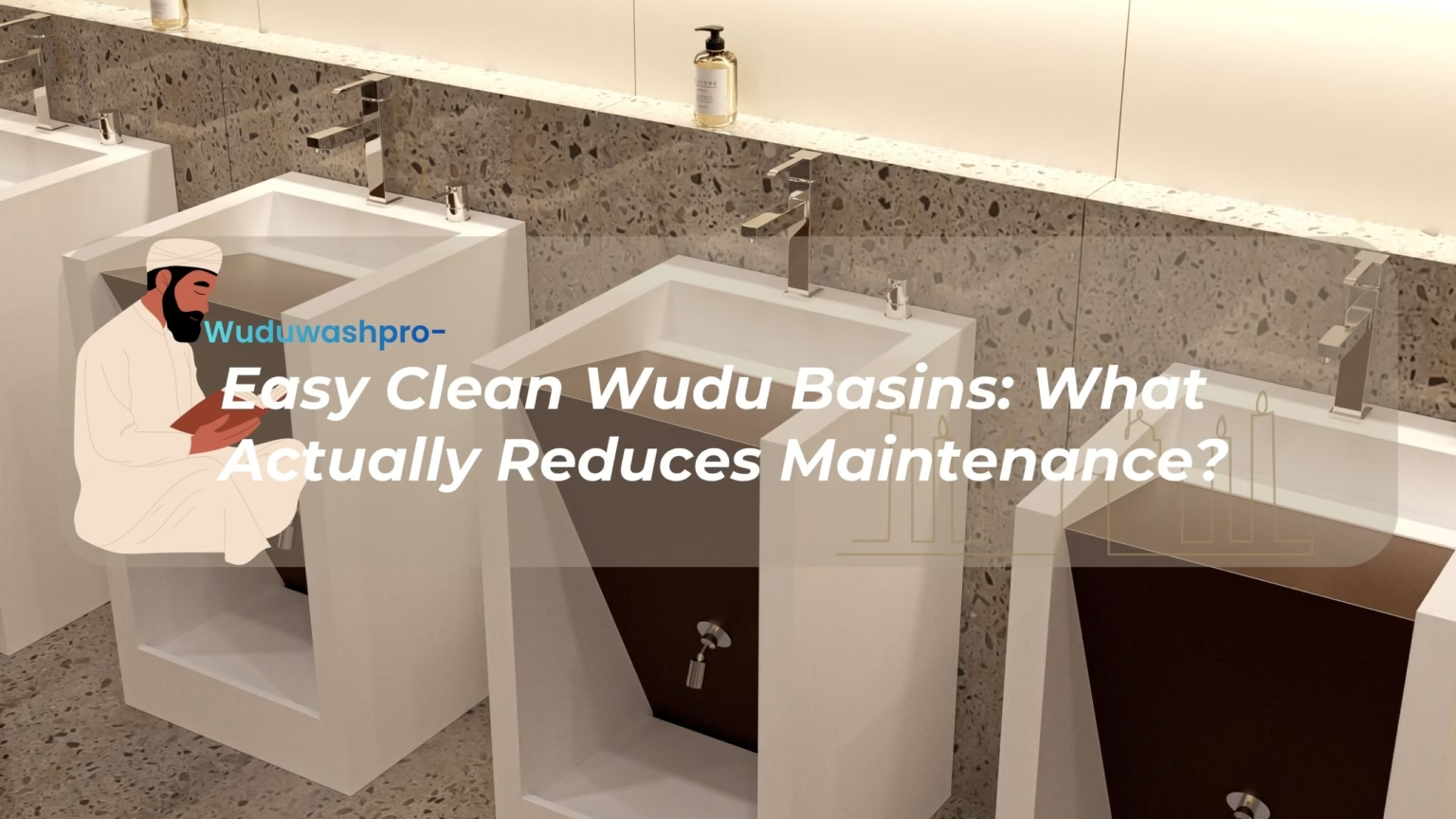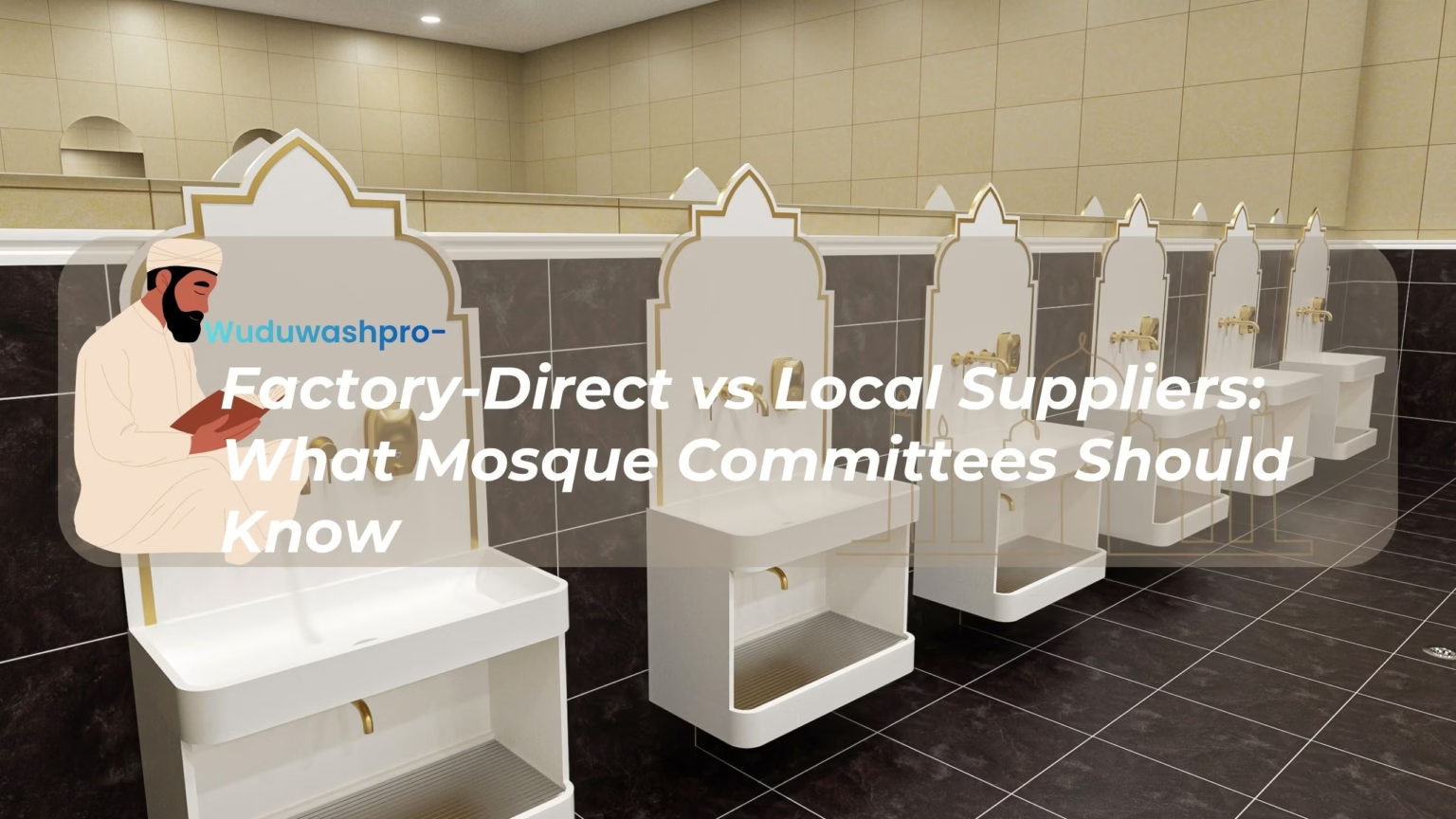
As cities grow more diverse, public spaces—from airports to universities—are increasingly designed with inclusivity in mind. For Muslim worshippers, access to clean and thoughtfully designed prayer facilities in public spaces is an essential aspect of daily life. Beyond providing a quiet room for salah (prayer), modern design now integrates ablution areas that balance tradition with contemporary architectural standards.
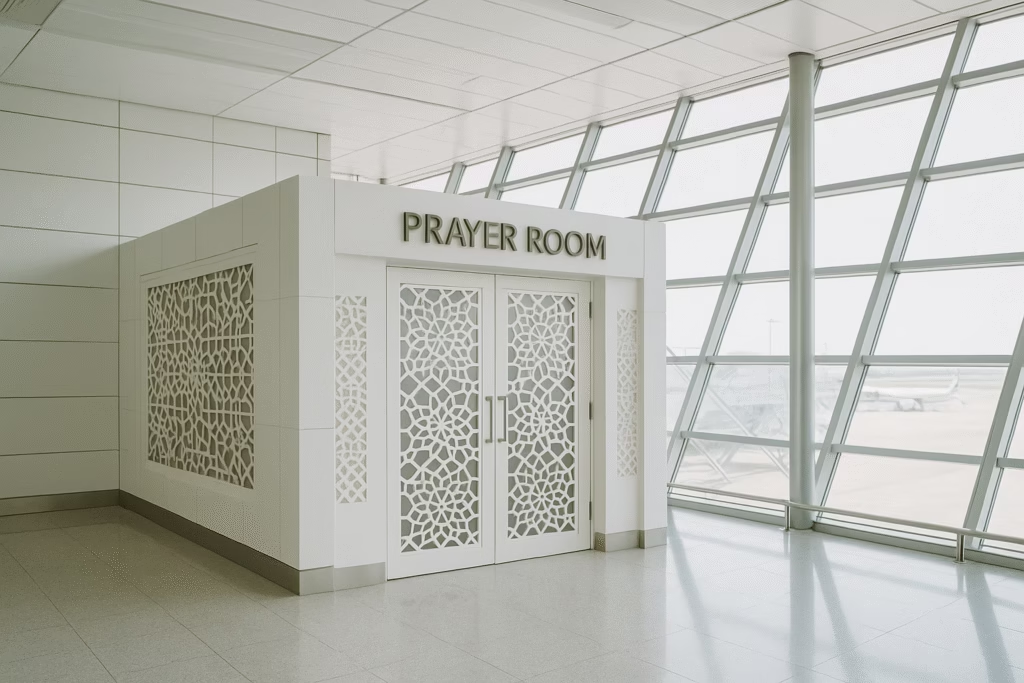
Why Prayer Facilities Matter in Public Spaces
Prayer is central to Muslim life, with five daily prayers forming the foundation of religious practice. In many countries, Muslims form a significant portion of the population or visitors, making prayer facilities not just an amenity but a necessity.
Including such spaces in offices, transportation hubs, and universities sends a strong message of respect and inclusivity. It ensures Muslim employees, travelers, and students can meet their religious obligations with dignity and convenience.
👉 Learn more about the spiritual connection between faith and ablution in our blog: The Importance of Wudu in Daily Muslim Life.
Mosque Design Meets Modern Architecture
Traditionally, mosques have set the standard for prayer facilities. Today, elements of mosque design in modern architecture are being adapted into public buildings. Key features include:
- Orientation toward Qibla (direction of Mecca)
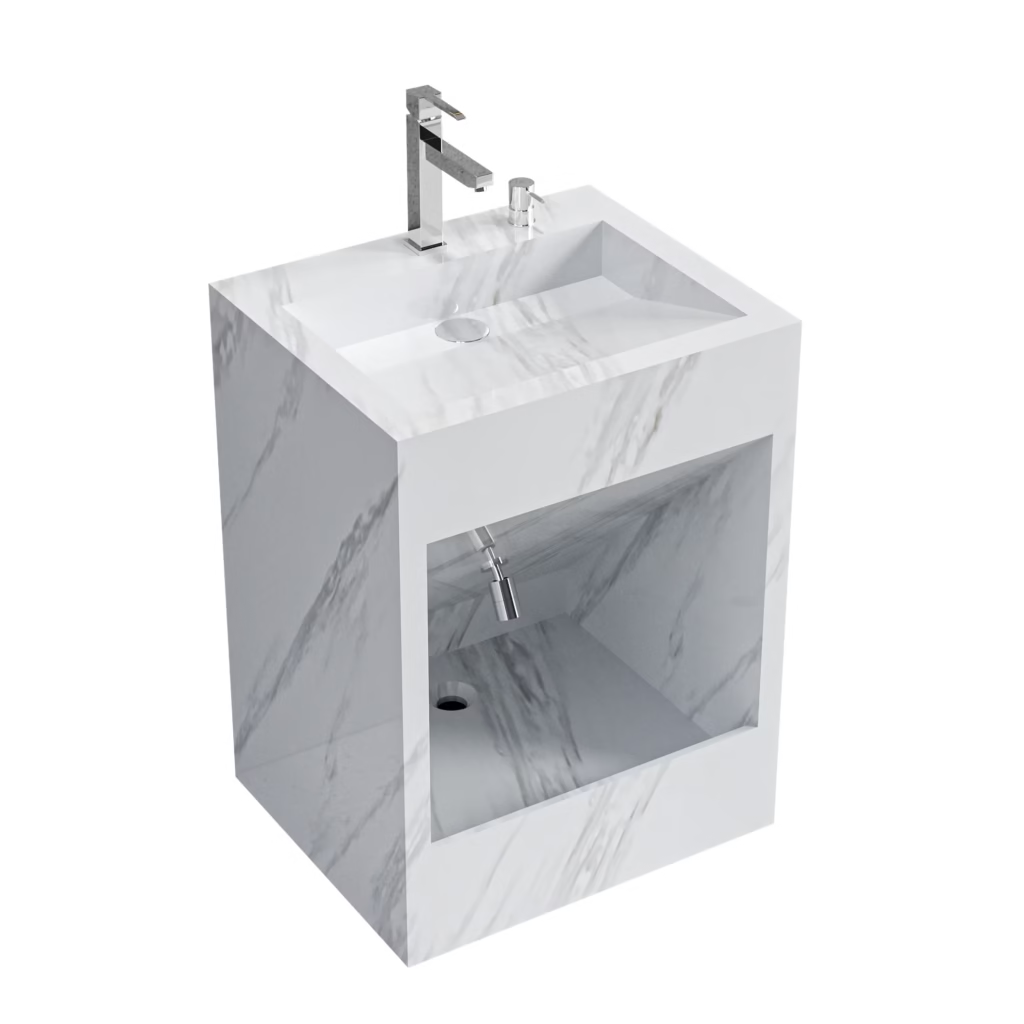
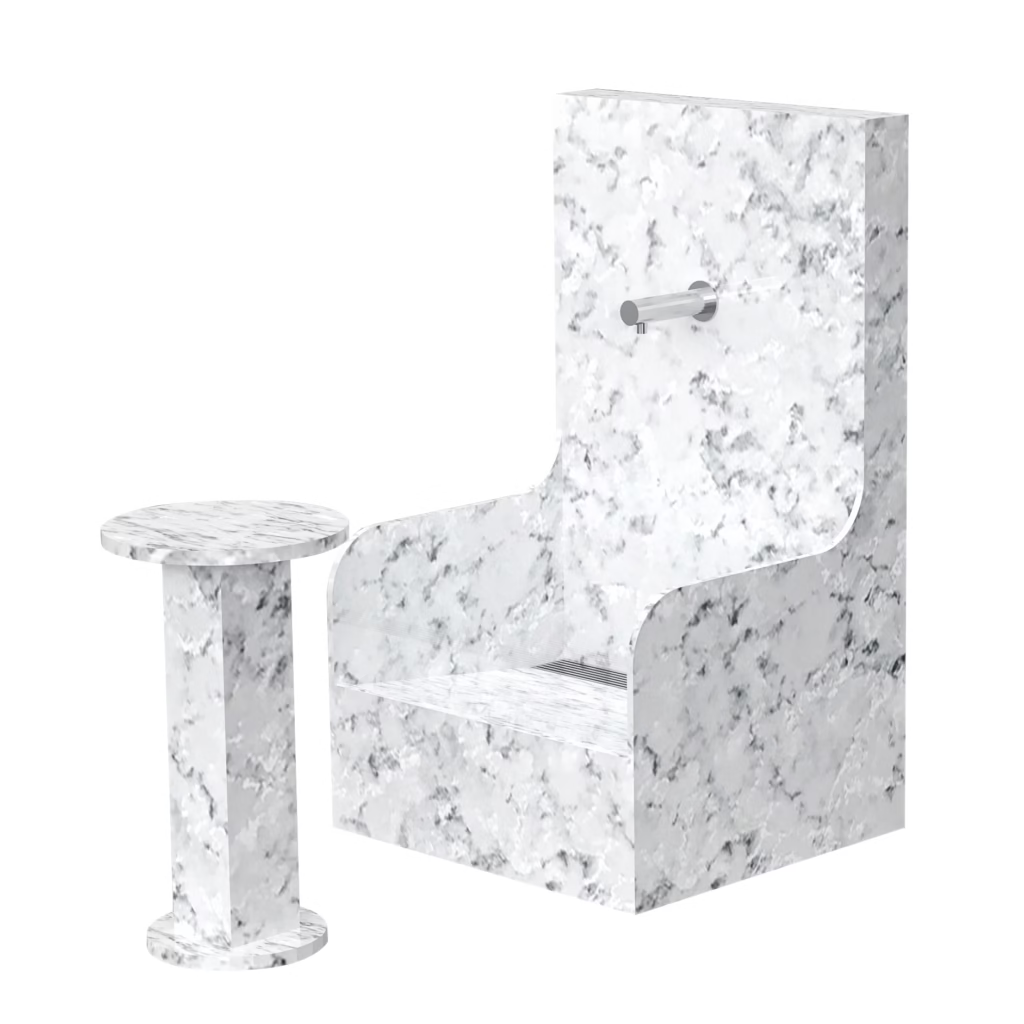
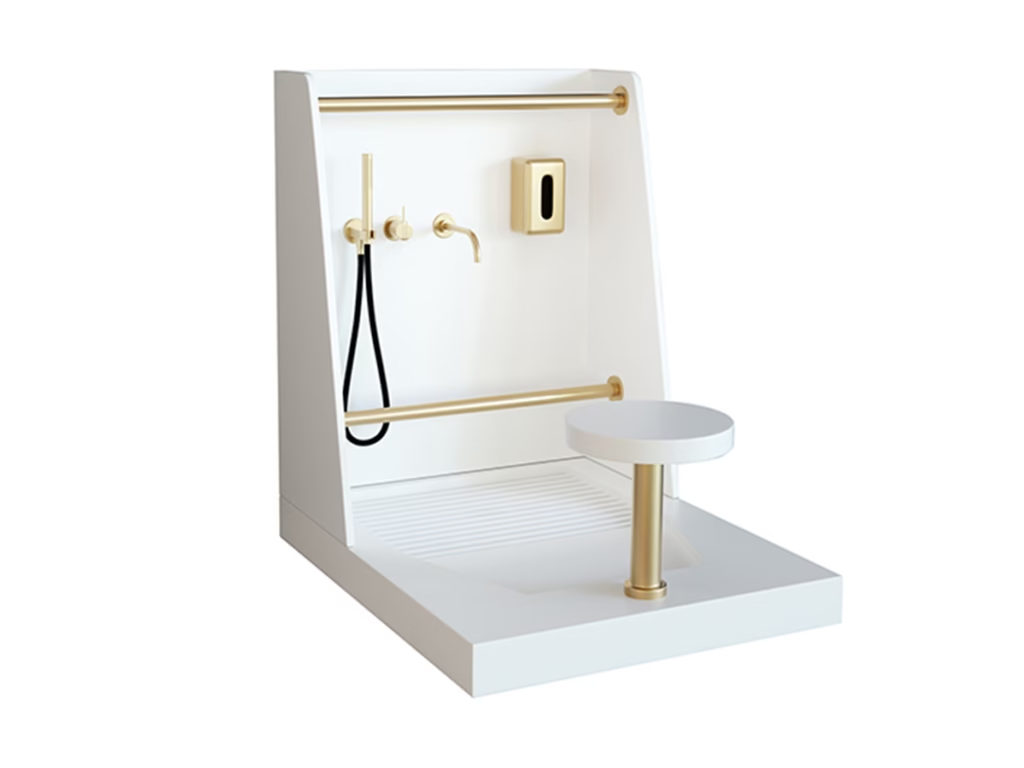
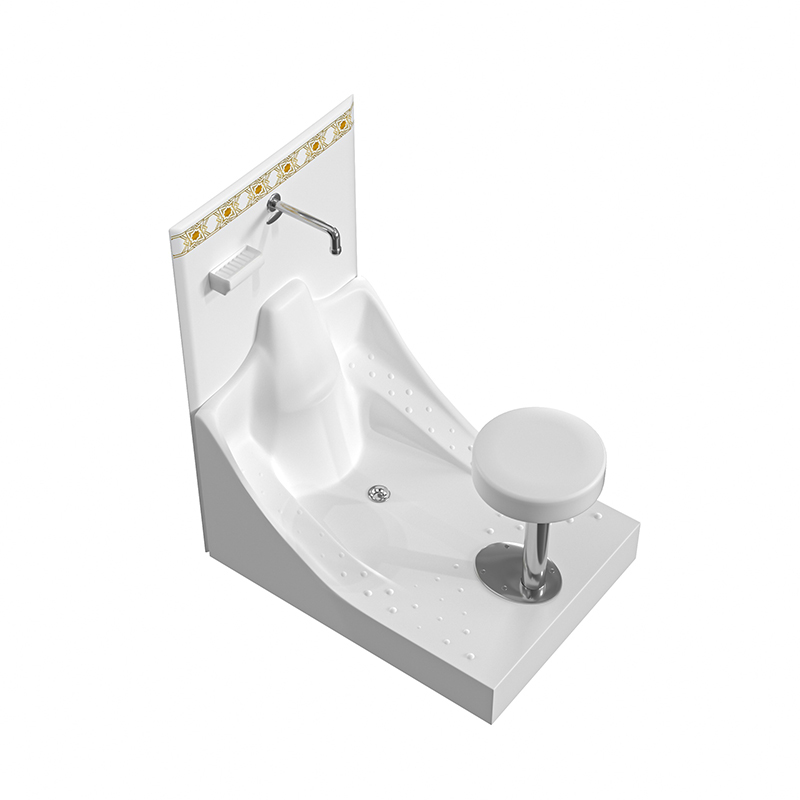
- Dedicated wudu areas with proper drainage and seating
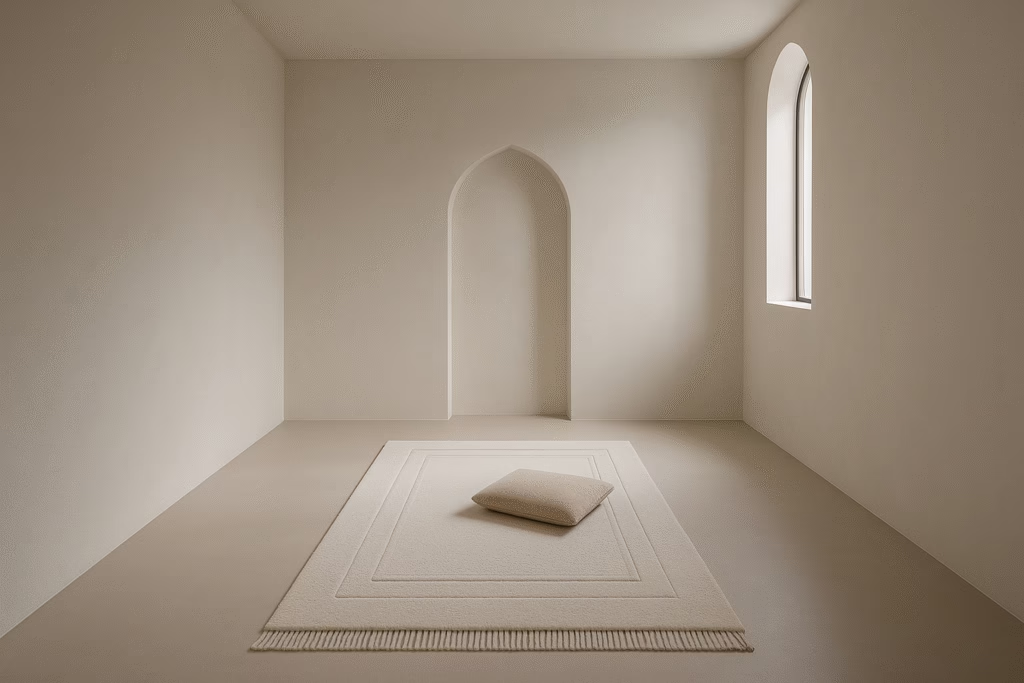
- Clean and minimal interiors to foster focus and tranquility
- Use of durable materials like solid surface and stainless steel for hygiene
Modern architects combine these principles with contemporary aesthetics, ensuring spaces feel both functional and welcoming.
👉 For detailed insight into ablution space planning, see: The Complete Guide to Designing Wudu Areas in Mosques.
Wudu Facilities in Airports and Offices
Airports are among the most critical environments where wudu facilities in airports have become a necessity. With long layovers and international travel, Muslims need convenient places to perform ablution and prayer. Many global airports—such as Dubai, Istanbul, and Kuala Lumpur—already feature state-of-the-art prayer rooms and wudu stations.
Similarly, office buildings are beginning to include prayer spaces in recognition of diverse workforces. Installing compact yet effective ablution sinks helps employers foster inclusivity while minimizing disruption to work schedules.
👉 Interested in small-scale options? Read our article: Compact Wudu Solutions for Small Spaces.
Ablution Facility Design Trends in 2025
In 2025, several ablution facility design trends are shaping the way public prayer spaces are created:
- Dual-level basins for comfort when washing hands and feet.
- Solid surface materials that resist stains and are easy to clean.
- Inclusive design with accessible basins for elderly and disabled users.
- Eco-friendly solutions, such as water-saving taps and sustainable materials.
- Integration of technology, including automatic faucets and touchless fixtures.
These features combine practicality with aesthetics, ensuring that prayer facilities reflect both spiritual and modern values.
👉 Discover more about innovative design in our blog: Modern Ablution Sink Design: From Functionality to Aesthetics.
Conclusion: Designing for Faith and Inclusion
As public buildings evolve, designing prayer facilities in modern public spaces is no longer optional—it is essential. By incorporating elements of mosque design in modern architecture, ensuring convenient wudu facilities in airports and offices, and staying aligned with ablution facility design trends, architects and planners can create inclusive spaces that meet the needs of Muslim communities worldwide.
Prayer facilities are more than functional areas; they are symbols of respect, diversity, and community harmony.
FAQ
1. Why are prayer facilities important in public buildings?
Prayer facilities provide inclusive spaces for Muslim worshippers to perform salah and wudu, ensuring convenience and respect for religious practices in workplaces, schools, airports, and malls.
2. What should be included in a modern prayer facility?
Key elements include a quiet prayer room, separate areas for men and women, storage for shoes, wudu basins, proper ventilation, and privacy features.
3. How do wudu stations improve prayer facility design?
Installing dedicated wudu stations prevents water spillage, keeps the space clean, and ensures comfort and safety during ablution.
4. Can prayer facilities be integrated into existing public buildings?
Yes, architects can repurpose unused rooms or corners, adding compact wudu solutions and prayer mats to create a functional prayer space.
5. What are the challenges in designing prayer facilities in public spaces?
Challenges include limited space, ensuring accessibility, maintaining hygiene, and meeting the needs of diverse users while keeping the design modern and functional.
6. Why is cleanliness crucial in prayer facilities?
Cleanliness is a core value in Islam. Having hygienic wudu basins and well-maintained areas ensures that prayer facilities remain welcoming and compliant with religious standards.
7. Are prayer facilities only for Muslims?
While primarily designed for Muslim worshippers, prayer facilities can also serve as multi-faith rooms, offering quiet spaces for reflection and spiritual practices.
8. What materials are best for wudu basins in public prayer facilities?
Durable materials like solid surface, ceramic, or stainless steel are ideal because they are hygienic, long-lasting, and easy to maintain.
9. How can architects ensure accessibility in prayer facilities?
Designs should consider wheelchair access, non-slip flooring, and adjustable ablution sinks to accommodate people of all abilities.
10. What role do prayer facilities play in workplace inclusivity?
They promote diversity, respect, and employee satisfaction by acknowledging and supporting the religious practices of Muslim staff.