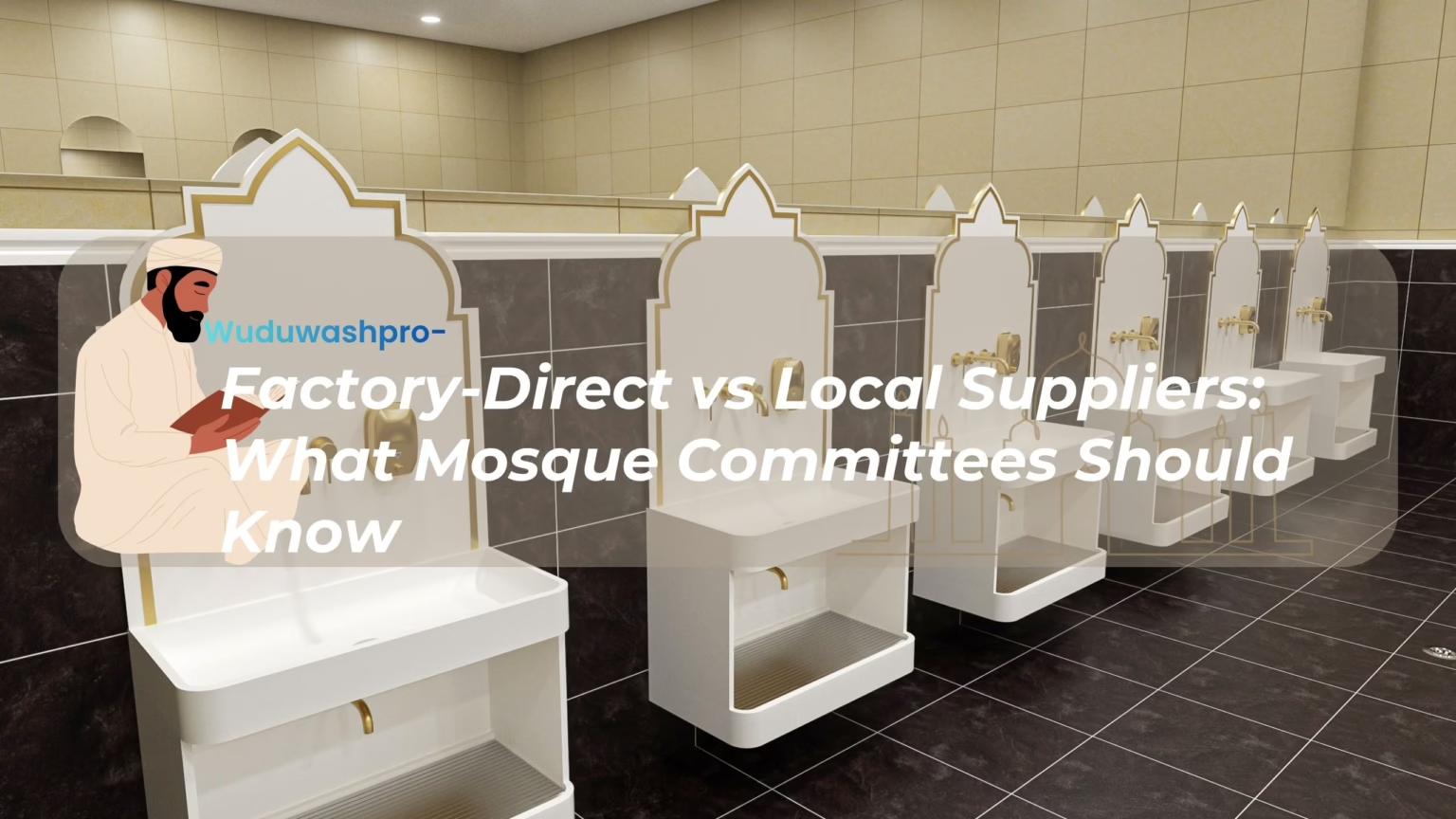
Cleanliness holds a special place in Islam. It is not only about physical hygiene but also about spiritual purity, discipline, and readiness for worship. While many Muslims immediately think of wudu (ablution) as the key practice of purification, the concept of cleanliness in Islam goes far beyond washing before prayer. From personal hygiene to community spaces, cleanliness reflects a believer’s respect for both faith and health.
Cleanliness as a Core Principle of Faith
In Islamic teachings, cleanliness is closely linked with iman (faith). The Prophet Muhammad (peace be upon him) emphasized that “Cleanliness is half of faith,” highlighting how deeply it is connected to a Muslim’s daily life. Maintaining cleanliness is not simply a ritual—it is an ongoing responsibility to oneself, the community, and Allah.
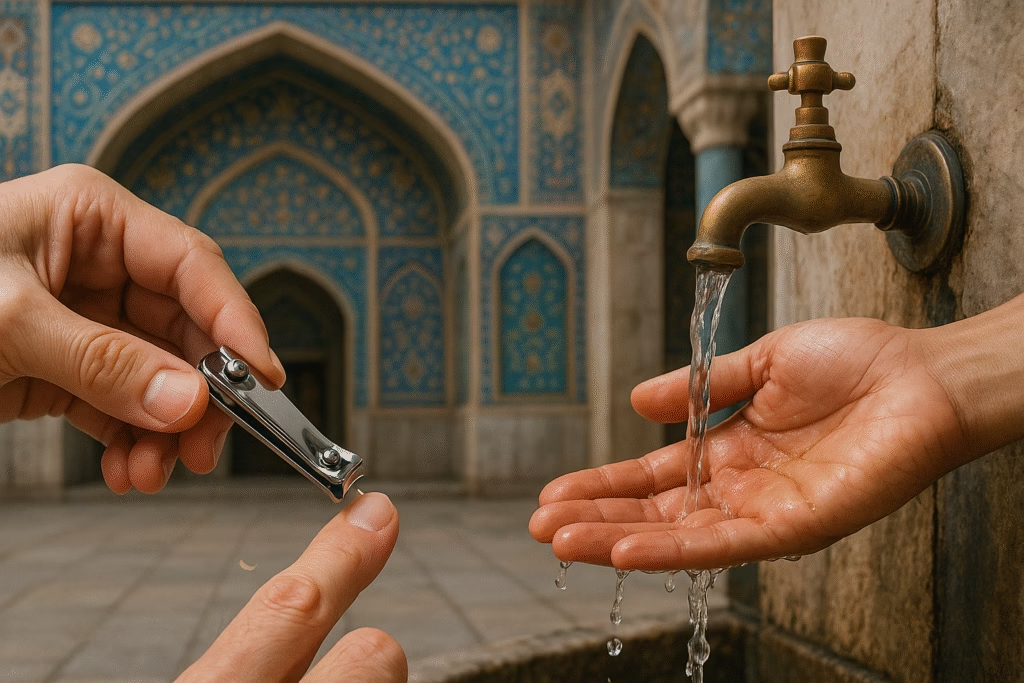
The idea of tahara in Islam (ritual purity) covers many areas: washing before prayers, keeping clothes and spaces clean, trimming nails, and avoiding impurities. This constant emphasis ensures that every aspect of a Muslim’s life maintains both physical and spiritual integrity.
👉 To learn more about how ritual washing is practiced, read our blog: Wudu and Hygiene: Health Benefits You Didn’t Know.
Hygiene and Prayer Preparation
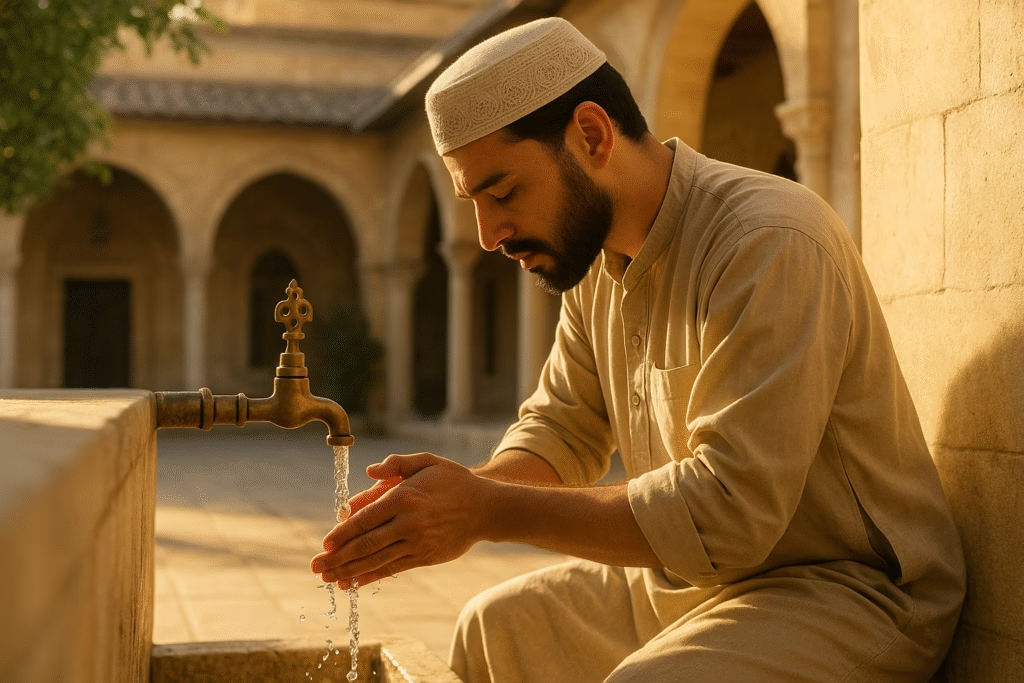
Every prayer begins with an act of purification. Hygiene and prayer preparation ensure that Muslims stand before Allah in a state of purity. This includes washing the face, hands, arms, feet, and rinsing the mouth and nose through wudu.
But preparation is not limited to wudu. Wearing clean clothes, brushing teeth (using miswak or toothbrush), and maintaining personal hygiene are also important aspects. For Muslims, cleanliness is both a physical requirement and a way to mentally prepare for worship.
👉 For a deeper understanding of the tools used for ablution, check out: Wudu Basin Rules in Islam: Understanding the Ablution Sink.
Islamic Hygiene Practices in Daily Life
Islamic hygiene practices extend far beyond the mosque. From washing hands before meals to trimming nails and using fragrance, Muslims are encouraged to maintain cleanliness in every aspect of life. These practices help prevent illness, promote social harmony, and strengthen the bond between body and soul.
Some common Islamic hygiene practices include:
- Regular bathing and washing of clothes
- Oral hygiene with miswak or toothbrush
- Proper disposal of waste
- Keeping hair, nails, and surroundings clean
By making hygiene a constant habit, Muslims live in line with both health and faith principles.
👉 To explore practical tips for maintenance, see: How to Maintain and Clean a Wudu Basin for Long-Term Use.
Cleanliness in Community and Worship Spaces
The emphasis on cleanliness extends beyond personal life into mosques, schools, and workplaces. A clean environment allows worshippers to focus on prayer without distraction and reflects the collective responsibility of the community.
Modern facilities such as wudu basins and prayer stations have made it easier for communities to maintain high hygiene standards. With innovations in design and material, mosques and institutions now incorporate dedicated ablution areas that reflect the importance of purity in Islamic worship.
👉 If you are interested in how mosques integrate purification facilities, read: The Complete Guide to Designing Wudu Areas in Mosques.
Conclusion: Cleanliness as a Lifelong Discipline
The principle of cleanliness in Islam is not just about performing wudu before prayer—it is about living in a state of purity at all times. Through tahara in Islam, Muslims connect hygiene with faith, ensuring that every action aligns with spiritual values.
By practicing hygiene and prayer preparation and adopting everyday Islamic hygiene practices, believers uphold one of the core foundations of their religion. Cleanliness is both an act of worship and a path to healthier, more disciplined living.