
Providing students with a proper space for wudu (ablution) is more than just meeting a religious requirement. For schools, colleges, and universities with Muslim students, dedicated wudu stations create an environment of inclusivity, respect, and practicality. As campuses worldwide become more diverse, the demand for modern, hygienic, and functional wudu stations continues to rise.
If you are not familiar with the basics, you can first read What is a Wudu Basin?.
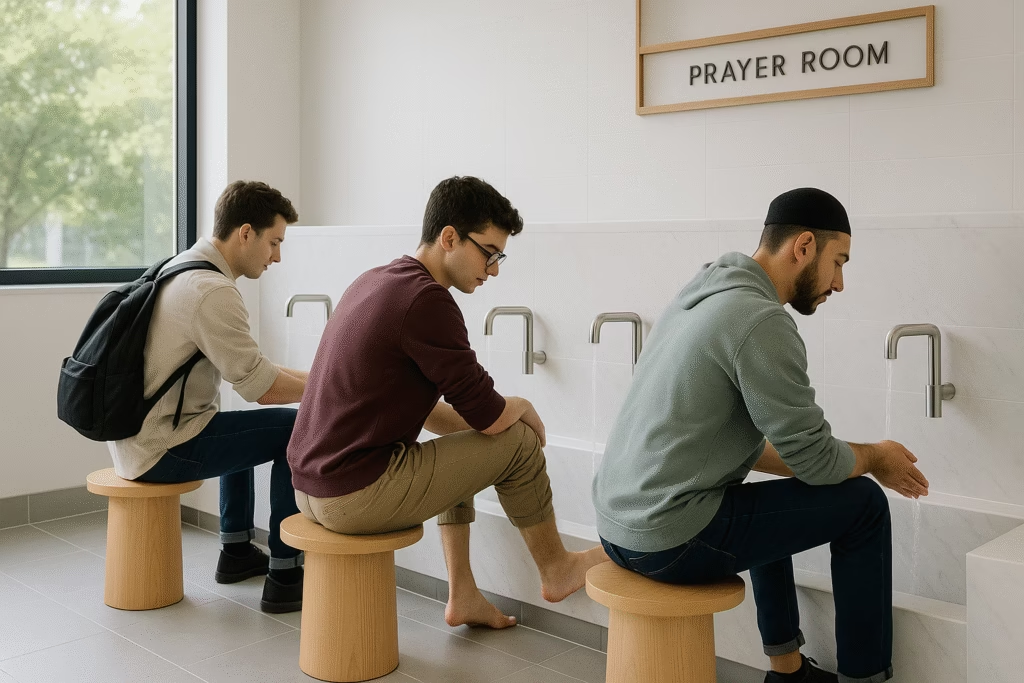
1. The Importance of Wudu in Student Life
For Muslim students, daily prayers (salah) require performing wudu beforehand. Without proper facilities, students may face difficulties in maintaining cleanliness or may resort to unsuitable spaces such as restrooms.
A dedicated wudu station ensures:
- Accessibility – students can perform ablution quickly between classes.
- Comfort & privacy – facilities designed specifically for ablution needs.
- Inclusivity – institutions show respect for religious practices, enhancing cultural harmony.
To better understand this spiritual and practical connection, see The Importance of Wudu in Daily Muslim Life.
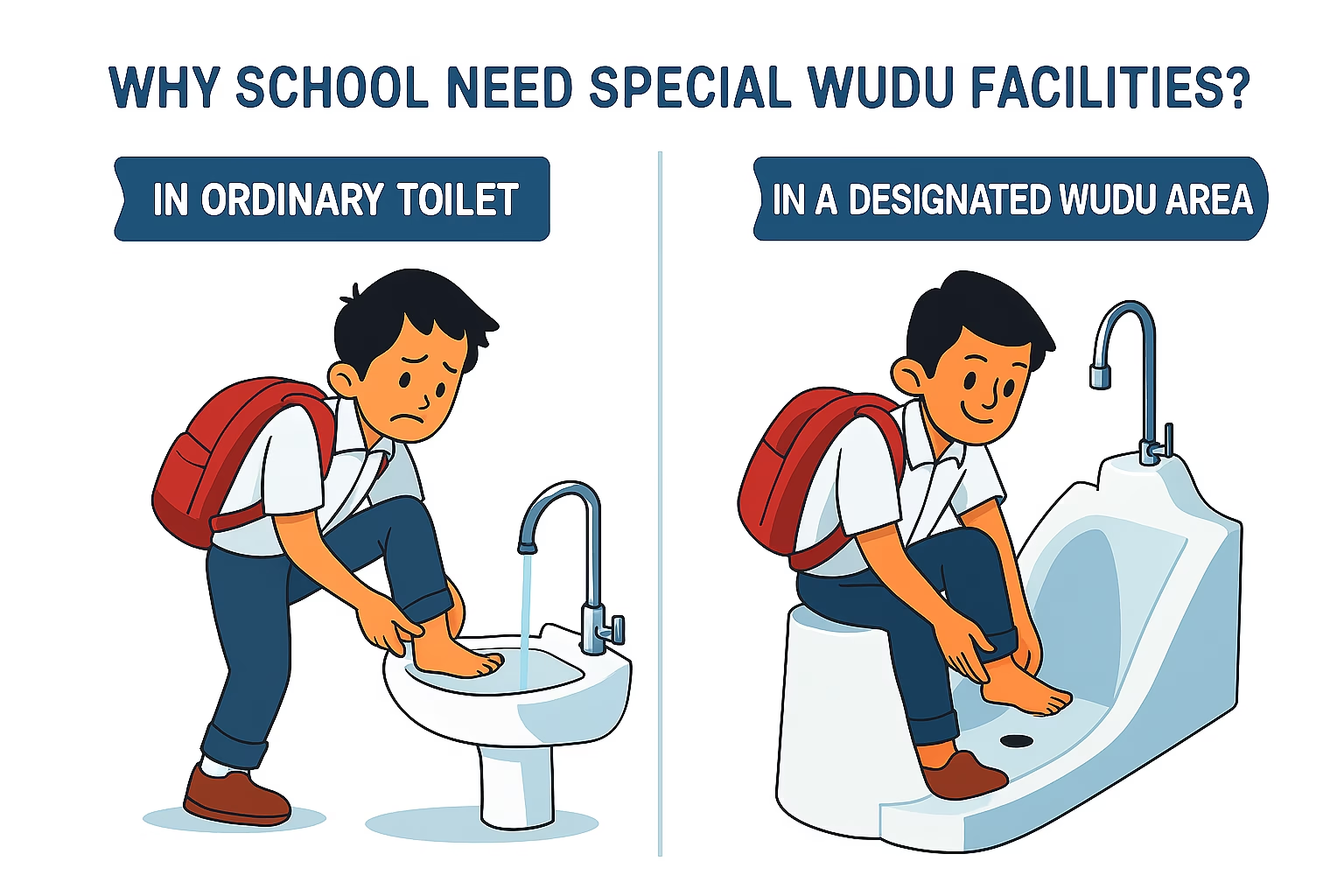
2. Challenges Without Proper Wudu Facilities
Many schools and universities without dedicated ablution stations encounter:
- Overcrowded restrooms used for ablution, creating hygiene concerns.
- Slippery floors and safety hazards due to water spills.
- Student stress when struggling to find appropriate spaces for prayer preparation.
These problems highlight why purpose-built wudu stations are essential in educational settings.
For a practical perspective, institutions can also explore A Complete Guide to Wudu in the Workplace, which shares parallels with student facilities.
3. Key Features of Modern School & University Wudu Stations
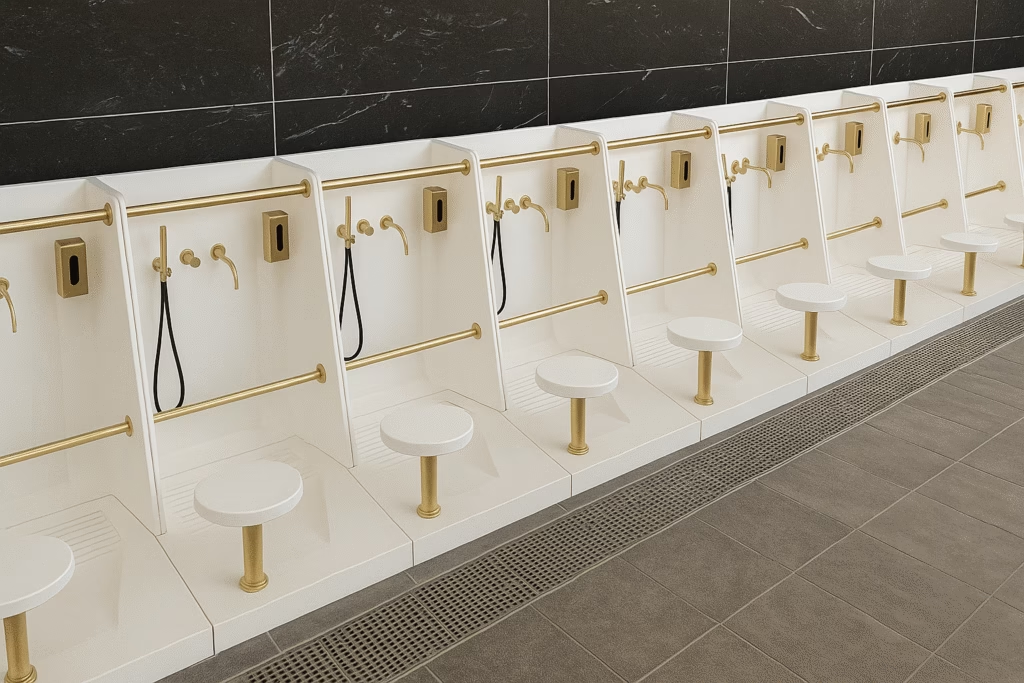
When designing a wudu station for educational facilities, schools should prioritize:
- Durable Materials – Solid surface basins are resistant to cracks, easy to clean, and customizable for school spaces. Learn more in The Role of Solid Surface in Modern Wudu Basin Design.
- Safety – Non-slip flooring, proper drainage, and ergonomically designed basins prevent accidents.
- Efficiency – Multi-station layouts to accommodate groups of students at prayer times.
- Dual-Level Options – Basins designed for both hands and feet for quick and comfortable use.
For inspiration, read Top 5 Features to Look for in a Modern Wudu Station.
4. Benefits for Schools and Universities
Investing in a proper wudu station provides long-term benefits:
- Enhanced student well-being – supporting faith practices reduces stress and improves focus.
- Cultural inclusivity – strengthens a university’s reputation as a diverse and welcoming institution.
- Hygiene and safety – reduces water spills in regular bathrooms.
- Future-ready facilities – meets the needs of growing Muslim student populations.
For design planning, administrators can check The Complete Guide to Designing Wudu Areas in Mosques, which shares many concepts applicable to campus environments.
Conclusion
Wudu stations for schools and universities are more than a convenience—they are a necessity in modern, multicultural campuses. By providing functional, safe, and inclusive ablution facilities, educational institutions create environments that respect faith, improve hygiene, and foster student well-being.
If your school or university is considering building or upgrading wudu stations, explore Best Wudu Basin Brands 2025: Top Suppliers You Should Know to learn about reliable partners and materials.
FAQ
Q1: Why do schools and universities need dedicated wudu stations?
A: They provide Muslim students with safe, hygienic, and inclusive spaces for ablution, reducing stress and ensuring accessibility.
Q2: What materials are best for school wudu stations?
A: Solid surface basins are the most popular choice due to their durability, hygiene, and customization options.
Q3: Can wudu stations be designed for group use?
A: Yes, multi-station layouts are common in schools and universities to handle high traffic during prayer times.
Q4: Are dual-level wudu basins useful for campuses?
A: Absolutely, they allow students to wash hands and feet comfortably in one unit.
Q5: How do wudu stations improve inclusivity?
A: By acknowledging and supporting Islamic practices, they demonstrate respect for cultural and religious diversity.