
How Wudu Basin Material Choice Impacts Hygiene and Long-term Maintenance Cost
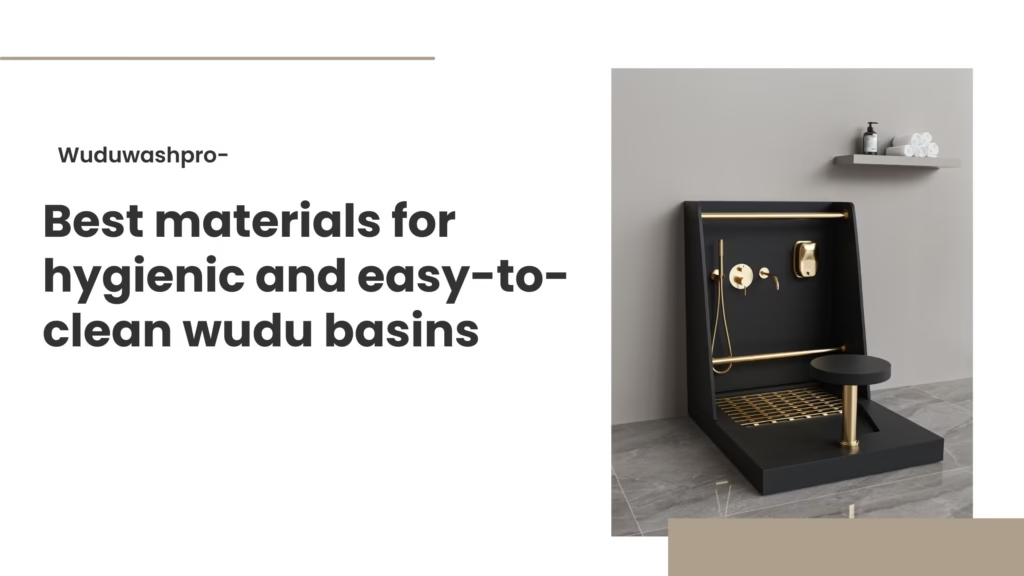
The choice of material used to make the wudu basins is not a mere design process but directly depends on the levels of hygiene, work measured on labour needed to clean, as well as the rate of repairs and the cost of running the process over time. This guide also describes the behaviour in practice of various materials used in wudu basins, and why non-porous materials have become the standard choice of hygienic and easy-to-clean ablution spaces.
Why Non-porous Materials matter in public wudu areas
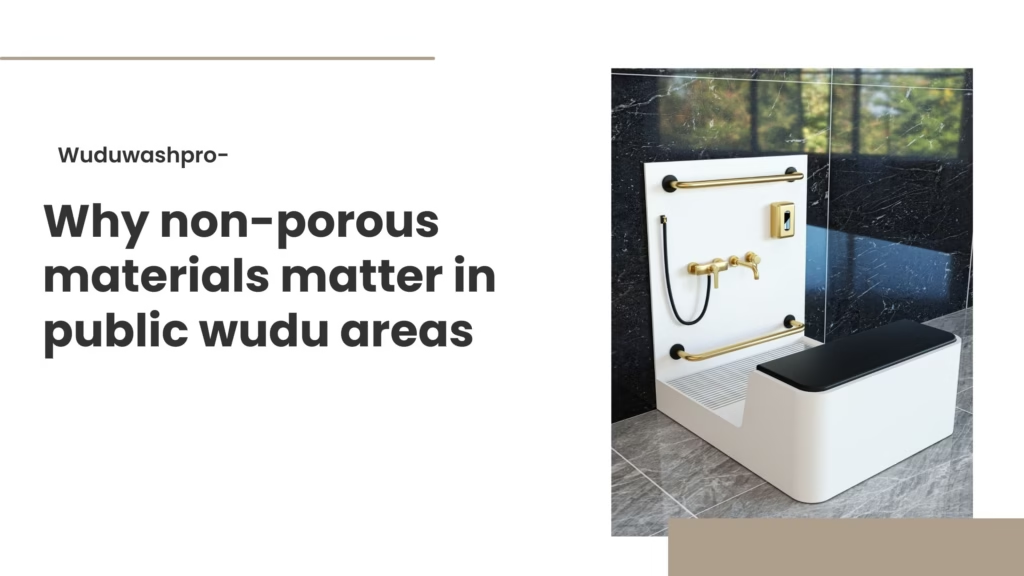
Introduction Public wudu areas are heavily used in the mosques. Unlike washrooms, public hygiene wudu areas face more water-handling challenges and heavy barefoot traffic. Unusually high traffic and constant wudu practices bring several issues. The accumulation of water without proper drainage and flow compromises hygiene. For mosque project managers, hygiene is of utmost importance. That […]
How To Renovate an Old Mosque Wudu Area Without Major Structural Changes
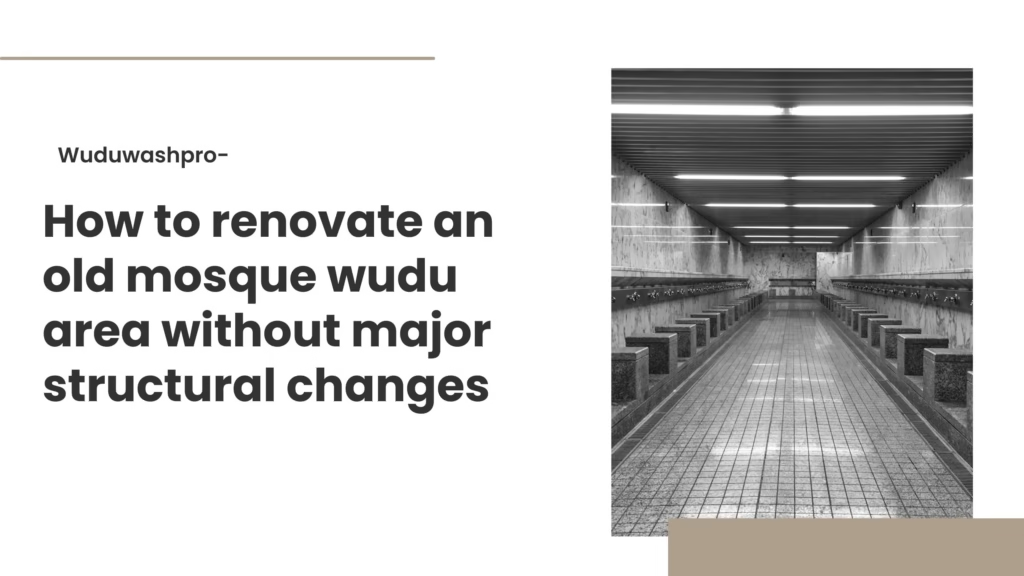
Most mosque renovation committees focus on upgrading wudu, believing that meaningful improvement means major construction. In fact, some of the most nagging problems about old wudu areas have not originated from structural failure but rather from obsolete layouts, worn-out materials, and fixtures that do not suit the current usage. We have seen many mosque wudu […]
Why poorly designed wudu areas lead to slips and safety hazards
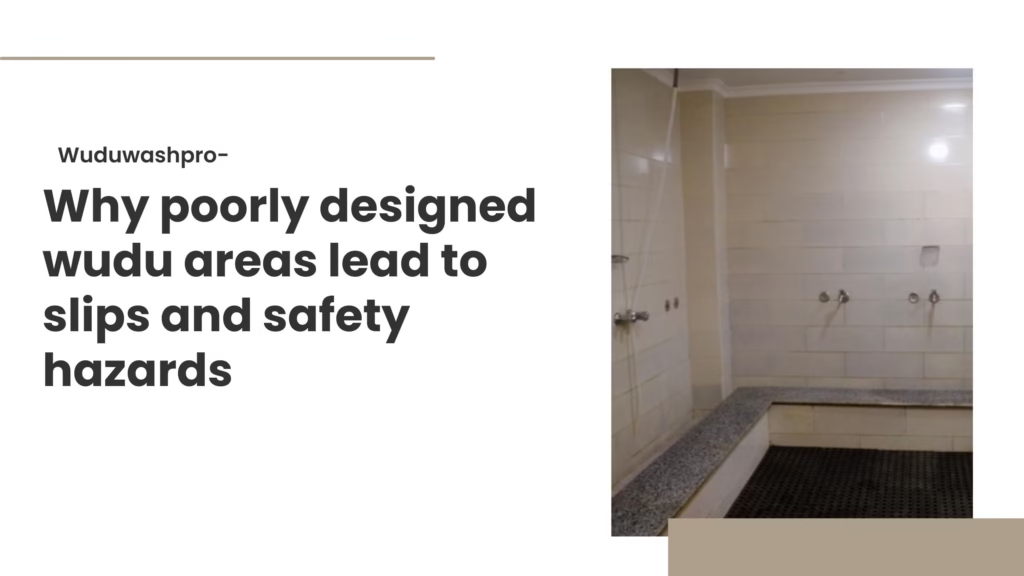
Poorly designed Wudu areas have resulted in wet floors, slip accidents and unnecessary accidents. This code of conduct describes the reasons why these dangers happen and how intelligent design avoids them.
How Poor Drainage Design Increases Long-Term Repair Costs in Wudu Areas
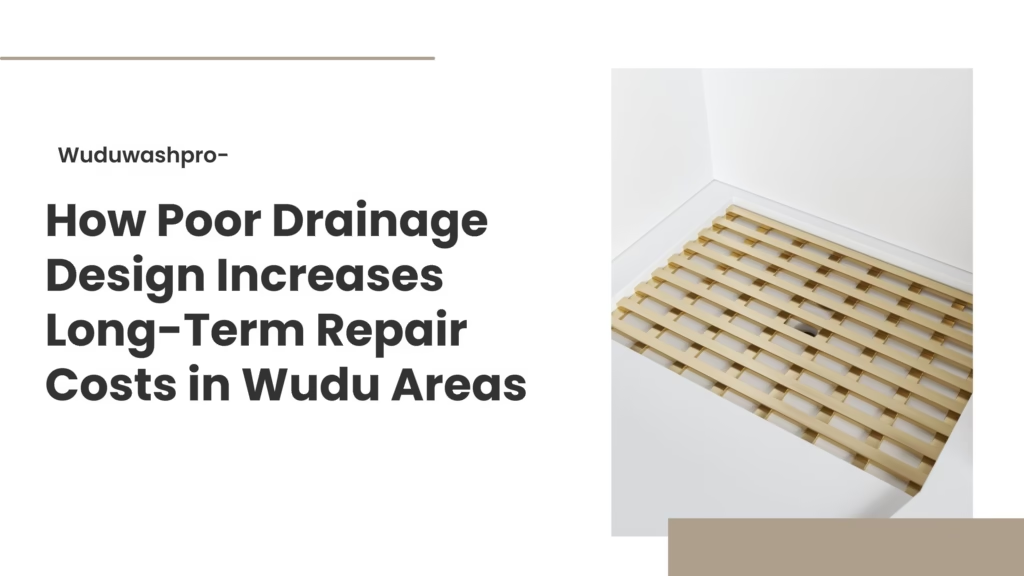
Poor mosque wudu drainage design leads to frequent repairs, poor hygiene, and increased water loss. However, correct design makes things right.
How To Design An Efficient Wudu Basin Layout for High-Traffic Mosques
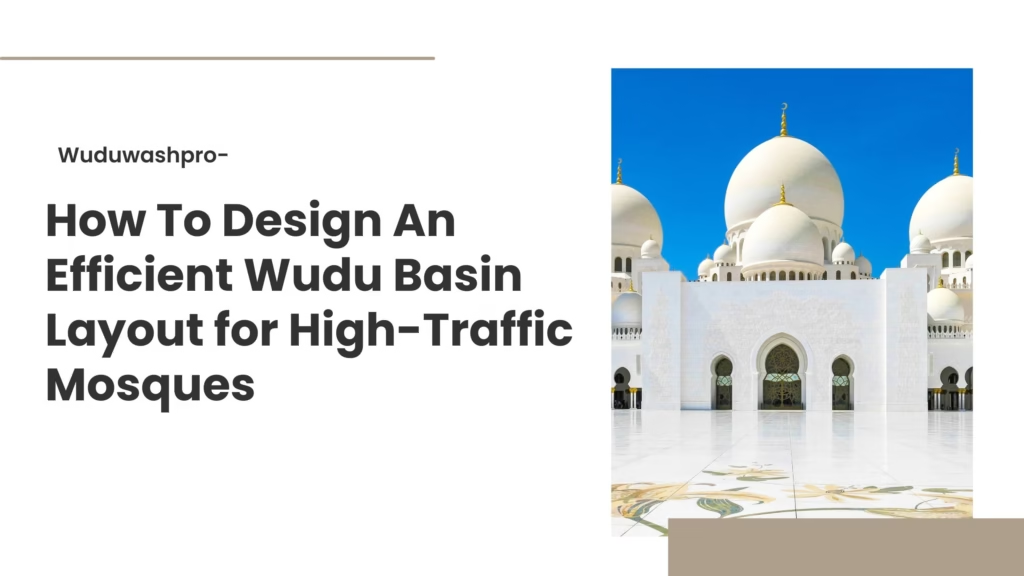
High-traffic mosques place exceptional demands on wudu areas, and layout decisions play a far greater role than basin quantity alone. Congestion, splashing, and user conflict have their roots in those initial planning decisions where circulation, spacing, and movement patterns were not accorded due consideration. Fixed walls, drainage routes, and basin positions quickly turn layout decisions […]
How to Control the Flow and Circulation of Users in crowded Mosque Wudu Area
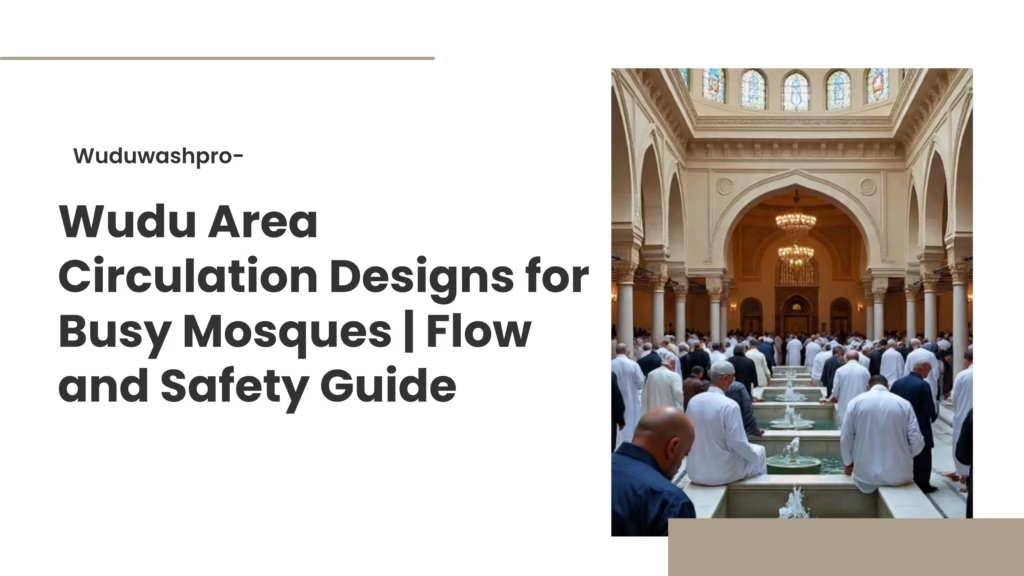
This guide describes the benefits of proper planning of wudu areas that enhance the safety of the area, reduce congestion, and facilitate a more efficient user flow in high-traffic areas of mosque ablutions.
How To Choose Wudu Basins for Elderly and Accessibility Needs
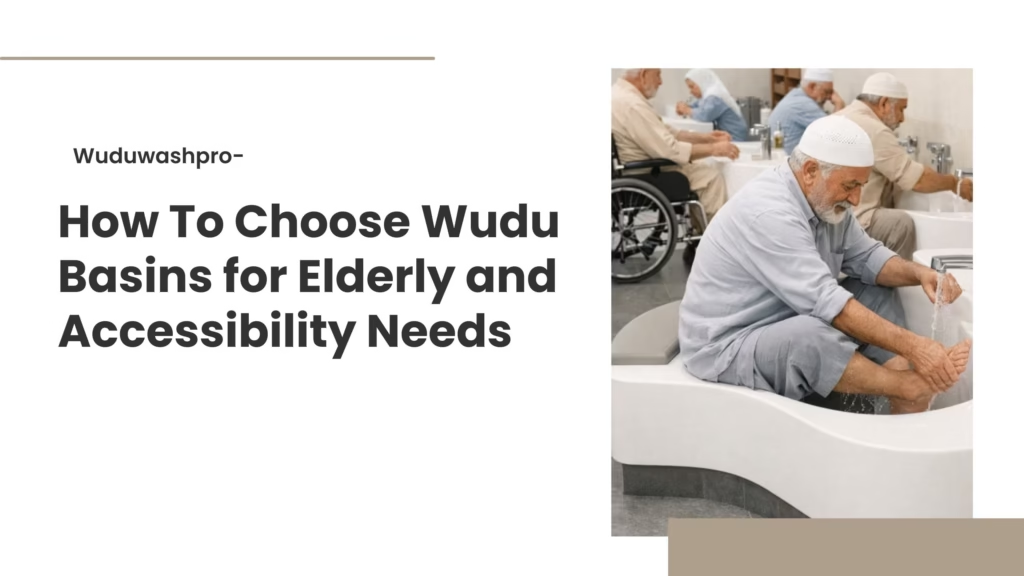
Selection of an accessible wudu basin for elderly worshipers is among the most sensitive specification decisions when dealing with a mosque project. Though accessibility is discussed in principle, it ultimately comes down to minor adjustments that do not serve the purpose when the space is in use. The elderly worshipers feel the difference very fast […]
What Makes a Wudu Basin Suitable for Heavy Daily Public Use?
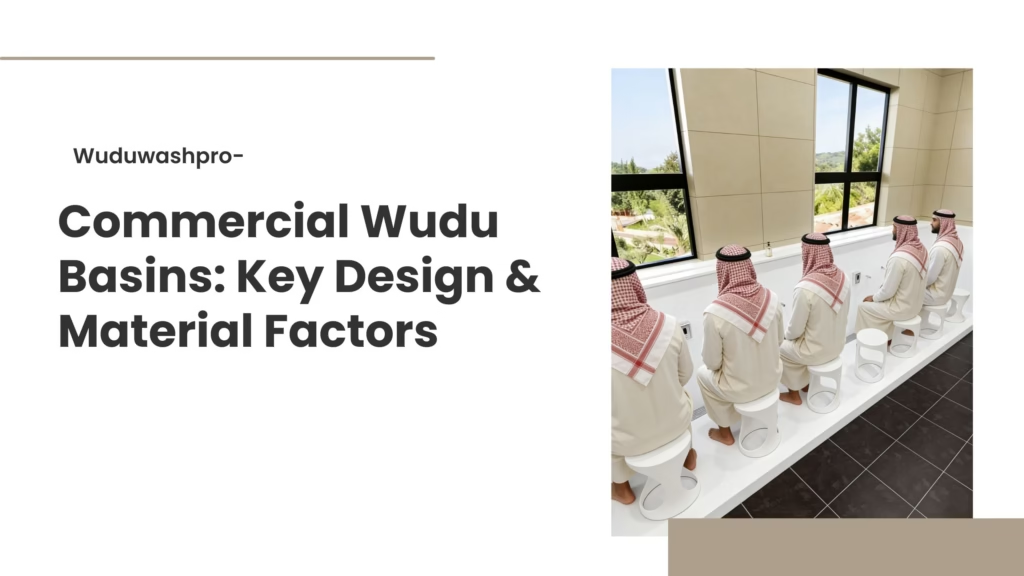
Introduction If you are a mosque project owner or decision maker, choosing the right wudu basin is necessary for heavy usage. Commercial wudu basins handle the heavy public use with excellent material quality, drainage, and ergonomic designs. Real-world applications fail any mosque wudu basin project if not properly planned. Heavy public use has aggressive requirements […]
Common Design Mistakes That Increase Maintenance in Mosque Wudu Areas
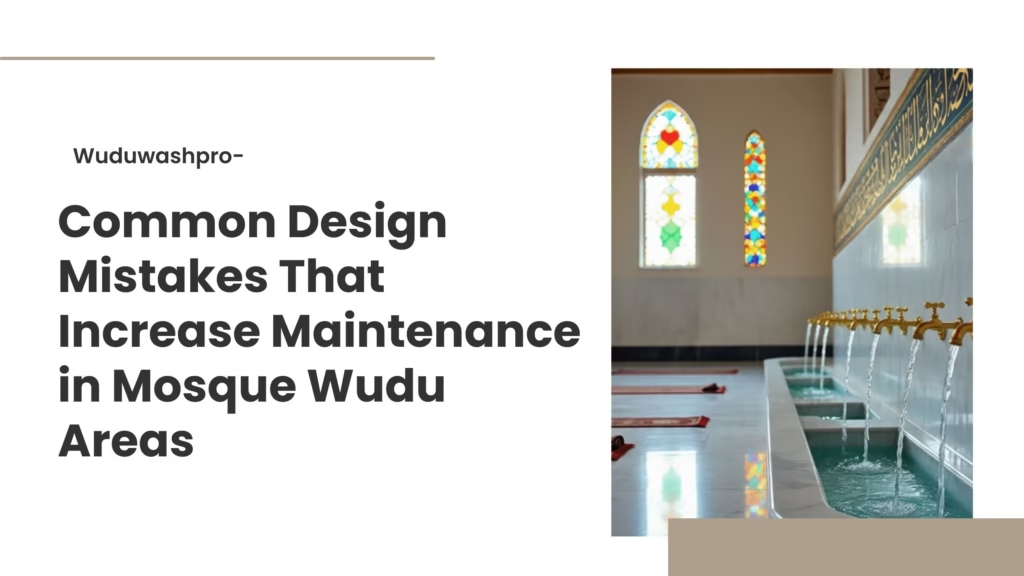
This guideline describes why the frequent design errors of wudu areas are causing a continuation of maintenance problems, additional costs on cleaning and unnecessary fixing in mosque ablution areas.